Executive Overview
The fundamental desire to shield oneself from the prying eyes of the state is not a product of the digital revolution; it is foundational to modern Western governance. Long before the advent of smartphones, global fiber-optic cables, or algorithms capable of predicting human behavior, English common law established the sacred boundary between the individual and the crown. Yet, as humanity has transitioned into an era dominated by hyper-connected devices, that boundary has eroded into a shadow of its former self.
Today, governments and malicious actors possess unprecedented capabilities to monitor communications, map browsing habits, and harvest the vast digital exhaust of everyday citizens. Against the backdrop of escalating cyber threats, foreign interference in democratic processes, and shifting political landscapes that favor expanded surveillance powers, the protection of personal privacy has shifted from a convenience to a necessity.
This article explores the historical architecture of privacy rights, details the modern evolution of state and corporate intrusion, provides concrete data metrics on the state of digital surveillance, highlights critical warnings from technologists and ethical hackers, and outlines an actionable toolkit for individuals seeking to reclaim their digital sovereignty.
Detailed Chronology: From Common Law to the Digital Panopticon
Understanding the modern crisis of digital privacy requires examining the historical trajectory that brought society from physical walls to virtual footprints.
- 1604 — "A Man’s House is His Castle": English Attorney General Sir Edward Coke issues a landmark legal ruling in Semayne’s Case. This establishes the revolutionary principle that a homeowner has the legal right to protect their domestic sphere and privacy from the intrusive agents of the king. This philosophy deeply influenced the American Founding Fathers, who encoded protections against unwarranted searches and seizures into the Fourth Amendment to prevent the abuses suffered under British imperial rule.
- Late 18th Century — Constitutional Protections: The ratification of the U.S. Constitution and the Bill of Rights formalizes the expectation of privacy in papers and effects, cementing the belief that human dignity and intimacy cannot survive without zones of unmonitored thought and action.
- Late 20th Century — The Digital Shift: As telecommunications digitize, traditional wiretapping laws struggle to keep pace. The introduction of the commercial internet creates vast troves of metadata, transforming everyday communications into persistent digital records.
- 2013 — The Snowden Revelations: Whistleblower Edward Snowden leaks classified documents detailing mass global surveillance programs operated by the U.S. National Security Agency (NSA) and its international allies. The public learns that virtually all digital communications, web searches, and social media activities are subject to collection and analysis.
- 2015–2016 — The Politicization of Encryption: Cybersecurity concerns reach a boiling point as state-sponsored threat actors target state voter registration systems and attempt to disrupt democratic elections. Simultaneously, political figures in the United States openly criticize end-to-end encryption technology, advocating for legislative frameworks that would mandate government "backdoors" into consumer devices.
- Present Day — The Everyday Surveillance Economy: Digital tracking becomes ubiquitous. Data brokers, corporations, and state entities routinely harvest the digital breadcrumbs of billions of smartphone and computer users, making proactive personal operational security vital.
Supporting Context & Metrics: The Scale of Modern Intrusion
The modern threat landscape is defined by the sheer volume of data collected and the sophistication of those who seek to exploit it. To comprehend the urgency of digital privacy, one must examine the metrics governing modern connectivity and surveillance.
The Ubiquity of Data Harvesting
Modern websites, applications, and operating systems are engineered to collect continuous streams of user data. According to industry analyses, a typical consumer-facing smartphone connects to dozens of third-party tracking domains daily, logging physical location, search queries, contact lists, and biometric indicators.
- Voter Systems Vulnerabilities: Federal and independent cybersecurity assessments have repeatedly demonstrated that state electoral infrastructure is a prime target for foreign adversaries. In recent election cycles, malicious actors have probed voter registration databases across more than 20 U.S. states, illustrating that national security vulnerabilities begin at the foundational level of civilian infrastructure.
- The Cost of Convenience: Free consumer services—ranging from email providers to search engines—rely on monetization models driven by behavioral profiling. Every click, scroll, and message sent contributes to an intricate profile that can be accessed, subpoenaed, or breached during corporate data leaks.
The Philosophical Crisis: "Nothing to Hide"
A persistent counter-argument against digital privacy is the colloquial refrain: "If you have nothing to hide, you have nothing to fear." Ethical hackers and civil libertarians reject this premise entirely. True human intimacy, intellectual exploration, and political dissent rely on the existence of private spaces. Without privacy, self-censorship becomes the default behavior, chilling free speech and eroding the foundation of a free society.
Official Statements & Expert Warnings
As political pressure mounts to weaken encryption standards in the name of national security, the technical community has responded with profound concern.
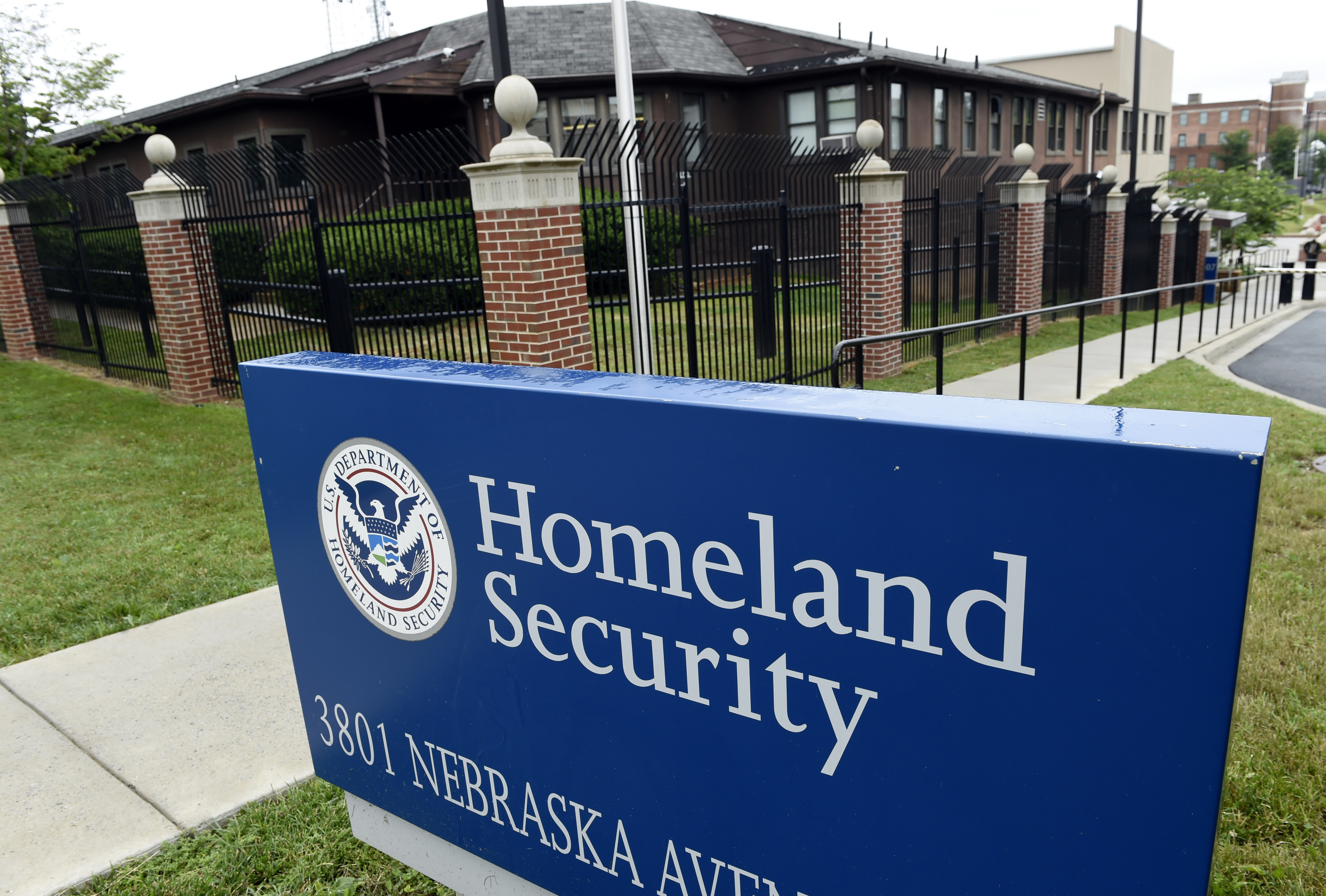
- The Federal Bureau of Investigation (FBI): Law enforcement agencies have consistently argued that unbreakable, end-to-end encryption creates a "going dark" problem, shielding criminal enterprises, terrorists, and hostile foreign intelligence services from lawful intercept. FBI leadership has emphasized the necessity of balancing public safety with investigative access.
- Technologists and Civil Libertarians: Conversely, cybersecurity experts and advocacy organizations—such as the Electronic Frontier Foundation (EFF)—argue that creating government backdoors into encryption technologies is fundamentally impossible to restrict exclusively to "the good guys." Any intentional vulnerability introduced into a cryptographic system can and will be exploited by malicious hackers and authoritarian states, rendering all digital infrastructure inherently insecure.
- Independent Security Analysts: Ethical hackers and digital privacy advocates maintain that the responsibility for safety has increasingly fallen upon the individual. As public institutions debate regulatory frameworks, everyday citizens must adopt practical defense mechanisms to protect their personal data from routine corporate harvesting and unauthorized government intrusion.
Future Outlook: Practical Toolkit for Digital Self-Defense
Securing one’s digital life against modern surveillance does not require a degree in computer science. By implementing a layered approach to operational security, individuals can significantly reduce their digital footprint.
1. Secure Communications
To ensure that messages remain confidential between sender and recipient, utilize services employing end-to-end encryption (E2EE).
- Messaging & Calls: Applications such as Signal and WhatsApp ensure that data in transit can only be decrypted by the intended participants.
- Email: Privacy-focused, Swiss- and German-hosted email providers like ProtonMail and Tutanota offer encrypted storage and transmission, shielding communications from standard corporate profiling.
2. Mitigating Web Tracking
Browsing the web exposes users to complex tracking ecosystems involving analytics engines, social media widgets, and targeted advertising networks.
- Browser Extensions: Installing free, open-source tools like uBlock Origin and Privacy Badger effectively blocks third-party trackers and invasive scripts without disrupting the core web browsing experience.
- Alternative Search Engines: Transitioning away from search engines that log queries and build user profiles in favor of services like DuckDuckGo ensures that historical search data remains ephemeral.
3. Encrypting Network Traffic
For comprehensive protection against local network snooping and Internet Service Provider (ISP) logging, a Virtual Private Network (VPN) is essential.
- VPN Deployment: Services such as Freedome by F-Secure route web traffic through encrypted tunnels to remote servers, masking the user’s true IP address and location from malicious observers.
4. Account Hardening and Device Security
- Two-Factor Authentication (2FA): Enabling 2FA across all critical online accounts (email, social media, financial institutions) adds an indispensable secondary verification step—such as an authenticator app code—preventing unauthorized access even if a password is compromised.
- Device Encryption: Activating built-in encryption settings on iOS and Android ensures that physical theft or seizure of a device does not translate into immediate access to stored files, photos, and personal media.
- Minimizing Data Exposure: Adopt the habit of compartmentalization. Utilize secondary "burner" email addresses and dedicated communication numbers (such as Google Voice) when registering for non-essential online services to protect primary accounts from downstream data breaches.
Ultimately, while the modern digital landscape presents unprecedented challenges to individual privacy, proactive technological adoption and a steadfast commitment to civil liberties remain the most effective shields against state and corporate intrusion.