Executive Overview
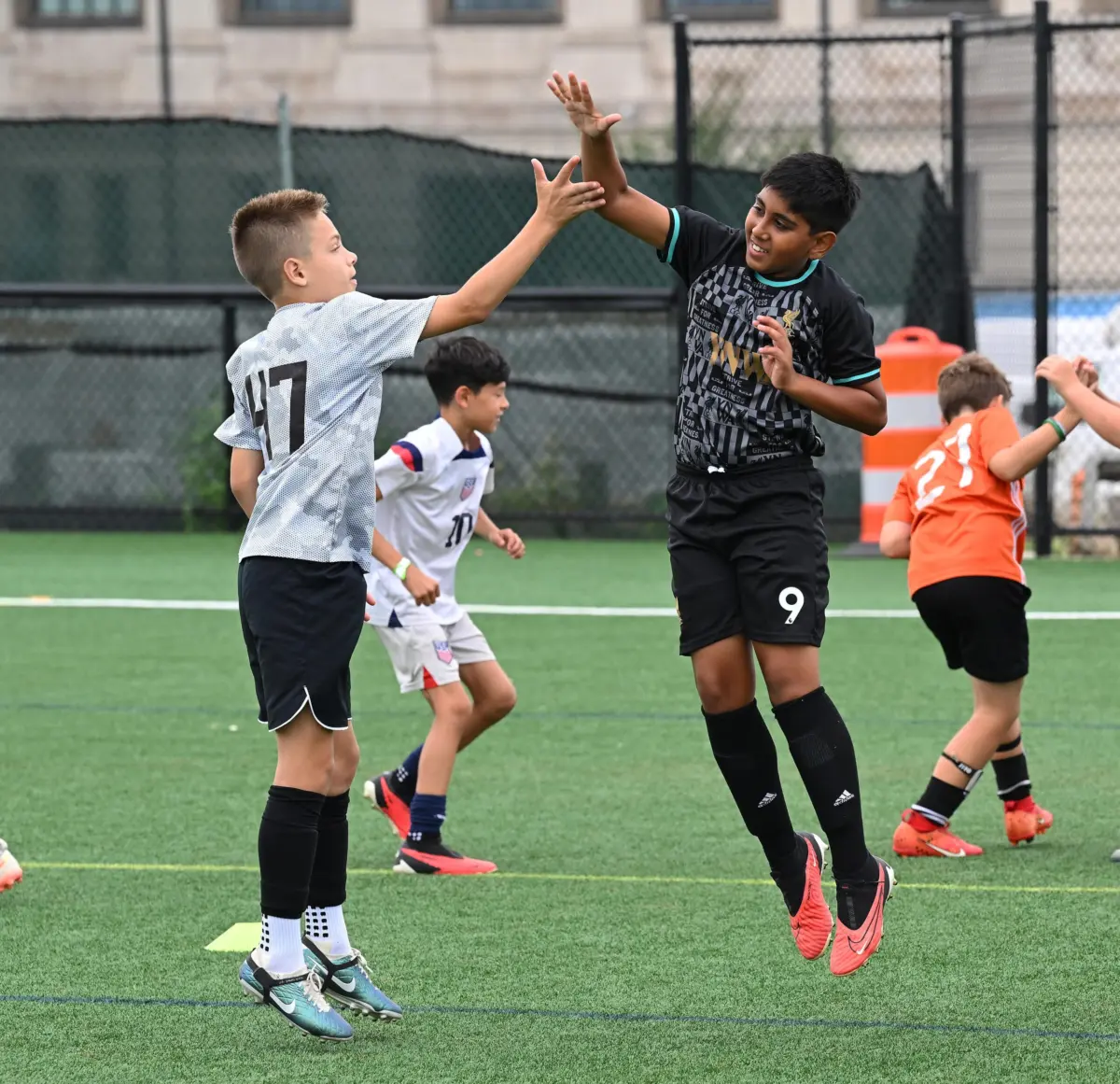
For generations, the ecosystem of youth athletics operated on a relatively simple, community-driven premise: local parks, municipal recreation departments, and volunteer coaches providing a low-stakes environment for children to run, learn the value of teamwork, and discover a lifelong love for physical activity. Weekends were defined by modest bleachers, orange slices at halftime, and neighborhood camaraderie.
Over the past decade, however, this traditional landscape has undergone a radical, aggressive corporate transformation. Driven by an influx of private equity and venture capital, the casual Saturday morning soccer match has been largely displaced by hyper-competitive, professionalized travel leagues. Catalyzed further by the disruptions of the COVID-19 pandemic—when municipal budgets were slashed and public parks shuttered—private financial institutions seized a unique market opportunity.
Today, youth sports represent a multibillion-dollar industry caught firmly in the grip of a pay-to-play model. Families are routinely expected to shell out thousands, sometimes tens of thousands, of dollars annually just to keep their children on a roster. Elementary-school-aged children are being railroaded into year-round, high-intensity training environments long before their minds and bodies are mature enough to handle the strain.
This systemic overhaul has sparked an urgent debate among parents, pediatricians, and sports economists. While private interests reap lucrative returns through integrated corporate ecosystems—monopolizing everything from mandatory apparel and digital scheduling apps to travel accommodations and media packages—young athletes are paying a steep price. Surging rates of burnout, chronic overuse injuries, and early sports specialization have become the alarming hallmarks of this modern era.
This article investigates how private money hijacked youth sports, the devastating financial and physical tolls inflicted on families and children, and whether alternative models offer a viable roadmap toward recovery.
Detailed Chronology: The Corporate Takeover of the Playing Field
To understand how youth sports transitioned from community-led recreation to a corporate commodity, it is necessary to trace the timeline of financial infiltration over the last fifteen to twenty years.
Phase One: The Seeds of Commercialization (Early 2010s)
More than a decade ago, private equity firms began identifying the youth sports market as an untapped, recession-resistant asset class. Unlike traditional retail or hospitality, youth sports possessed a uniquely emotionally driven customer base: parents willing to sacrifice personal savings to secure perceived advantages, scholarships, or elite pathways for their children.
Initially, corporate intervention was subtle, manifesting as corporate-sponsored tournaments or regional upgrades to private training facilities. However, investors quickly realized that fragmented, mom-and-pop travel leagues could be consolidated into powerful regional and national monopolies.
Phase Two: The Pandemic Catalyst (2020–2021)
The COVID-19 pandemic served as the ultimate accelerator for this corporate takeover. As municipal governments faced unprecedented fiscal shortfalls, local park and recreation departments were hit with devastating budget cuts. Public fields were closed, municipal leagues were canceled, and volunteer-run programs evaporated overnight.
Private travel leagues, operating with corporate backing and greater operational flexibility, stepped into the void. By keeping fields open, enforcing private safety protocols, and marketing themselves as the only viable option for children desperate to play, these private entities cemented their dominance. By the time public rec leagues attempted to re-open, the infrastructure had largely shifted, and the private travel circuit had become the dominant game in town.
Phase Three: The "Roll-Up" Strategy and Full Monetization (Present Day)
Modern private equity involvement goes far beyond simply owning a sports league. Investors currently utilize a sophisticated business strategy known as a "roll-up." Under this model, private equity firms acquire financial stakes across every single touchpoint a family experiences while participating in a sport.
- Leagues and Tournaments: Private firms own the governing bodies, regional circuits, and exclusive tournament hosting rights.
- Apparel and Equipment: Families are locked into mandatory, branded uniforms, specific gear requirements, and proprietary merchandise stores.
- Software and Apps: Essential daily functions—such as checking practice schedules, tracking player statistics, and viewing standings—are gated behind subscription-based or sponsor-heavy digital platforms.
- Hospitality Partnerships: Travel tournaments often mandate "stay-to-play" hotel policies, forcing families to book rooms through corporate partners at inflated rates, bypassing cheaper local alternatives.
- Media and Content Monopolies: Parents have increasingly reported being banned from recording video of their children’s games from the sidelines, only to be upsold high-priced digital packages containing professionally captured photos and highlight reels.
Through this web of vertical integration, private equity has engineered an economic engine that extracts maximum capital from families under the guise of elite athletic development.
Supporting Context & Metrics: The Financial and Physical Toll
The financial burden carried by modern parents is staggering. While the historical average expenditure for a child participating in sports hovered around $1,000 annually, the reality within the private travel ecosystem looks vastly different.
The True Cost of Play
In the private club sector, families routinely pay baseline season fees ranging from $3,000 to $5,000. When factoring in out-of-town tournaments, mandatory hotel stays, equipment upgrades, specialized private coaching, and travel expenses, the figures skyrocket. It is increasingly common for families to spend $10,000 to $15,000 per year on a single child’s athletic pursuits.
Extreme cases highlight a system pushed to financial breaking points. Numerous families report spending upwards of $25,000 annually. Stories of single parents taking on second jobs, working side gigs like pet-sitting, or resorting to online crowdfunding campaigns (such as GoFundMe) to cover travel-team dues for children as young as six or seven years old have shifted from anomalies to routine occurrences.
The Erosion of the Rec League
As private travel leagues aggressively market themselves to younger demographics, they have effectively cannibalized traditional community programs.
Historically, children could participate in local, multi-sport recreational leagues through the eighth grade before deciding whether to specialize or pursue high school athletics. Today, rec programs are being hollowed out. Private leagues now host tryouts and form travel teams for kindergartners, first-graders, and second-graders.
Fearing the "Fear of Missing Out" (FOMO)—the pervasive parental anxiety that if their child does not get in on the ground floor, the athletic elevator will leave them behind forever—families abandon local rec programs en masse. This creates a destructive feedback loop:
- Talent Dilution: As early as third grade, the most skilled and dedicated players migrate to private clubs, lowering the overall level of play and engagement in local rec leagues.
- Resource Depletion: With fewer participants and dwindling community interest, local rec programs struggle for funding, volunteer coaches, and field space.
- Stigmatization: Public rec fields begin to feel "second-rate" when compared directly to the private alternatives across the road, where children don matching, shiny helmets, custom uniforms, and are led by paid professional coaches.
The Physical and Psychological Cost to Children
While the benefits of regular physical activity are undisputed—ranging from higher academic achievement and elevated self-esteem to long-term cardiovascular health—the modern hyper-competitive ecosystem often introduces severe detriments.
Medical professionals and sports medicine experts have sounded the alarm over a massive surge in pediatric overuse injuries. Standard pediatric medical guidelines strongly advocate for sports diversification: growing children need to sample multiple sports, utilize different muscle groups, and develop diverse motor skills.
In contrast, the private travel model incentivizes 10-to-12-month-year-round specialization. Children are frequently subjected to grueling schedules featuring multiple practices per week and weekend tournaments comprising upwards of six games. Performing the same repetitive biomechanical motions year-round on developing musculoskeletal structures leads directly to chronic injuries—such as stress fractures, Little League elbow, and anterior cruciate ligament (ACL) tears—that were once reserved for collegiate and professional athletes.
Psychologically, the pressure is equally corrosive. Pushing children into high-stakes, professionalized environments before they have developed emotional maturity fosters chronic stress, performance anxiety, and early athletic burnout. Many children quit sports entirely by early adolescence, having lost the intrinsic joy that drew them to the game in the first place.
Official Statements and Expert Insights
To dissect the mechanisms of this industrial complex, media figures and researchers have turned directly to investigative journalists who have spent months unearthing the inner workings of the youth sports economy.
In a recent comprehensive interview on the podcast Today, Explained, journalist Caitlin Moscatello sat down with co-host Noel King to discuss her extensive reporting on the phenomenon for New York magazine. Moscatello broke down the core drivers of private equity infiltration and the psychological trap ensnaring modern parents.
Addressing the counterintuitive nature of corporate investment in young children, Moscatello explained how investors capitalized on institutional weakness:
"It was a little over a decade ago that you really started to see this influx of big money coming into the youth sports sector. And what you see right before and then certainly after Covid is investors using what’s called a roll-up strategy — where they own, or have a financial stake in, different touch points that families would have in the sport that their child’s playing."
Moscatello emphasized that the decision-making process for parents is rarely driven by vanity, but rather by systemic coercion. When asked about what families receive for spending $25,000 a year, she noted the profound structural disadvantage parents face:
"Part of what’s drawing families to this in some areas is that they really feel like they have no other choice. Rec programs are sparse. They also don’t extend as long as they used to… What’s happening is that rec programs now are ending much earlier. In some places it can be difficult to find a rec program after maybe third or fourth grade."
Regarding the emotional manipulation fueling early specialization, Moscatello highlighted the ubiquity of parental anxiety:
"What I was hearing from parents over and over again was that there was this fear of missing out: ‘This isn’t something I would necessarily choose for my kid, but if we don’t get in on the ground floor, the elevator’s going to go up without us and we’re never going to catch up… everyone around me seems to be doing this now, so we’re going to do it too.’"
On the medical front, Moscatello underscored the contradiction between corporate profit incentives and sound pediatric science:
"Medical advice has said that kids should play all different sports, use different muscles, learn different skills. And that’s what’s appropriate for young developing bodies, not playing one sport 10 to 12 months a year… where then you see these overuse injuries, because kids are just doing that same motion over and over again."
Future Outlook: Can the Trend Be Reversed?
Reversing the industrialization of youth sports is a formidable challenge, categorized by economists as a classic collective action problem. If individual parents act out of self-interest to secure advantages for their children, the exploitative system is reinforced. If parents were to collectively pull their children from private travel leagues and reinvest in local municipal programs, a healthier, more equitable ecosystem could be restored.
However, expecting grassroots reformation without systemic intervention is unrealistic. The financial incentives for private equity are simply too high to self-correct. Yet, industry experts argue that the situation is not entirely hopeless; successful alternative models already exist and prove that high-level athletic achievement can coexist with affordability and broad accessibility.
The Minnesota Ice Hockey Model: A Blueprint for Reform
A prime example of a sustainable, community-first framework can be found in the state of Minnesota’s youth ice hockey infrastructure.
Operating largely as a nonprofit collective anchored by a vast network of roughly 250 public community rinks, the Minnesota model breaks every rule of the modern pay-to-play paradigm:
- Affordability: Seasonal registration fees range from an accessible $200 to $400.
- Community-Centric Play: Children play locally with classmates and neighborhood peers rather than traveling across state lines every weekend.
- Volunteer Leadership: Coaching duties are primarily fulfilled by passionate community volunteers who receive standardized, professionalized training through governing bodies like USA Hockey.
The results speak for themselves. Despite keeping costs low and access open to virtually every interested child, Minnesota youth hockey boasts over 60,000 active participants. More importantly, Minnesota produces more NCAA Division I men’s and women’s ice hockey players than any other state in the country.
Conclusion: Restoring the Play to Play
The success of the Minnesota hockey model shatters the foundational myth of the private equity narrative: that high-level athletic performance requires exorbitant financial investment and hyper-professionalization at age eight.
True sporting excellence is a product of volume, enjoyment, and foundational motor development—not corporate vertical integration, mandatory hotel packages, and algorithmic performance tracking. For youth sports to recover its soul, communities, policymakers, and parents must recognize that sports should be a public good, not a private portfolio asset.
By rebuilding local recreational infrastructure, resisting the panic of early specialization, and prioritizing the long-term physical and mental well-being of children over corporate profits, society can reclaim the playing field—ensuring that sports remain what they were always meant to be: accessible, developmental, and, above all, fun.