Executive Overview
In an era defined by compounding systemic pressures—ranging from the ubiquitous threat of mass violence and the steady erosion of civil liberties to widespread economic precarity—the psychological toll on the American populace has reached a critical inflection point. This cultural malaise is no longer merely a private struggle confined to the therapist’s office; it has manifested as a collective, societal paralysis.
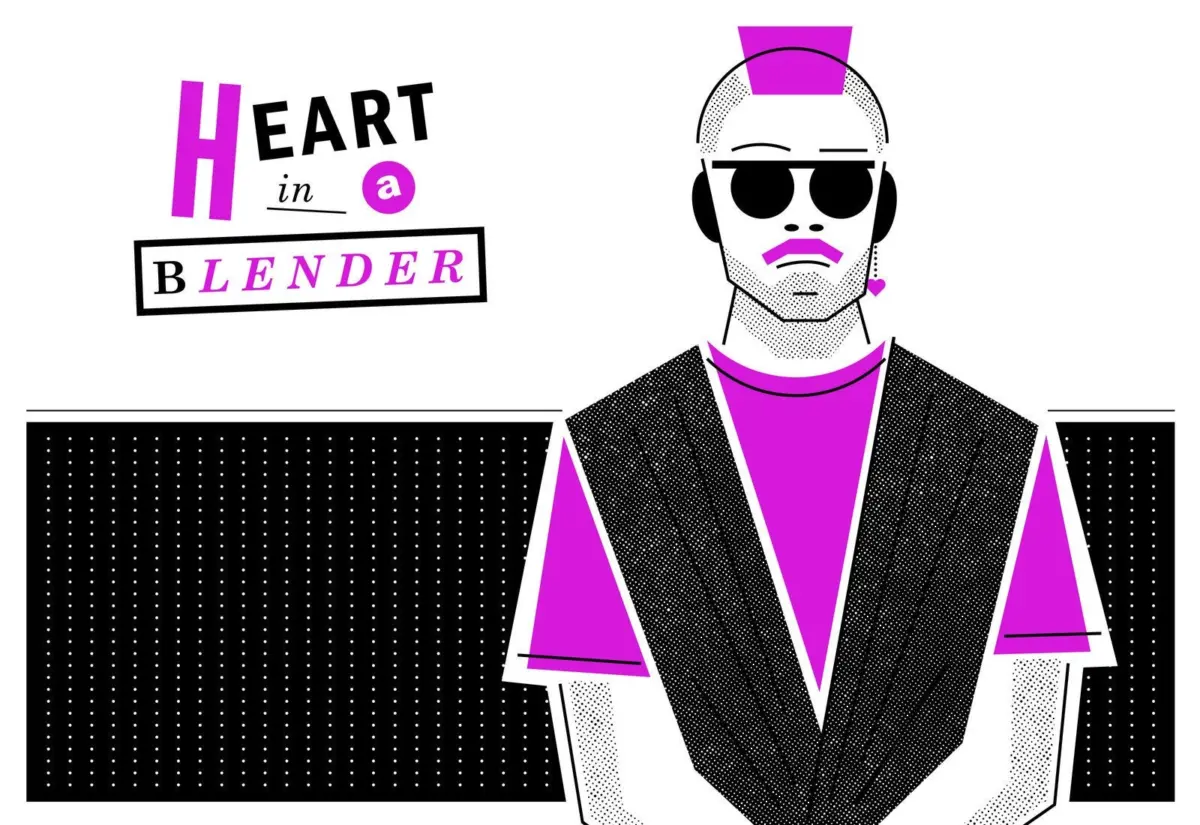
Nowhere is this more acutely felt than in the unconventional advice column hosted by Max Collins, frontman of the 1990s alternative rock band Eve 6. Published via digital media platforms, Collins’ column has inadvertently become a vital lightning rod for raw, unfiltered public anguish. Rather than offering detached platitudes or toxic positivity, Collins leans directly into the prevailing cultural nihilism, validating the very real grief of his readers while grappling with his own limitations as an aging artist.
This report examines the sociological and psychological implications of the correspondence received by Collins—specifically focusing on two distinct letters: one from a university educator navigating the aftermath of a campus mass shooting, and another from a 24-year-old bank worker paralyzed by quarter-life ennui and societal collapse. Through an analysis of these interactions, this piece investigates the broader structural failures of late-stage capitalism, the psychological mechanics of institutional gaslighting, and the fragile, resilient avenues through which individuals attempt to reclaim their humanity amidst structural decay.
Detailed Chronology: The Evolution of Public Discourse and Advice Media
The phenomenon of public figures functioning as secular confessors is not new, but the nature of the correspondence in the 2020s marks a distinct departure from historical norms.
- The Pre-Digital Era of Advice: Historically, columns like "Dear Abby" or Dan Savage’s "Savage Love" addressed interpersonal conflicts, romantic entanglements, and familial dysfunction. While existential dread occasionally surfaced, the foundational assumption of these columns was that individual agency could resolve domestic grievances within a stable, functioning societal framework.
- The Shift to Systemic Despair: By the mid-2020s, the nature of inbound letters shifted dramatically. Correspondents routinely bypassed interpersonal grievances to focus on macro-level crises: climate anxiety, institutional violence, economic disenfranchisement, and the psychological burden of navigating a permanent state of emergency.
- The Inception of the "Eve 6 Guy" Persona: Recognizing that standard advice paradigms were inadequate for an audience experiencing systemic trauma, Collins adopted a candid, self-effacing approach. Rejecting the pretense of expertise, he positioned himself as a peer struggling with the same existential weight as his readers, effectively democratizing the advice format into a shared inventory of cultural grief.
- The Escalation of Campus Trauma: The publication of the first focal letter—written by an anonymous university instructor—captured a grim milestone in the timeline of American institutional life: the transition of higher education from a sanctuary of intellectual pursuit to a site of asymmetrical warfare and administrative bureaucracy.
- The Crystallization of Gen Z/Millennial Anomie: The second focal letter, submitted by a 24-year-old financial sector worker, documented the internal collapse of young adults facing a truncated future, highlighting an era where traditional milestones—homeownership, secure retirement, and bodily autonomy—have been rendered mathematically impossible for a vast demographic.
Supporting Context & Metrics: The Architecture of Modern Anxiety
To understand the weight of the letters received by Collins, one must examine the empirical backdrop against which this psychological distress occurs. The contemporary American landscape is characterized by compounding structural failures that directly correlate with rising rates of depression, anxiety, and generalized anomie.
1. The Proliferation of Gun Violence and Institutional Inadequacy
The United States remains a statistical outlier among developed nations regarding mass violence. According to data tracking systems, the frequency of active shooter incidents has placed unprecedented stress on public infrastructure, particularly educational institutions.
- Security Theater vs. Structural Reform: As noted by the university instructor in Collins’ column, administrative responses to campus shootings frequently favor "security theater"—superficial policy changes designed to mitigate liability rather than address root causes—over meaningful safety measures.
- The Policy Impasse: Despite overwhelming public support for various forms of firearm regulation, the immense lobbying power and political entrenchedness of interest groups have created a legislative gridlock. This stasis fuels a profound sense of powerlessness among citizens, who witness recurring tragedies followed by predictable, cyclical debates that yield zero legislative adaptation.
2. Economic Precarity and the Myth of Meritocracy
For young adults entering the workforce, the economic realities of late-stage capitalism stand in stark contrast to the promises of previous generations.
- The Housing and Wealth Gap: Stagnant wages paired with astronomical inflation in housing, healthcare, and education have structurally foreclosed traditional markers of adulthood for millions under 30.
- The Trauma of the Service and Financial Sectors: Frontline workers in banking, retail, and service industries report high rates of burnout. They are frequently tasked with absorbing the public’s displaced rage, acting as the human interface for institutional policies that prioritize profit over human welfare. As the 24-year-old bank worker articulated, witnessing the systemic destruction of customers’ finances during medical or personal emergencies inflicts secondary trauma on workers who lack the agency to intervene.
Official Statements & Philosophical Dispatches
The dialogue between the correspondents and Max Collins reveals a profound tension between radical systemic critique and the pragmatic necessity of daily survival.
The Instructor’s Dilemma: Navigating the Administrative "Party Line"
In addressing the university educator who signed their letter "Screw Your Thoughts and Prayers," Collins faced an ethical paradox: how does an individual maintain integrity when forced to propagate institutional policies they know to be ineffective?
"If I were you, rather than rage against the machine, I would probably parrot the party line about safety in order to keep my job. Sounds like your only other options would be to quit or get fired, and those don’t do you or your students any good." — Max Collins
Collins’ response rejects empty heroism in favor of tactical endurance. Recognizing that individual resistance within a hostile institutional framework often results in self-sabotage without effecting systemic change, he advocates for a pragmatic realism. To bridge the gap between personal conviction and professional obligation, Collins invokes the Serenity Prayer—not as a religious dogma, but as a secular framework for triage: distinguishing between the macroscopic tragedies one cannot single-handedly dismantle and the immediate sphere of personal influence one can still protect.
The 24-Year-Old’s Gripe: The Fall of Rome and the Search for Meaning
Responding to the self-described "Existential in Denver," Collins addressed the acute paralysis of a generation that feels its future has been canceled before it could begin.
"Depression is not an unreasonable response to senseless mass murder, the revocation of bodily rights, financial precarity, and unfulfilling work… You’re not weird or wrong for having the responses you do to the way the world is."
By validating the reader’s despair, Collins subverts the traditional therapeutic mandate to immediately "fix" or reframe negative emotions. He argues that depression in this context is frequently a rational, empirical assessment of an irrational world. However, he warns against total surrender to nihilism, advocating for the construction of autonomous, unmonetized spaces of joy.
Future Outlook: Finding Agency in the Margins
As society navigates this prolonged period of structural transition, the question remains: how do individuals sustain their psychological health and civic imagination when the overarching systems appear irredeemably broken?
1. The Inevitability of Pushback
Collins posits that systemic change, while currently obstructed, remains inevitable simply because human endurance has a finite limit. Historical precedent demonstrates that prolonged suppression eventually catalyses collective recalibration. However, until macro-level shifts occur, the burden of preservation falls on micro-level resistance.
2. The Prescription for Cultural Resilience
In lieu of systemic solutions, Collins offers a blueprint for personal and communal survival, emphasizing three core tenets derived from his own artistic and psychological recovery:
- Radical Vulnerability: Dismantling the isolation of despair by admitting distress to peers ("I’m not doing well"). Honesty acts as the primary antidote to systemic alienation.
- The Creation of Autonomous Zones: Cultivating rich internal and communal lives—through art, literature, film, and shared human connection—that remain fundamentally inaccessible to the extractive mechanisms of corporate or administrative entities. As referenced through his prescription of Studio Ghibli’s Spirited Away and Fountains of Wayne’s Welcome Interstate Managers, finding art that mirrors the absurdity and mundane tragedy of modern life provides essential catharsis.
- Strategic Triage: Accepting the limits of individual efficacy while fiercely guarding one’s capacity for empathy, forgiveness, and localized care.
Ultimately, the dialogue facilitated by the "Eve 6 Guy" serves as a cultural mirror. It reflects a society exhausted by the cognitive dissonance of functioning normally within an abnormally fractured world. By refusing to offer easy answers while stubbornly insisting on the possibility of human connection and eventual change, these exchanges offer a fragile, necessary roadmap for enduring the unendurable.