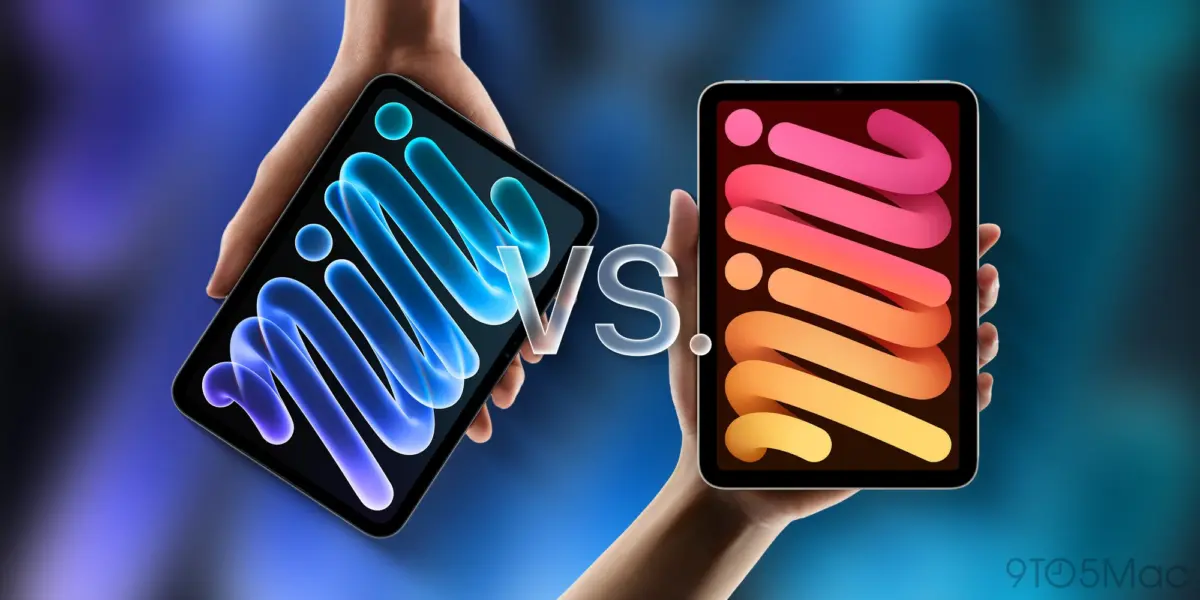
CUERPO, CA — In what Cupertino is calling the most substantial overhaul in the product line’s history, Apple has officially taken the wraps off its completely redesigned iPad mini. Driven by the ferocious processing power of the A20 Pro chip, a transition to OLED display technology, and a heavily modernized chassis layout, the ultra-portable tablet enters a new performance echelon. However, this massive slate of generational upgrades comes with a notable caveat: a higher starting price, a controversial binned silicon strategy across most storage tiers, and a pivot in how Apple packages its hardware for power users.
Executive Overview
For years, the iPad mini has occupied a beloved niche among digital artists, mobile gamers, frequent fliers, and note-takers who wanted full iPadOS functionality in a one-handed footprint. While previous updates brought marginal external refreshes and processor bumps, the newly announced model marks a monumental leap forward.
The headline additions are sweeping. The display has migrated from legacy LCD to a vibrant, high-contrast OLED panel packing a peak brightness of 1,200 nits. Under the hood, the device runs on Apple’s bleeding-edge A20 Pro processor—manufactured on a hyper-efficient 2-nanometer process—though early spec-sheet teardowns reveal a binned architecture for all but the top-tier 512GB configuration. Furthermore, Apple has introduced structural audio innovations through an "Acoustic Display," added IP67 water and dust resistance, integrated Wi-Fi 7 and Bluetooth 6 via custom proprietary silicon, and finally unlocked true extended display support for external monitors.
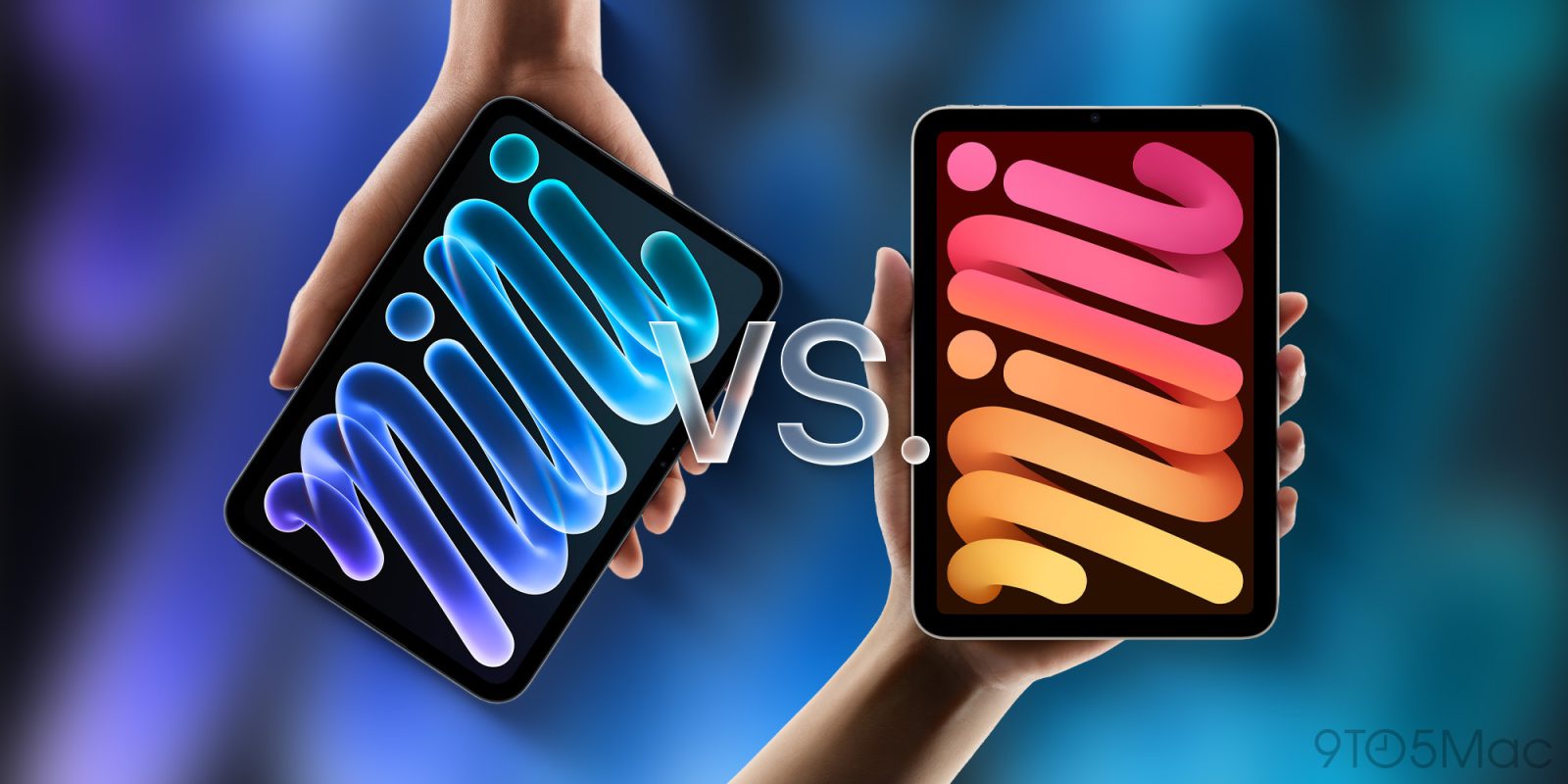
These generational triumphs, however, require a heavier financial investment. The baseline entry cost for the iPad mini has climbed by $100, pushing the starting price to $699. Pre-orders are slated to kick off this Wednesday, October 28, at 10:10 a.m. PT, with physical retail deliveries and shelf availability landing on Friday, November 6.
Detailed Chronology & Design Evolution
A Sleeker, Narrower Footprint
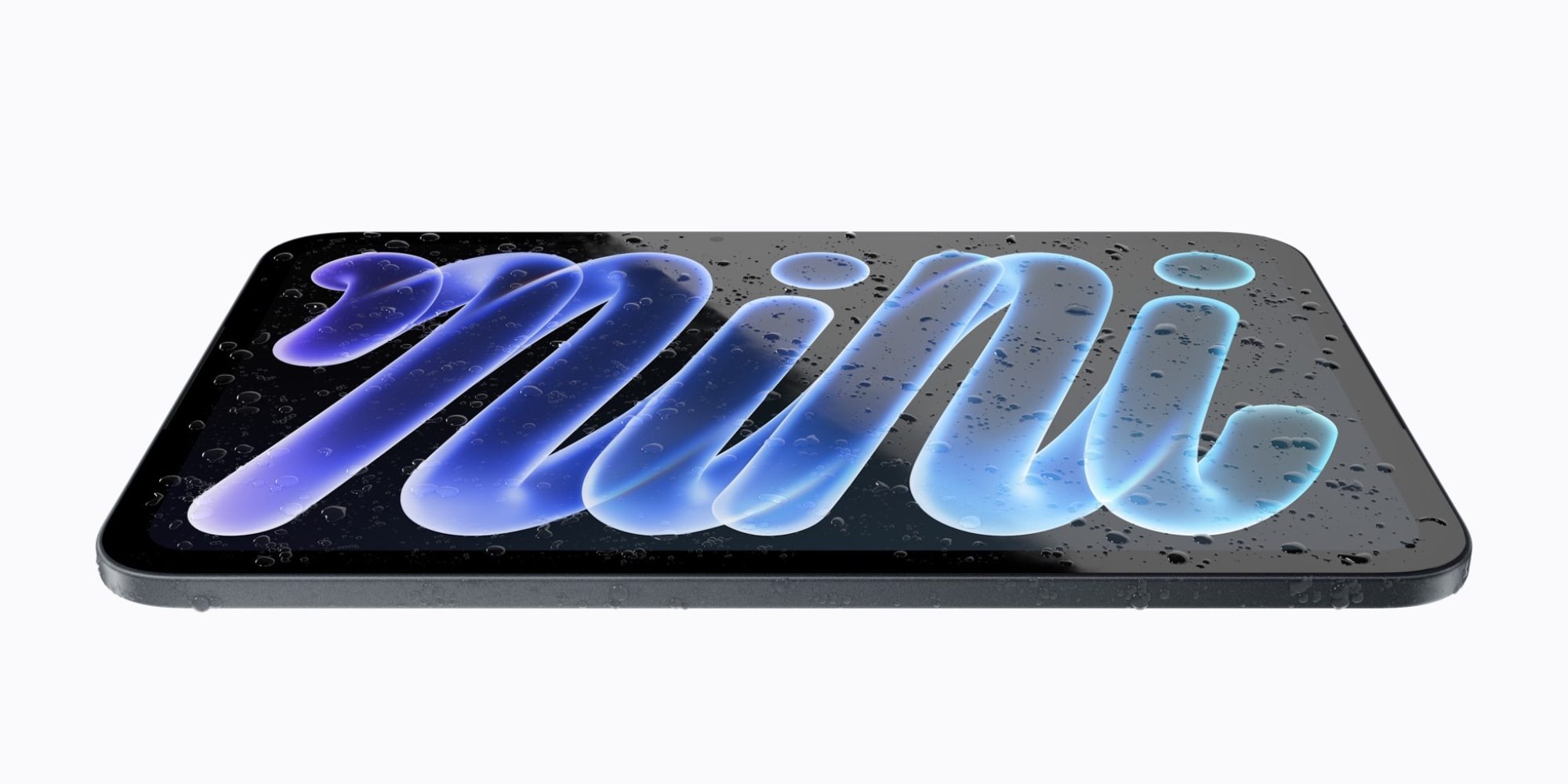
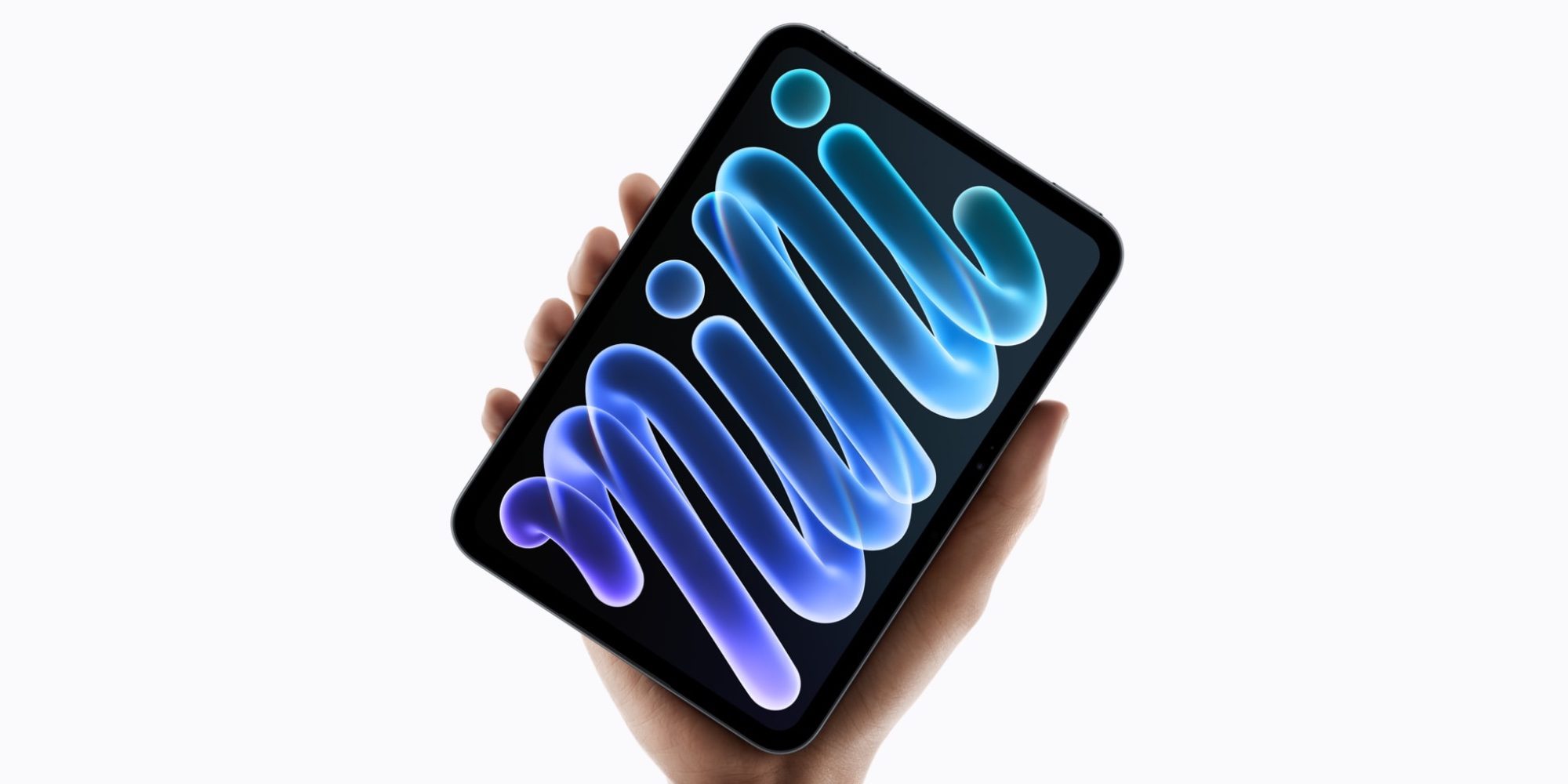
At first glance, the new iPad mini maintains the familiar, sharp-edged industrial design language introduced in recent years, but a closer examination reveals a distinctly more modern profile. Apple’s engineering team has shaved down the surrounding physical bezels, allowing for an expanded screen-to-body ratio without bloating the device’s external dimensions.
In real terms, the tablet is now slightly narrower, measuring 132.6mm wide compared to the previous model’s 134.8mm. Weight has also been reduced, dropping from 293 grams down to 255 grams for the standard Wi-Fi configurations.

Ergonomic and Layout Adjustments
Perhaps the most welcomed practical adjustment is the repositioning of the front-facing Center Stage camera. Long criticized by users who frequently dock or mount their iPads in landscape orientations for video conferencing, the camera sensor has been relocated from the portrait top bezel to the landscape side edge, normalizing eye-level framing during video calls and virtual meetings.
Color options have been streamlined. Apple has retired some of the wider spectrums of previous generations, narrowing the launch lineup down to two core finishes: Midnight and Starlight. Though fewer variants are available, both anodized aluminum finishes have been updated with subtle undertones to reflect Apple’s latest design cues.
Hardware Architecture: Performance, Display, and Connectivity
Display: The Shift to OLED and Nano-Texture
The reduction of the exterior bezels directly translates to a larger canvas, growing from 8.3 inches diagonally to an expansive 8.5-inch display.
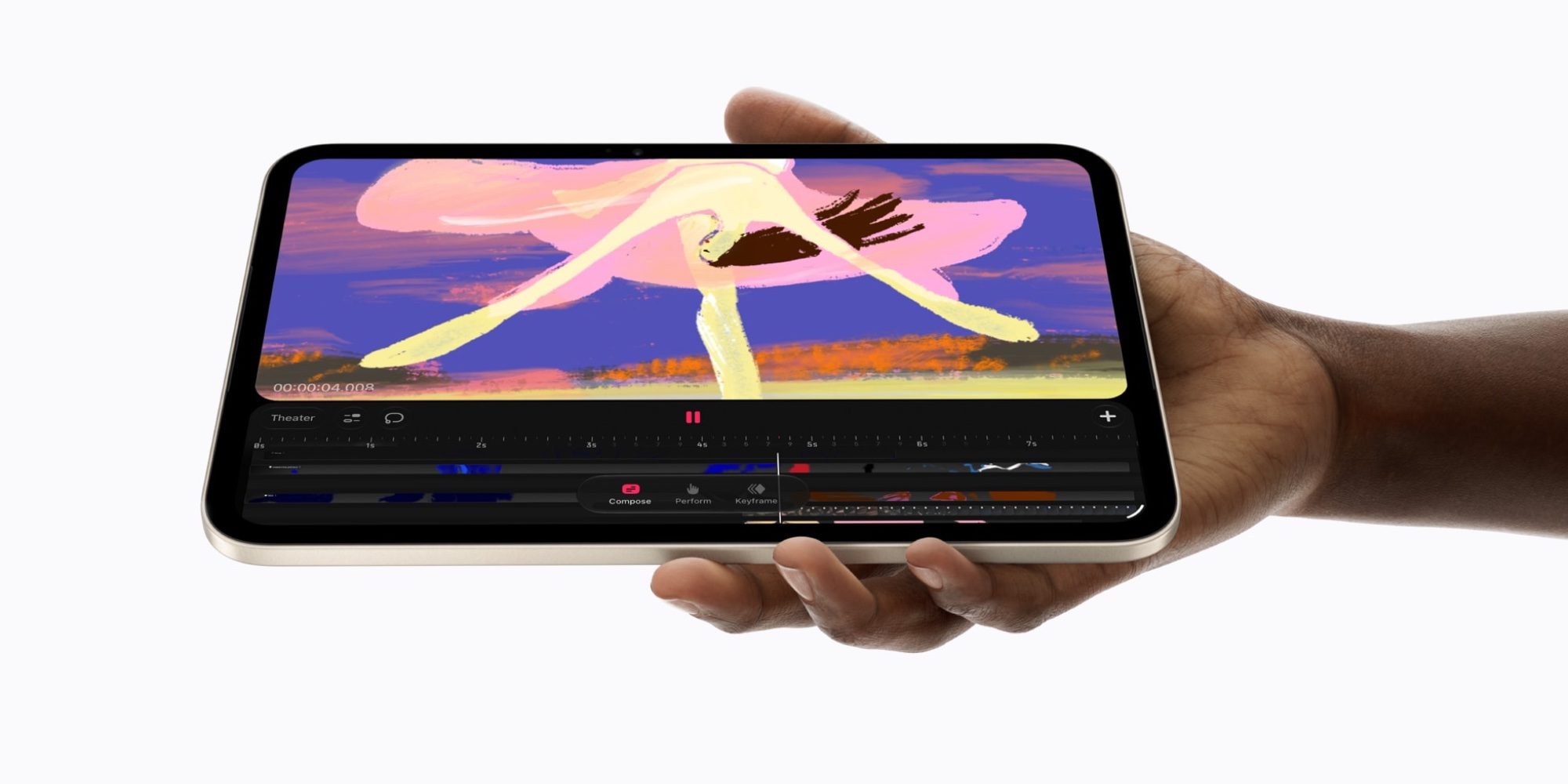
More importantly, the display panel itself has fundamentally evolved. Moving away from traditional LCD technology, the new iPad mini adopts OLED technology. According to Apple’s official engineering notes, this shift enables pixel-level lighting control for infinitely deep blacks, drastically reducing blooming and elevating contrast ratios. It also incorporates full support for the P3 wide color gamut, guaranteeing hyper-accurate, vivid color reproduction for professional photographers and media consumers.
Brightness capabilities have also doubled. The panel achieves a peak outdoor brightness of 1,200 nits—a twofold increase over the previous generation’s 600-nit ceiling. Standard SDR and HDR brightness now comfortably sit at 600 nits (up from 500). For night owls and low-light environments, the display can scale down to a remarkable 1-nit minimum brightness.
Additionally, for the first time in the product line’s history, users opting for storage tiers of 256GB and above can configure their iPad mini with an optional nano-texture glass display, a specialized etched matte surface previously reserved for high-end Pro Display XDRs and iPad Pro models.
Performance Breakdown: The A20 Pro and the Binned Silicon Debate
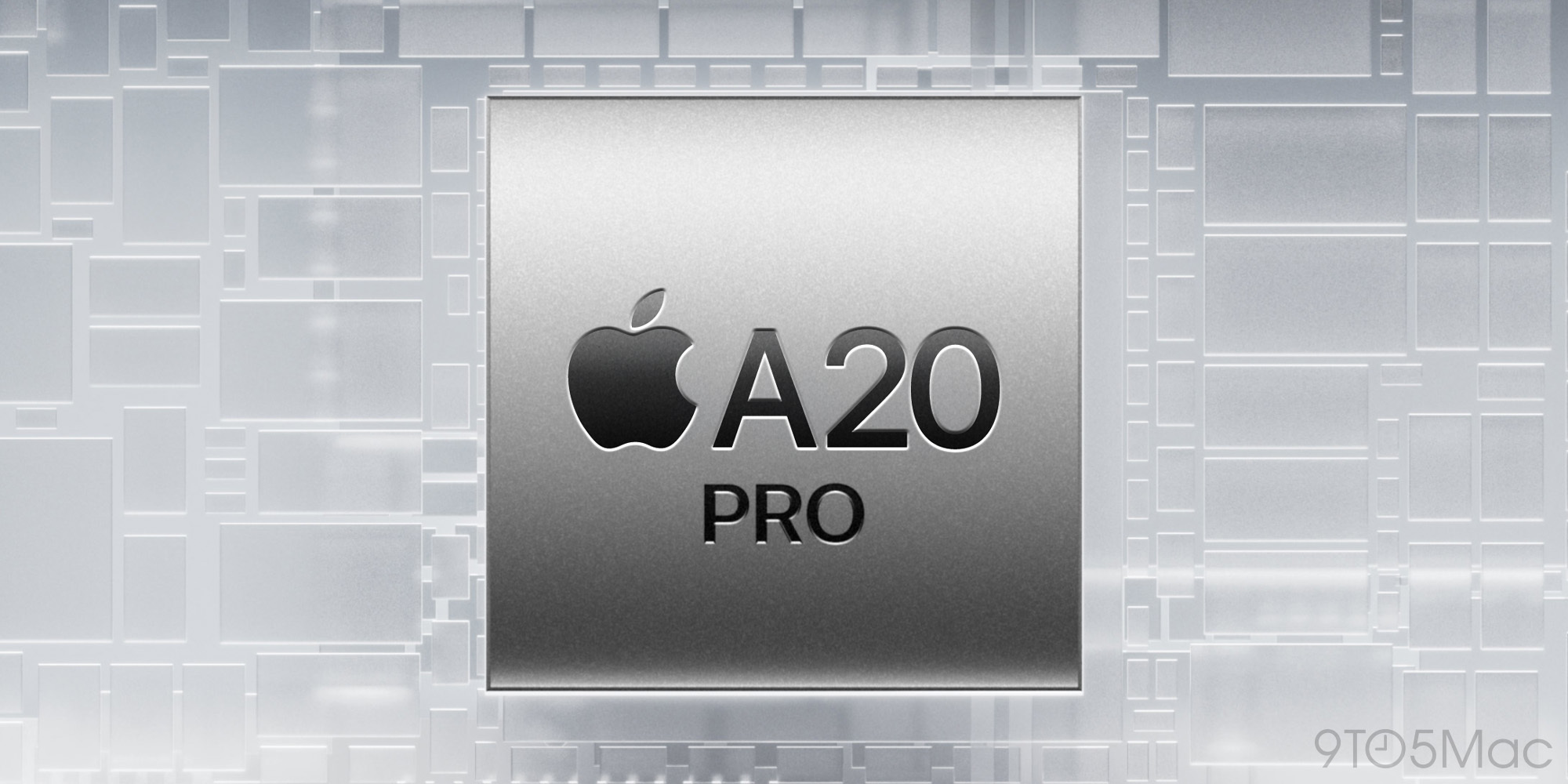
Propelling the device is the A20 Pro chip, Apple’s premier mobile system-on-chip that recently debuted in the iPhone 18 Pro and iPhone Duo families. Fabricated on Apple’s cutting-edge 2-nanometer process technology, the chip features an innovative packaging architecture borrowed directly from the company’s desktop-class M-series processors.
However, a closer look at the technical specifications reveals a controversial hardware strategy. The iPad mini utilizes a binned A20 Pro chip across all models except the top-tier 512GB variant:
- The 512GB Flagship Model: Features the uncompromised A20 Pro with a 6-core CPU, a 7-core GPU equipped with Neural Accelerators in every core, and a Dual 16-core Neural Engine. This configuration delivers up to 4.5x faster AI performance and a 2.7x jump in graphics rendering (including hardware-accelerated ray tracing and mesh shading) compared to the A17 Pro.
- The Base & Mid-Tier Models (Under 512GB): Feature a binned iteration equipped with 5 CPU cores rather than 6, and crucially, they lack the Dual Neural Engine setup, relying instead on a standard single 16-core Neural Engine.
Consumers must take note: Apple’s aggressive marketing claims of up to 60% faster multithreaded performance and maximum AI throughput apply strictly to the most expensive, maxed-out storage tier.
Connectivity and Acoustic Innovations
Wireless capabilities receive a massive upgrade through the integration of Apple’s proprietary N1 and C2 wireless chips:
- Wi-Fi 7 replaces Wi-Fi 6E.
- Bluetooth 6 replaces Bluetooth 5.3.
- A custom Apple C2 cellular modem replaces the third-party Qualcomm solutions of past generations.
Audio has also been fundamentally re-engineered. Abandoning traditional stereo speaker grilles, the tablet features an Acoustic Display speaker system. Specially designed woofers vibrate through the display substrate to pump out deeper bass and greater volume, while custom tweeters are cleverly concealed between the glass surface and the aluminum housing to deliver pristine, clear highs.
This acoustic redesign creates a completely sealed structural enclosure, granting the iPad mini official IP67 water and dust resistance—making it vastly more resilient against accidental spills, rain, and outdoor working environments.
Power delivery has similarly been accelerated. While exact battery capacities remain proprietary, Apple states the device supports rapid charging capable of recovering up to 50% battery capacity in just 30 minutes when paired with a 35W or higher power adapter.
Finally, power users rejoice: the new iPad mini fully supports extended display mode when connected to external monitors. Previous generations were strictly limited to screen mirroring; the A20 Pro model now permits a true dual-screen desktop workspace ideal for multitasking with windowed apps.
Supporting Context & Metrics
| Specification Feature | New iPad mini (A20 Pro) | Previous iPad mini (A17 Pro) |
|---|---|---|
| Display Technology | OLED (Pixel-level lighting) | IPS LCD |
| Screen Size | 8.5 inches | 8.3 inches |
| Peak Brightness | 1,200 nits | 600 nits |
| Processor | A20 Pro (2nm) — Binned on sub-512GB tiers | A17 Pro |
| AI Processing (Max) | Up to 4.5x faster (512GB model) | Baseline A17 Neural Engine |
| Durability | IP67 Water and Dust Resistance | Unrated |
| Audio | Acoustic Display (In-screen woofers/tweeters) | Traditional stereo speakers |
| Wireless Standards | Wi-Fi 7, Bluetooth 6, Apple C2 Cellular | Wi-Fi 6E, Bluetooth 5.3, Qualcomm Cellular |
| External Display | Full Extended Display Mode | Mirroring Only |
| Starting Price | $699 | $599 |
Official Statements & Industry Reception
In its official press room announcement, Apple emphasized the transformative nature of the release:
"A20 Pro delivers a giant leap in performance for iPad mini, significantly boosting graphics and AI-intensive tasks… Powered by a 7-core GPU with Neural Accelerators in each GPU core, iPad mini delivers up to 4.5x faster AI performance than the previous generation — perfect for AI tasks ranging from running on-device models in creative apps to running local LLMs."
Industry analysts have praised the inclusion of OLED, IP67 protection, and Wi-Fi 7, noting that the form factor remains completely unmatched in the broader tablet marketplace. However, tech commentators have expressed mixed reactions regarding the pricing shift and the binned silicon discrepancy. Pushing the base entry price from $599 to $699 places the small-form-factor device firmly into the territory traditionally occupied by standard-sized base iPads and entry-level iPad Airs, potentially pricing out casual consumers who simply want a small reading and media consumption tool.
Future Outlook
Apple’s decision to position the iPad mini as a high-end, highly capable professional machine rather than a casual companion device signals a shift in the company’s product hierarchy. By injecting top-tier 2-nanometer silicon, nano-texture glass options, and extended external display support into an 8.5-inch chassis, Apple is targeting a specialized demographic: field technicians, mobile journalists, digital artists, and enterprise professionals who demand uncompromised performance in a pocketable footprint.

As pre-orders open this Wednesday, October 28, the true test will be how the market responds to the $699 baseline price and whether consumers embrace the performance segmentation found in the binned A20 Pro chips. One thing is certain: the iPad mini is no longer just a smaller, scaled-down tablet—it is a technological powerhouse packaged in miniature.