Executive Overview
The landscape of online multiplayer gaming has long been shadowed by the clandestine ecosystems of real-money trading (RMT). For as long as persistent worlds have existed, enterprising exploiters and black-market syndicates have sought to monetize the virtual sweat, tears, and grinding hours of legitimate players. Among all massively multiplayer online role-playing games (MMORPGs), Blizzard Entertainment’s flagship franchise, World of Warcraft, holds a uniquely storied history with the illicit gold economy.
From the nostalgic days of cryptic website URLs spelled out across the barren landscapes of the Barrens using fallen player corpses, to modern, highly sophisticated automated botting rings, gold-selling has always been a persistent thorn in the side of the development team. Historically, Blizzard’s enforcement strategy regarding those who purchased currency—as opposed to the botters and operators who generated it—could charitably be described as conservative. Slapping wrists with temporary suspensions or short-term account lockouts was the industry standard, inadvertently cultivating a permissive culture among high-spending players who viewed minor penalties as a mere cost of doing business.
However, a definitive turning point has arrived. During a recent comprehensive developer Q&A session, Senior Game Designer Josh Greenfield stepped forward to deliver an uncompromising message to the community regarding the upcoming World of Warcraft: Forever. Addressing lingering anxieties surrounding player-driven economies, high-stakes bidding systems like "gold dragon kill points" (GDKP), and widespread RMT, Greenfield made it abundantly clear that the era of leniency is officially over. Blizzard is pivoting toward a posture of aggressive, permanent accountability. For a player base deeply invested in the historical integrity of Azeroth, this regulatory shift represents a monumental recalibration of how the studio intends to protect its virtual economy from systemic hyperinflation and collapse.
Detailed Chronology: The Evolution of World of Warcraft‘s Underground Economy
To fully appreciate the gravity of Greenfield’s recent statements, one must trace the historical trajectory of the World of Warcraft black market, mapping how underground trading evolved from rudimentary nuisance to institutionalized disruption.
The Classic Era: Crude Tactics and Scarcity
Back in the vanilla days of World of Warcraft and the subsequent Wrath of the Lich King expansion, virtual gold was a genuinely scarce commodity. Earning enough gold to purchase an epic flying mount required hours of dedicated farming, dungeon grinding, or playing the auction house with shrewd business acumen. This acute scarcity birthed an aggressive underground market.
Gold-selling operations relied heavily on brute-force advertising. Players would frequently log into capital cities like Stormwind or Orgrimmar to find swarms of low-level characters exploiting geometry or clipping through terrain to spam chat channels. Even more notoriously, botting programs would orchestrate coordinated "suicide runs," manipulating character corpses to spell out URLs across popular questing paths. At the time, Blizzard’s countermeasures were largely reactive. The company focused heavily on squashing the supply side—banning automated bot accounts en masse—while treating the consumer side of the transaction with kid gloves.
The Rise of Modern Exploits and GDKP
As the game matured and expanded into contemporary iterations and classic re-releases, the methods of wealth generation and laundering grew exponentially more complex. Modern RMT operations transcended simple chat spam, migrating to encrypted Discord servers, black-market auction sites, and complex web storefronts utilizing real-world currencies to deliver millions of virtual gold pieces within minutes.
Concurrently, community-driven raid coordination systems evolved. GDKP (Gold Dragon Kill Points) runs became a lightning rod for controversy. In a GDKP raid, participants bid on dropped loot using raw gold rather than traditional DKP systems or rolling. At the end of the raid, the accumulated gold is split among the raiders. While proponents argue that GDKP incentivizes geared players to carry alt characters and casuals through difficult content, critics and developers alike recognize it as a primary engine for real-money trading. Players lacking the time to grind legal gold turn to illicit RMT websites to acquire the fortunes necessary to outbid competitors for bis (best-in-slot) gear, effectively transforming endgame progression into a pay-to-win marketplace.
The Turning Point: Greenfield’s Ultimatum
The breaking point arrived as Blizzard began laying the structural foundations for World of Warcraft: Forever. Recognizing that community trust is inextricably linked to economic fairness, leadership realized that carrying over lenient enforcement policies would spell doom for the project’s long-term viability.
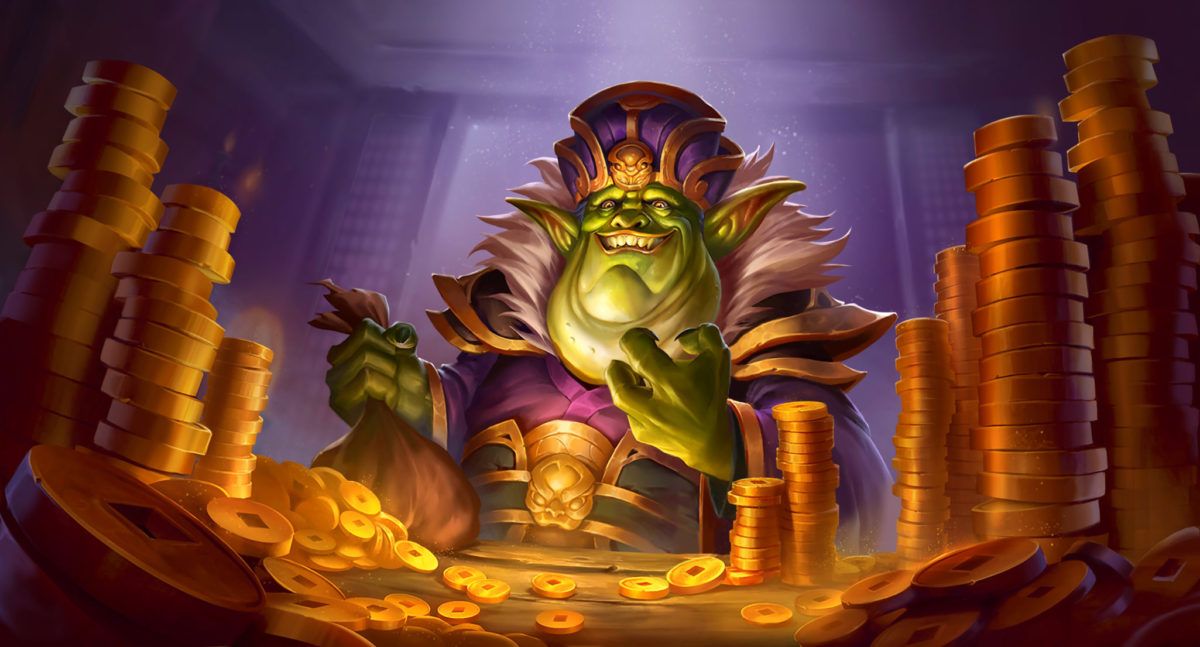
Josh Greenfield’s public declaration marks the formal end of the historical grace period. By explicitly warning that gold buyers will face permanent, unyielding account termination—regardless of the account’s historical age or sentimental value—Blizzard has fundamentally rewritten the social contract between the developer and the consumer regarding black-market participation.
Supporting Context & Metrics: The Fragile Ecosystem of Virtual Currencies
The economic health of an MMORPG is remarkably similar to that of a sovereign national economy. When unregulated, hyper-inflationary forces take root, the foundational fabric of the game begins to fray at an alarming rate.
The Mechanics of Hyperinflation
In a healthy MMO economy, wealth generation is naturally bounded by the time and effort required to acquire goods and services. When third-party sellers inject billions of illegitimately farmed or duplicated gold pieces into the ecosystem, the money supply vastly outstrips the demand for standard in-game items.
The immediate symptom of this imbalance is skyrocketing inflation. Basic crafting reagents, consumables, and gear upgrades become prohibitively expensive for legitimate, hard-working players who refuse to engage with RMT services. Consequently, casual players find themselves completely priced out of the auction house, unable to fund raid preparations or participate meaningfully in group content.
The Death of Tradeskills
Beyond general inflation, an unchecked gold market fundamentally undermines the value of player agency and professions. Why spend dozens of hours leveling gathering skills, farming rare nodes, or crafting high-end equipment when a competing player can bypass the entire progression loop by swiping a credit card?
When RMT devalues tradeskills, it hollows out the middle class of the game’s society. New and intermediate players lose their primary avenues for upward economic mobility, leading to widespread burnout, server stagnation, and a precipitous decline in active subscriptions. Greenfield specifically highlighted this existential threat, noting that protecting the sanctity of player trading and the intrinsic value of learning a tradeskill is paramount to maintaining a vibrant, engaged community.
Official Statements and Industry Insights
The gravity of Blizzard’s new stance was articulated directly by Senior Game Designer Josh Greenfield during the high-profile developer Q&A session. Cutting through corporate obfuscation, Greenfield delivered an unvarnished assessment of past institutional failures and outlined the uncompromising future of account enforcement.
"Being frank, we’ve been probably too lenient on gold buyers and it’s been a little bit easy to get around some of our actions before and we are taking it very seriously," Greenfield stated during the broadcast, acknowledging the community’s long-standing frustrations with historically weak disciplinary actions.
Emphasizing the permanent, irreversible consequences awaiting rule-breakers in World of Warcraft: Forever, Greenfield offered a personal appeal backed by his own tenure within the community:
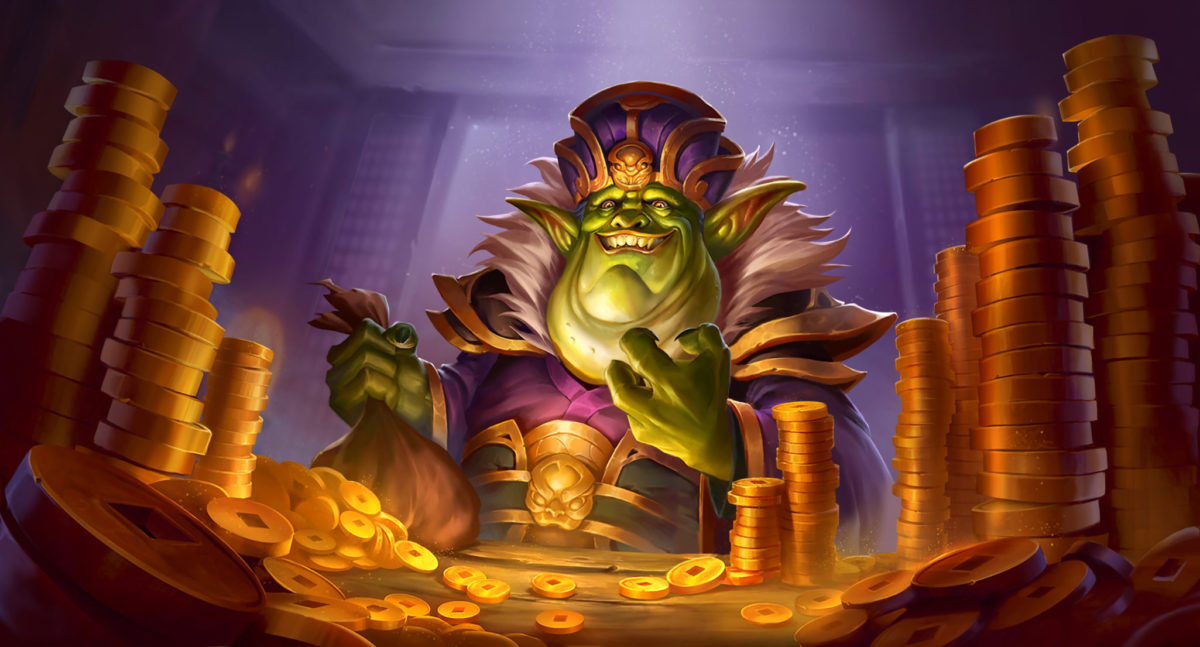
"As someone who’s got a 22-year-old World of Warcraft account I can tell you it’s not worth losing it permanently, it’s not worth losing any of your accounts permanently, so I would very strongly recommend [you] don’t do it, it’s not worth it."
Industry analysts and veteran MMO journalists have widely praised the candor of these remarks. For years, the community consensus was that Blizzard’s reluctance to permanently ban high-profile spenders was driven by short-term financial retention metrics. By signaling an uncompromising approach—targeting the demand side (the buyers) with the same ferocity traditionally reserved for the supply side (the botters)—Blizzard is taking a monumental step toward restoring systemic integrity.
Future Outlook: Challenges and Vigilance Ahead
While Greenfield’s promises represent a monumental victory for fair-play advocates, the ultimate test will lie in execution. Translating rhetorical zero-tolerance policies into day-to-day moderation within a massive, global MMORPG environment is an extraordinarily complex undertaking.
The Beta vs. Live Disconnect
Skeptics within the community have rightly pointed out that enforcing strict anti-RMT policies during a testing phase or beta period is relatively straightforward. Players care little about accumulating immense virtual wealth on temporary servers that are bound to be wiped or sunsetted. The true trial by fire will occur post-launch, when persistent progression, competitive raiding tiers, and high-value prestige items collide with real-world financial incentives. Blizzard’s automated detection algorithms and human moderation teams will need to remain endlessly vigilant to catch sophisticated laundering techniques, such as inflated auction house transactions and veiled guild bank transfers.
Lessons from Other Online Economies
The challenges facing World of Warcraft: Forever are not isolated within the gaming industry. Other prominent online titles featuring complex player-driven economies—such as Grinding Gear Games’ action RPG franchise, particularly the rollout and evolution surrounding Path of Exile 2—offer stark cautionary tales. In economies built entirely around the trade of rare drops and currency items, a single unaddressed exploit or regulatory loophole lasting merely a few hours can cause permanent, catastrophic ripples through item valuation.
As Greenfield noted, Blizzard intends to utilize dynamic "tuning knobs" designed to actively monitor and control supply and demand parameters within World of Warcraft: Forever. However, reactive tuning alone will not suffice. The developer must pair its algorithmic adjustments with rapid-response human moderation and swift, highly publicized ban waves to deter prospective buyers before they risk their decades-old accounts.
Conclusion: A Defining Moment for Azeroth
World of Warcraft: Forever stands at a critical historical crossroads. By publicly acknowledging past leniency and drawing a permanent, unyielding line in the sand against real-money trading, Blizzard has demonstrated a renewed commitment to the foundational principles that made Azeroth a cultural phenomenon two decades ago.
Whether these ambitious promises translate into a permanently clean, balanced economic utopia remains to be seen. Yet, for the millions of veterans and newcomers preparing to step back into the world, hearing leadership validate their frustrations and vow to protect the sanctity of their time and effort is a profoundly encouraging start. The warning has been delivered loud and clear: in the future of World of Warcraft, a loaded wallet will no longer buy immunity, and the price of cutting corners may very well be everything you’ve ever built.