Executive Overview
The romantic comedy landscape has undergone a seismic shift in recent years, driven heavily by the explosive reach of BookTok and internet fandom culture. On September 23, Prime Video will debut its highly anticipated feature film adaptation of Ali Hazelwood’s 2021 New York Times bestseller, The Love Hypothesis. What appears on the surface to be a cut-and-dry adaptation of a contemporary campus rom-com actually boasts a fascinating origin story deeply embedded in digital pop culture history.
Originally conceived as Star Wars fan fiction born out of sheer creative frustration, Hazelwood’s narrative initially sought to "fix" the controversial relationship arcs of Rey and Kylo Ren/Ben Solo following the polarizing release of Star Wars: The Rise of Skywalker. The resulting transformation of these iconic characters into a contemporary STEM-focused romance novel captured the global imagination, transitioning from digital text files to an international publishing juggernaut.
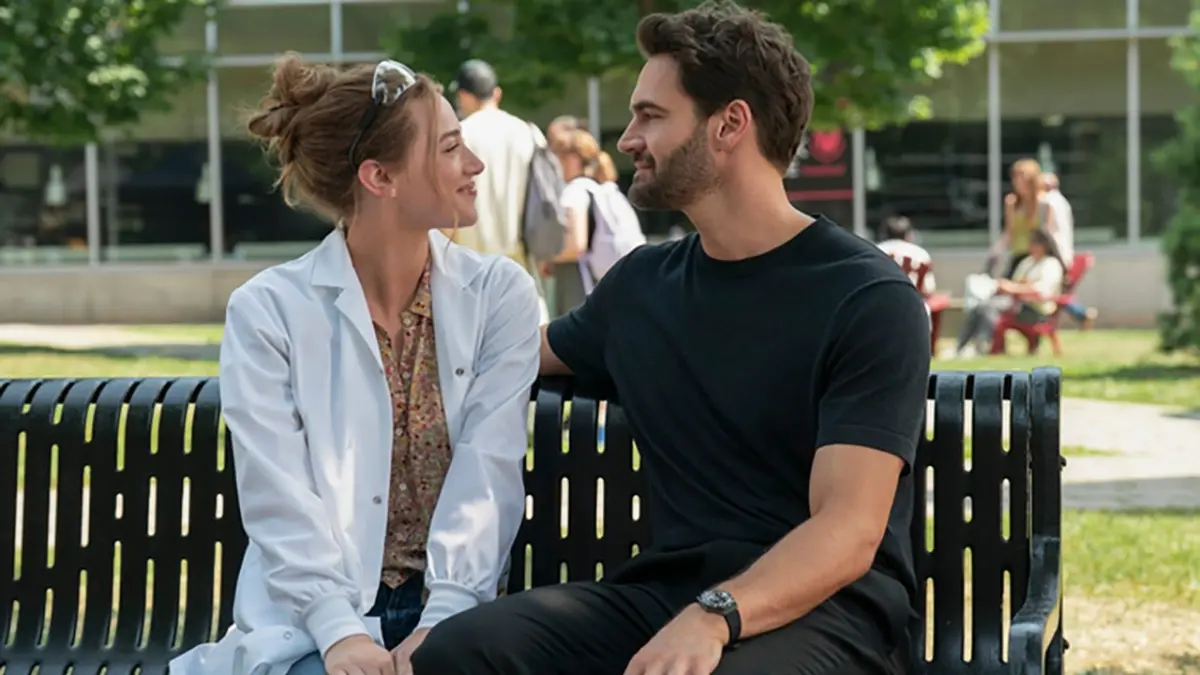
Directed by Claire Scanlon (The People We Hate at the Wedding) and written by Sarah Rothschild, the Prime Video adaptation stars Lili Reinhart as Olive Smith and Tom Bateman as Dr. Adam Carlsen. The film carefully walks a double line: it serves as an accessible, charming, and genuinely funny romantic comedy for mainstream viewers, while simultaneously functioning as a meta-textual Easter egg hunt laden with winks and nods for the die-hard Star Wars fans who followed the story from its earliest days on internet archiving platforms. By balancing earnest emotional stakes, a celebration of female friendship, and sharp satirical jabs at traditional romance tropes, The Love Hypothesis arrives as a major test case for how modern intellectual property migrates from decentralized fan communities to major studio streaming releases.
Detailed Chronology
The Catalyst: Fandom Disillusionment and the Birth of a Manuscript
The genesis of The Love Hypothesis dates back to late 2019 and early 2020, following the theatrical run of Star Wars: The Rise of Skywalker. A vast segment of the science-fiction fandom—often colloquially referred to in shipping circles as "Reylos"—expressed immense dissatisfaction with how the sequel trilogy concluded the narrative arcs of Rey and Ben Solo. Among these disillusioned fans was author Ali Hazelwood, a neuroscientist by training, who channeled her creative grievances into a transformative writing project.
Rather than letting the tragedy and perceived narrative missteps of Episode IX stand, Hazelwood rewrote the dynamic between the scavenger-turned-Jedi and the brooding dark-side scion into an alternate, contemporary academic setting. She transposed the intimidating, dark-clad persona of Kylo Ren into a stern, unyielding Stanford professor nicknamed "the departmental Darth Vader," while reimagining the resilient heroine as a brilliant, overworked third-year doctoral student. This alternate universe (AU) fan fiction gained a passionate following online, proving that the core emotional beats of the dynamic possessed a powerful, universal resonance entirely independent of a galaxy far, far away.
From Digital Archive to Publishing Phenomenon
Recognizing the commercial and emotional viability of the characters she had shaped, Hazelwood filed the serial numbers off the Star Wars inspiration, reworked the world-building to fit the high-stakes ecosystem of academic research, and submitted the manuscript for traditional publication.
Released in the fall of 2021, The Love Hypothesis became an instant runaway success. Propelled by word-of-mouth recommendations, aesthetic mood boards, and impassioned video reviews on TikTok’s BookTok community, the novel spent months on the New York Times bestseller list. It struck a nerve with readers craving smart, trope-aware romance featuring competent women in STEM, institutional power dynamics, and the delicious agony of the "fake dating" convention.
Adaptation, Casting, and the Prime Video Greenlight
The cinematic rights to the novel were quickly snapped up, setting in motion a multi-year development pipeline aimed at translating the book’s internalized academic anxieties and palpable chemistry onto the screen. Under the guidance of director Claire Scanlon and screenwriter Sarah Rothschild, the production team faced the delicate task of honoring the text’s academic backdrop while streamlining its pacing for a feature-length film format.
The casting of Lili Reinhart as Olive Smith and Tom Bateman as Dr. Adam Carlsen anchored the project in established star power. Filming progressed through meticulous production schedules designed to capture the chilly, fluorescent-lit corridors of Stanford University contrasted with the warm, chaotic interior lives of graduate students finding their footing. As the September 23 release date on Prime Video approaches, the film stands as one of the streaming giant’s premier prestige-pop-culture releases of the autumn season.
Supporting Context & Metrics
The Science of Romance: Themes and Adaptational Choices
Translating a 300+ page novel into a 110-minute film naturally requires narrative compromises. In Sarah Rothschild’s screenplay, some of the deeply granular STEM-centric aspects of Hazelwood’s book are intentionally watered down to maintain narrative momentum. However, the film successfully integrates creative homages, most notably a lively sequence nodding to Martha Coolidge’s 1985 classic science comedy Real Genius, which visually grounds Olive’s intellectual world in rich cinematic history.
Conversely, the story’s primary antagonist—the institutional gatekeeper and unethical academic figure who threatens Adam Carlsen’s grant money—receives noticeably less screen time than he does on the page. In the novel, this adversary serves as a more potent, multi-layered obstacle. In the film adaptation, the villain is streamlined, remaining a relatively one-note figure of academic obstructionism.
Crucially, Rothschild repurposes that saved screen time to elevate the relationship between Olive and her best friend, Anh (played by Rachel Marsh). The deep, ride-or-die sisterhood between these doctoral candidates forms the emotional bedrock of the film. It justifies the absurd narrative contortions of the "fake dating" plotline, ensuring that Olive’s motivations are rooted not just in romantic desperation, but in the fierce loyalty of found family.
The Anatomy of the Cast and Performances
- Lili Reinhart as Olive Smith: Reinhart brings a grounded, vulnerable authenticity to the overworked Stanford PhD student. While undeniably glamorous, she effectively conveys the social awkwardness, financial strain, and imposter syndrome familiar to graduate students everywhere.
- Tom Bateman as Dr. Adam Carlsen: Bateman manages the difficult tightrope walk of playing a character feared across campus who gradually reveals a deeply tender, fiercely protective core. His chemistry with Reinhart anchors the film’s slow-burn transition from mutual panic to genuine romance.
- Rachel Marsh (Anh) and Jaboukie Young-White (Malcolm): Marsh and Young-White provide stellar comedic backup, landing sharp punchlines and highlighting the eccentric ecosystem of graduate school friendships. Their reactive timing elevates the silliness of the fake-dating setup into believable, laugh-out-loud comedy.
Easter Eggs and Fandom Integration
For the segment of the audience tracking The Love Hypothesis back to its Star Wars fan-fiction roots, the production has loaded the film with subtle winks. Director Claire Scanlon and the sound design/composition teams—incorporating musical themes reminiscent of composer Laura Karpman alongside deliberate red-and-blue color framing—have crafted an affectionate meta-textual layer. These touches ensure that the community which built the book’s initial momentum feels directly acknowledged and respected by the studio machinery.
Official Statements
While the creative team has navigated the unique transition from copyrighted digital spaces to authorized studio IP with care, the overarching commentary surrounding the film emphasizes earnest storytelling over cynical capitalization.
Director Claire Scanlon noted in early press materials that the core of the project relied entirely on preserving the emotional sincerity of the source material:
"At its heart, The Love Hypothesis is a gentle satire of romance tropes, especially enemies-to-lovers, and a celebration of female friendship. Both sound potentially hokey, but our creative team understood what made the book a hit and how to translate it here. We let the tone be earnest yet firmly tongue-in-cheek, allowing the cast to weave their magic."
Author Ali Hazelwood has similarly reflected on the surreal trajectory of her writing career, acknowledging the profound impact that digital fandom platforms have had on contemporary publishing economics. Though the Star Wars names have long been filed off, the emotional architecture built by reader communities remains the engine that propelled her academic romance into Hollywood boardrooms.
Future Outlook
The launch of The Love Hypothesis on Prime Video on September 23 carries implications that stretch far beyond a single streaming window. Its performance will provide critical data points for several major industry trends:
- The Viability of Fan-Fiction-to-Screen Pipelines: As studios increasingly scour platforms like Wattpad, Archive of Our Own (AO3), and TikTok for pre-validated intellectual property, the success of The Love Hypothesis will test whether stories born from transformative works can successfully satisfy both mainstream audiences and discerning fandom veterans.
- The Primacy of BookTok Adaptations: With romance and young adult literature dominating bestseller lists via social media recommendations, streamers are eager to capture built-in audiences. A strong showing for Reinhart and Bateman’s vehicle could accelerate development on Ali Hazelwood’s subsequent novels, such as Love on the Brain and Check & Mate.
- The Evolution of the Cinematic Rom-Com: As mid-budget romantic comedies increasingly find their home on subscription video-on-demand (SVOD) services rather than theatrical windows, films like The Love Hypothesis prove that high-concept premises, recognizable young casts, and self-aware genre humor can successfully drive subscriber engagement and cultural conversation.
Ultimately, The Love Hypothesis arrives not just as a charming, funny, and chemistry-laden romance, but as a fascinating cultural artifact—a bridge connecting the private creative impulses of internet fandom to the dazzling, high-gloss reality of global streaming entertainment.