Executive Overview
Apple’s hardware roadmap for the smart home ecosystem is undergoing a significant evolution. According to recent reports from Bloomberg’s Mark Gurman, Apple is preparing to unveil a fresh wave of smart home hardware on October 13, highlighted by the anticipated debut of the "HomePad"—a dedicated smart home hub designed to anchor the company’s ambient computing ambitions.
However, amidst this aggressive push into a fresh product category, prospective buyers eyeing an audio upgrade will have to exercise patience. The company’s flagship, full-size HomePod will notably absent from next month’s rollout. While Apple intends to eventually refresh its premier standalone speaker with advanced Apple Intelligence capabilities and a modernized conversational interface, internal development timelines mean that the high-end audio device will miss the upcoming October window.
This strategic decision leaves the larger HomePod momentarily stranded on legacy software architecture, even as smaller ecosystems within the Apple home portfolio migrate toward next-generation AI. As Apple positions itself to finally capture meaningful market share in the fiercely contested smart home arena, the phased rollout of its hardware signals both an aggressive commercial strategy and a cautious approach to integrating complex generative AI features into localized edge devices.

Detailed Chronology: The Evolution of Apple’s Smart Home Roadmap
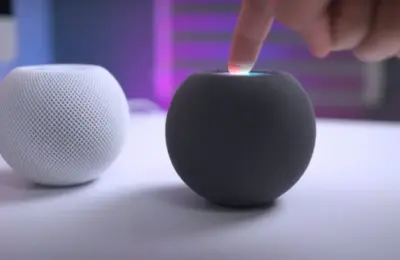
To understand why the full-size HomePod has been sidelined for the immediate future, it is necessary to examine the timeline of Apple’s recent smart home developments. For years, Cupertino’s smart home strategy was widely perceived by industry analysts as fragmented. While the HomePod mini found a comfortable niche as an affordable entry-level speaker and the Apple TV 4K served capably as an occasional HomeKit hub, Apple lacked a dedicated, centralized hardware interface to rival dedicated smart displays from Amazon and Google.
Rumors regarding a consolidated smart home device—colloquially and formally referred to in reports as the "HomePad"—began to crystallize earlier this year. In April, supply chain tracking and insider leaks indicated that Apple had up to four distinct home-centric hardware products queued in its pipeline. At the time, industry watchers speculated that a comprehensive refresh across the entire home lineup, including a successor to the second-generation full-size HomePod, would occur simultaneously.
As the calendar turned toward autumn, however, the execution strategy shifted. Reports confirmed that the October 13 event would prioritize the launch of the new HomePad smart home hub, alongside targeted updates to existing hardware lines. Yet, the anticipated flagship speaker failed to secure a spot in the upcoming release manifest. According to sources familiar with the matter, Apple’s engineering teams chose to decouple the full-size HomePod from the October batch, prioritizing stability and the seamless localized processing required for advanced on-device AI integration.
Supporting Context & Metrics: The Technical Hurdle of AI on Audio Hardware
The delay of the full-size HomePod sheds light on the complex hardware and software engineering required to bring conversational artificial intelligence to ambient audio devices. When Apple first introduced Apple Intelligence, the processing demands necessitated modern silicon architectures equipped with robust Neural Engines.
The Silicon and Memory Bottleneck
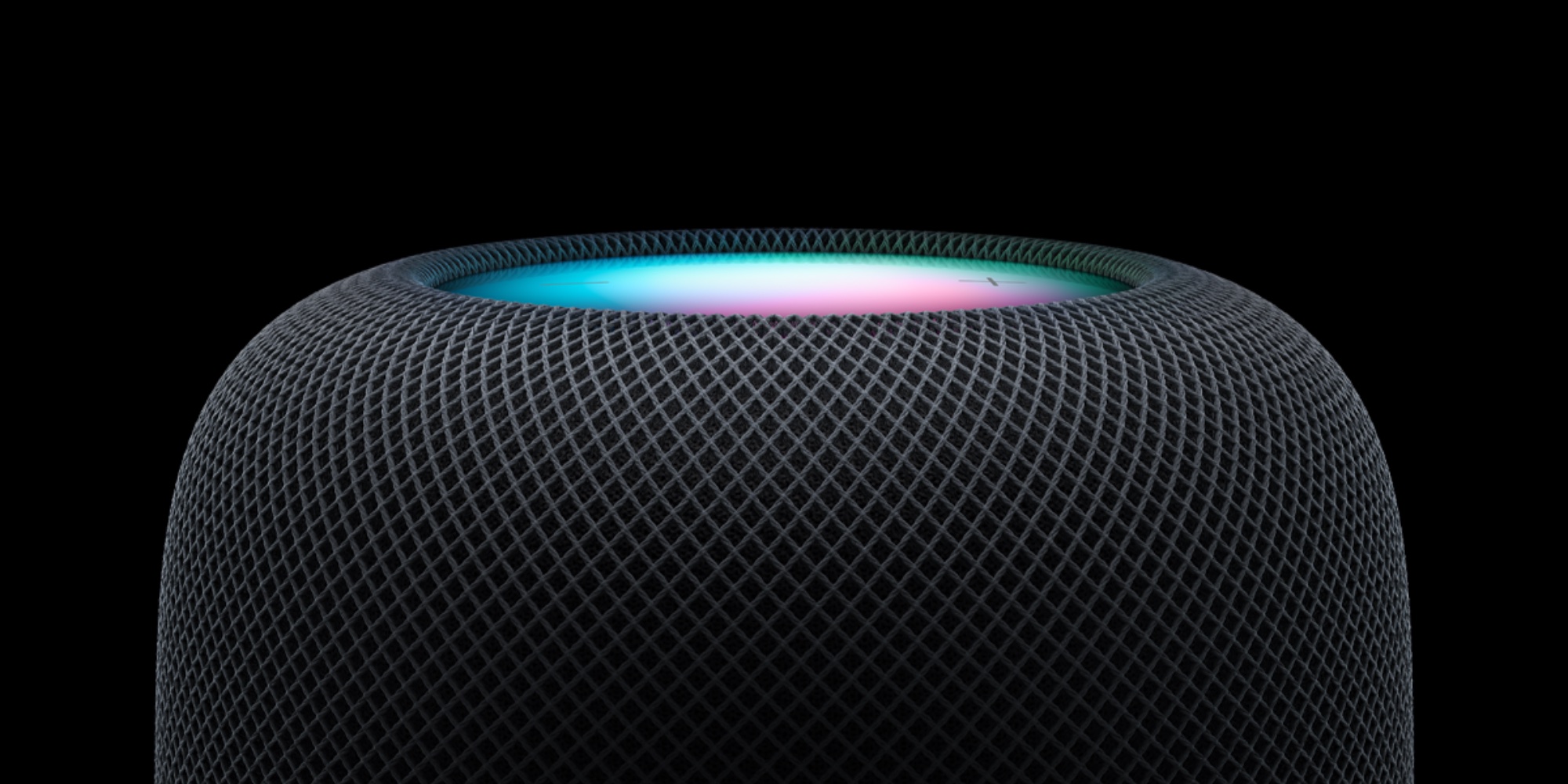
- Apple Silicon Integration: The original HomePod, released in 2018, was powered by the A8 chip—a relic by modern computing standards. Its 2023 successor shifted to the S7 chip (derived from Apple Watch architecture), which provides adequate audio processing and computational audio capabilities, but struggles to locally process the multi-layered contextual requests demanded by Apple Intelligence and the next-generation Siri.
- On-Device Privacy Constraints: True to Apple’s privacy-first ethos, much of the heavy lifting for personalized AI interactions is designed to happen on-device or via secure Private Cloud Compute servers. Ensuring a flagship speaker can reliably parse complex commands across a noisy room without relying on continuous, high-latency cloud round-trips requires specialized silicon optimization.
- Ecosystem Parity: With the HomePod mini and other upcoming devices reportedly receiving the necessary firmware adjustments to interface smoothly with modern Siri features, the full-size HomePod risks becoming the lone outlier. For a brief window following the October 13 launch, consumers purchasing Apple’s premium standalone speaker will interact with a device structurally limited to older voice-command paradigms.
Market analysts note that while the delay may frustrate audiophiles and smart home enthusiasts waiting for a high-fidelity speaker with deep AI integration, it prevents the launch of a half-baked product. Apple’s historical aversion to shipping artificial intelligence features that do not meet its stringent quality benchmarks remains a guiding principle behind the product staging.
Official Statements and Industry Insights
While Apple has maintained its traditional public silence regarding unannounced products, statements gathered by Bloomberg provide a clear window into corporate intent. In his recent analytical breakdowns, Mark Gurman noted that a larger HomePod update remains firmly on the roadmap, stating simply that Apple aims to "eventually update its larger HomePod speaker as well."
Earlier commentary from Cupertino insiders pointed directly to the generative AI bottleneck as the primary catalyst for staggered hardware releases. When questioned earlier this year about the status of the stalled home portfolio, sources emphasized that it was "just a matter of time," clarifying that executives specifically mandated that the foundational architecture of Apple Intelligence and the revamped Siri must be fully operational within the target products prior to commercial rollout.
Industry reactions to this staged strategy have been largely pragmatic. Competitors in the smart display and smart speaker market have faced their own headwinds regarding the monetization and practical utility of voice assistants. By taking the extra time to refine the large HomePod’s capabilities, Apple is betting that consumers will prefer a more capable, deeply integrated AI assistant over a rushed hardware refresh that merely swaps out internal components without delivering transformative utility.

Future Outlook: What the October Launch Means for the Smart Home Landscape
The upcoming October 13 product drop marks a watershed moment for Apple. By officially launching the HomePad, the company is stepping out of the peripheral audio space and into the core of the smart home command center market.
What to Expect Next:
- The October 13 Showcase: Attention will squarely focus on the new smart home hub, evaluating its UI design, responsiveness, integration with HomeKit and Matter protocols, and how effectively it utilizes the overhauled Siri.
- The Waiting Game for Audiophiles: For those devoted to the acoustic fidelity of the larger HomePod form factor, the wait will likely extend well into the next product cycle. Barring a surprise holiday announcement—which supply chain indicators render highly unlikely—a refreshed, AI-capable flagship speaker is expected to arrive at a later, unspecified date.
- The Unification of Siri: As Apple Intelligence scales across iPhones, iPads, Macs, and eventually the entire smart home ecosystem, the fragmentation of Siri performance between older and newer devices will gradually dissolve.
Ultimately, Apple’s deliberate pacing with the full-size HomePod underscores a broader corporate philosophy: hardware and software must arrive in lockstep, especially when introducing paradigm-shifting technologies like localized generative AI into the domestic sphere. While the immediate absence of a new flagship speaker may sting for early adopters, the long-term prospect of a truly intelligent, high-fidelity home audio ecosystem remains firmly on the horizon.