Executive Overview
For decades, the ritual of the PC hardware upgrade has been a core pillar of the gaming community. There is an unmistakable, sensory joy to opening fresh cardboard boxes, smelling the faint scent of manufacturing oils off a clean PCB, hearing the satisfying click of RAM slots engaging, and watching a freshly installed graphics card render game worlds with newfound fidelity. But as the industry navigates a volatile landscape in 2026, that sacred ritual has fundamentally shifted for many enthusiasts.
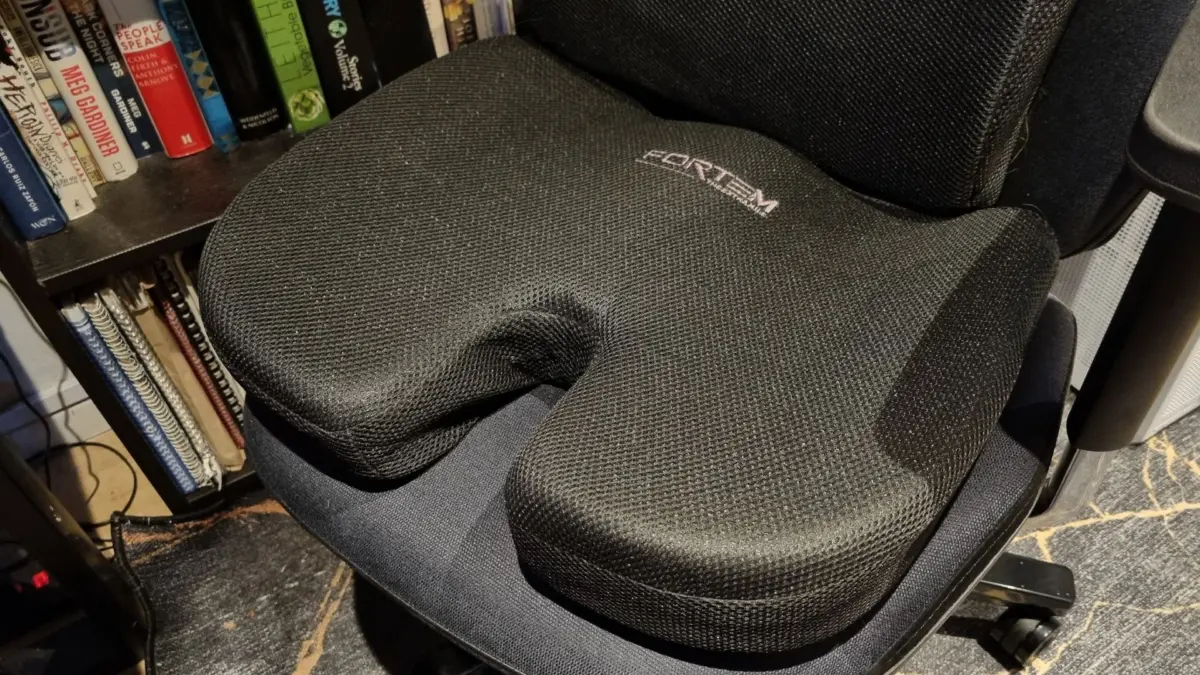
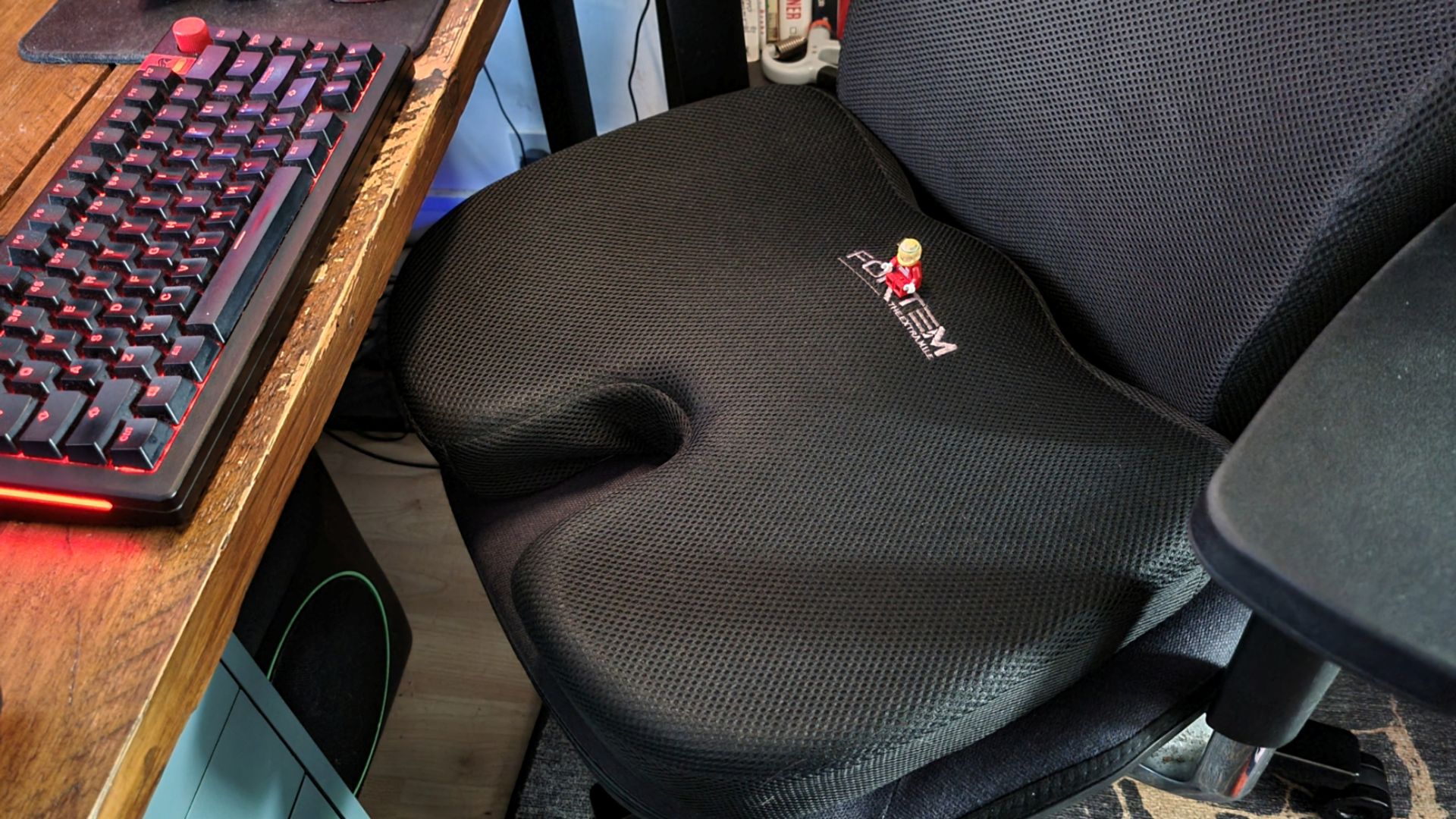
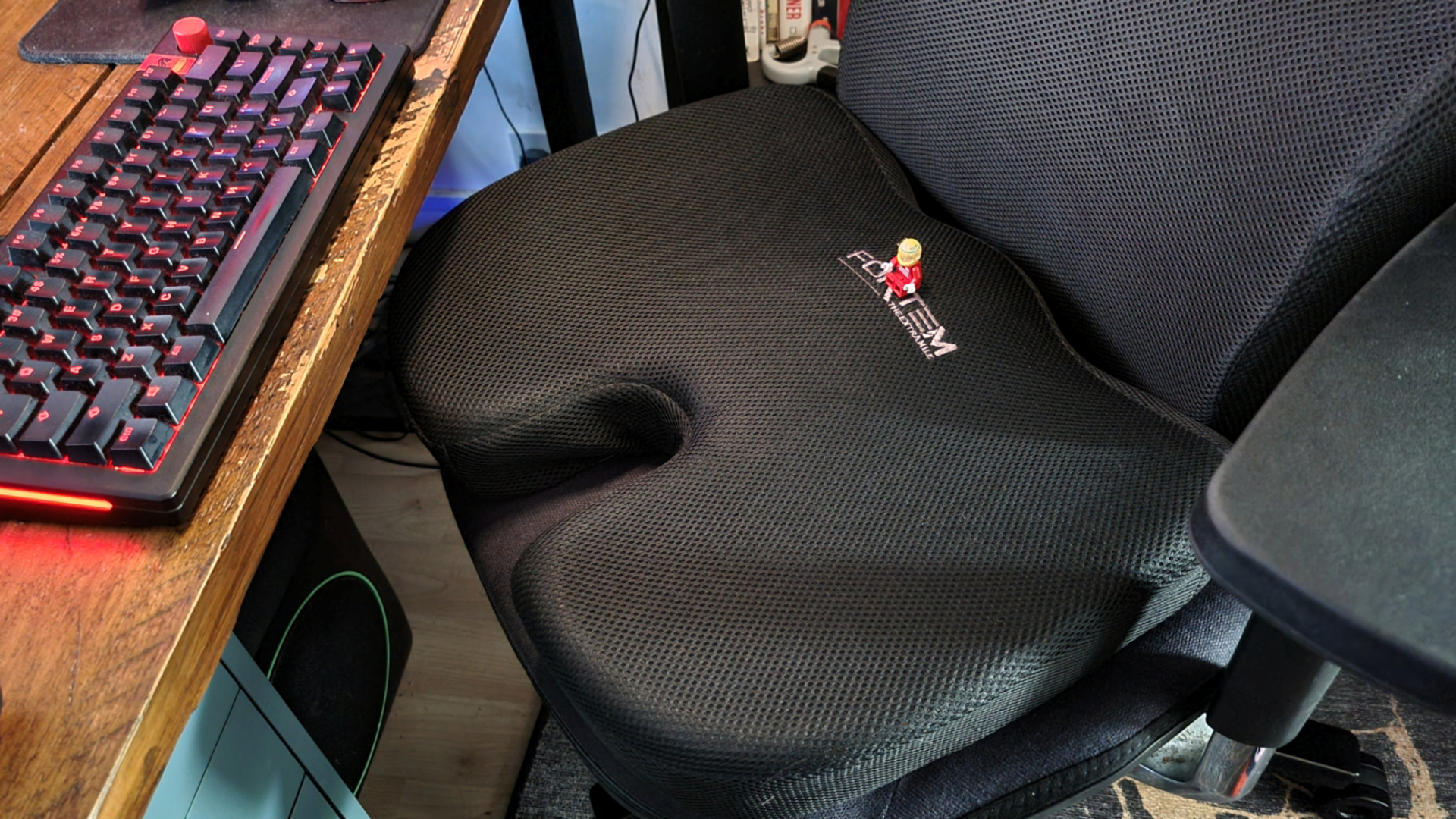
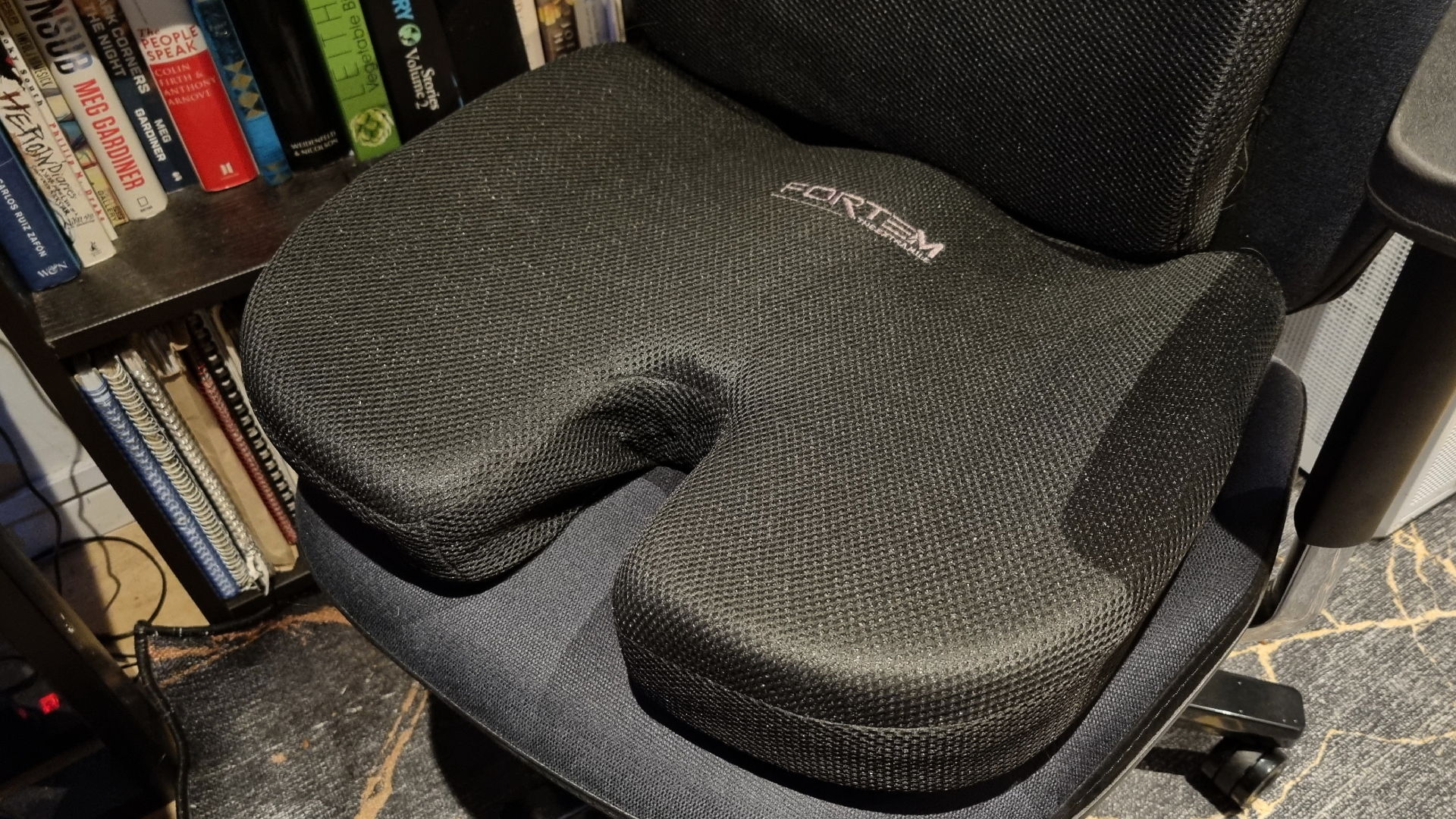
When a seasoned hardware journalist finds that the most impactful, satisfying, and necessary physical addition to their gaming setup in an entire year is not a high-end graphics card, a blistering NVMe SSD, or a dense kit of DDR5 memory, but rather a $40 memory foam chair cushion, it serves as a stark symptom of a broader market malaise.
Skyrocketing component costs, driven predominantly by relentless AI server demand, unprecedented supply chain pressures, and soaring inflation across critical sectors, have turned the consumer PC hardware market into a punishing environment. Mainstream gamers are no longer asking what to upgrade; they are asking how long they can survive on hardware that is rapidly aging out of its prime.
This deep-dive investigation explores the current economic reality of PC gaming hardware in 2026, examining how enterprise-level artificial intelligence infrastructure has effectively starved the consumer market, why standard performance upgrades have become financially unjustifiable, and where—if anywhere—gamers can find relief as we approach the critical holiday sales season.
Detailed Chronology: How We Reached Peak Hardware Inflation
To understand the severity of the 2026 hardware market, one must look at the trajectory of component pricing over the past several years. The warning signs were planted during the post-pandemic supply chain crunches, but the coup de grâce arrived with the generative AI boom.
The Turning Point: The AI Infrastructure Gold Rush
Beginning heavily in late 2023 and escalating sharply through 2024 and 2025, tech giants and enterprise data centers began aggressively hoarding semiconductor manufacturing capacity, high-bandwidth memory (HBM), and advanced silicon wafers to train massive large language models. Wafer fabrication plants (fabs) owned by industry titans like TSMC shifted vital allocation priorities away from consumer-grade architecture to satisfy massive, high-margin enterprise contracts.
As fab capacity tightened, the ripple effects hit every tier of consumer electronics. RAM and NAND flash manufacturers—facing surging enterprise orders for server-grade memory modules—slashed consumer production lines to prioritize corporate clients. The casual observer might have viewed this as a temporary blip, but by 2026, the structural changes to the market solidified.
The Mid-2020s Component Drought
By the time 2026 rolled around, standard consumer memory and storage pricing had broken historical curves. A 64GB kit of DDR5 RAM—once a luxury purchase for content creators and hardcore enthusiasts—now routinely commanded well north of $800, a staggering multiple compared to the $100 price points seen just a few short years prior. High-capacity solid-state drives followed a similar trajectory; a reliable 4TB NVMe SSD soared past the $400 mark, pricing out budget-conscious builders who desperately needed expansive storage for modern gaming installs that routinely exceed 150GB per title.
Graphics cards, the historical crown jewels of any rig upgrade, fared little better. While entry-level and lower-mid-range offerings like the Nvidia RTX 5060 Ti 8GB or AMD Radeon RX 9070 GRE maintained some tether to reality, they became anomalies in a market otherwise characterized by staggering markup. Nvidia’s core mid-range offering, the RTX 5070, launched at a sobering baseline of $779 for the most aggressively discounted models—effectively pricing traditional mid-range buyers out of generational leaps.
As a result, 2026 became universally recognized across hardware forums and enthusiast circles as the "Year of Stupendous Price Rises." For millions of players, the natural lifecycle of hardware replacement ground to an abrupt halt.
Supporting Context & Metrics: The Human Cost of Stagnant Rigs
Faced with a market where a single component can cost as much as an entire pre-built system from previous generations, the average gamer has adopted a strategy of tactical preservation.
The Economics of Standing Pat
Industry surveys and hardware utilization metrics from early 2026 highlight a profound stagnation in hardware adoption rates. Steam Hardware & Software Survey data points to a massive holding pattern:
- GPU Retention: A staggering percentage of gamers are retaining cards from the previous two generations (such as the RTX 30-series and RTX 40-series, or AMD’s RX 6000 and 7000 lines), leaning heavily on software-based workarounds like DLSS, FSR, and frame generation technologies to artificially extend the lifespan of their silicon.
- Memory Stagnation: The vast majority of mainstream gaming rigs remain firmly anchored at 32GB (or even 16GB) of DDR4/DDR5 RAM. The psychological barrier of paying current memory spot-prices has entirely stalled memory-density upgrades.
- Storage Compromises: Gamers are increasingly forced to manage digital libraries via aggressive uninstall/reinstall cycles rather than expanding local storage pools with high-speed 4TB or 8TB drives.
Enter the $40 Ergonomic Lifeline
This brings us back to the humbling reality of physical comfort. When hardware upgrades are financially barred, enthusiasts shift their capital investments to peripheral and ergonomic quality-of-life improvements.
Modern gaming chairs, while visually aggressive and marketed toward high-performance aesthetics, often suffer from hyper-dense, unforgiving padding designed for structural durability over long-term comfort. For users lacking natural cushioning—or simply logging grueling 8-to-10-hour days across work and play—the physical toll on the lumbar region and lower anatomy becomes acute.
Investing $40 in a high-grade memory foam chair cushion delivers an immediate, tangible, ten-fold increase in daily comfort that no benchmark software can replicate. Ironically, in a market where upgrading a GPU requires emptying a savings account, a humble cushion stands as the single most cost-effective, high-yield quality-of-life investment a PC gamer can make.
Official Statements & Industry Analysis
Industry analysts and market researchers have weighed heavily on the structural forces keeping consumer hardware prices elevated. According to recent whitepapers from semiconductor market monitors, the decoupling of consumer electronics pricing from historical deflationary curves is unprecedented.

"We are witnessing a permanent structural reallocation of semiconductor output," notes a leading hardware supply chain analyst. "The consumer PC market is no longer the primary volume driver that dictates fab economics. Until global AI infrastructure deployment plateaus or massive new fabrication plants come online—which is unlikely to shift the needle meaningfully before late 2027—consumer components will remain constrained by enterprise opportunity costs."
Representatives from major memory and storage manufacturers have echoed these sentiments during quarterly earnings calls, pointing out that enterprise-grade margins dwarf consumer retail volumes. While corporate PR departments routinely express optimism regarding long-term manufacturing output, none have offered concrete timelines for price normalization at the retail level.
GPU manufacturers, meanwhile, defend their pricing strategies by citing the exponential cost of R&D for next-generation silicon architectures, advanced packaging techniques like chiplets, and the inclusion of dedicated AI hardware (such as advanced Tensor cores) directly onto consumer dies. However, these explanations offer little comfort to a gamer whose primary goal is simply rendering rasterized polygons at high refresh rates without taking out a personal loan.
Future Outlook: Finding Hope in the Upcoming Sales Season
Despite the gloomy fiscal climate, hope springs eternal within the hardware community. As the industry looks toward the horizon, all eyes are fixed on the impending holiday sales calendar, highlighted by the annual October Prime Day events and the retail juggernaut of Black Friday.

Where to Look for Real Savings
While core silicon—CPUs, GPUs, and high-density memory kits—may remain stubbornly high due to underlying material and fabrication costs, certain sectors of the PC gaming ecosystem have historically demonstrated resilience against broad macroeconomic trends.
- Peripherals & Input Devices: Gaming mice, mechanical keyboards, and high-performance controllers have largely avoided the tidal wave of component inflation. Manufacturers often use these items as loss-leaders or deep-discount catalysts during major sales windows.
- Displays: The gaming monitor market remains fiercely competitive. High-refresh-rate IPS and OLED panels have seen aggressive price compression over the past year, making visual upgrades one of the few accessible paths for frustrated builders.
Navigating the Months Ahead
For those currently sitting on aging hardware, the immediate future requires patience and strategic compromise. If your rig is capable of handling your current library—perhaps aided by clever utilization of AI upscaling technologies—holding the line against predatory pricing is the most rational consumer choice.
As the hardware writer community continues to test, review, and evaluate the bleeding edge of technology, the overarching message to our readers remains clear: do not feel pressured to empty your bank accounts for marginal generational gains in a corrupted market. Sometimes, the smartest upgrade you can make to your battlestation isn’t inside the metallic chassis at all—it’s simply making sure your seat is comfortable enough to weather the storm.