Executive Overview
The landscape of cinematic universes is perpetually in a state of high-stakes evolution, and few architects face as intense a spotlight as James Gunn, co-head of DC Studios. As the entertainment industry eyes the rollout of the fledgling DC Universe (DCU), Gunn finds himself balancing the sprawling responsibilities of studio leadership with his hands-on role as a writer and director.
Fresh off the milestone completion of the "assembly cut" for Man of Tomorrow—the highly anticipated sequel to 2025’s Superman—Gunn revealed to fans that he has already quietly commenced writing an entirely new, unannounced project. This revelation came during a routine social media interaction on Threads, where the filmmaker quipped that he began penning the mysterious script simply to fill the downtime while waiting for the assembly edit to take shape.
While the milestone of an assembly cut signals that Man of Tomorrow is charging forward toward its scheduled release next year, it also means Gunn’s side-writing venture will likely take a temporary backseat as intensive post-production demands his full attention. True to form, the DC boss kept details surrounding the project tightly under wraps, sparking a fresh wave of speculation across fandoms and trade publications alike. Could it be a third installment in his Superman lineage? A long-awaited, cohesive Justice League event film? Or something entirely unexpected from the deeper cuts of the DC catalog?
Compounding the excitement—and the inevitable turbulence of online fandom—Gunn also found himself putting out casting fires over the weekend. Following inadvertent social media activity from Man of Tomorrow actor Frank Grillo regarding fan-made posters, Gunn was forced to reiterate that specific high-profile casting rumors, particularly surrounding Adria Arjona and Matthew Lillard, remain wildly premature. As Warner Bros. Discovery navigates structural shifts and corporate realignments, Gunn’s dual role as creative visionary and chief social media mythbuster remains crucial to maintaining narrative control over the evolving DCU.
Detailed Chronology: From Superman to Man of Tomorrow
To understand the weight of Gunn’s recent announcements, one must trace the rapid timeline of the DCU’s restructuring. Following the foundational launch of 2025’s Superman—which effectively wiped the slate clean of the previous DC Extended Universe (DCEU) iteration—Warner Bros. and DC Studios committed to an interconnected, tightly plotted roadmap spanning film, television, and animation.
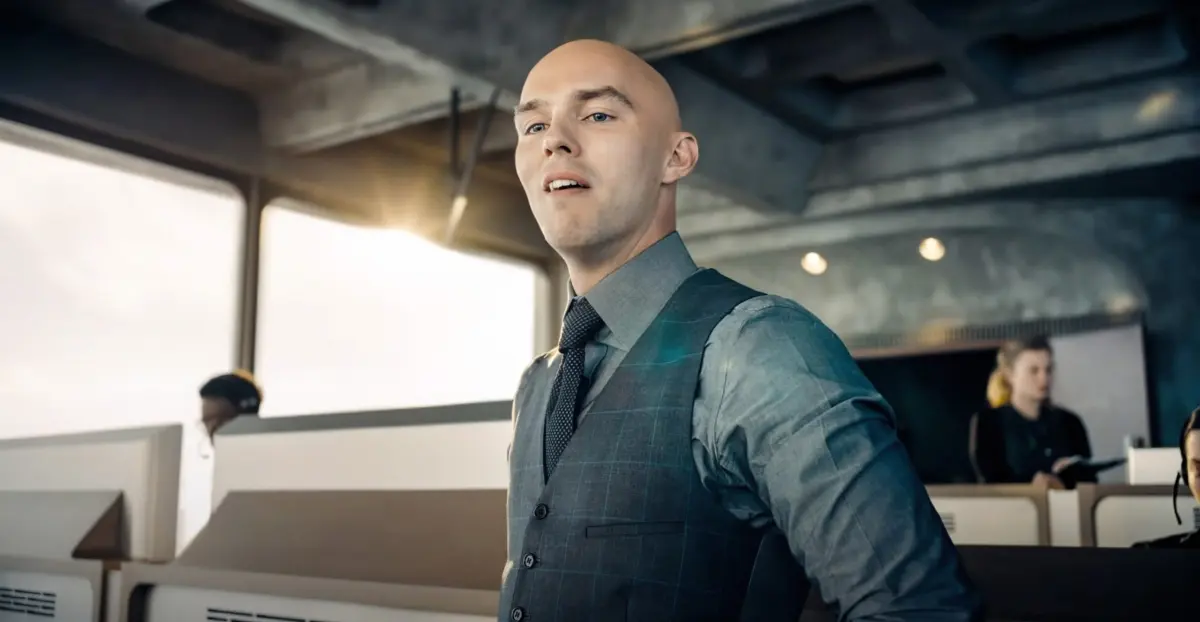
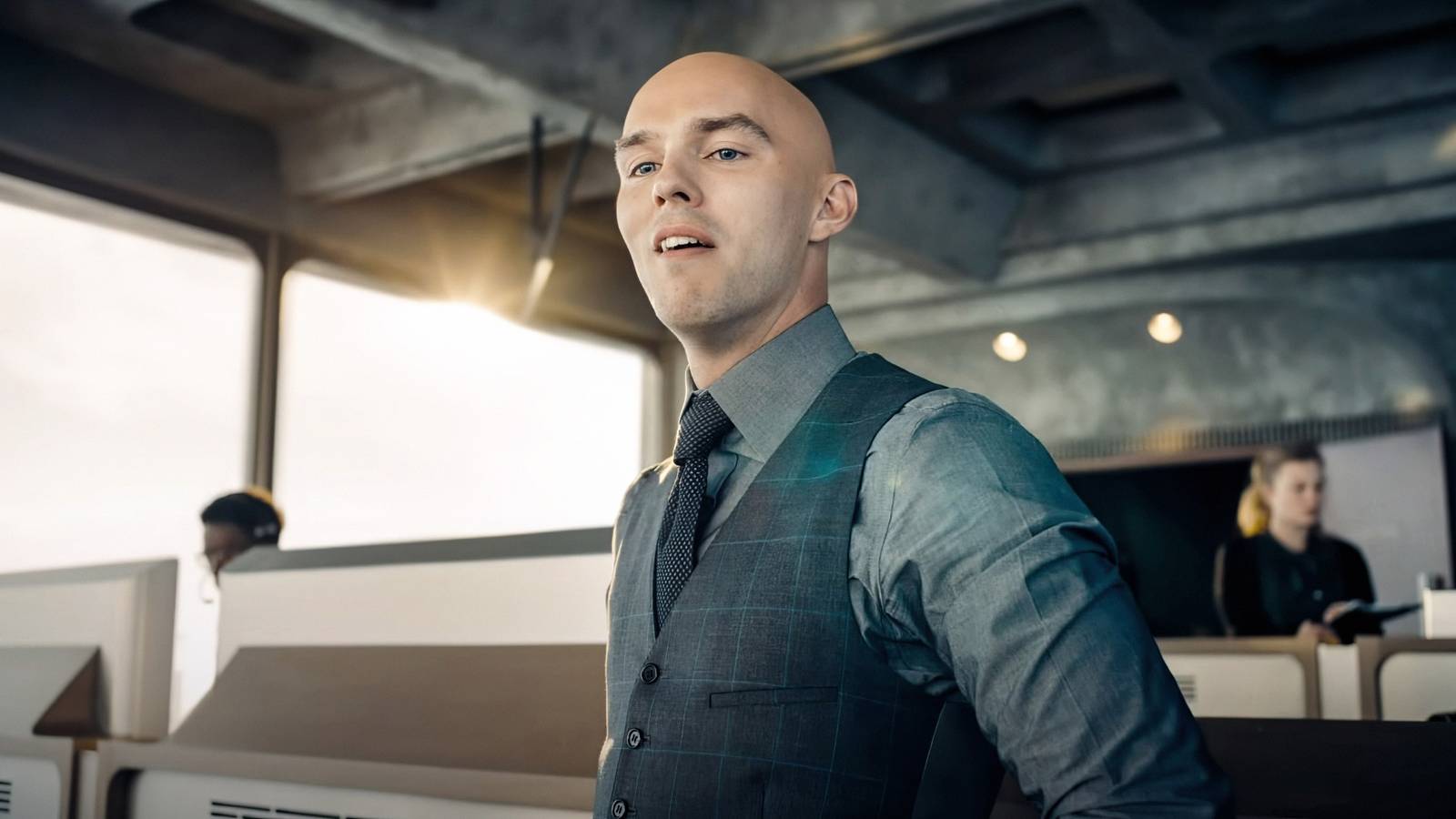
- Mid-2025: The theatrical release of Superman establishes David Corenswet as the new Man of Steel and Nicholas Hoult as a definitive, menacing Lex Luthor. The film acts as the true theatrical launchpad for "Chapter One: Gods and Monsters."
- Late 2025 to Early 2026: Pre-production and principal photography ramp up for Man of Tomorrow, the direct sequel penned and directed by Gunn himself. The production brings back core cast members while introducing fresh faces to the sprawling mythos.
- Late September 2026: Speculation hits a fever pitch regarding various cameo appearances and secret characters, with internet sleuths scrutinizing every piece of fan art and actor social media repost. Gunn steps in to publicly deny persistent rumors linking actor Matthew Lillard to the role of the DCU’s Flash.
- Early October 2026: Gunn officially announces that the assembly cut—the raw, foundational stitching together of all shot footage—for Man of Tomorrow is complete.
- October 5, 2026: Responding to fan queries on Threads about his workflow, Gunn casually drops the bombshell that he has already begun writing his next mysterious project to occupy his time while waiting for editorial milestones, only to pivot back to heavy post-production oversight.
[Superman (2025 Launch)]
       │
       ▼
[Principal Photography: Man of Tomorrow]
       │
       ▼
[Casting Rumor Control (Lillard/Arjona)]
       │
       ▼
[Assembly Cut Completed (Oct 2026)]
       │
       ▼
[Tease of Mystery Writing Project] ──► [Return to Post-Production]
Supporting Context & Metrics: The Mechanics of the Assembly Cut
For casual moviegoers, terms like "assembly cut" can sound like industry jargon signifying a finished film. In reality, the assembly cut is merely the very first phase of editing.
When a director finishes principal photography, an editor goes through every frame of footage captured on set, organizing the scenes script-by-script and shot-by-shot into a continuous chronological sequence. This initial pass is famously bloated—often running significantly longer than the eventual theatrical runtime—because directors typically shoot safety takes, alternate angles, and improvised dialogue options.
For a massive, VFX-heavy superhero tentpole like Man of Tomorrow, completing the assembly cut is a major logistical milestone. It marks the transition from physical production to the arduous post-production marathon, which includes:
- Rough Cut Refining: Trimming the fat, establishing emotional pacing, and determining which subplots or scenes make the narrative cut.
- Visual Effects (VFX) Integration: Commissioning pre-visualizations and final renders from top-tier digital houses. Given the otherworldly scale of Superman’s rogues’ gallery and cosmic settings, VFX work will consume the lion’s share of the post-production budget and timeline.
- Sound Design and Scoring: Composing themes, mixing audio channels, and engineering immersive sonic landscapes.
- Reshoots and Additional Photography: Identifying narrative gaps or structural flaws during test screenings and bringing cast members back to capture bridging material.
Gunn’s comment that he started writing his next project simply because he "had to do something while I was waiting for the assembly!" highlights his tireless work ethic. However, industry veterans note that once notes on the assembly cut start rolling in from studio executives and test audiences, a director’s schedule becomes entirely consumed by editorial collaboration.
Official Statements & Fan Culture: Navigating the Rumor Mill
James Gunn has cultivated a unique relationship with fans, primarily through platforms like Threads and X (formerly Twitter). Unlike many traditional Hollywood executives who maintain a corporate distance, Gunn frequently uses social media to debunk false leaks, clarify canon, and directly engage with enthusiastic communities. However, this accessibility also exposes him to the volatile nature of modern fan culture.
The latest controversy arose when actor Frank Grillo—who features in the broader DCU ecosystem—reposted a piece of fan art depicting actress Adria Arjona as Wonder Woman. Because Arjona’s actual role in Man of Tomorrow has been kept strictly confidential, the internet immediately weaponized Grillo’s innocent repost as "proof" of her casting as the iconic Amazonian warrior.
Addressing the situation head-on, Gunn wrote on Threads:
"Frank doesn’t know who Adria is playing in the DCU and whether or not she has any sort of incredibly small cameo in [Man of Tomorrow] or not. People have been making way too much of this."
This marks the second major rumor-squashing episode in a matter of days for the DC chief. Earlier in the week, Gunn was forced to refute viral claims that Scream and Twin Peaks icon Matthew Lillard had been cast as the DCU’s primary iteration of the Flash.

These recurring headaches underscore a central tension in contemporary franchise filmmaking: the insatiable appetite of audiences for spoiler culture versus the studio’s desire to curate controlled, impactful marketing reveals.
Future Outlook: What Lies Beyond Man of Tomorrow?
As Warner Bros. Discovery navigates corporate realignment—including ongoing discussions surrounding industry mergers and restructuring under entities like Skydance—the stability of the DCU rests heavily on the performance and reception of Gunn’s upcoming slate.
With Man of Tomorrow slated for release next year, attention is already shifting toward what comes next for Chapter One: Gods and Monsters. While the studio has laid out a preliminary calendar featuring projects like Lanterns, Supergirl: Woman of Tomorrow, and various television tie-ins, key marquee roles—such as the cinematic iterations of Batman (outside of Matt Reeves’ The Batman Elseworlds universe) and Wonder Woman—remain uncast or unannounced.
Gunn’s mysterious writing project introduces a tantalizing wildcard into the equation. Given his exclusive creative pipeline with Warner Bros., the script is guaranteed to be a DCU property. Industry analysts have narrowed down the probabilities into three distinct possibilities:
- A Third Superman Installment: If Man of Tomorrow exceeds studio expectations during test screenings, Gunn may be mapping out a definitive trilogy, locking in his creative vision for Clark Kent well in advance.
- A Justice League Event Film: The ultimate litmus test for any modern cinematic universe is bringing its heavy hitters together. Gunn could be quietly drafting the script for an ensemble team-up film designed to cap off Chapter One.
- A Hard-R or Niche Character Adaptation: True to his roots with The Suicide Squad and Peacemaker, Gunn has a distinct penchant for elevating obscure comic book characters into mainstream pop-cultural phenomenons. A project focusing on lesser-known cosmic or supernatural entities cannot be ruled out.
Regardless of what is taking shape in the writer’s room, fans will have to exercise patience. With post-production on Man of Tomorrow accelerating and Gunn steering the ship through stormy seas of internet speculation, the full picture of the DCU’s future remains a brilliantly guarded secret.