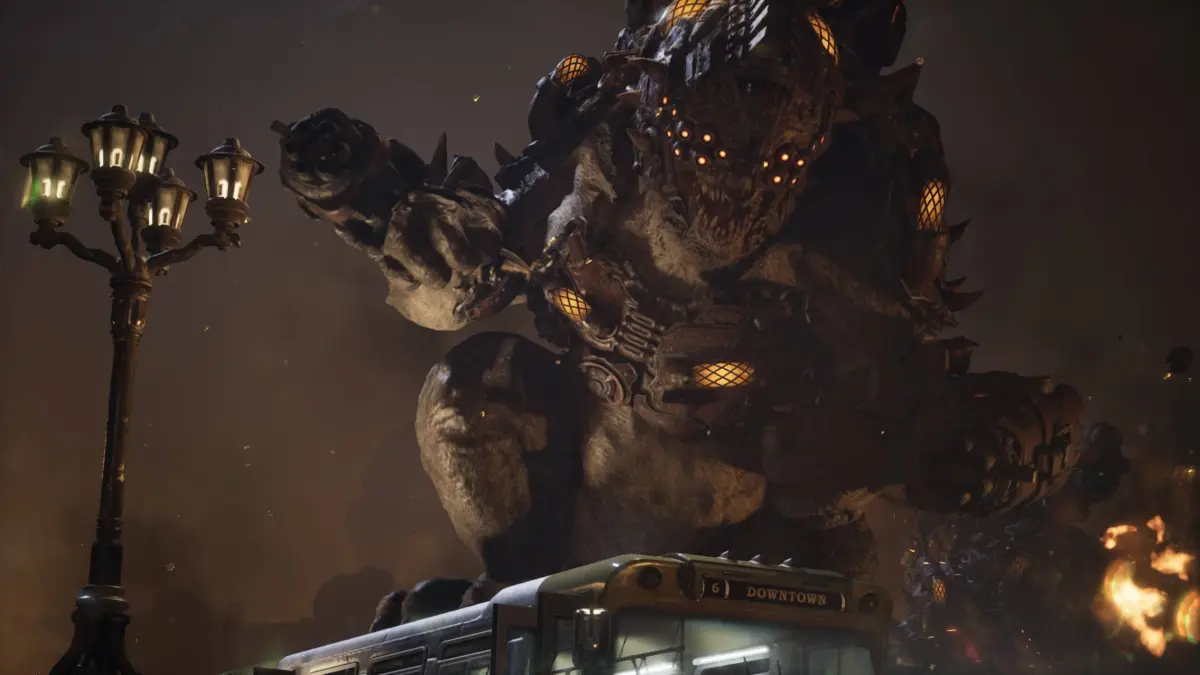
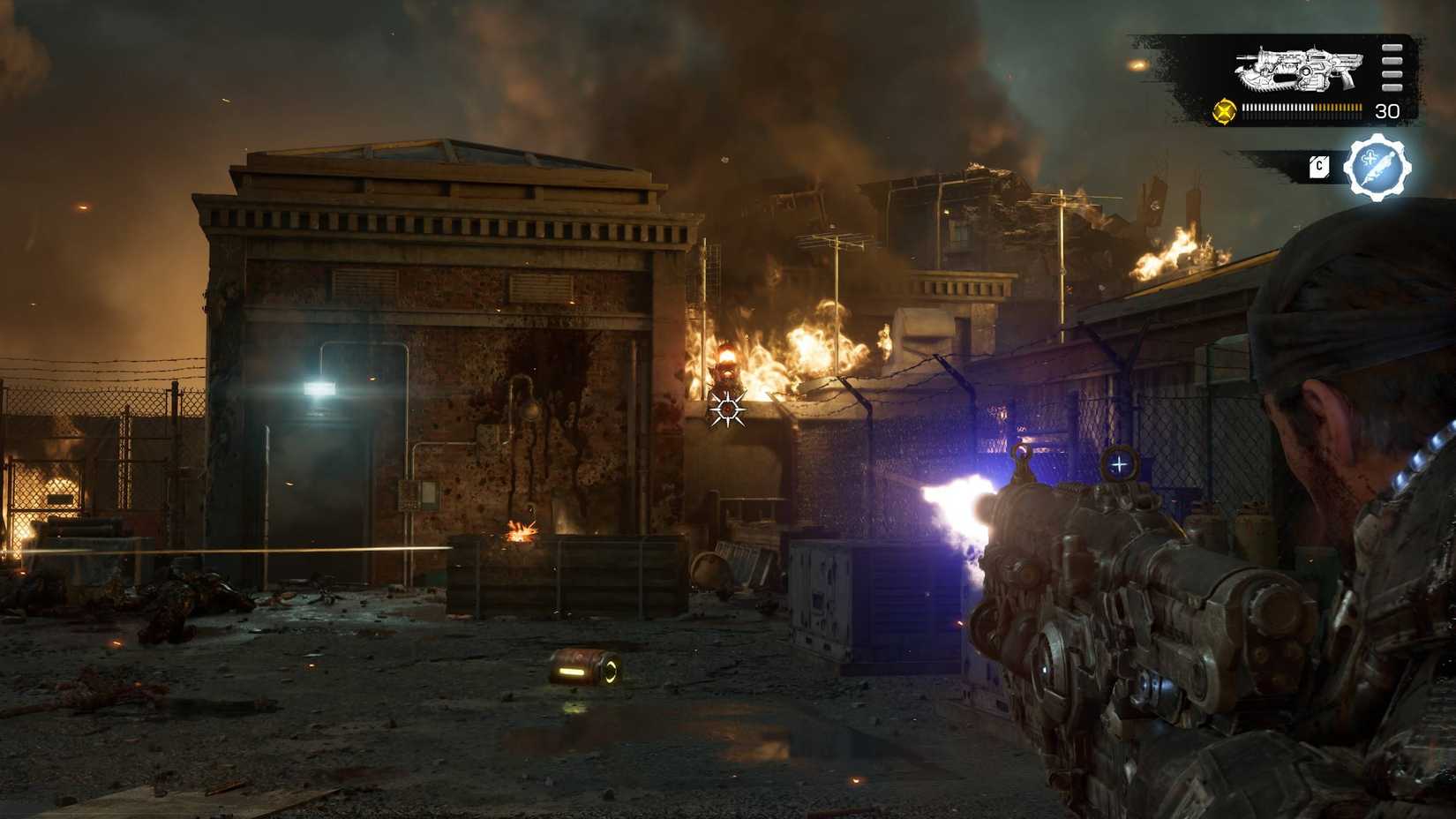
For Xbox enthusiasts enduring a grueling stretch of industry uncertainty, the arrival of Gears of War: E-Day was supposed to represent a much-needed morale boost. Developed by The Coalition and published by Xbox Game Studios, the latest entry serves as a prequel to the iconic third-person shooter franchise. It transports players back to the visceral, terrifying onset of the Locust Horde’s invasion.
As the first wave of critical reviews hit the airwaves ahead of the game’s official launch, the immediate numbers appeared promising. The title debuted on Metacritic and OpenCritic with aggregate scores resting comfortably around 88 and 87, respectively. In a year defined by underperforming blockbusters—such as Control Resonant and The Blood of Dawnwalker—these early metrics painted a picture of a triumphant return to form for Microsoft’s premier action franchise.
However, a closer look at the critical landscape reveals a deeply fractured consensus. Because reviewers have thus far only been granted access to the single-player campaign, the current aggregate scores reflect an incomplete picture. Once the crucial multiplayer suites go live and more nuanced, in-progress evaluations are finalized, the game’s standing is widely expected to shift. While outlets like IGN and ScreenRant lauded the campaign’s emotional resonance and world-building with glowing 9/10 scores, other major critics have raised red flags. Reviewers from PC Gamer, GameSpot, Kotaku, and Polygon have characterized the 20-hour campaign as an exhausting, repetitive slog that leans too heavily on safe nostalgia rather than narrative or mechanical innovation.
Ultimately, Gears of War: E-Day stands at a precarious crossroads. While its combat mechanics remain as tight and responsive as ever, the broader jury is still out on whether a nostalgic trip down memory lane can sustain a modern triple-A campaign.
Detailed Chronology & Review Breakdown
The rollout of Gears of War: E-Day reviews highlights a widening chasm between initial score-based excitement and the sobering reality of extended playtimes. As critics ventured into the crumbling streets of Kalona alongside younger versions of franchise stalwarts Marcus Fenix and Dominic Santiago, the journey yielded vastly divergent experiences.
The Highs: Praise for Prequel Stakes and Atmosphere
For supporters of the game, the emotional core of E-Day is its greatest triumph. IGN’s Ryan McCaffrey awarded the title an in-progress 9/10 score, drawing attention to how the narrative successfully injects vulnerability into hardened heroes.
"Gears of War: E-Day does an excellent job of conveying both the uncertainty and the horror of what’s happening to these characters, even when we as players know exactly what’s going on," McCaffrey wrote.
This sentiment was echoed by Chris Carter of ScreenRant, who also handed down a 9/10 score. Carter singled out the setting—the grand, unblemished cityscape of Kalona before its total devastation—as a vital narrative anchor. According to Carter, the city offers a distinct sense of place and personality that grounds the apocalyptic stakes, making the desperate defense against the subterranean Locust horde feel both urgent and believable.
The Lows: A Repetitive and Exhausting Campaign
Conversely, a vocal contingent of critics found the experience grating over time. Abbie Stone of PC Gamer published an in-progress review labeling the campaign a "slog." While acknowledging that the core shooting mechanics remain finely tuned, Stone criticized the structural monotony of the 20-plus-hour runtime.
"Is the shooting strong enough to sustain this? Yeah, just, though it does get exhausting," Stone observed. She went on to describe the game as an action movie stripped down to its barest components—a relentless gauntlet of bullets and bastards punctuated by uninspired turret sections.
GameSpot’s Richard Wakeling echoed these structural complaints in his in-progress review, which carries a more cautious 7/10 score. Wakeling argued that E-Day feels overly shackled to the past. Rather than leveraging its prequel premise to subvert expectations or tell a daring story, the game allegedly stumbles by over-explaining franchise lore and re-treading familiar narrative beats to accommodate newcomers.
“E-Day seems uninterested in surprising longtime fans or appealing to the series’ own history,” Wakeling noted, pointing to a wider issue of creative timidity.
These mixed perspectives are further reinforced by reservations from Kotaku’s Ethan Gach and Polygon’s Ford James, the latter of whom summarized the campaign as a relentless, high-intensity experience that ultimately wears down the player.
Supporting Context & Metrics
The current state of Gears of War: E-Day is defined by a dichotomy between quantitative scores and qualitative critiques. Understanding this divide requires examining how the game fits into the broader gaming ecosystem of late 2026.
Review Outlet
Reviewer
Score / Status
Key Critique / Praise
Metacritic / OpenCritic
Various
88 / 87 (Aggregate)
High initial averages driven primarily by single-player campaign evaluations; multiplayer pending.
IGN
Ryan McCaffrey
9/10 (In-Progress)
Praised unexpected emotional weight and backstory for Marcus and Dom.
ScreenRant
Chris Carter
9/10
Highlighted effective world-building and the atmospheric setting of Kalona.
PC Gamer
Abbie Stone
Mixed (In-Progress)
Criticized the 20+ hour campaign as a repetitive, exhausting slog.
GameSpot
Richard Wakeling
7/10 (In-Progress)
Argued the game is too stuck in the past and fails to surprise longtime fans.
Kotaku
Ethan Gach
Mixed
Noted a frustrating imbalance between high-octane highs and low-tier padding.
Polygon
Ford James
Mixed
Described the campaign as intensely overwhelming and ultimately fatiguing.
The Metacritic Anomaly
The aggregate score of 88 places E-Day in elite company on paper, yet industry analysts advise caution. Because many major publications withhold final scores until their reviewers can rigorously test server stability, matchmaking, and multiplayer balances, the current aggregate relies heavily on early campaign impressions. As more outlets complete their evaluations—incorporating the weight of repetitive level design and narrative conservatism—historical trends suggest these scores will likely experience a downward adjustment.
Official Statements and Industry Perspective
Neither Microsoft nor developer The Coalition has issued an official statement regarding the polarized nature of the early reviews. However, the creative direction chosen for E-Day speaks volumes about the studio’s strategy.
By stepping away from the contemporary timeline established in Gears 4 and Gears 5, The Coalition sought to recapture the raw, unfiltered horror that defined Epic Games’ original 2006 masterpiece. In promotional materials leading up to launch, studio representatives emphasized that E-Day was designed to explore the psychological toll of the Locust invasion on a society completely unprepared for subterranean warfare.
Yet, this adherence to foundational roots has sparked a philosophical debate within the critical community. While some view the return to gritty, linear action as a welcome antidote to modern open-world bloat, others view it as a creative regression. Critics like Wakeling and Stone suggest that modern audiences expect narrative evolution and mechanical variety—elements that a purely backward-looking prequel struggles to deliver over a protracted runtime.
Future Outlook
As the official release date approaches and the broader public gets its hands on Gears of War: E-Day, the ultimate verdict rests on two major factors:
The Multiplayer Ecosystem: Historically, the longevity of the Gears of War franchise has relied just as heavily on its competitive and cooperative multiplayer modes (such as Horde and Versus) as it has on its campaigns. If The Coalition delivers a stable, feature-rich multiplayer suite, it could easily offset the campaign’s pacing criticisms and cement the game’s status as a critical and commercial success.
Post-Launch Consensus: As late-arriving reviews publish final scores and factor in the totality of the package, expect the community sentiment to level out. Rather than challenging for definitive Game of the Year honors—as early aggregate scores briefly suggested—E-Day is poised to settle into a comfortable, respected tier alongside Gears 5, appealing deeply to franchise loyalists while leaving critics wishing for a bolder leap forward.
For Xbox, E-Day remains a critical anchor for the platform’s hardware and subscription services. Whether it proves to be a nostalgic masterclass or a repetitive echo of past glories will depend entirely on how players respond once the smoke clears and the entire package is laid bare.