Executive Overview
In the vast, fast-moving landscape of independent video game releases, standing out requires more than just a polished coat of paint or a derivative gameplay loop. It demands atmosphere, mechanical audacity, and a willingness to subvert player expectations right from the main menu. Enter Radiosol, a striking $9 indie title developed by Moscow-based studio TripletConcept. Launched quietly on Steam, the game has quickly captured the attention of critics and enthusiasts alike—most notably sparking a wave of impulse buys across industry newsrooms after one writer’s bizarre, self-sabotaging encounter with the game’s settings menu.
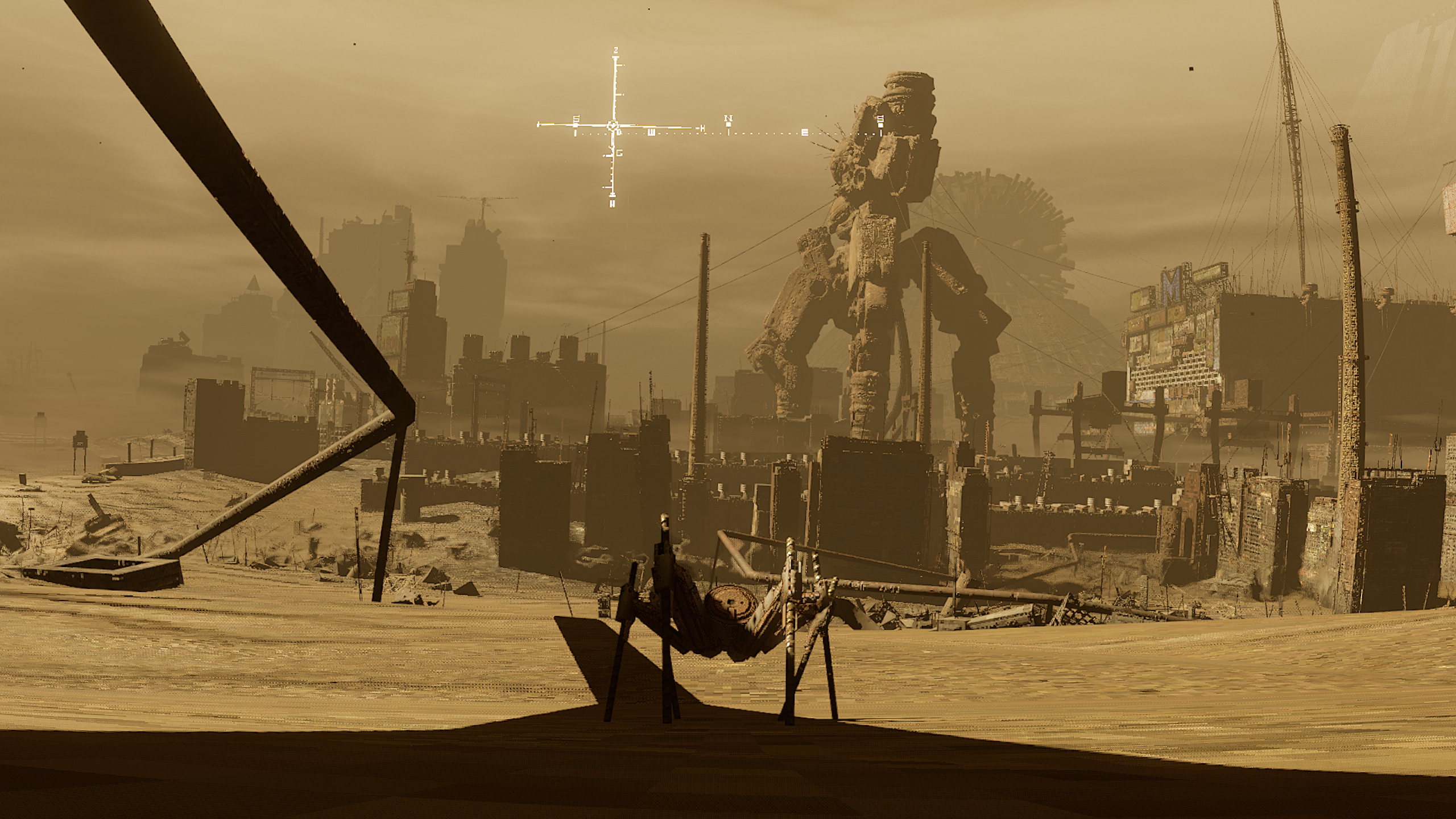
Described by its creators as “a journey through a desolate world burned by a planetary cataclysm,” Radiosol places players in the delicate, mechanical chassis of a wall-climbing spider-robot. Tasked with traversing the jagged, sun-bleached megastructures of a forgotten civilization, the player must navigate low-gravity environments, dodge the lethal rays of a relentless star, and piece together a fragmented narrative delivered via ambiguous broadcasts.
Yet, beyond its atmospheric world-building and stark, low-poly aesthetics lies a uniquely bold approach to player agency. Radiosol allows users to literally toggle off essential subsystems—such as hearing, life support, and cognition—straight from the pause menu. This freedom to experiment with self-destruction leads to surreal, emergent gameplay consequences, establishing the game as an intriguing vanguard of atmospheric puzzle-platforming and environmental storytelling.
Detailed Chronology: The Road to Radiosol and First Impressions
The journey of Radiosol from conceptual art project to playable Steam release is deeply rooted in the artistic evolution of its creator, TripletConcept. For years prior to the 2020s, the developer was already cultivating a distinct visual style characterized by brutalist architecture, jagged megastructures, and hauntingly desolate landscapes. Long before the term "uncanny" became a casual descriptor for digitally generated media, TripletConcept was establishing a portfolio of austere, high-concept digital art on platforms like ArtStation.
The Spark: A Fatal Encounter with the Settings Menu
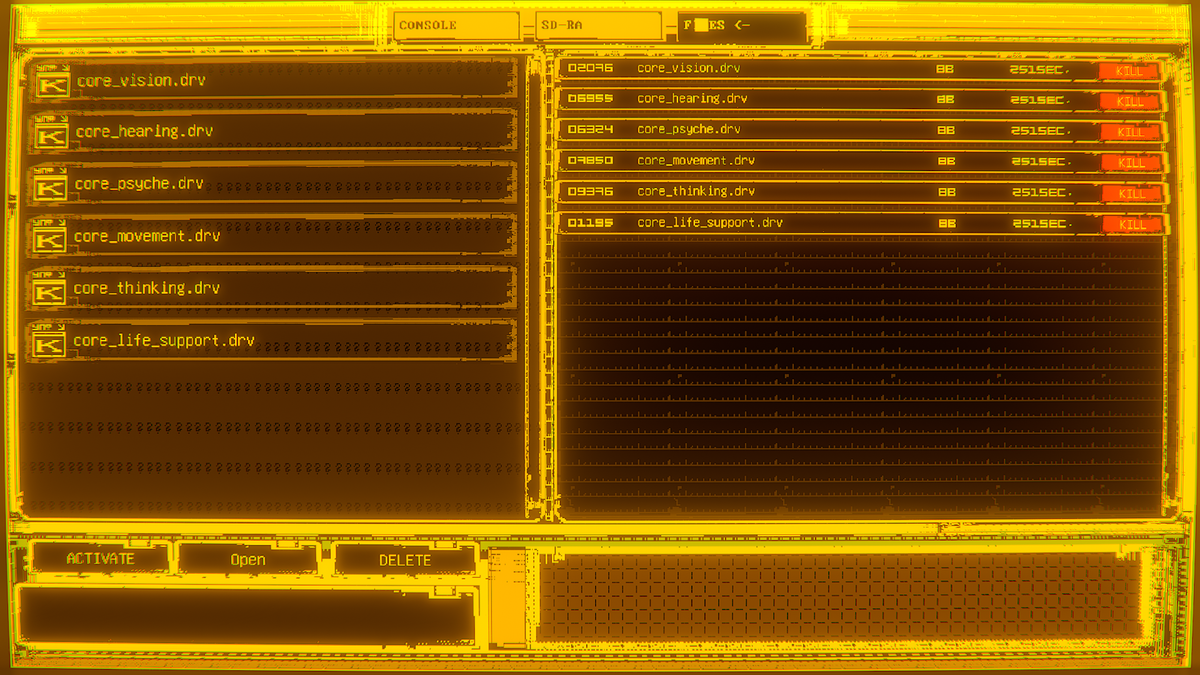
The catalyst for Radiosol’s recent surge in visibility began with a simple tutorial prompt. Instructed to familiarize oneself with the spider-robot’s internal configurations, players are introduced to a remarkably granular settings interface. Rather than merely adjusting audio sliders or screen brightness, the menu presents toggle switches for fundamental mechanical operations: "hearing," "life support," and "thinking."
Faced with an array of ominous red "KILL" buttons, restraint is rarely the gamer’s first instinct. Pressing these toggles triggers an immediate systemic collapse. The audio cuts out entirely; the visual feed distorts; mobility vanishes; and, most crucially, the robot begins to rapidly overheat under the blistering planetary sun.
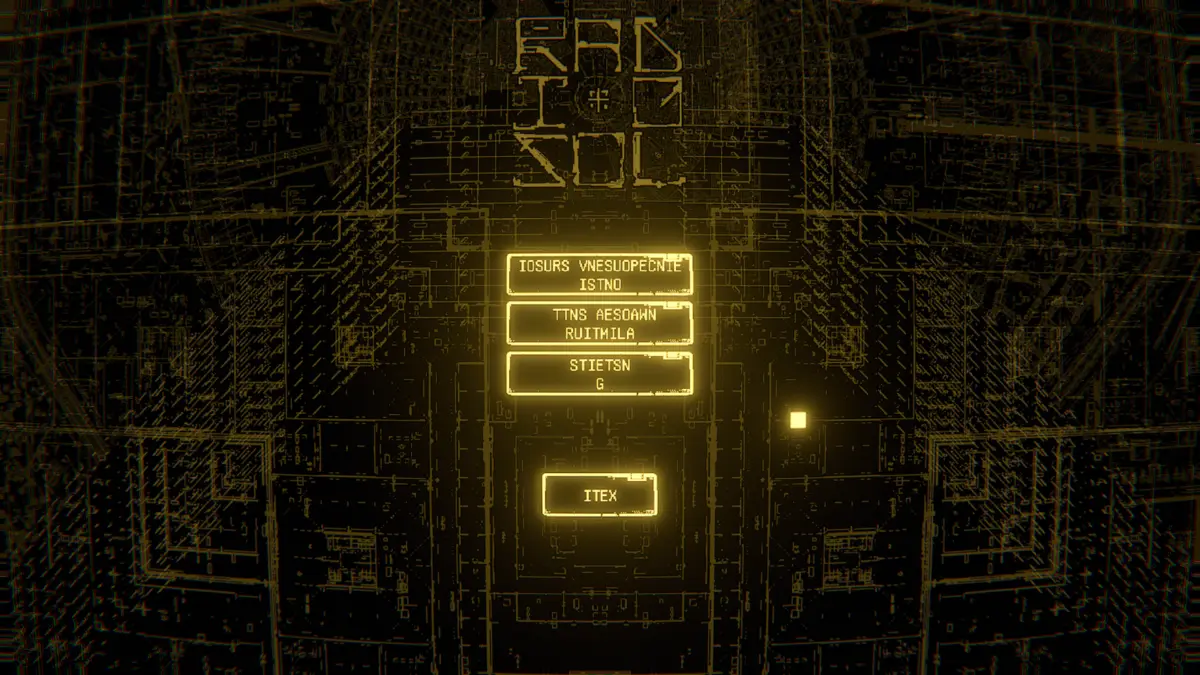
The consequences extend even further when the "thinking" subsystem is disabled. Because the protagonist’s cognitive functions are effectively powered down, all in-game text becomes permanently garbled. This textual corruption persists even upon death, stranding the player in a disoriented state at the main menu. Without the cognitive capacity to read the user interface, survival depends entirely on muscle memory—specifically, recalling which blinded menu prompt loads a pre-death save file.
This brilliant, punishing intersection of UI design and narrative consequence instantly transformed Radiosol from a standard indie platformer into a viral talking point among games journalists, setting off a chain reaction of spontaneous digital purchases.
Gameplay Mechanics and World-Building: Life in the Low-G Shadows
While Radiosol flirts with existential dread in its menus, actual moment-to-moment gameplay leans heavily into atmospheric traversal and environmental puzzle-solving.
The Spider-Robot and Low-Gravity Physics
Players control a compact, agile multi-legged automaton capable of scaling vertical surfaces with ease. Set within what appears to be a heavily altered, post-cataclysmic version of Earth, the game features a distinct low-gravity physics engine. Executing massive, sweeping leaps across sun-drenched chasms feels inherently rewarding, establishing a fluid rhythm of movement that contrasts sharply with the static, decaying monuments of human history.

The Tyranny of Sunlight
Survival in Radiosol is dictated primarily by thermodynamics. The planetary cataclysm has left the surface exposed to an unfiltered, scorching star. Prolonged exposure to direct sunlight results in catastrophic overheating and swift structural failure. Consequently, gameplay revolves around shadow management—utilizing the looming silhouettes of colossal, jagged megastructures as temporary sanctuaries while charting a path toward distant objectives.
An Enigmatic Narrative Structure
Narrative delivery in Radiosol is intentionally opaque. As the spider-robot creeps deeper into the wasteland—targeting a mysterious "Megapol station" located within the territory of the enigmatic "Locus Group of Companies"—various anonymous entities broadcast fragments of lore directly to the player’s systems. The ultimate destination appears to be a towering pyramid where a monumental confrontation awaits, though the exact stakes, factions, and motivations remain delightfully obscure. Currently devoid of traditional combat encounters, the game relies entirely on its tension-filled navigation and eerie ambience to sustain player engagement.
Supporting Context, Transparency, and Metrics
In the modern gaming ecosystem, any title bearing a striking, otherworldly aesthetic immediately prompts questions regarding the use of artificial intelligence tools. TripletConcept has been refreshingly proactive in addressing these concerns, providing clear disclosures on Steam and social media platforms.
The AI Disclosure Breakdown
According to official developer statements, generative AI was utilized strictly as a utility tool rather than a creative engine. Specifically, AI assistance was limited to:
- Localization and Translations: Assisting in translating the game’s text into multiple languages for a global audience.
- Code Utilities: Streamlining backend development tasks, such as managing Git merges and repetitive coding logic.
Crucially, TripletConcept has firmly clarified that zero generative AI was used to produce audio assets, environmental art, or character designs. The distinctive, angular architectural style seen throughout Radiosol is the direct result of years of traditional digital art practice by the creator, easily verifiable via their historical ArtStation portfolios dating back well before the current wave of generative technologies.
Pricing and Accessibility Metrics
Priced at an aggressively accessible $9.00 USD on Steam, Radiosol lowers the barrier to entry significantly, encouraging curious players to take a gamble on its unconventional design philosophies. This wallet-friendly price point, combined with its striking visual identity, has proven to be a vital metric in converting casual observers into active players.
Official Statements and Developer Philosophy
TripletConcept’s communication regarding Radiosol reflects a minimalist, highly focused design ethos. Rather than leaning on over-promoted marketing campaigns or inflated roadmaps, the studio has allowed the game’s eerie atmosphere and mechanical idiosyncrasies to speak for themselves.
In various social media updates, the developer has emphasized that Radiosol is fundamentally conceived as an experiential journey rather than a sprawling commercial blockbuster. By framing the game as "a journey through a desolate world burned by a planetary cataclysm," TripletConcept sets clear expectations: players are meant to feel small, isolated, and profoundly vulnerable as they navigate the skeletal remains of a vanished civilization.
Future Outlook: What Lies Ahead for Radiosol?
As Radiosol continues to circulate through word-of-mouth recommendations among indie enthusiasts and critical circles, the immediate future of the project looks remarkably promising. While developer TripletConcept has positioned the current release as a complete, focused experience rather than an ongoing live-service platform, the community generated around the game is already clamoring for deeper lore breakdowns and speedrunning challenges.
Potential Trajectory
- Community Discovery: As more players brave the sun-scorched corridors and experiment with self-sabotaging menu toggles, hidden narrative layers and alternative paths within the Locus Group territory are bound to surface.
- The Indie Cult Classic Status: Thanks to its distinct artistic vision, budget-friendly price tag, and willingness to mock conventional game design rules (quite literally letting players lobotomize their own avatars), Radiosol is well-positioned to achieve long-term cult classic status within the atmospheric exploration genre.
Final Recommendations for New Players
For those preparing to boot up Radiosol for the first time, seasoned players offer two golden rules:
- Brace for Contextual Overload: Be prepared to absorb a barrage of dense, uncontextualized proper nouns and corporate acronyms without immediate explanation.
- Commit the Menu to Memory: Exercise extreme caution in the settings menu—because if you simply must press the red button that turns off your robot’s capacity for thought, you had better remember which blind click will save your corrupted soul.