Executive Overview
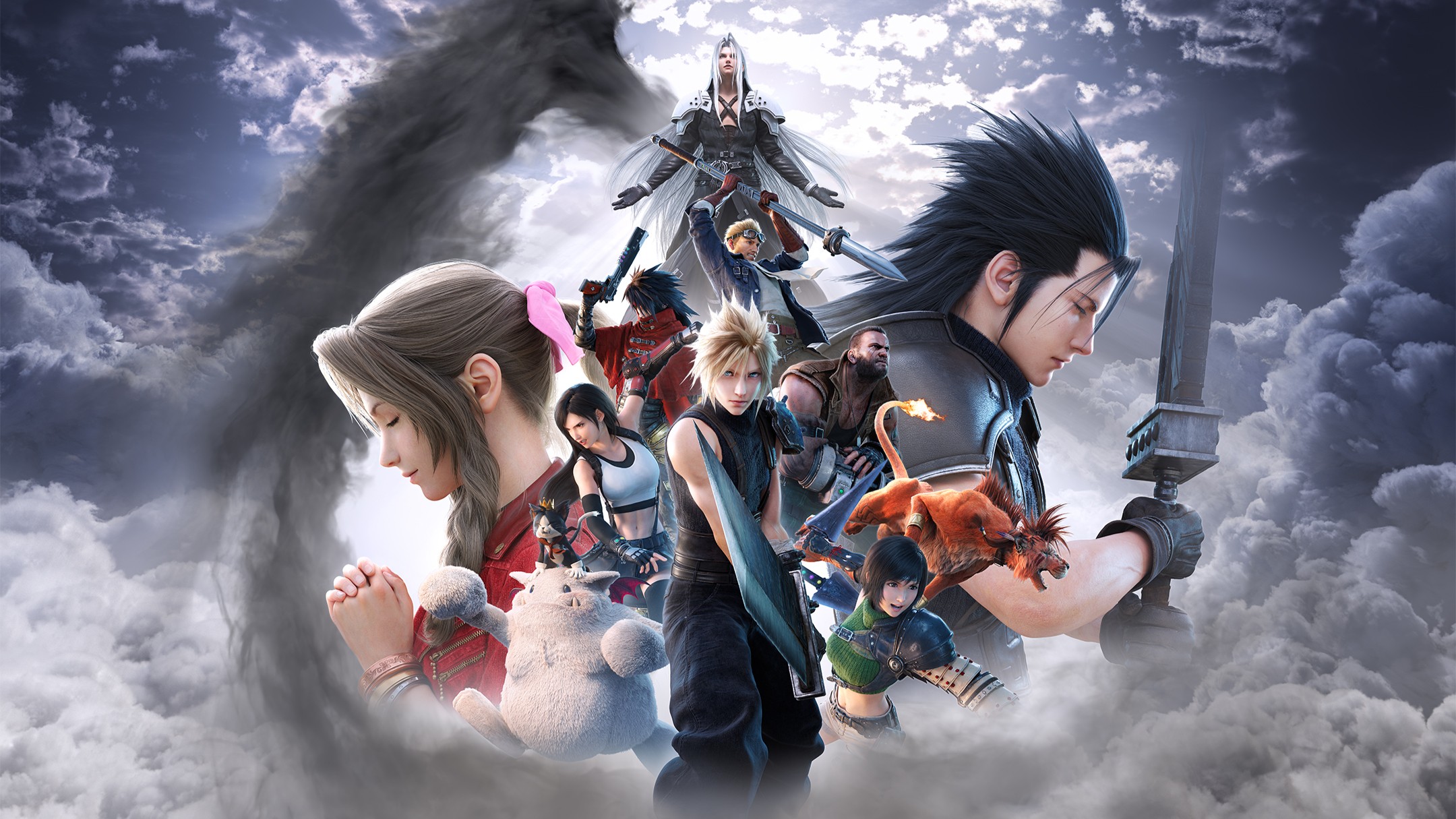
As the gaming industry braces for one of its most anticipated finales, Square Enix is preparing to close the book on its monumental reimagining of a PlayStation classic. Set for release on April 8, Final Fantasy VII Revelation represents the culmination of a decade-long development odyssey. Serving as the third and final installment in the Final Fantasy VII Remake trilogy, Revelation takes the monumental task of adapting the remaining third of the 1997 original and expanding it into a blockbuster gaming experience of unprecedented scale.
At the helm of this titanic project is Series Director Naoki Hamaguchi, whose transparent and candid approach to the game’s development has offered the public an extraordinary window into the realities of AAA game creation. From meticulous combat animations and minigame integration to the psychological depths of its sprawling cast, Revelation is poised to deliver a definitive, high-octane conclusion. Yet, beyond the immediate thrills of battling cosmic entities and traversing a 1:1 scale world map, the project stands as a rare, highly successful case study in long-term studio stability and creative continuity within modern game development.
Detailed Chronology: The Road to the Planet’s Final Stand
The narrative framework of Revelation picks up at the darkest and most desperate hour of the saga. Having manipulated Cloud and his companions throughout Remake and Rebirth, the legendary antagonist Sephiroth has enacted his ultimate scheme: summoning the destructive cosmic spell, Meteor, toward the planet with the express intent of annihilation.
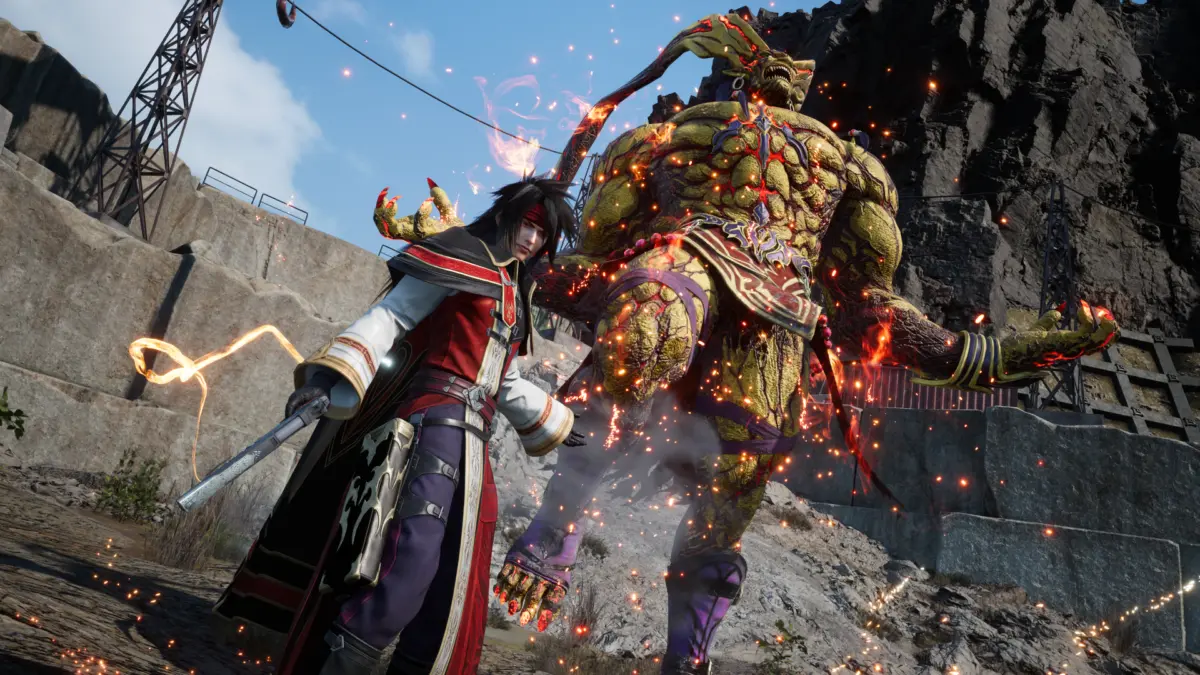
As the sky burns with the impending doom of the celestial body, Cloud Strife, Barret Wallace, Tifa Lockhart, and the rest of the core party find themselves standing as the planet’s final line of defense. However, they are not alone in their resistance. The planet itself begins to fight back, awakening the Weapons—colossal, kaiju-sized entities born from the lifestream that emerge from an enormous crater to unleash absolute mayhem across both land and sea.
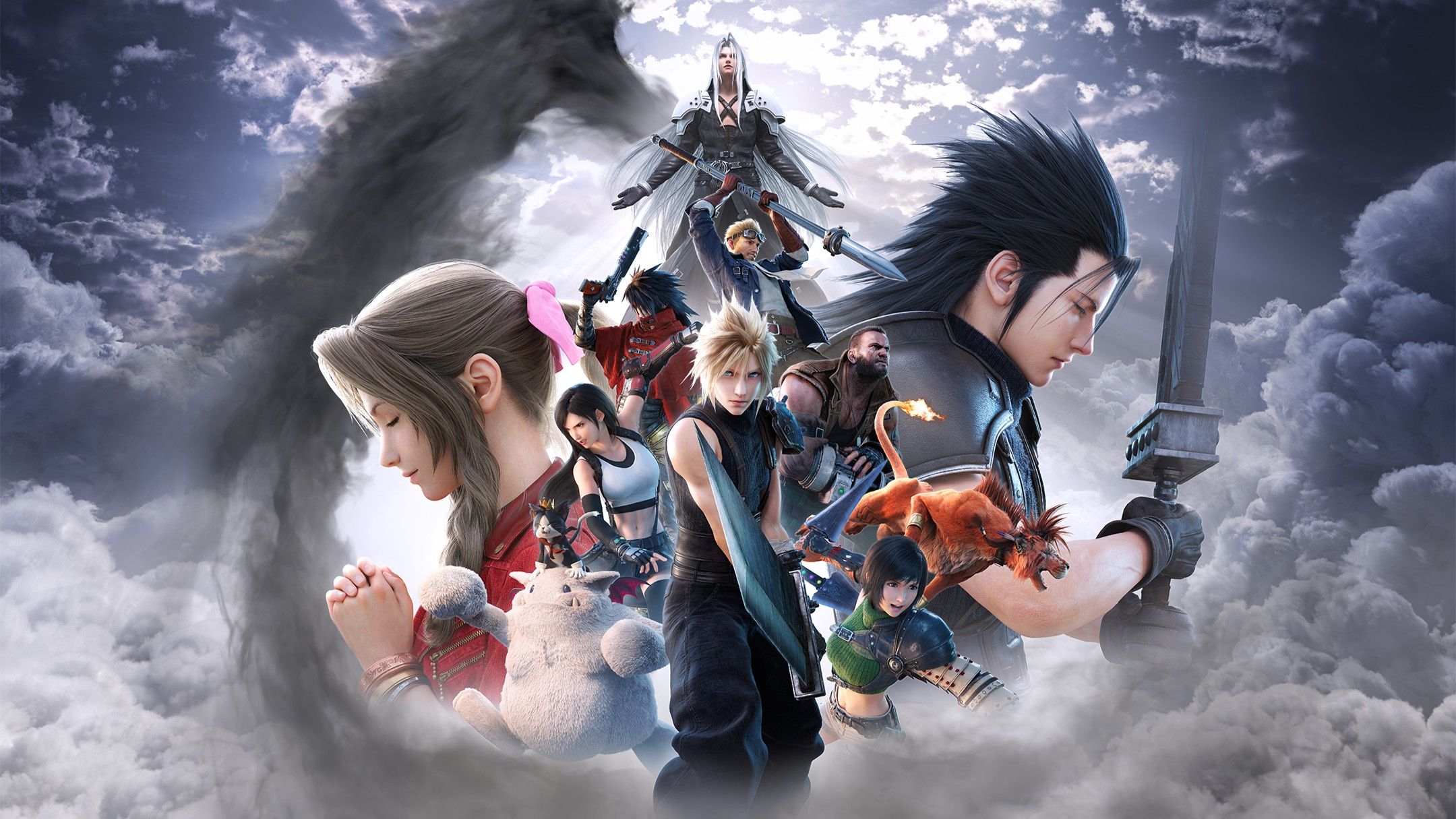
This final chapter covers the climax of the original 1997 title, translating legendary, polygon-era set pieces into modern, high-fidelity spectacles. Yet, the development team has been careful to manage player pacing and emotional resonance against the backdrop of an active apocalypse.
Speaking on how the narrative addresses the looming threat of Meteor alongside the freedom of open-world exploration, Hamaguchi emphasizes that the writing team, led by scenario writer Kazuhige Nojima, addressed potential player anxieties head-on. Rather than forcing a frantic, breakneck rush to the finish line that would invalidate optional exploration, the narrative leans into the characters’ internal psychology.
"The main story obviously gives you that time pressure," Hamaguchi explains. "But Cloud and all of the main characters are heading towards this final confrontation… they are also trying to find and discover their own motivations to make sure that they are certain of what they’re doing, to find a reason to move forward. So it’s not that you’re just rushing into this final battle. They’re saying, ‘Well, if this is the end, then let’s do what we want to do, let’s do what feels right for us along the way.’"
Consequently, fan-favorite diversions—ranging from high-stakes card games like Queen’s Blood to eccentric open-world challenges—remain firmly intact. The impending end of the world becomes a catalyst for the cast to resolve their personal journeys rather than a barrier to player freedom.
Supporting Context & Metrics: A Decade-Long Development Marvel
The sheer scale of Final Fantasy VII Revelation is difficult to overstate. It is the direct beneficiary of a 10-to-12-year development cycle shared by a remarkably consistent core team at Square Enix. In an era where major publishing houses frequently cycle through development studios, swap creative leads mid-project, and reboot concepts under mounting financial pressure, the Remake trilogy stands as an anomaly of institutional endurance.
The Sustainability of the Trilogy Model
When questioned about whether the multi-part remake model could serve as a sustainable blueprint for the broader AAA industry, Hamaguchi offers a measured and pragmatic assessment. While he acknowledges the profound business success and internal trust built over the past decade, he remains skeptical of whether other publishers can easily replicate the feat.
"I can’t say whether in the future anyone else will decide that they’re going to take a famous old game and remake it as a multi-part series," Hamaguchi admits. "Whether this becomes a model case or a template is, I think, a bit of a difficult question, because it becomes a question of whether or not other teams can recreate that."
The primary obstacle, according to Hamaguchi, is maintaining consistent leadership. The presence of a single, highly motivated visionary steering the project from inception to completion has preserved its stylistic and thematic integrity. If the executive leadership were to rotate across installments, the artistic trajectory, pacing, and core themes would inevitably fracture.
Expanding the Lore and Roster Depth
Revelation leverages its status as the third entry to introduce mechanical and narrative expansions that outpace its predecessors. The game features:
- The Highwind Airship: Fully playable and dynamically integrated into open-world traversal, satisfying a decades-long fan aspiration.
- The Weapons: Iconic boss encounters split between mandatory story beats and ultra-challenging endgame side content, featuring intricate strategic mechanics.
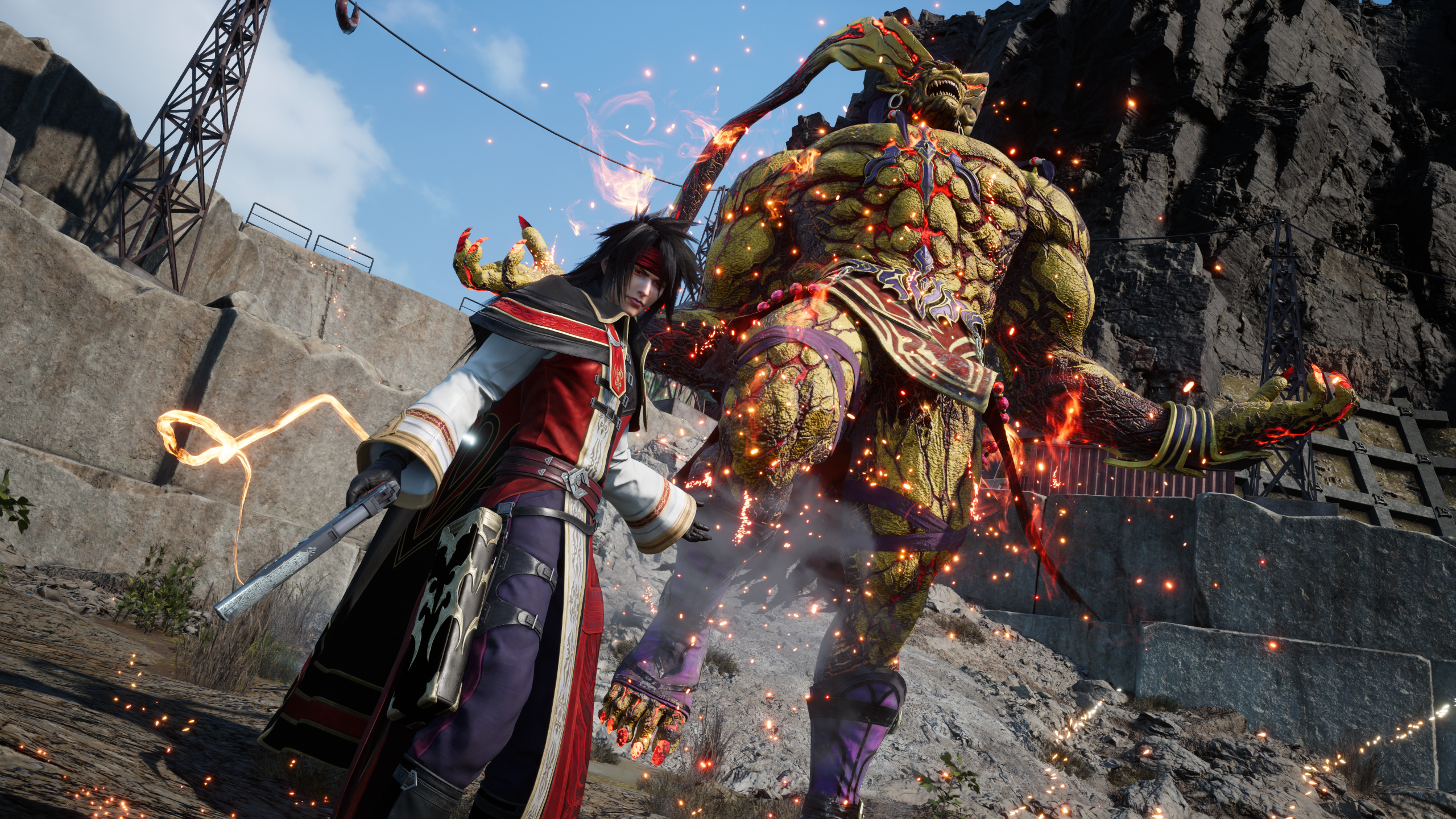
- Expanded Character Arcs: Optional characters from the 1997 original—namely Yuffie Kisaragi and Vincent Valentine—receive deep narrative integration, elevating them to core pillars of the main plot.
- Rocket Town & Cid Highwind: A significantly expanded Rocket Town setting where players utilize Cid’s customizable car for open-world transit, complete with unlockable background music tracks.
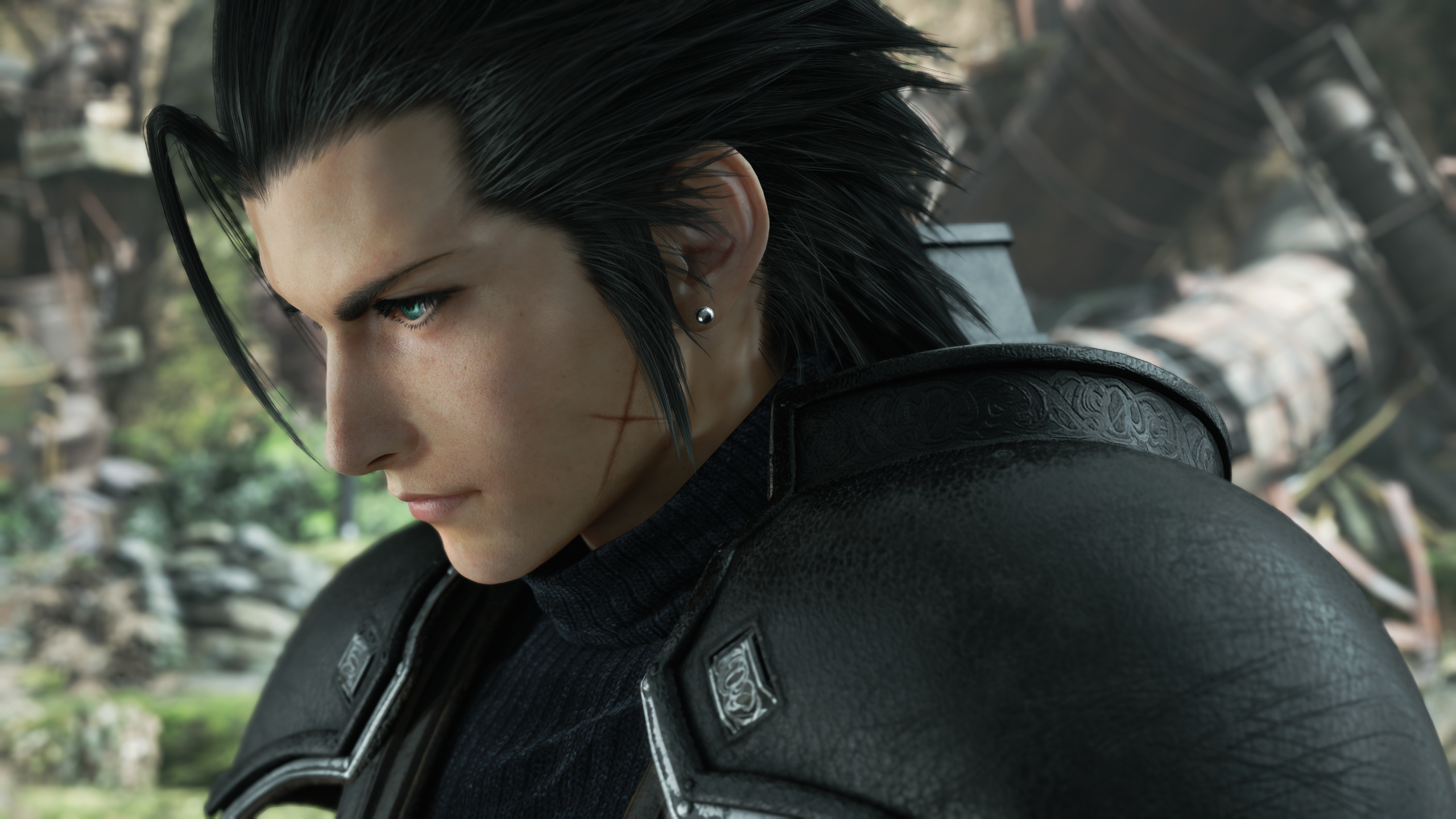
- Zack Fair’s Expanded Role: Expanding far beyond brief flashback sequences or cameo appearances, Zack features significantly more playable sections complete with a dedicated, distinct combat system and skill tree progression.
Official Statements: Insights from Director Naoki Hamaguchi
Throughout the promotional campaign for Revelation, Hamaguchi has consistently defied industry norms regarding tight-lipped corporate messaging, offering granular details that shed light on both creative risks and fan service fulfillment.
Marketing the Unspoiled
A notable point of discussion has been Square Enix’s aggressive marketing strategy, which has openly showcased elements traditionally guarded as sacred secrets—most notably, the terrifying scale and presence of the Weapon bosses in the open world.
Addressing why the team chose to reveal these encounters during events like Gamescom, Hamaguchi notes a deliberate shift in philosophy. While the marketing for Remake and Rebirth centered heavily on character introductions and emotional beats, the push for Revelation prioritizes mechanical spectacle and gameplay scale.
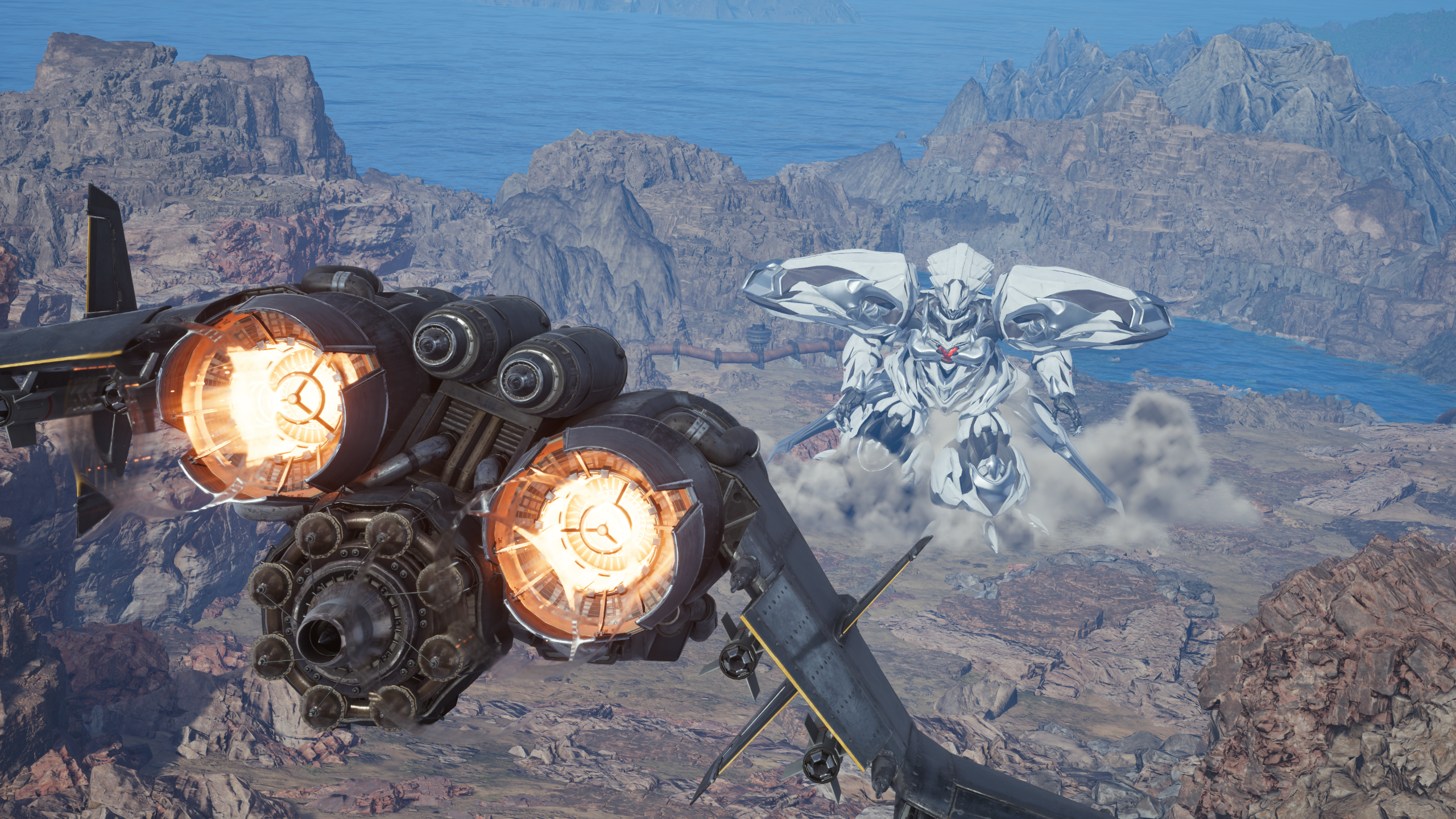
Regarding the balance of difficulty for these legendary foes, Hamaguchi clarifies: "In terms of how strong and how difficult the Weapons are going to be, as with the original, some of the Weapons are going to be part of the main story, and some of them are side content… Those that are part of the main story need to be defeatable by most players, so I would say the difficulty there is somewhat lower. For those that are part of side content, I would say those are hard, and you’re probably going to need to be a higher level than you would have been to complete the game."
The Ultimate Showdown with Sephiroth
Addressing the elephant in the room—how the team plans to top Rebirth’s multi-phase, spectacle-heavy climax against Sephiroth—Hamaguchi offers a playful deflection before confirming fan expectations.
"First let me just say that we haven’t said whether there will be a dramatic showdown with Sephiroth in this third of the series," Hamaguchi laughs, before quickly conceding, "However, if there wasn’t a dramatic showdown with Sephiroth, I do think the fans would be angry, so there will be one!"
He guarantees that the final encounter will far exceed the scope of anything seen in the previous two games, heavily hinting at the inclusion of iconic series traditions, such as Cloud’s legendary "Omnislash" Limit Break, wrapped in an extravagant, high-end battle designed to push modern hardware to its absolute limits.
Future Outlook
As Final Fantasy VII Revelation approaches its April 8 launch date, it stands at the intersection of heavy nostalgia and cutting-edge technical ambition. For Square Enix, the release will mark the conclusion of a monumental gamble initiated nearly ten years ago—a bet that a single, beloved PlayStation title could sustain a modern, multi-billion-dollar AAA trilogy without losing its creative soul.
While critical conversations surrounding the series often debate the fine line between rich, generous content design and overstuffed pacing, there is no denying the sheer magnetism of Hamaguchi’s vision. Watching the Highwind glide effortlessly over a 1:1 scale world map encapsulates a rare kind of gaming magic—one born from a decade of unbroken team cohesion, unwavering leadership, and an unapologetic desire to give fans every single feature they dreamed of back in 1997, and then some.
When the dust settles on the Planet’s final crisis, the legacy of the Remake trilogy will likely be judged not just by its individual gameplay mechanics, but as a monumental testament to what can be achieved when a development team is given the time, trust, and resources to see a colossal vision through to its ultimate revelation.