Executive Overview
In a landmark revelation that has sent shockwaves through the MMORPG community, veteran developer Jagex has officially announced the working-title project "RuneScape 4." Unveiled during the opening ceremonies of the annual RuneFest convention, the next-generation massively multiplayer online game represents a seismic shift for one of the longest-running and most influential intellectual properties in PC gaming history.
Rather than emerging from a traditional, clean-sheet conceptualization phase, RuneScape 4 is the direct result of an organic pivot. It evolved from a planned, major expansion for Jagex’s survival game, Dragonwilds. According to early details emerging from the event, playtest feedback played a pivotal role in this metamorphosis; participants persistently expressed a desire for a traditional, deeply systemic MMO experience set within the atmospheric world and aesthetic framework of the survival title.
Engineered using modern game engine technology—specifically Unreal Engine, though developers have yet to confirm whether it utilizes Unreal Engine 5 or an upcoming iteration—RuneScape 4 aims to bridge a stylistic chasm. The teaser trailer showcases a striking hybrid visual identity: it incorporates the modern flourishes of RuneScape 3, the nostalgic, golden-era fantasy charm of Old School RuneScape (OSRS), and a vibrant, high-fantasy art direction reminiscent of classic Japanese role-playing games like Dragon Quest.
While Jagex has historically managed a multi-generational ecosystem of games, the announcement of RuneScape 4 raises profound questions regarding character progression, server lifecycles, and how the studio plans to balance its existing heavyweights—Old School RuneScape and RuneScape 3—with this ambitious new flagship project.
Detailed Chronology: From Dragonwilds Expansion to Flagship MMO
The journey toward RuneScape 4 did not begin in a corporate boardroom discussing sequel metrics; rather, it started on the drafting boards of Dragonwilds, Jagex’s recent survival game entry.
The Playtest Catalyst
During internal and closed-group playtests for the Dragonwilds expansion—which was originally slated for a targeted 2027 release window—development teams noticed a recurring behavioral trend among testers. While the survival mechanics, resource gathering, and base-building loops were well-received, players overwhelmingly gravitated toward the lore, environmental storytelling, and stylized fantasy architecture of the world. More importantly, they repeatedly asked Jagex’s designers for a traditional, persistent-world MMORPG experience built within that exact universe.
Recognizing the immense appetite for a true next-generation MMO follow-up, Jagex leadership made the bold decision to scale up the expansion. What was once intended as additional downloadable content for a survival spin-off was aggressively re-scoped into a full-fledged, standalone MMORPG: RuneScape 4.
The RuneFest 2026 Reveal
The transformation of the project culminated this weekend at RuneFest 2026. As the convention hall darkened, Jagex broadcasted the world-premiere teaser trailer for RuneScape 4, instantly dominating gaming forums, social media channels, and industry news feeds.
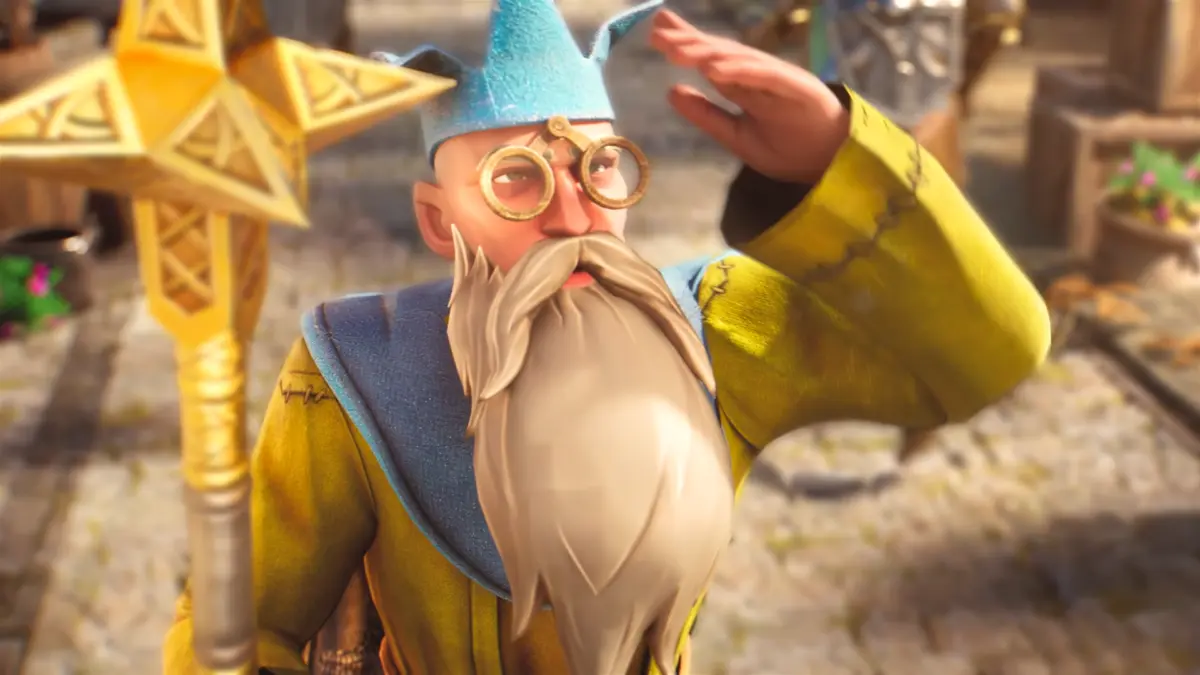
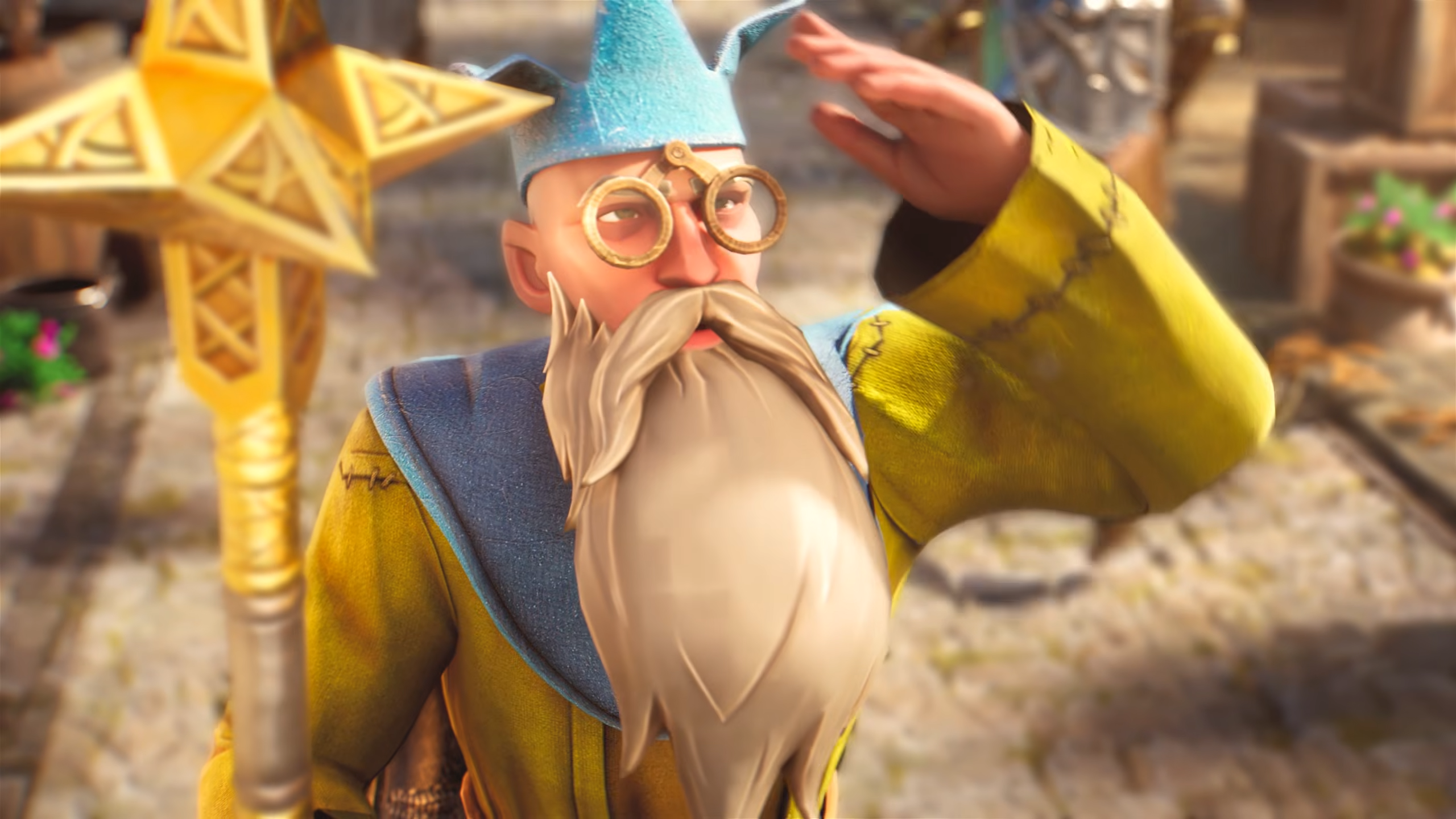
The trailer immediately established a distinct visual and narrative tone. Set in a lush, verdant valley dwarfed by massive, floating landmasses, the scene depicted a quintessential, high-fantasy medieval town reminiscent of classic JRPGs. The tranquility of the valley was abruptly shattered as an adventurer riding a tamed dragon came under fierce assault by a terrifying, three-headed draconian beast, while a robed wizard watched the aerial skirmish from the safety of the cobblestone streets below. The teaser concluded on an inviting, nostalgic note: the wizard turns to welcome a fresh-faced newcomer to the city gates, signaling a thematic return to the classic "adventurer’s journey" that defined the early days of the franchise.
Supporting Context & Metrics: The Evolution of a Legend
To understand the weight of the "4" in RuneScape 4, it is necessary to examine how Jagex has historically cataloged and iterated upon its crown jewel over the past quarter-century.
Mapping the Numbered Iterations
- RuneScape Classic (RuneScape 1): Launched in January 2001 as a browser-based, 2D isometric Java game created by Andrew and Paul Gower. It laid the foundational lore, skills, and open-ended sandbox gameplay that would define an entire generation of internet users.
- RuneScape 2 (RuneScape): Released in March 2004, this monumental update transitioned the game into full 3D, overhauled the combat and interface systems, and introduced a vastly expanded world map. For millions of players, this era represents the definitive RuneScape experience.
- RuneScape 3: Launched in July 2013, RuneScape 3 marked another massive technical evolution. It migrated the game off the aging Java applet framework and onto an HTML5-adjacent client architecture, introduced microtransactions, updated graphics with advanced lighting and customizable user interfaces, and implemented the controversial "Evolution of Combat" (EoC) system.
- Old School RuneScape (OSRS): Released in 2013 as a direct response to player backlash over the changes in RuneScape 3, OSRS preserves a snapshot of the game as it existed in August 2007. Over the years, OSRS has grown organically through player-voted content updates, eventually eclipsing RuneScape 3 in concurrent player counts and cultural footprint to become Jagex’s most commercially and critically successful product.
- RuneScape 4 (Working Title): Representing the next grand leap, RuneScape 4 abandons legacy browser constraints entirely, jumping to a modern game engine (Unreal Engine) to deliver cinematic fidelity, modern physics, and seamless world streaming while retaining the systemic depth of its predecessors.
The Technical and Financial Stakes
Jagex has long been a heavyweight in the live-service sector. Following years of steady growth, private equity acquisitions, and shifting corporate ownership, the studio has consistently prioritized community engagement and iterative development.
The decision to build RuneScape 4 on Unreal Engine signifies a massive capital investment. While transitioning a community of fiercely loyal MMO players to a new engine and client is notoriously fraught with risk—as witnessed during the rocky rollout of RuneScape 3’s combat changes—the potential reward is capturing a modern gaming audience that demands high-fidelity graphics alongside deep, old-school progression systems.
Official Statements and Industry Insights
While formal press releases from Jagex are still rolling out, initial commentary from developers at RuneFest 2026 sheds light on the studio’s design philosophy for the project.
Speaking anonymously to industry reporters on the convention floor, members of the development team emphasized that RuneScape 4 is intended to honor the spirit of exploration and player agency that made the 2000s era of the franchise so magnetic, while aggressively modernizing the mechanical underpinnings.
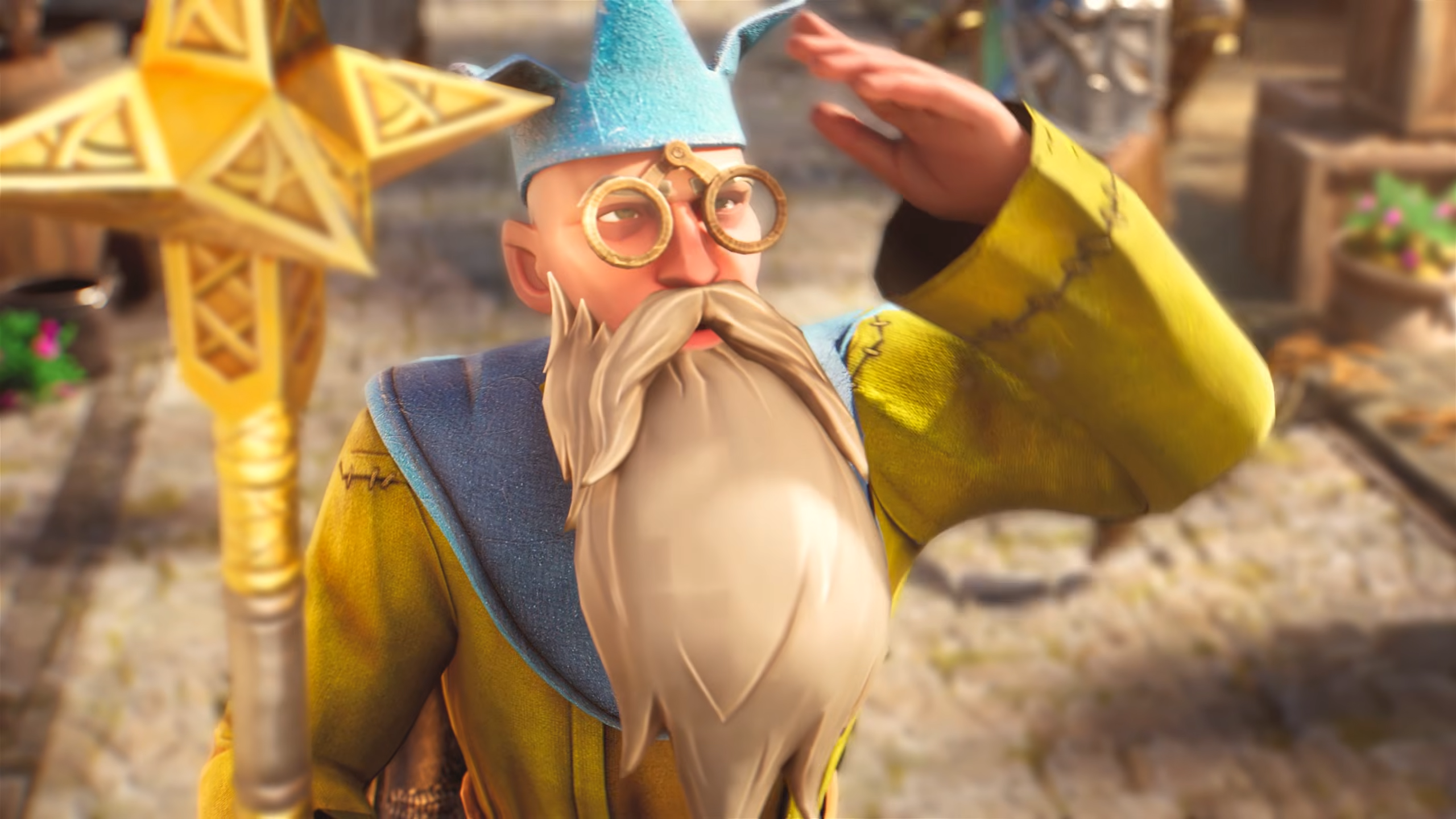
"We listened closely to what our community was telling us during the early playtests for the Dragonwilds expansion," noted one developer close to the project. "Players didn’t just want a survival game with RuneScape-themed assets; they wanted to live, breathe, and fight in a living, evolving world built with modern tools. Scaling this project up into RuneScape 4 was the only way to deliver the scale, immersion, and depth that our players expect from a true next-generation Jagex MMO."
Industry analysts have noted that the move is a calculated defensive and offensive maneuver. With MMORPGs experiencing a renaissance driven by mature players seeking nostalgia paired with modern conveniences, Jagex is positioning its flagship IP to capture both aging veterans and a younger demographic accustomed to Unreal Engine-powered visuals.
Future Outlook: What Lies Ahead for Gielinor
As the dust settles on the initial announcements at RuneFest 2026, several critical questions remain unanswered for the community:
- Character Progression and Account Continuity: One of the most sensitive topics for longtime players is whether character stats, wealth, and achievements will transfer from RuneScape 3 to RuneScape 4, mirroring how RuneScape 2 seamlessly transitioned into RuneScape 3. Conversely, will RuneScape 4 launch as an entirely clean slate, forcing all adventurers to start anew?
- The Fate of RuneScape 3: With Old School RuneScape maintaining a dedicated, massive player base and RuneScape 4 looming on the horizon, industry watchers are eagerly waiting to see how Jagex intends to support three distinct concurrent iterations of the same universe without diluting its player base.
- Release Timelines: Given that the original Dragonwilds expansion was targeting a 2027 release window, the monumental task of scaling that project into a full-scale, next-gen MMORPG will almost certainly push the official launch of RuneScape 4 further out. Playtesting phases, closed betas, and technical alpha tests will likely dominate Jagex’s roadmap for the next several years.
PC Gamer features producer Mollie Taylor, reporting live from the ground at RuneFest 2026, will continue to provide on-the-ground coverage, developer interviews, and deep dives into the technical specifications of RuneScape 4 as more details emerge throughout the weekend.
For now, adventurers across Gielinor—whether chopping yew logs in Old School or battling high-level bosses in RuneScape 3—have a monumental new horizon to look toward. Gielinor is expanding, and the next chapter of RuneScape history has officially begun.