Executive Overview
Just weeks after closing the curtain on its major autumn product cycle—which famously introduced the iPhone 18 Pro and the iPhone Duo—Apple is preparing to return to the global stage. According to deep-sourced reports from Bloomberg’s Mark Gurman, Cupertino is gearing up for a targeted, dedicated product showcase on Tuesday, October 13.
While initial industry chatter debated whether Apple would quietly roll out its next generation of smart home hardware via simple press releases, recent intel confirms that the tech giant is planning a bona fide media event. At the heart of this upcoming presentation are three core hardware refreshes and brand-new form factors: Apple’s long-rumored smart home hub featuring an integrated display (tentatively referred to in developer circles as the "HomePad"), a newly updated HomePod mini, and a heavily revised Apple TV set-top box.
What unites this trifecta of upcoming devices is not merely their form factor, but the deeply embedded presence of next-generation Siri AI. As Apple continues to decentralize its artificial intelligence ecosystem from pocket-sized smartphones into the ambient spaces of living rooms, kitchens, and offices, the October 13 event promises to redefine how consumers interact with their home environments. This comprehensive report breaks down what to expect from the upcoming keynote, analyzes the structural shift in Apple’s product release strategy, and explores the strategic weight of Siri AI in the smart home arena.
Detailed Chronology: The Road to the October 13 Showcase
To understand the sudden emergence of an October event, one must trace the timeline of leaks, industry speculation, and supply chain movements that have unfolded over the past several months.
The Late-Summer Hardware Wave
In September, Apple commanded global headlines with its traditional hardware gala. The event delivered the high-end iPhone 18 Pro, equipped with advanced sub-surface camera technology and revolutionary energy-efficiency metrics, alongside the consumer-focused iPhone Duo. For most tech enthusiasts, this cycle signaled the end of major hardware unveilings for the calendar year, setting the stage for a quiet holiday shopping season punctuated only by routine software updates.
The Initial Leak: Hardware Without a Stage
However, rumblings in late September began to paint a different picture. Initial reports from Bloomberg indicated that Apple was preparing a trio of smart home products slated for release around October 13. At the time of that preliminary leak, however, insider consensus was split. Analysts and journalists debated whether hardware of this scale—particularly a brand-new product category like a wall-mountable or desktop smart display—would warrant a full-scale keynote presentation, or if Apple would follow past precedents of dropping niche hardware updates through straightforward online press releases.
Prominent tech commentators weighed in vigorously. Industry veteran John Gruber famously threw cold water on the idea of a silent release, arguing on Daring Fireball that a product of the HomePad’s magnitude could not possibly be relegated to a press release. Gruber asserted that if the device was indeed ready for prime time, it demanded a carefully produced keynote video, high-production-value demonstrations, and dedicated hands-on media sessions to communicate its unique user interface and utility.
Gurman’s Confirmation: An Event is Locked In
The debate was decisively settled when Mark Gurman updated his subscription-based Power On newsletter. Confirming his earlier date of October 13, Gurman explicitly stated that Apple is not simply dropping products onto its online store; rather, the company is planning a formal event to unveil the ecosystem.
With official media invitations anticipated to hit press inboxes imminently, the tech world is now holding its collective breath to see if Apple’s newly appointed CEO, John Ternus, will maintain the traditional multi-day lead time for event invitations or introduce a novel approach to executive product launches.
The Lineup: What to Expect on October 13
Should Gurman’s reporting hold true, the October 13 event will mark one of the most significant expansions of Apple’s ambient computing ecosystem in years. Here is a granular look at the three products expected to take the spotlight.
+-----------------------------------------------------------------------------------+
|                        EXPECTED OCTOBER 13 PRODUCT LINEUP                         |
+---------------------+-----------------------------------+-------------------------+
| Product Category    | Primary Hardware Features         | Core Software Anchor    |
+---------------------+-----------------------------------+-------------------------+
| Smart Home Hub      | Integrated touch display, wall/   | Siri AI, HomeOS,        |
| ("HomePad")         | desktop mounts, intercom specs    | Continuous Interactivity|
+---------------------+-----------------------------------+-------------------------+
| HomePod Mini (2nd   | Acoustic redesign, spatial audio  | Siri AI, Intercom,      |
| Generation)         | mesh, ambient sensor suites       | Thread 2.0 Integration  |
+---------------------+-----------------------------------+-------------------------+
| Apple TV (Updated)  | Faster processor, Wi-Fi 7,        | tvOS, Smart Home        |
|                     | expanded smart home routing       | Control Center Hub      |
+---------------------+-----------------------------------+-------------------------+
1. The Smart Home Hub (The "HomePad")
Easily the most anticipated device of the trio, Apple’s upcoming smart home hub has been rumored under various code names for years. Industry tracking suggests this device will feature a dedicated touch-sensitive display designed to act as the visual and auditory command center for Apple HomeKit and Matter-enabled smart home accessories.
Unlike an iPad, which is fundamentally a personal computing device, this dedicated hub is engineered specifically for shared domestic spaces. It will reportedly support advanced proximity sensors to wake up when a user approaches, displaying glanceable information such as weather, calendar appointments, security camera feeds, and climate controls. The integration of cutting-edge voice recognition hardware will ensure that Siri AI can distinguish between different family members within the home, tailoring responses and access permissions accordingly.
2. The Next-Generation HomePod Mini
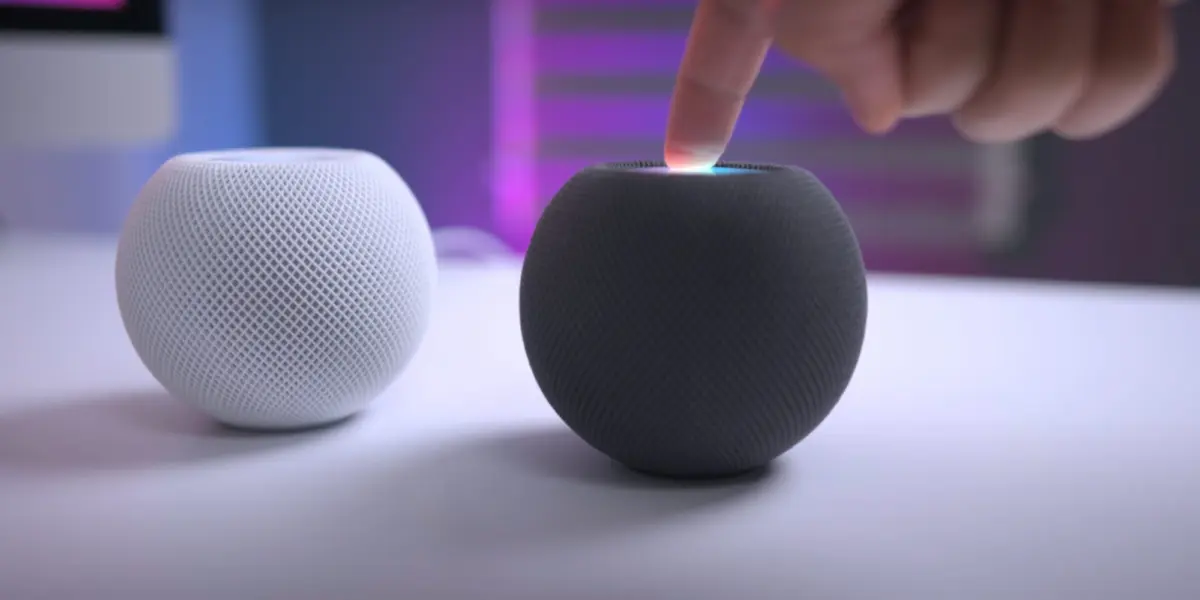
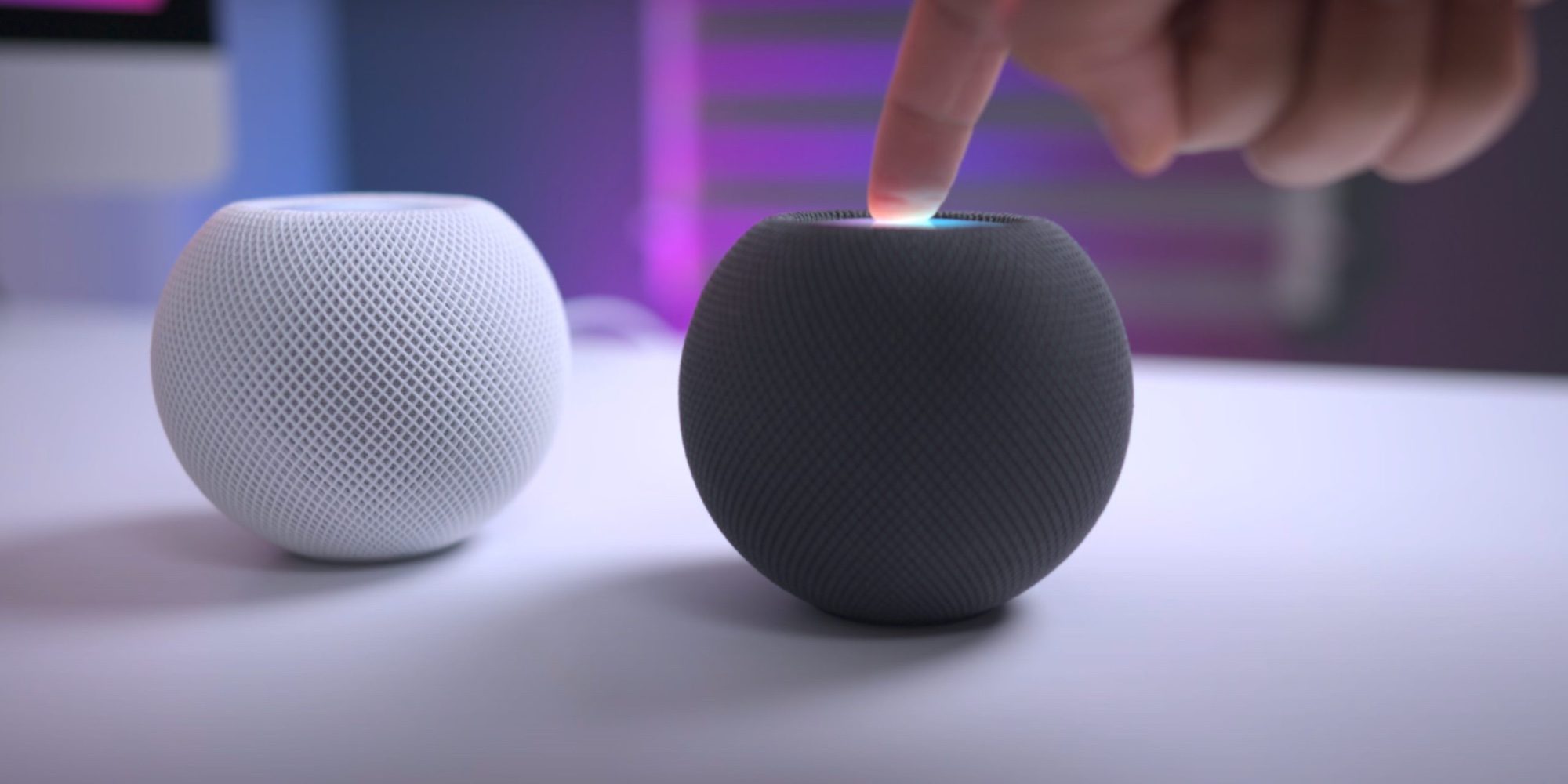
While the original HomePod mini remains a staple of budget-conscious smart speakers, its internal architecture has remained largely static since its debut. The October 13 event is expected to introduce a second-generation HomePod mini.
While exterior design shifts are expected to be subtle—likely focusing on refined acoustic mesh fabrics and perhaps new color options—the internal upgrades will be substantial. Powered by a newer generation Apple Silicon chip (potentially derivative of the S-series wearable processors), the new mini will serve as a localized compute node for running on-device Siri AI queries. Furthermore, enhanced Thread networking capabilities will solidify its role as a robust border router for the entire smart home network, reducing latency and dropping connection failures across smart bulbs, locks, and thermostats.
3. The Updated Apple TV
The Apple TV set-top box has long been lauded for its fluid tvOS interface and pristine video playback capabilities, but its hardware update cycles have historically been erratic. The upcoming revision aims to cement the Apple TV’s position not just as a media consumption device, but as the foundational compute backbone of the living room entertainment ecosystem.
Expectations for the updated Apple TV include a faster system-on-chip to handle demanding on-device generative AI tasks, upgraded Wi-Fi connectivity standards (potentially Wi-Fi 7), and deeper integration with spatial audio ecosystems. As televisions continue to double as smart home control centers, the new Apple TV will likely feature an overhauled Control Center interface designed to interface seamlessly with the new smart home hub and HomePod line.
Supporting Context & Ecosystem Metrics
To contextualize why Apple is dedicating an entire event to smart home hardware, one must examine the broader macroeconomic and technological shifts occurring within the consumer electronics sector.
The Ambient Computing Shift
For over a decade, consumer technology has been dominated by the "screen in your pocket"—the smartphone. However, market saturation in mature markets like North America and Western Europe has forced companies like Apple to look toward ambient computing: technology that recedes into the background until summoned.
The smart home market, while historically fragmented by incompatible protocols and privacy concerns, has seen rapid stabilization following the widespread adoption of the Matter smart home standard. By aligning its hardware ecosystem with universal interoperability, Apple has positioned itself to capture high-margin device sales from consumers who are increasingly automating their living spaces.
The Role of Siri AI
The defining narrative of Apple’s current product generation is the rollout of foundational, privacy-focused artificial intelligence. While initial Siri AI integrations focused heavily on text summarization, writing tools, and personal productivity on iPhones and Macs, bringing these capabilities to home hardware represents a significantly more complex engineering challenge.
Unlike cloud-dependent voice assistants, Apple’s hardware strategy hinges on on-device processing via Apple Silicon to ensure user privacy. A smart home hub listening passively in a kitchen or living room demands rigorous security protocols. By processing localized requests—such as adjusting a thermostat, locking a door, or querying personal calendar items—directly on the device’s secure enclave, Apple aims to differentiate its ecosystem from competitors like Amazon and Google, whose business models traditionally rely heavily on cloud data aggregation.

Official Statements and Industry Commentary
While Apple’s corporate communications team has maintained its customary pre-event silence regarding the specific agenda for October 13, industry insiders and analysts have offered robust commentary on the strategic implications of the upcoming hardware drop.
The Gurman Perspective
In his Power On dispatch, Mark Gurman emphasized the unified theme connecting the upcoming announcements:
"Apple is planning to hold an event on Oct. 13 to unveil its long-awaited smart home hub with a screen, the new HomePod mini and an updated Apple TV. All three devices will have Siri AI at the core."
Gurman’s framing underscores a deliberate pivot by Apple: these are not disparate accessory updates, but rather three pillars of a unified ambient computing strategy designed to lock users deeper into the Apple Home ecosystem.
The Leadership Dynamics Under John Ternus
This October event also marks an intriguing operational milestone. As newly minted CEO John Ternus settles into his role, observers are closely watching to see how his leadership style influences product rollouts. Known for his engineering background and prominent roles in hardware design during the iPad and Mac renaissances, Ternus is widely expected to champion a hands-on, hardware-forward presentation style. Whether the October 13 event signals a permanent shift toward more frequent, focused hardware showcases outside of the traditional September and WWDC windows remains a key storyline to watch.
Future Outlook: What Lies Beyond October 13
Should the October 13 event unfold as predicted, the remainder of the fourth quarter will serve as a critical crucible for Apple’s ambient AI strategy.
Market Reception and Consumer Adoption
The success of the rumored smart home hub ("HomePad") will depend largely on pricing and ecosystem integration. If Apple prices the device competitively against established smart displays from Amazon (Echo Show) and Google (Nest Hub), it could quickly capture a significant share of the premium smart home market. Conversely, if the device commands a traditionally steep Apple tax, its adoption may be limited to power users deeply embedded in the Apple HomeKit ecosystem.

Software Evolution at WWDC and Beyond
Looking further ahead to 2027 and beyond, the introduction of these hardware platforms will necessitate continuous software evolution. Developers will be watching closely for new APIs that allow third-party applications to leverage the touch interfaces and AI capabilities of Apple’s new smart home devices.
As Siri AI continues to evolve from a reactive voice assistant into a proactive, contextual agent, the living room will serve as the primary testing ground for how humans interact with ambient intelligence. The October 13 event may well be remembered not just for the gadgets it introduces, but as the moment Apple officially bridged the gap between personal computing and ambient domestic automation.
What are your thoughts on Apple’s upcoming October event? Do you believe a wall-mounted smart display warrants a full keynote, or should these products have been released via press release? Let us know your predictions in the comments below.