As the video game industry hurtles toward its most monumental launch in over a decade, the boundary lines separating virtual parodies from real-world municipalities are increasingly blurring. Rockstar Games and its parent company, Take-Two Interactive, have historically relied on a bedrock of controversy, satirical excess, and high-octane marketing to propel their Grand Theft Auto franchise into the cultural stratosphere. With Grand Theft Auto 6 casting its fictional gaze squarely upon "Leonida" and its neon-drenched crown jewel, "Vice City"—direct analogues to the state of Florida and the city of Miami—the promotional machine has shifted into high gear.
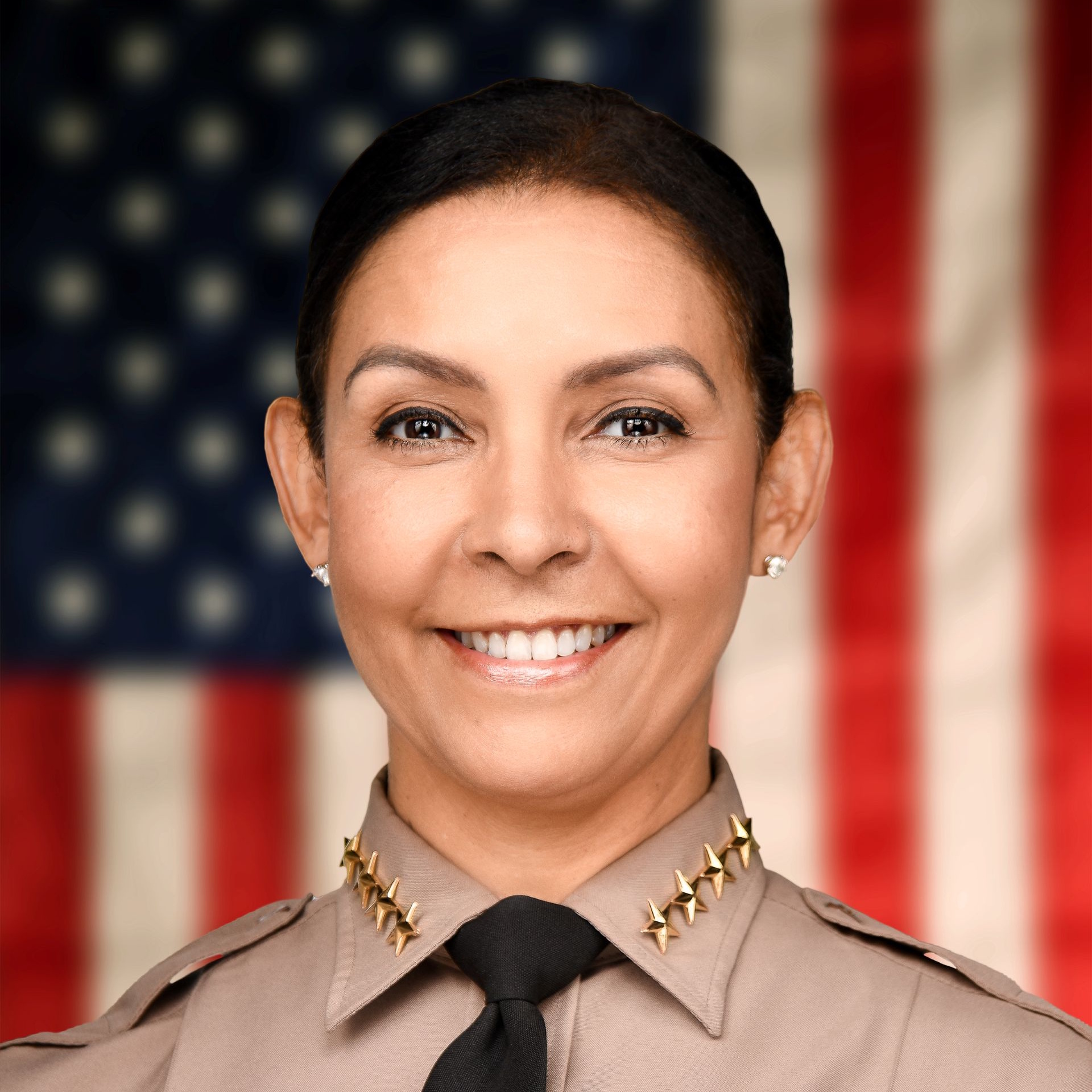
However, bringing a franchise famous for rampant virtual criminality, lawlessness, and satire of American law enforcement into the physical spaces that inspired it was never going to be a frictionless endeavor. In late 2026, as promotional campaigns began to materialize across South Florida, a sharp public friction emerged. Miami-Dade Sheriff Rosie Cordero-Stutz publicly lambasted a proposed partnership that would have leveraged public infrastructure to promote the blockbuster title. The sheriff argued that associating public assets with a game centered on murder, drug trafficking, and violence against peace officers crossed an ethical line.
Yet, as the weeks progressed, a nuanced compromise unfolded. The friction between law enforcement and corporate PR revealed a modern playbook for managing AAA video game marketing in real-world urban centers. While public officials drew firm boundaries regarding government-owned infrastructure like transit systems and international airports, private sector entities—from beach hospitality groups to iconic NBA arenas—embraced the windfall of the GTA association. This report examines the collision between Grand Theft Auto 6’s unprecedented marketing blitz, the moral anxieties of local law enforcement, and the pragmatic commercial embrace that ultimately allowed Vice City to bleed into the sun-soaked streets of Miami.
Detailed Chronology
The intersection of Grand Theft Auto 6 marketing and Miami civic politics unfolded across a volatile multi-month timeline, marked by sudden policy shifts, public rebukes, and commercial real estate takeovers.
September 2026: The Initial Clash and Tokyo Game Show Presence
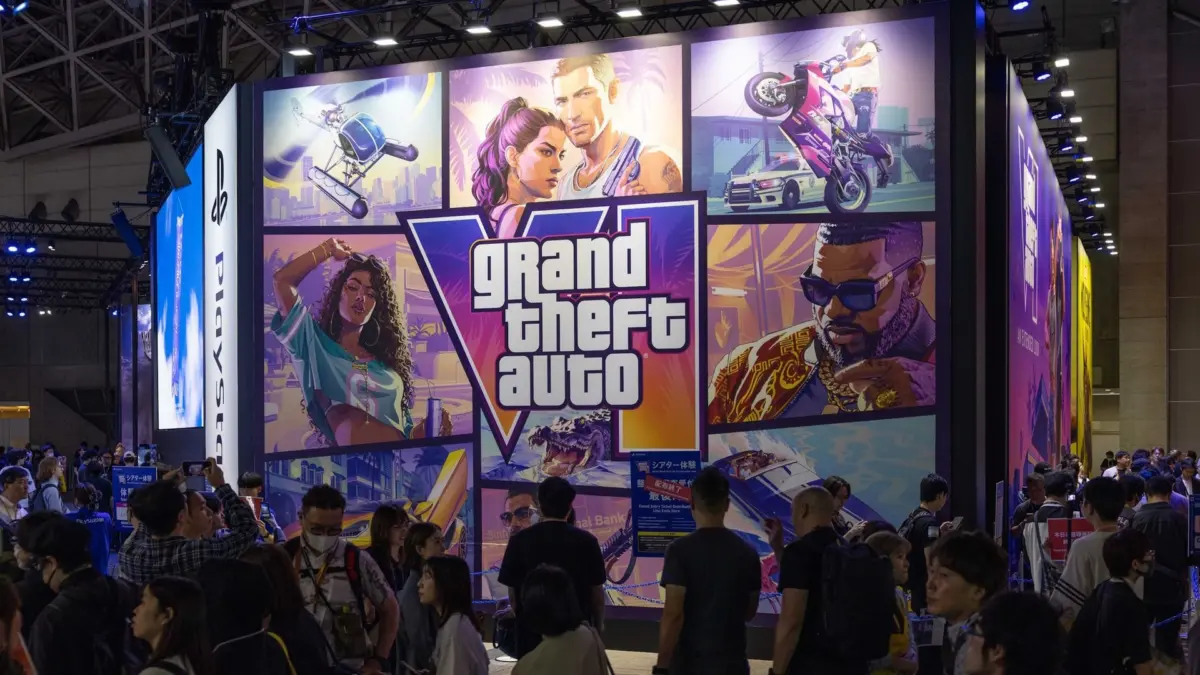
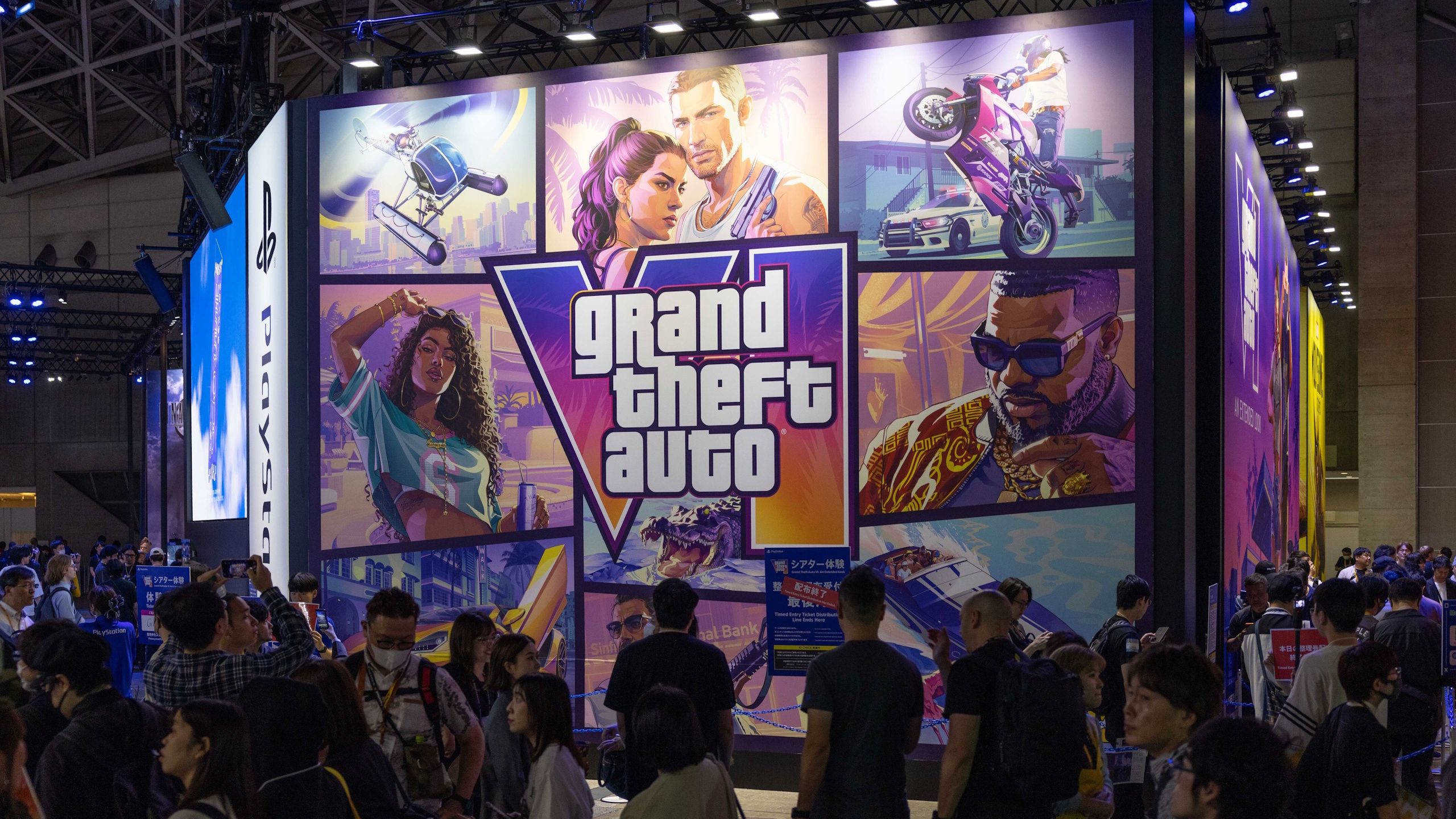
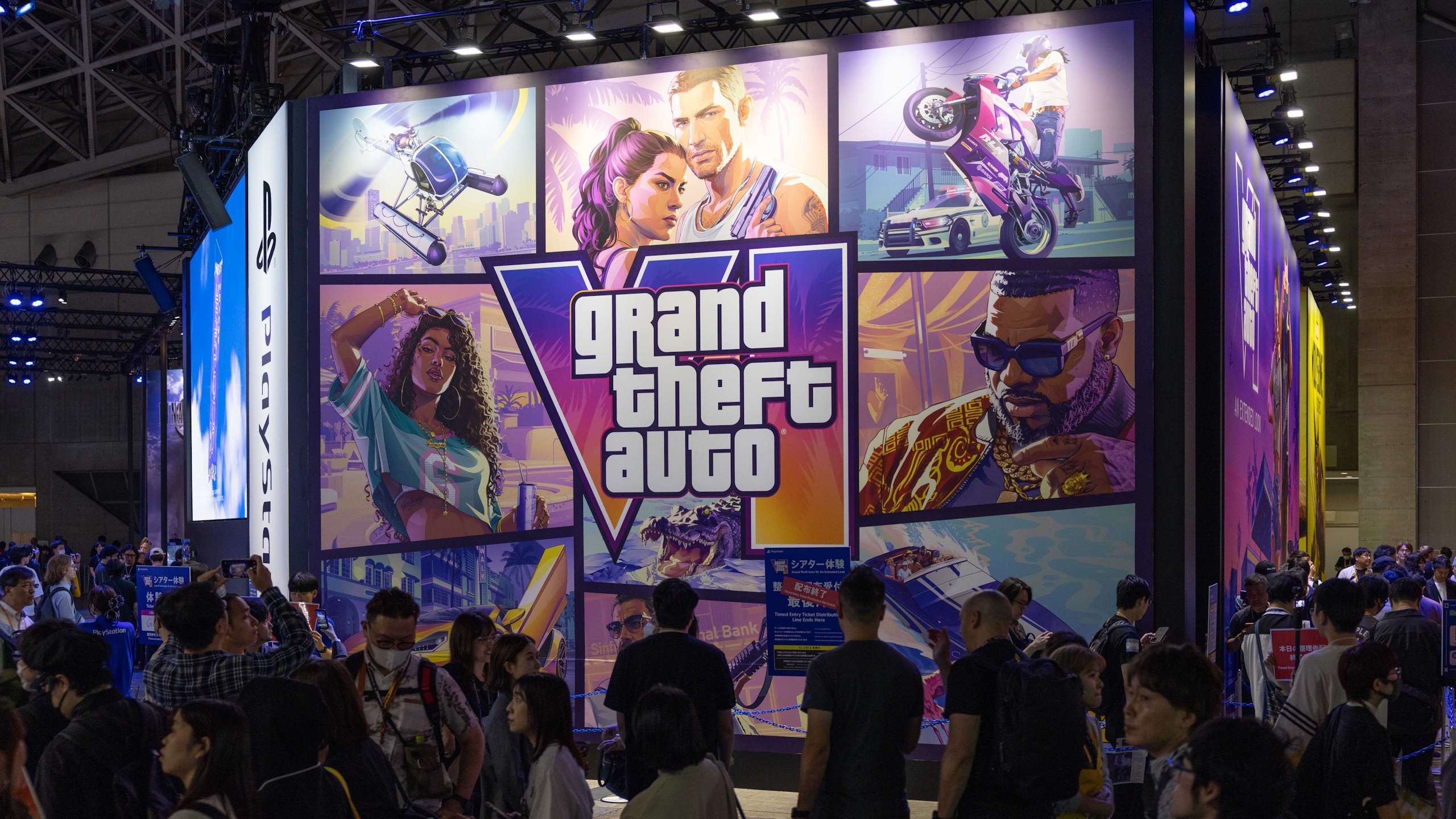
The narrative kicked off in mid-September 2026, coinciding with the milestone 30th anniversary of the Tokyo Game Show at Makuhari Messe in Chiba, Japan. Amidst global fanfare and massive exhibition booths dedicated to the title, Rockstar and Take-Two intensified their external promotional strategies.
As details of proposed public-private partnerships leaked in South Florida, Miami-Dade Sheriff Rosie Cordero-Stutz stepped forward to register official opposition. Pointing to the core themes of the franchise, she issued a stern public statement denouncing any municipal involvement that would endorse or promote GTA 6 via public properties. Despite the early controversy, the momentum of the marketing campaign proved unstoppable. Later that same month, the City of Miami Beach council weighed the pros and cons of an associated promotional campaign, ultimately voting in favor of a discreet rollout managed by private hospitality entities rather than direct municipal endorsement.
October 2026: The Corporate Takeover and "Night in Vice City"
By October, the marketing strategy escalated from subtle nods to sweeping, unmistakable urban takeovers. The Kaseya Center—the premier downtown arena hosting the NBA’s Miami Heat—became a focal point of the campaign. Crews erected a towering "Welcome to Vice City" sign across the venue’s roofline, strategically positioned to catch the eyes of incoming passengers descending into Miami International Airport.
The synergy reached its zenith when the Miami Heat announced a specialized, one-night-only promotional event dubbed the "Night in Vice City" campaign. This partnership effectively rebranded the arena and team aesthetics in official GTA 6 livery, signaling a massive cultural crossover between professional sports and interactive entertainment.
Late October to Present: Clarification and Normalization
As the initial shock of the campaign faded, the Miami-Dade Sheriff’s Office moved to clarify the scope of the sheriff’s original comments. In statements provided to gaming and news media, departmental representatives drew a definitive line between public infrastructure and private enterprise. With police officers on the ground largely brushing off concerns—noting that a video game would not transform Miami into an active warzone—the initial wave of moral panic gave way to an acceptance of the economic and cultural realities of hosting the world’s most anticipated entertainment launch.
Supporting Context & Metrics
To understand the magnitude of the Grand Theft Auto 6 marketing push, one must look at the unprecedented scale of both the game’s development footprint and the economic ecosystem of Miami-Dade County.
The Economic Footprint: Miami-Dade County encompasses a sprawling metropolitan population exceeding 2.7 million residents, welcoming tens of millions of tourists annually. The region’s economy relies heavily on tourism, nightlife, and hospitality—sectors that Rockstar’s satirical lens targets and simultaneously amplifies.
The Scale of the Tokyo Game Show 2026: Proving the global appetite for the franchise, the September 2026 Tokyo Game Show—despite a truncated schedule due to safety concerns—drew over 250,000 visitors across four days, with GTA 6 occupying one of the most heavily trafficked exhibition spaces on the convention floor.
The Private-Public Divide: The compromise brokered in Miami Beach highlights a shifting economic model for municipal advertising. Rather than leasing bus stops, subway cars, or airport terminals—assets owned and operated by taxpayers—publishers turned to private vendors like the Boucher Brothers hospitality management group. This allowed promotional materials to appear on commercial beach umbrellas and lounge chairs, neatly sidestepping legal and ethical hurdles regarding the use of public trust infrastructure.
The Historical Arc: Industry observers have noted a profound cultural shift since the infamous "Hot Coffee" mod controversy of 2004 and the relentless crusades of anti-game activists like Jack Thompson. Two decades later, local officials and law enforcement are far more pragmatic. Rather than attempting to suppress a multi-billion-dollar cultural phenomenon, modern municipal leaders focus strictly on asset protection and public messaging boundaries, leaving artistic expression largely unmolested.
Official Statements
The conflict between civic duty and corporate promotion was crystallized through a series of sharply contrasting public statements from local leaders and law enforcement officials.
Miami-Dade Sheriff Rosie Cordero-Stutz:
"Grand Theft Auto is a videogame franchise built around criminal activity. Its fictional world includes murder, robbery, drug trafficking, carjacking, violence against law enforcement, and other conduct that the men and women of the Miami-Dade Sheriff’s Office work every single day to prevent."
Sheriff’s Department Clarification (via PC Gamer):
"Sheriff Cordero-Stutz’s comments focused on the proposed use of publicly owned facilities and infrastructure, including public transportation, transit stations, and Miami International Airport, to promote Grand Theft Auto 6. Her concerns addressed the message conveyed through the use of these public assets. Those comments were not directed at promotional decisions by private businesses or organizations."
Miami Beach Commissioner Monica Matteo-Salinas (advocating for the private-sector compromise):
"We’re not giving away pistols and cocaine to people."
Future Outlook
As the release window for Grand Theft Auto 6 draws ever closer, the friction between Miami’s civic leadership and Rockstar Games offers a fascinating blueprint for how mega-scale entertainment properties will interact with real-world cities in the future.
The resolution of the Miami-Dade dispute proves that modern local governments can successfully draw a boundary line without resorting to outright censorship or prohibition. By distinguishing between publicly funded infrastructure and privately managed commercial spaces, officials maintained the integrity of public institutions while allowing businesses to capitalize on the generational economic wave of GTA 6.
Ultimately, the transformation of Miami into "Vice City"—both in fiction and through temporary marketing activations—demonstrates the unstoppable cultural gravity of the Grand Theft Auto series. Far from descending into the chaos of its digital counterpart, the real Miami has chosen to lean into the spectacle, proving that even the most hardline defenders of law and order can coexist with the most notorious fictional crime syndicate in video game history.