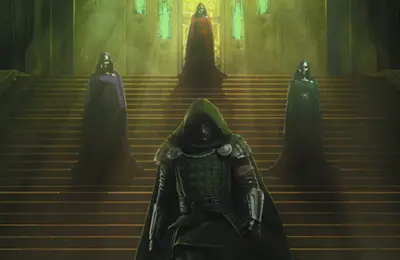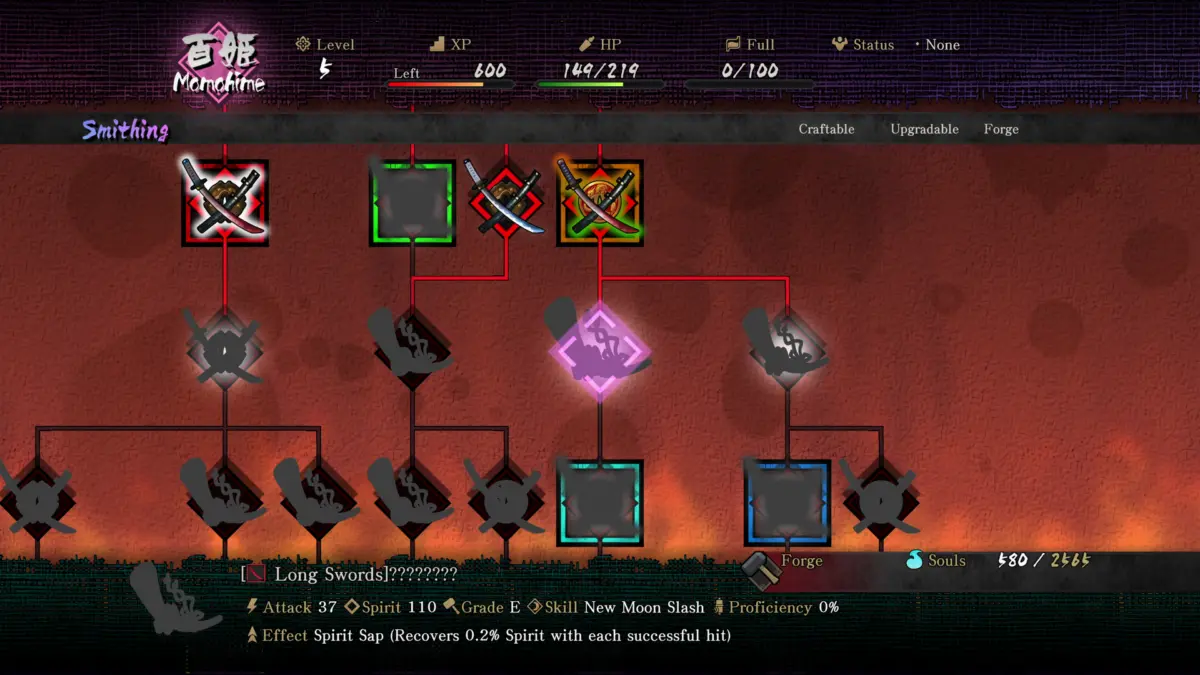
Seventeen years after its initial debut on the Nintendo Wii, Vanillaware’s legendary 2D action-RPG Muramasa: The Demon Blade is finally shaking off its digital exile. With the upcoming release of Muramasa: Revenant Blades, the developer is breaking a long-standing platform taboo by bringing its signature masterpiece to PC for the very first time. Set against the historical backdrop of Japanese folklore, legendary swordsmiths, and centuries-old superstitions, this definitive HD remaster promises to reintroduce one of the most visually stunning hack-and-slash titles ever created to a modern audience.
Yet, the journey of Muramasa mirrors the complex mythology of its namesake, the historical swordsmith Sengo Muramasa. Revered for creating devastatingly sharp and lethal blades, Muramasa’s creations were historically dogged by dark legends—rumored to be bloodthirsty, cursed, and prone to turning on their masters. In a poetic parallel, the game itself has spent nearly two decades trapped outside the ecosystem of personal computers, deemed an elusive white whale by preservationists and fans alike.
Spearheaded by director Wataru Nakanishi, Revenant Blades is not merely a straight port. It is a thorough mechanical overhaul and visual restoration. Featuring a completely revamped combat system, hand-touched HD artwork, fixed-level map progression, and all the post-launch expansion characters originally locked to handheld platforms, this new iteration breathes fresh life into a classic. As Vanillaware eyes a potential new frontier on PC—and ideally, the Steam Deck—the gaming world stands ready to see if these legendary blades can conquer a brand-new battlefield.
Detailed Chronology: From the Wii to the Steam Deck
To fully appreciate the significance of Muramasa: Revenant Blades, one must trace its extraordinary lineage through gaming history, spanning multiple console generations and overcoming severe platform limitations.
2009: The Wii Genesis and Artistic Triumph
When Muramasa: The Demon Blade launched globally in 2009 for the Nintendo Wii, it was immediately recognized as a technical and artistic marvel. Developed by Vanillaware—a studio renowned for its distinct, painterly 2D aesthetics—the game stood in stark contrast to the wave of muddy, low-definition 3D titles dominating the era. Set in a mythical version of Japan’s Genroku era, players took control of two distinct protagonists: Momohime, a princess possessed by the spirit of a rogue swordsman, and Kisuke, an amnesiac ninja on the run.

While critics praised its fluid combat, gorgeous scroll-painting backdrops, and deep lore, the game was tethered to the unique constraints of Nintendo’s hardware. Standard definition outputs and motion-control expectations obscured just how timeless Vanillaware’s art design truly was.
2013: The PlayStation Vita Expansion Era
Four years later, Vanillaware breathed new life into the franchise with a PlayStation Vita port titled Muramasa Rebirth. This iteration brought crisp high-definition visuals to a handheld screen, allowing the vibrant colors and detailed character sprites to finally pop the way the artists intended.
Crucially, the Vita release expanded the scope of the game significantly through downloadable content (DLC) packages. These updates introduced four new playable characters—each with entirely distinct combat styles, mechanics, and narrative arcs running parallel to the core campaign. Despite its success on Sony’s ill-fated handheld, Muramasa remained confined to the ecosystem of closed consoles, unavailable to modern desktop and laptop gamers.
The Modern Era: The PC Breakthrough
For well over a decade, fans and emulation enthusiasts kept the spirit of Muramasa alive, wondering if Vanillaware would ever embrace the PC market. Historically, the studio focused heavily on console ecosystems, famously launching critical darlings like 13 Sentinels: Aegis Rim (2019) and the tactical masterpiece Unicorn Overlord (2024) exclusively on PlayStation, Xbox, and Nintendo hardware.
The announcement of Muramasa: Revenant Blades marks a watershed moment for the studio. Rebuilding the game for high-definition widescreen displays required an immense manual effort. According to director Wataru Nakanishi, development assets from the original Wii and Vita releases were fragmented. Vanillaware’s artists had to painstakingly touch up and recreate missing textures by hand to ensure the visual fidelity met modern 4K standards without losing its signature warm, hand-drawn warmth.

Supporting Context & Metrics: Folklore, Mechanics, and Modern Adjustments
The cultural and mechanical foundation of Muramasa: Revenant Blades rests on a careful balance between historical superstition and modern action-RPG design.
The Mythos of Sengo Muramasa
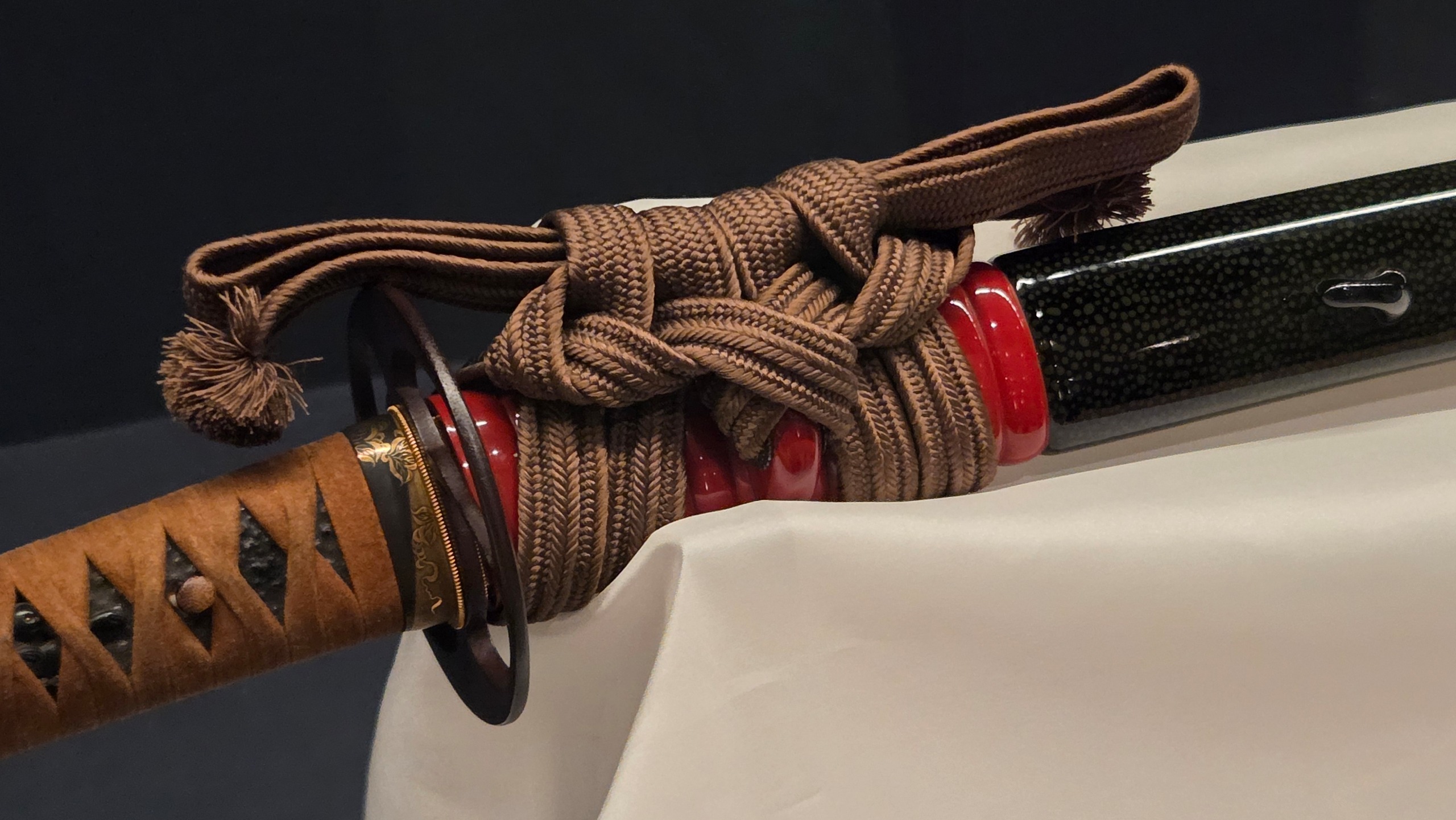
In real-world Japanese history, Sengo Muramasa was a master swordsmith who lived during the Muromachi period (14th to 16th centuries). His blades were celebrated for their exceptional cutting ability and distinct craftsmanship. However, centuries of political drama—particularly during the Tokugawa shogunate—transformed his legacy. Because members of the Tokugawa clan were frequently killed or wounded by Muramasa blades (either through accidents or assassinations), a superstition took root that the swords were cursed, bloodthirsty, and possessed by evil spirits that compelled their wielders to commit violence.
Vanillaware embraces this dark folklore head-on. In Revenant Blades, the character Muramasa serves as an enigmatic arms dealer and craftsman. The game’s core mechanic relies directly on the superstition that these swords must taste blood:
- The Weapon Lifecycle: Each of the game’s 108 unique blades features a distinct special skill.
- Bloodshed Requirement: To equip a sword’s unique skill onto another weapon, the original blade must first earn its keep through active combat and bloodshed.
- The Symbiotic Curse: As director Wataru Nakanishi explains, the protagonists maintain a cooperative, Faustian relationship with Muramasa, gathering souls to fuel the creation of increasingly devastating weaponry.
Mechanical Evolution: Beyond Simple Hack-and-Slash
While the 2009 original was celebrated for its arcade-style action, it suffered from a narrow late-game meta. Players naturally gravitated toward the most powerful endgame katanas, rendering the vast majority of the 108 available swords obsolete. Revenant Blades completely dismantles this limitation through an overhauled skill architecture:
- Independent Skill Assignment: Players can now equip three ground-based and three aerial abilities independently across a trio of active swords. This allows for dazzling, creative combat chains. For instance, players can launch an enemy into the air using a fire-based skill (Flame Barrage), leap upward, and slam them back down using an aerial martial arts slash (Celestial Slash).
- Durability and Risk Management: Defensive play is heavily discouraged on higher difficulties. Blocking too many attacks reduces a sword’s durability until it snaps, leaving the player vulnerable to instant defeat. Survival requires fluid weapon-swapping to cycle blades before they break, maintaining a constant offensive rhythm.
- Overhauled Level Scaling: In the original game, enemies scaled in level alongside the player. Revenant Blades scraps this system in favor of fixed-level regional enemies. This creates a more dynamic exploration loop: players can easily steamroll under-leveled zones, but straying into high-level areas—such as stumbling upon a family of poison-spitting toads near a waterfall—will result in a swift and punishing defeat if the player is unprepared.
Official Statements: Insights from Director Wataru Nakanishi
In recent interviews discussing the development and philosophy behind Muramasa: Revenant Blades, director Wataru Nakanishi shed light on the arduous restoration process and the studio’s cautious approach to PC development.
Addressing the meticulous effort required to bring the 17-year-old title to modern displays, Nakanishi noted the hurdles of assembling scattered production assets:
"It was a lot of work, and it was very difficult. We had some of the assets, but not others. For those we had to pull them from the game, and then artists individually by hand had to touch them up and recreate them to make something appropriate for the HD release. But you know, through that arduous hand-drawn process, we were able to create this warm and colorful art that we think people will be happy to see."
Detailing how the new combat mechanics modernize the experience and fix imbalances from the Wii original, Nakanishi emphasized player expression:
"Using the skills Celestial Slash and Flame Barrage, you can knock people into the air with fire, then jump up and use the aerial skill to knock them back to the ground. That kind of combination wasn’t really something you could do with the more limited skill system [in 2009]."
Finally, when asked whether Revenant Blades signals a broader corporate shift toward PC gaming for Vanillaware—whose catalog includes heavily requested titles like Dragon’s Crown—Nakanishi maintained a measured stance while leaving the door wide open for fan demand:

"We currently don’t have any specific plans of that nature, but we would love to see Muramasa be successful enough that people start to ask about that kind of thing."
Future Outlook: A New Dawn for Vanillaware on PC
The release of Muramasa: Revenant Blades represents far more than a simple nostalgia trip; it is a critical test case for Vanillaware’s future multiplatform strategy. For years, PC gamers have looked on with envy as console owners enjoyed masterpieces like 13 Sentinels: Aegis Rim and Unicorn Overlord. If Revenant Blades achieves the commercial success it warrants, it could permanently shatter the studio’s internal hesitation regarding PC ports.
Furthermore, the game feels natively suited for modern portable hardware. With its vibrant, saturated color palette, crisp 2D sprite work, and fast-paced arcade combat, Revenant Blades is arguably one of the most exciting titles heading to the Steam Deck OLED. Its bite-sized stage design and deep mechanical progression make it an ideal companion for mobile play—provided players can manage their sword durability before an unlucky encounter with high-level wildlife cuts their session short.
As the digital storefront doors open and the legendary blades are finally unsheathed for a new generation of PC gamers, the curse of platform exclusivity is finally broken. Whether this marks a one-time resurrection or the dawn of a new era of Vanillaware PC ports depends entirely on how the community responds to the call of the forge.