Executive Overview
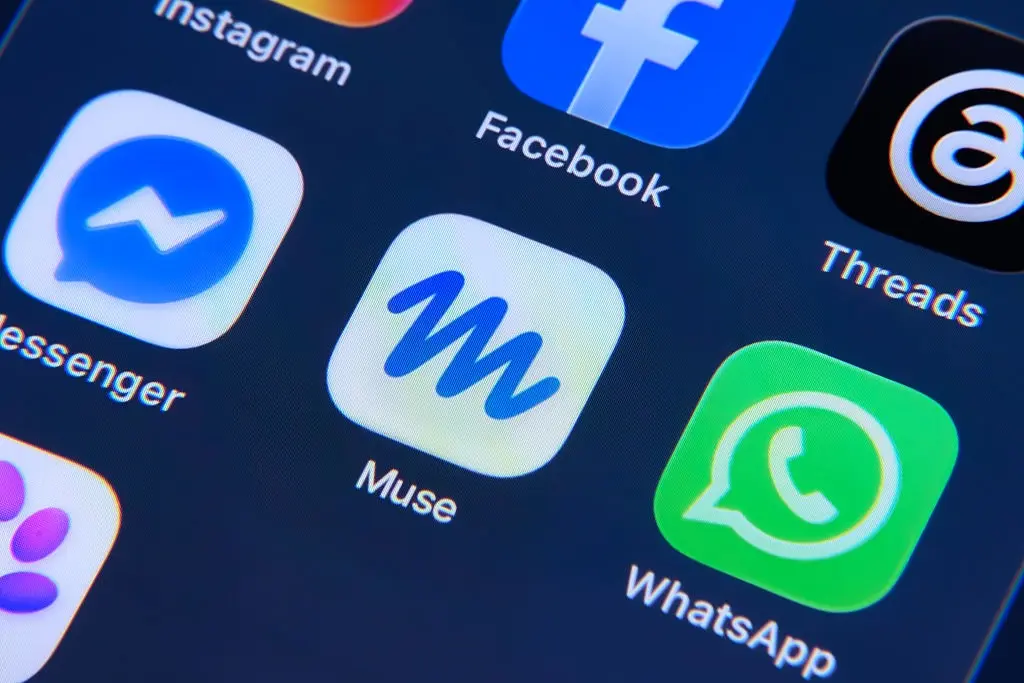
In the highly competitive landscape of consumer artificial intelligence, speed is the ultimate currency. Meta Platforms Inc. delivered a clear statement of intent regarding its corporate priorities with the launch of its dedicated iPad application for Muse, the company’s flagship AI assistant. The tablet-optimized release arrived a mere month after Muse’s initial rollout on mobile operating systems.
To appreciate the velocity of this deployment, one must contrast it with Meta’s historic product cycles. Instagram, acquired by Meta in 2012, famously took nearly fifteen years to launch a native iPad application, despite relentless, decade-long demands from its global user base. The stark contrast in timelines highlights a fundamental reallocation of Meta’s engineering capital and strategic focus. While legacy social media platforms are treated with cautious maintenance, the company is moving at a breakneck pace to establish Muse as the dominant user interface for the emerging "agentic" web.
Muse is not merely a conversational chatbot; it is designed as an active digital intermediary. By integrating directly with third-party service providers through secure API "connectors," Muse is capable of reading emails, paying bills, scheduling meetings, ordering groceries, and executing e-commerce transactions on behalf of the user.
As Meta rapidly expands this ecosystem, it faces both soaring adoption rates and significant structural hurdles. Chief among these is a growing conflict with the underlying architecture of the internet, as websites increasingly block AI agents to prevent unauthorized data scraping. Meta’s response—a proposed open standard for agent identification—could reshape how humans, AI, and businesses interact online.
Detailed Chronology: From Mobile Launch to Tablet Ubiquity
The rollout of Muse represents one of the fastest multi-platform software deployments in Meta’s history.
[Sept 8] Muse Launches on iOS & Android -> [Oct 6] Tech Bottlenecks Emerge (Websites block agents) -> [Oct 7] iPad App Launches & Open Standard ProposedThe Initial Rollout (September 8)
Meta officially introduced Muse to the public with simultaneous launches on iOS and Android. Positioned as a personal assistant capable of cross-application workflows, the app was designed to alleviate the cognitive load of daily digital administrative tasks. Unlike Meta AI—which is woven directly into the feeds of Instagram, WhatsApp, and Facebook—Muse was built from the ground up as a standalone utility, signaling Meta’s desire to capture utility-driven search traffic that traditionally bypasses social media networks.
The Rapid Pivot to iPad (October)
Exactly one month after its smartphone debut, Meta announced that Muse had officially arrived on the iPad App Store. Industry analysts noted that porting a text-heavy, conversational AI interface to a larger screen is technically less demanding than optimizing media-rich, high-resolution platforms like Instagram.
On an iPad, formatting and aspect ratios are secondary to text rendering, processing speed, and keyboard integration. Nevertheless, the speed of the release reflects a deliberate corporate mandate: Meta wants Muse accessible on every screen a consumer uses for productivity, positioning it as an alternative operating system layer.
The Emerging Technical Bottlenecks (Early October)
As Muse’s user base expanded, the agent began encountering structural friction. When attempting to navigate the web to complete transactions or gather real-time data, Muse was frequently blocked by major retail and media websites.
These sites, utilizing automated security protocols, classified Muse’s automated browsing agents as malicious scrapers or DDoS bots. This friction culminated in Meta’s announcement on October 7 that it was actively working with industry consortia to establish an open identification standard for personal AI agents.
Supporting Context & Metrics: The Race for the "Agentic" Interface
According to data compiled by market intelligence firm Sensor Tower, Muse surpassed 6.6 million installs within its first thirty days on the market. This rapid adoption curve places Muse among the fastest-growing consumer AI applications, rivaling early growth metrics seen by OpenAI’s ChatGPT mobile app and Google’s Gemini.
| Metric | Muse (First 30 Days) | Industry Benchmark (Top-Tier AI Apps) |
|---|---|---|
| Global Installs | 6.6 Million+ | 5.0 Million (Average) |
| Platforms Supported | iOS, Android, iPadOS | iOS, Android (iPadOS often delayed) |
| Active Integration Partners | 15+ Enterprise & Retail Partners | Restricted to first-party APIs |
The rapid adoption of Muse highlights a broader consumer shift toward "agentic" AI. While first-generation LLMs focused on synthesis, generation, and information retrieval, the current generation of AI assistants is defined by action. Consumers are increasingly migrating from search engines that return a list of blue links to agents that can synthesize those links and execute the intended transaction.
To facilitate these transactions, Meta has introduced "connectors"—opt-in integrations that allow users to securely link their professional and personal accounts to Muse. By allowing users to selectively sign in to these services, Meta mitigates some privacy concerns, giving users granular control over the boundaries of their digital agent’s autonomy.
The Two-Tiered Connector Ecosystem
Meta has divided its connector ecosystem into two distinct categories: productivity tools for enterprise/small business environments, and transaction engines for consumer retail.
                  ┌────────────────────────┐
                  │   Meta Muse Agent      │
                  └───────────┬────────────┘
                              │
             ┌────────────────┴────────────────┐
             ▼                                 ▼
┌─────────────────────────┐       ┌─────────────────────────┐
│  Productivity/B2B       │       │  Retail/B2C             │
│  - Notion & Asana       │       │  - Walmart & Best Buy   │
│  - Figma & Canva        │       │  - Sephora & Gap        │
│  - Zoom & GitHub        │       │  - Wayfair              │
└─────────────────────────┘       └─────────────────────────┘
1. Productivity and B2B Connectors
With the iPad release, Meta significantly bolstered Muse’s utility for professionals and small businesses. The platform now supports integrations with:
- Workspace Management: Notion, Asana, and Granola.
- Creative and Design: Canva and Figma.
- Developer and Administrative Tools: GitHub, QuickBooks, and Dropbox.
- Communications: Zoom and Klaviyo.
- Ad Campaign Management: Direct integration with Meta Ad Accounts, allowing small business owners to monitor, pause, or optimize their advertising campaigns via conversational prompts.
2. Retail and Transactional Connectors
For consumers, Meta has established partnerships with major brick-and-mortar and e-commerce giants, including Walmart, Best Buy, Sephora, Gap, and Wayfair. These connectors allow Muse to bypass traditional search engines entirely.
A user can instruct Muse to "find a highly-rated, waterproof mascara under $30 at Sephora and buy it," and the agent will navigate the retailer’s inventory, select the item, and complete the checkout process using stored payment credentials.
The Bot Obstacle: Navigating the Web’s Security Infrastructure
The biggest challenge facing the widespread adoption of AI agents is the defensive architecture of the modern web. Over the past decade, web administrators have deployed highly sophisticated web application firewalls (WAFs) and bot-detection services (such as Cloudflare, Akamai, and Imperva) to defend against credential stuffing, data scraping, and malicious automated traffic.
When an AI agent like Muse attempts to access a website to check inventory or book a reservation, it does so via automated browser scripts. To a security firewall, these scripts look identical to the bots used by malicious actors. As a result, agents are frequently met with CAPTCHAs, IP blocks, or outright access denials. This renders the agent ineffective, frustrating users who expect seamless execution.
Meta’s Proposed Solution: An Open Standard for AI Passports
Recognizing that a fragmented web benefits no one, Meta announced an initiative to establish an industry-wide open standard. This standard would act as a digital "passport" for personal AI agents.
Under this framework, when an agent like Muse visits a commercial website, it would transmit a verified cryptographic signature identifying itself as a legitimate consumer agent operating on behalf of a specific, authenticated user.
[Muse Agent] --(Presents Cryptographic Passport)--> [Web Server]
                                                           │
                                                (Validates Signature)
                                                           │
                                                           ▼
                                               [Grants Custom API Access]
This identification mechanism would allow businesses to:
- Differentiate Traffic: Distinguish helpful consumer agents from malicious scrapers or competitive intelligence bots.
- Enforce Rate Limits: Provide structured, high-speed data access to authenticated agents without overloading web servers.
- Ensure Security: Maintain a secure audit trail, ensuring that the agent only accesses data the human user is authorized to see.
By championing this open standard, Meta is positioning itself not just as an app developer, but as the architect of the infrastructure that will govern the future of agent-to-business (A2B) commerce.
Future Outlook: The Displacement of Search and the Ad-Model Pivot
The rapid expansion of Meta Muse to the iPad, combined with its growing list of transactional connectors, points to a fundamental shift in the economics of the internet. For decades, the consumer web has been monetized through search advertising and attention-capture models. Google and Meta built multi-trillion-dollar empires by displaying ads to users who were browsing for information or entertainment.
AI agents threaten to disrupt this model entirely. When a consumer uses Muse to purchase a product or book a flight, they do not browse a search results page or view banner ads. The agent executes the task in the background, rendering traditional digital advertising obsolete for that transaction.
The Strategic Shift for Meta
For Meta, Muse represents a hedge against this inevitable decline in traditional ad-viewing behavior. By controlling the agent that executes the transaction, Meta can pivot its monetization strategy from selling impressions to facilitating commerce. Potential monetization avenues include:
- Transaction Fees: Charging a small affiliate commission on purchases made through Muse retail connectors.
- Premium SaaS Subscriptions: Charging power users or small businesses for advanced workflows, such as multi-app automation or automated ad campaign management.
- Sponsored Agent Recommendations: Allowing brands to bid for preferential placement within Muse’s recommendation engine (e.g., when a user asks Muse to "find a blue sweater," sponsored options could be presented first, provided they match the user’s criteria).
As Muse continues its rapid multi-platform rollout, the technology industry will watch closely to see if Meta can successfully transition from a social media giant into the primary operating system for human-AI collaboration. If the early momentum of Muse on iPhone and iPad is any indication, the era of the agentic web is arriving much faster than anticipated.