Executive Overview
As Apple prepares for one of its most anticipated product rollouts of the decade, the tech community’s attention has locked firmly onto rumors surrounding the upcoming redesign of the MacBook Pro. For years, the MacBook Pro has served as the gold standard for portable computing, attracting everyone from casual "prosumers" who simply want the best battery life and display Apple has to offer, to heavy-duty developers, video editors, and 3D animators who demand unyielding, sustained computing power.
However, major hardware redesigns always carry a degree of anxiety. Historically, Apple’s quest for ultra-thin profiles has occasionally come at the expense of ergonomic comfort, thermal headroom, port variety, and keyboard travel—most notably seen during the controversial butterfly keyboard and USB-C-only era of the late 2010s. Recent leaks leading up to Apple’s October product cycle indicated that a dramatically thinner and lighter MacBook Pro was on the horizon. While this sounded enticing to casual users, it set off alarm bells for professional workflows requiring heavy thermal management.
Fortunately, late-breaking intelligence from industry insiders—most notably Bloomberg’s Mark Gurman—has provided reassurance. While the upcoming MacBook Pro will reportedly shed a significant amount of weight, it will not become drastically thinner. This design compromise strikes a calculated balance: it improves portability while preserving the internal architecture, battery capacity, and thermal pathways essential for demanding professional tasks. This report explores the details of the upcoming redesign, the balance between weight and thickness, the historical context of Apple’s chassis evolutions, and what these changes mean for the professional laptop market.
Detailed Chronology: The Road to the 2026 MacBook Pro Redesign
To understand the current state of Apple’s laptop lineup, it is crucial to trace the trajectory of the MacBook Pro’s design philosophy over the last several years.
The Return to Form (2021–2023)
In late 2021, Apple completely overhauled the MacBook Pro, moving away from the thin-and-light obsession that defined the Intel era. Responding to widespread user feedback, Apple introduced thicker, blockier chassis designs for the 14-inch and 16-inch models. These machines brought back legacy ports like HDMI, an SD Card slot, and MagSafe charging, while prioritizing thermal dissipation to handle the immense capabilities of the newly minted M-series Pro and Max chips.
While these notebooks were universally praised for their performance and connectivity, they came with a distinct penalty: weight. The 16-inch MacBook Pro, in particular, is a dense, heavy machine that can cause shoulder strain during long commutes.
The Iterative Phase (2024–2025)
Over the next few iterations, Apple focused primarily on internal silicon upgrades—moving from the M2 generation through to the M4 family—while keeping the external chassis largely identical. Users enjoyed generational leaps in CPU/GPU performance, hardware-accelerated ray tracing, and unified memory capacities, all housed inside the familiar, sturdy, yet heavy 2021 chassis architecture.
The Leak Cycle and Panic (Early October 2026)
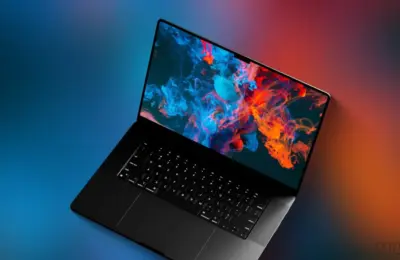
As the calendar turned to October 2026, rumors intensified regarding a massive autumn product refresh featuring seven new devices. Early reports indicated that Apple was finally ready to give the MacBook Pro its first major structural redesign in five years. Initial leaks suggested a device that was both noticeably thinner and "significantly lighter."
While weight reduction was welcomed, the phrase "significantly thinner" triggered immediate pushback from professional communities online. Past design trends suggested that a thinner chassis could mean reduced battery capacities, restricted airflow, and compromised multi-core sustained performance due to thermal throttling.
The Course Correction (Mid-October 2026)
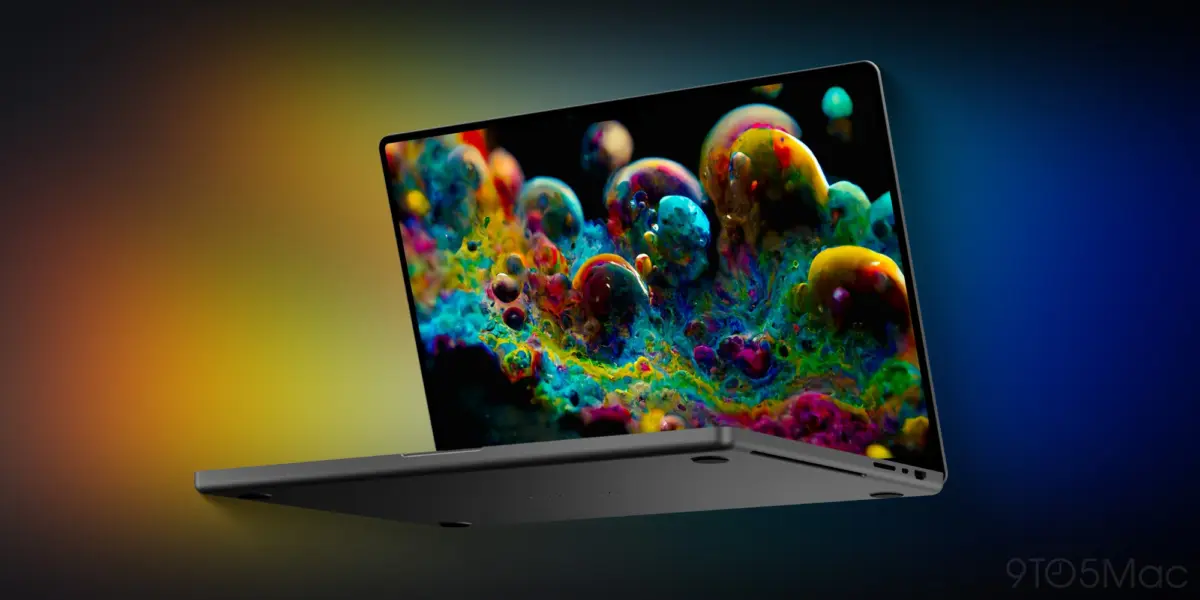
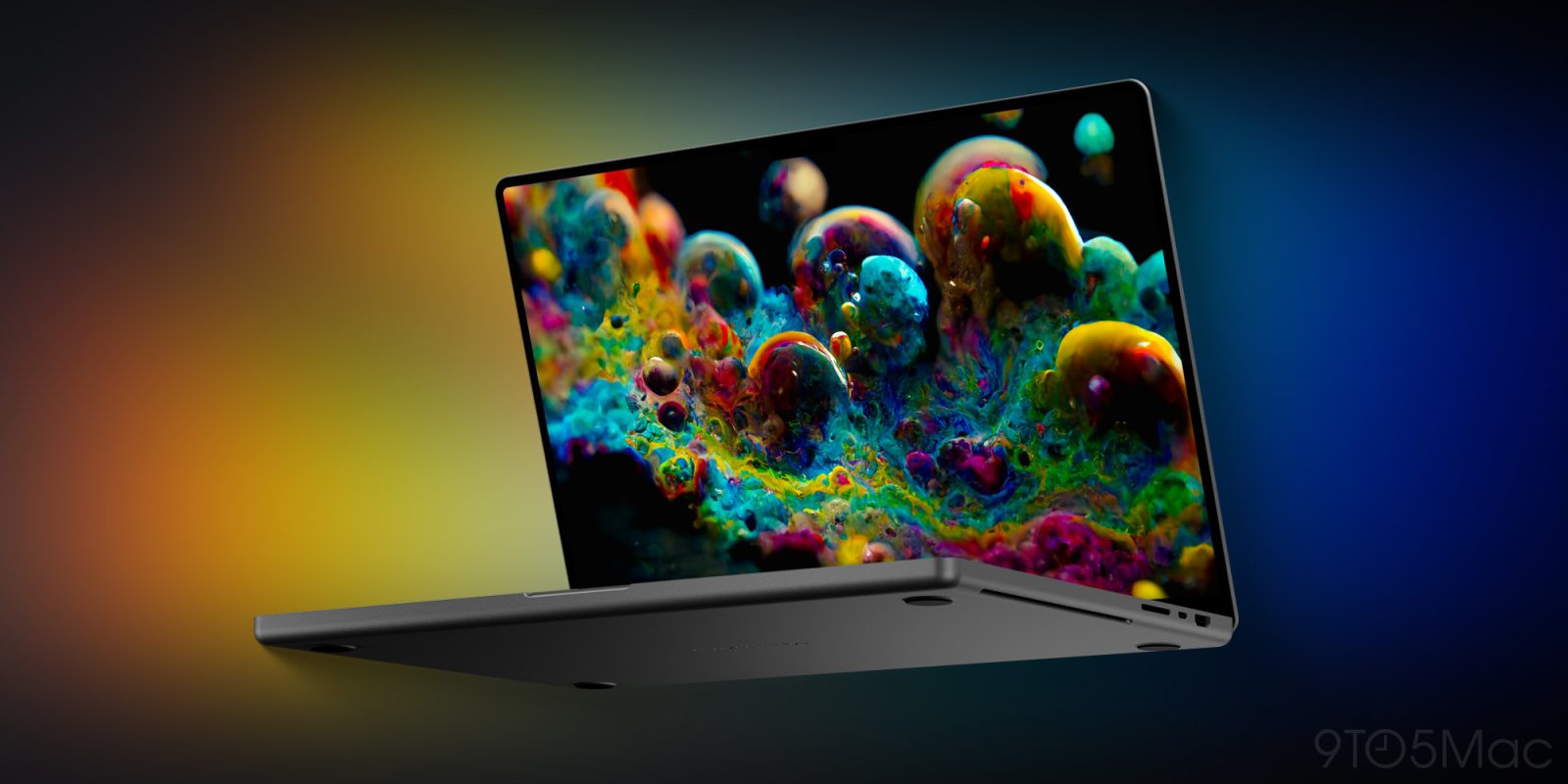
Addressing these community anxieties on social media platform X, Mark Gurman clarified the trajectory of the redesign. Gurman noted that while the machine’s overall footprint and heft will feel remarkably different due to a major weight drop, the physical thickness will not shrink aggressively. This crucial distinction separates Apple’s current engineering approach from past missteps, aiming to deliver a feather-light feel without sacrificing desktop-class performance on the go.
Supporting Context & Metrics: Why Thickness Matters to "True Pros"
The debate over millimetres of thickness is not merely about aesthetics; it is rooted in the physics of high-performance mobile computing. To understand why Gurman’s clarification is a massive win for power users, we must examine the engineering constraints governing modern laptops.
Thermal Dissipation and Sustained Performance
Silicon efficiency has reached unprecedented heights with Apple Silicon. Chips like the M4 Pro and M4 Max deliver staggering performance-per-watt ratios compared to traditional x86 architecture. However, physics still applies. When a video editor renders an 8K timeline or a software engineer compiles a massive codebase for hours, the silicon generates significant heat.

Thinner chassis designs leave less volume for heat pipes, vapor chambers, and active cooling fans. If a laptop is too thin, the fans must spin faster and louder to compensate, or the system must aggressively throttle its clock speeds to prevent overheating. By choosing not to make the new MacBook Pro significantly thinner, Apple preserves vital internal volume. This allows for:
- Quieter acoustics: Larger or more efficiently designed fans can move air at lower RPMs.
- Sustained performance: Heavy workloads can run for hours without thermal degradation.
- Component longevity: Lower operating temperatures translate to healthier batteries and internal components over years of heavy use.
Battery Capacity
The MacBook Pro’s legendary battery life is one of its primary selling points. Much of the physical interior of a modern MacBook Pro is occupied by lithium-ion battery cells. Drastically thinning a laptop forces engineers to shrink battery capacity, undermining the all-day untethered freedom that professionals rely on. Maintaining a comparable thickness ensures that battery longevity remains industry-leading.
I/O Port Integrity
One of the most celebrated aspects of the 2021 redesign was the reintroduction of full-sized ports. Thunderbolt/USB-C ports require a specific physical depth, and HDMI ports and SD card readers take up vertical space within the chassis. A drastically thinner laptop often forces compromises, sometimes requiring dongles or half-sized ports that frustrate professional workflows. Keeping the thickness stable guarantees that legacy and modern professional connectivity remain fully intact without structural compromises.
The Weight vs. Thickness Paradox
Why can Apple make the machine significantly lighter without making it significantly thinner? Modern material science, internal layout optimization, and advanced manufacturing techniques play a massive role. By refining structural frames, utilizing lighter-weight internal alloys, and removing redundant dead space inside the chassis, Apple can shave off hundreds of grams of weight.
For the average mobile professional, weight is the primary ergonomic pain point. Carrying a heavy laptop in a backpack all day strains the shoulders and back. Shaving off significant weight while maintaining a comfortable, robust thickness profile solves the portability crisis without creating engineering bottlenecks.
Industry and Expert Perspectives
As leaks continue to paint a clearer picture of the upcoming Apple hardware event, industry analysts and hardware reviewers have weighed in on Apple’s strategic pivot.

Tech analysts point out that Apple is attempting to capture the best of both worlds. For years, the market has been divided: ultraportable users bought MacBook Airs, while power users tolerated the heavy MacBook Pro. By bridging the weight gap, the MacBook Pro becomes vastly more appealing to mobile workers who travel constantly—consultants, journalists, and travelling executives—without alienating the studio-bound video editors and audio engineers who need uncompromised ports and sustained power.
Furthermore, competitors in the Windows ecosystem have pushed aggressively into ultra-thin professional notebooks, often utilizing coreless designs or ultra-low-voltage processors. Apple’s decision to prioritize weight reduction while protecting thermal headroom demonstrates a mature hardware strategy: focusing on user comfort without compromising professional utility.
Future Outlook: What to Expect Next
As Apple’s October hardware cycle unfolds, all eyes will be on the official unveiling of these redesigned MacBook Pro models. Beyond the chassis weight adjustments, consumers and enterprise buyers will be watching closely for several key developments:
- Next-Generation Apple Silicon: The debut of subsequent-generation performance chips designed to leverage the optimized thermal envelope.
- Display Technology Integration: Rumors continue to circulate regarding the potential transition to advanced display panel technologies, offering deeper contrast ratios and improved energy efficiency.
- Ecosystem Harmonization: How these hardware changes influence the broader Mac lineup, including potential trickle-down design philosophies to the MacBook Air and desktop variants.
Ultimately, the upcoming MacBook Pro redesign appears to strike a rare sweet spot in consumer electronics engineering. By listening to the criticisms of past ultra-thin misadventures and focusing on weight reduction rather than sheer thinness, Apple is positioning its flagship professional notebook to satisfy both the casual prosumer and the hardcore industry professional alike.
As we await the official keynote announcements, one thing is certain: the future of portable professional computing is getting lighter, smarter, and remarkably well-balanced.