Executive Overview
The landscape of Apple’s portable computer lineup is undergoing a seismic shift. According to recent supply chain insights and reports from Bloomberg, Apple is radically accelerating its hardware development cycle, bypassing specific generational milestones to deliver a major evolutionary leap for its most popular professional notebooks. Central to this strategy is a newly overhauled, M7-powered entry-level MacBook Pro slated for release in the spring of 2027.
Traditionally, Apple exercises a methodical, measured approach to hardware design integration. A major chassis redesign, display overhaul, or structural transformation debuts first on high-end, premium-tier machines—often commanding top-tier pricing—before slowly trickling down to base configurations over a span of two to three years. However, the upcoming 2027 release shatters this historical precedent. Rather than forcing budget-conscious professional users to wait years for a modern chassis, Apple is shrinking the generational gap for its entry-level Pro lineup to a mere six months.
This unprecedented pivot arrives amid a complex backdrop of shifting silicon roadmaps, strategic chip architecture adjustments—including a reported pivot away from high-end M6 Pro and M6 Max processors in favor of accelerated M7 development—and persistent component pricing pressures driven by global memory shortages. For consumers navigating a market defined by recent price hikes, this strategic compression offers a glimmer of hope: access to next-generation touch-enabled OLED technology, a thinner form factor, and advanced processing power without requiring an investment in top-tier "Ultra" hardware.
Detailed Chronology: Breaking Apple’s Traditional Trickle-Down Paradigm
To fully understand the magnitude of Apple’s 2027 product strategy, one must examine how the company has historically handled design transitions within the MacBook Pro family. Apple’s hardware playbook has long relied on a strict hierarchy of innovation.
Historical Precedents: The Waiting Game
When Apple launched the modern era of the MacBook Pro with the introduction of the 14-inch and 16-inch form factors powered by the M1 Pro and M1 Max chips in late 2021, the machine was heralded as a triumph of performance and industrial design. Yet, buyers opting for the entry-level 13-inch MacBook Pro were left behind. That base model stubbornly retained the older, legacy chassis design complete with the Touch Bar, failing to migrate to the modern 14-inch framework until late 2023 with the arrival of the M3 chip—a full two-year lag.
A similar narrative played out during previous major overhauls:
- The 2016 Touch Bar Revolution: When Apple radically redesigned the MacBook Pro with ultra-thin chassis profiles and Thunderbolt 3 ports in 2016, it took three full years—until the summer of 2019—for the entry-level, two-port 13-inch variant to adopt the new physical paradigm.
- The 2012 Retina Display Shift: The introduction of the high-resolution Retina display followed a protracted phased rollout, keeping legacy non-Retina configurations alive for years to appease specific enterprise and budget segments.
These historical gaps were deliberately engineered to maximize profit margins on newly tooled manufacturing lines while clearly delineating product tiers. Pro users willing to pay a premium experienced the future first; entry-level buyers subsidized the maturation of the manufacturing process.
The 2027 Compression: A Six-Month Turnaround
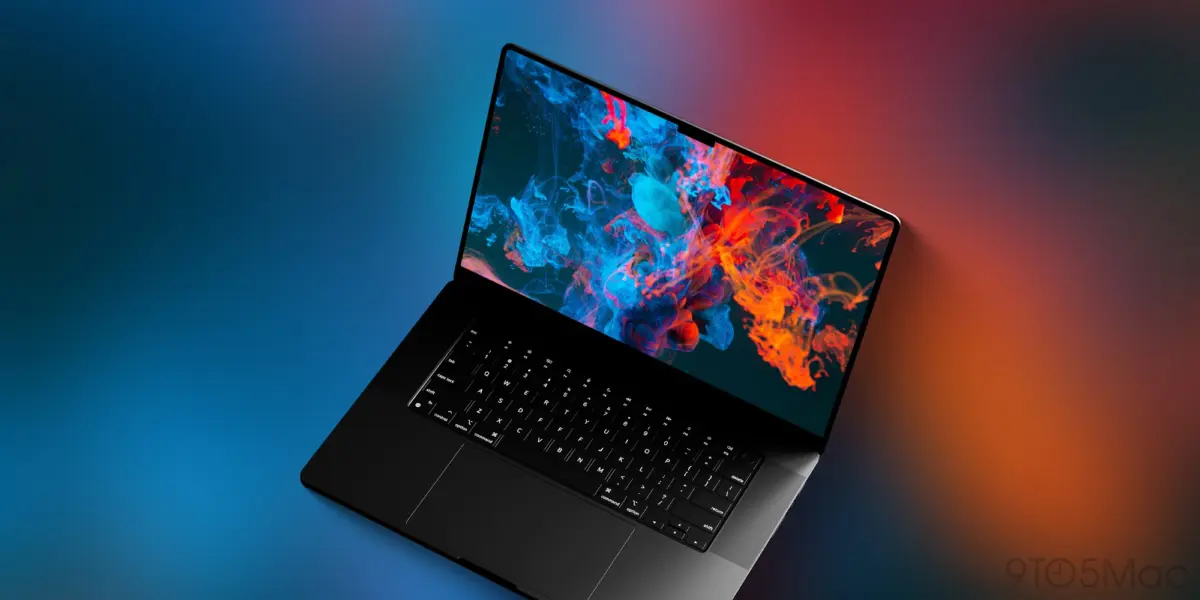
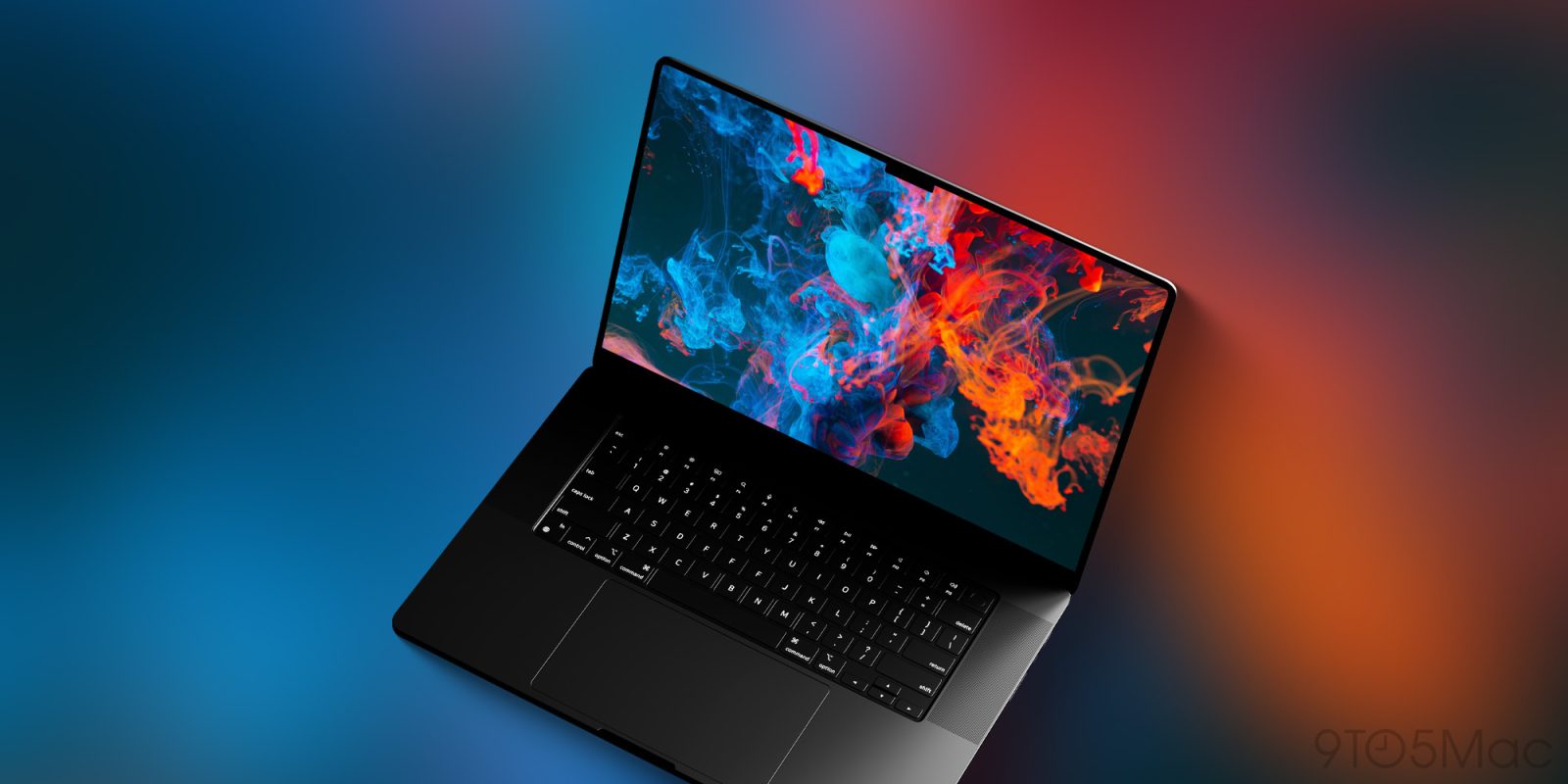
The impending release of the M7 entry-level MacBook Pro shatters this multi-year delay model. Current supply chain reporting indicates that Apple will debut its next-generation high-end MacBooks—rumored to potentially adopt the "MacBook Ultra" moniker—in late 2026 or early 2027. These high-end machines will feature radical design shifts, including thinner chassis profiles, integrated touch-screen OLED displays, and potentially a dynamic interactive interface element akin to a Dynamic Island.
Ordinarily, entry-level buyers would expect to wait until 2028 or 2029 to see these features in a base-tier machine. Instead, internal project milestones—specifically for the 14-inch entry-level model, internally codenamed K104—target a release as early as the first half of 2027. This compresses the trickle-down timeline from years to a mere six months, marking a profound philosophical shift in how Apple treats its entry-level professional consumer base.
Supporting Context & Metrics: Silicon Shuffles and the Memory Shortage
Behind Apple’s compressed product timeline lies a turbulent backstage drama involving internal chip architectures, canceled silicon generations, and macroeconomic headwinds.
The M5-to-M7 Silicon Leap
The roadmap adjustments leading up to the 2027 MacBook Pro releases are among the most chaotic in Apple Silicon’s brief history. Initially, industry analysts expected Apple to follow a predictable annual cadence, moving from M4 series chips straight into an M5 generation, followed by an M6 family. However, recent leaks indicate that Apple has made the strategic decision to fundamentally restructure its mid-to-high-end silicon output.
According to supply chain indicators, Apple has actively abandoned plans to release high-end M6 Pro and M6 Max variants. Instead, the corporation has chosen to accelerate the development of the M7 architecture, skipping a full generational iteration for its professional-tier silicon.
This creates a fascinating, albeit complex, transitional ecosystem for buyers over the next 18 months:
- Fall 2026: Initial high-end MacBook Pros are expected to debut, but rather than carrying M6 Pro/Max chips, they are rumored to launch powered by transitional or modified M5 Pro and M5 Max architectures, alongside early iterations of the new chassis design.
- Spring 2027: The entry-level MacBook Pro (codenamed K104) steps onto the stage powered by the full-fledged M7 chip, bringing the new design down to the baseline consumer while bypassing the intermediate chips entirely.
This aggressive hardware-software synchronicity demonstrates Apple’s urgency in unifying its notebook lineup under a single, highly modernized design language as quickly as possible.

Macroeconomic Pressures and Component Costs
This radical hardware shift is occurring against a backdrop of severe economic friction. The consumer electronics market has experienced severe upward pricing pressure, largely driven by a protracted global shortage of high-density memory (RAM) and advanced semiconductor packaging components.
The financial impact of these supply constraints has been stark. Devices that once sat comfortably at specific psychological price points have seen substantial baseline increases. For instance, the entry-level MacBook Pro pricing structure has drifted upward, with base configurations now demanding investments that previously bought mid-tier Pro chips just a year prior.
Consequently, the arrival of the K104 entry-level MacBook Pro in spring 2027 is not merely a design update; it is a vital economic positioning play. By delivering a redesigned, high-performance machine at an accessible baseline price point, Apple aims to mitigate consumer hesitation caused by rising component costs, offering a compelling value proposition to budget-constrained professionals and students alike.
Official Statements and Industry Insights
While Apple has maintained its traditional public silence regarding unannounced hardware, leaks corroborated by prominent industry insiders have painted a remarkably clear picture of the company’s internal strategy.
In a recent briefing detailed by Bloomberg, analysts highlighted the dual-track development of the K104 project:
"Apple is also preparing a revamped entry-level MacBook Pro, code-named K104, for as early as the first half of next year. The 14-inch laptop will adopt a new design in line with what Apple is preparing for higher-end MacBooks with touch screens due between the end of this year and early next year."
Industry observers have noted that this aggressive timeline reflects changing competitive pressures. With Windows PC manufacturers aggressively pushing dual-screen, OLED, and touch-enabled ultraportables into the market, Apple can no longer afford to let its entry-level professional tier languish in legacy body designs for years at a time. The convergence of OLED manufacturing maturity and touch-interface integration in macOS has given Apple the technical confidence to roll out these advanced features across the entire notebook portfolio simultaneously.

Furthermore, technical analysts tracking display supply chains point out that the mass production yields for OLED laptop panels have stabilized much faster than anticipated. This operational efficiency has given Apple the logistical clearance to bypass the prolonged exclusivity windows traditionally reserved for ultra-premium models.
Future Outlook: What to Expect in 2027 and Beyond
As the technology sector looks toward the spring 2027 release window, the consumer calculus for purchasing a portable Mac is undergoing a profound transformation.
Navigating the Upgrade Path
For prospective buyers currently evaluating their hardware lifecycles, the upcoming product cadence demands careful planning:
- The High-End Dilemma (Late 2026): Early adopters seeking the absolute peak of performance will likely encounter the first wave of redesigned high-end MacBooks. However, navigating a lineup that skips traditional M6 Pro/Max chips in favor of transitional M5 variants or accelerated architectures may require a tolerance for bleeding-edge growing pains—not to mention a steep financial investment likely exceeding $2,500.
- The Smart Pro Choice (Spring 2027): For the vast majority of software developers, creative professionals, and power users operating on a budget, waiting for the spring 2027 M7 entry-level MacBook Pro represents the optimal strategic play. Buyers will secure the exact same generational industrial design language, improved display technology, and advanced M7 processing capability without paying the steep markup demanded by the top-tier configurations.
The Technological Horizon
Beyond raw processing metrics, the 2027 redesign represents a watershed moment for macOS hardware usability. The integration of touch support into macOS via OLED panel architectures bridges the long-standing philosophical gap between iOS, iPadOS, and macOS. Coupled with rumors of a physical Dynamic Island adaptation for status and utility notifications, the upcoming entry-level MacBook Pro will feel less like a "budget compromise" and more like the blueprint for the next decade of personal computing.
As global supply chains stabilize and Apple’s redesigned silicon foundry pipelines bear fruit, the six-month gap between ultra-premium and entry-level hardware may well become the new industry standard. For consumers, the message is clear: patience through the turbulence of late 2026 will be richly rewarded by a remarkably unified, high-performance MacBook lineup in the spring of 2027.