Executive Overview
In the hyper-accelerated ecosystem of modern internet culture, the lifespan of a viral meme can often be measured in days, if not hours. Yet, contemporary digital spaces possess a unique alchemy capable of resurrecting dormant artifacts from early-2010s fandom subcultures and transforming them into multi-million-view sensations. The latest iteration of this phenomenon is the "Zayn Malik Sleeping" trend—alternatively phrased on social media platforms as "Why Am I Lowkey Giving Zayn Malik Sleeping Photo."
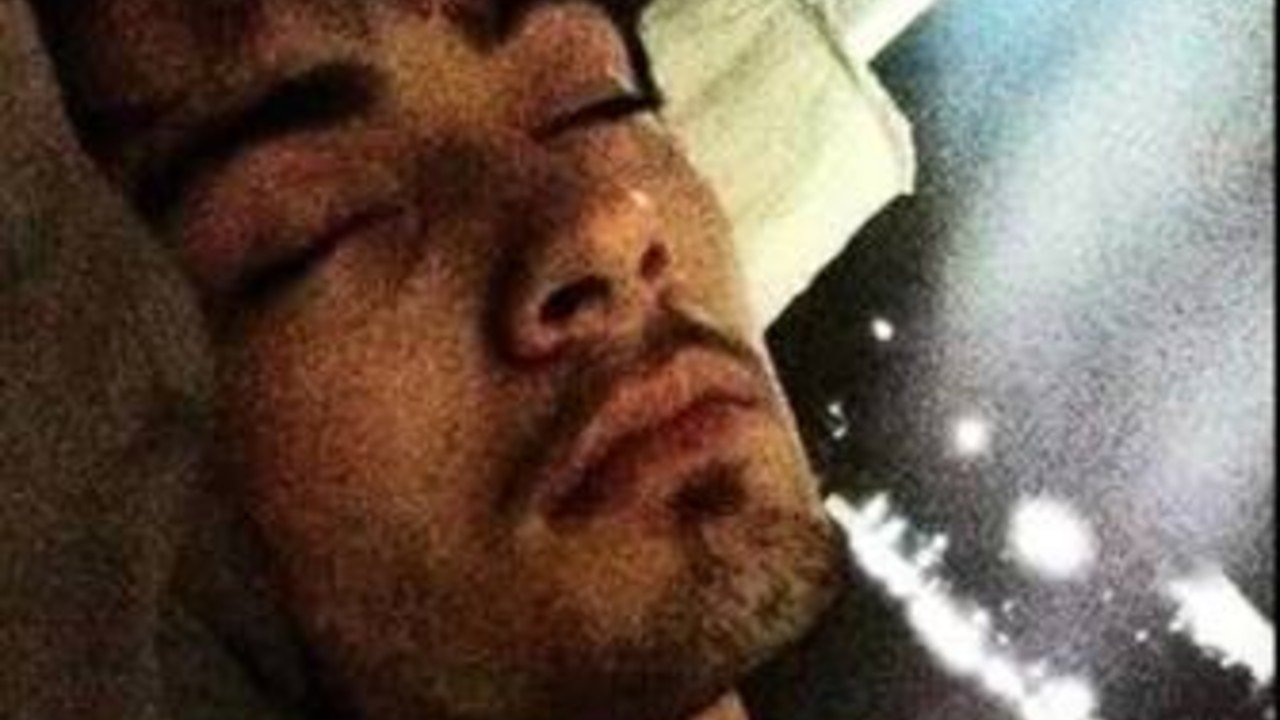
Rooted in a decade-old, shirtless candid photograph of the former One Direction vocalist, this viral wave swept across TikTok and other short-form video platforms in September and October 2026. The meme operates on a simple yet endlessly adaptable premise: creators juxtapose the iconic, brooding image of a sleeping Malik against photographs of themselves, friends, or romantic partners sleeping in wildly contrasting, highly unflattering, or comically mundane postures.
While ostensibly a lighthearted exercise in self-deprecation and aesthetic comparison, the trend offers a fascinating case study in how nostalgic media relics are repurposed by Gen Z and younger digital demographics. By contrasting high-glam celebrity portraiture with the chaotic, unfiltered realities of human slumber, the trend highlights the democratization of self-image on social media, driven by algorithmic amplification and audio cues from Malik’s own solo discography.
Detailed Chronology: From Tumblr Archive to TikTok Feed
To understand the mechanics of the "Zayn Malik Sleeping" trend, one must trace its trajectory across two distinct digital eras: the height of early-2010s directioner fandom and the mid-2020s short-form video explosion.
The 2013 Genesis and Archival Persistence
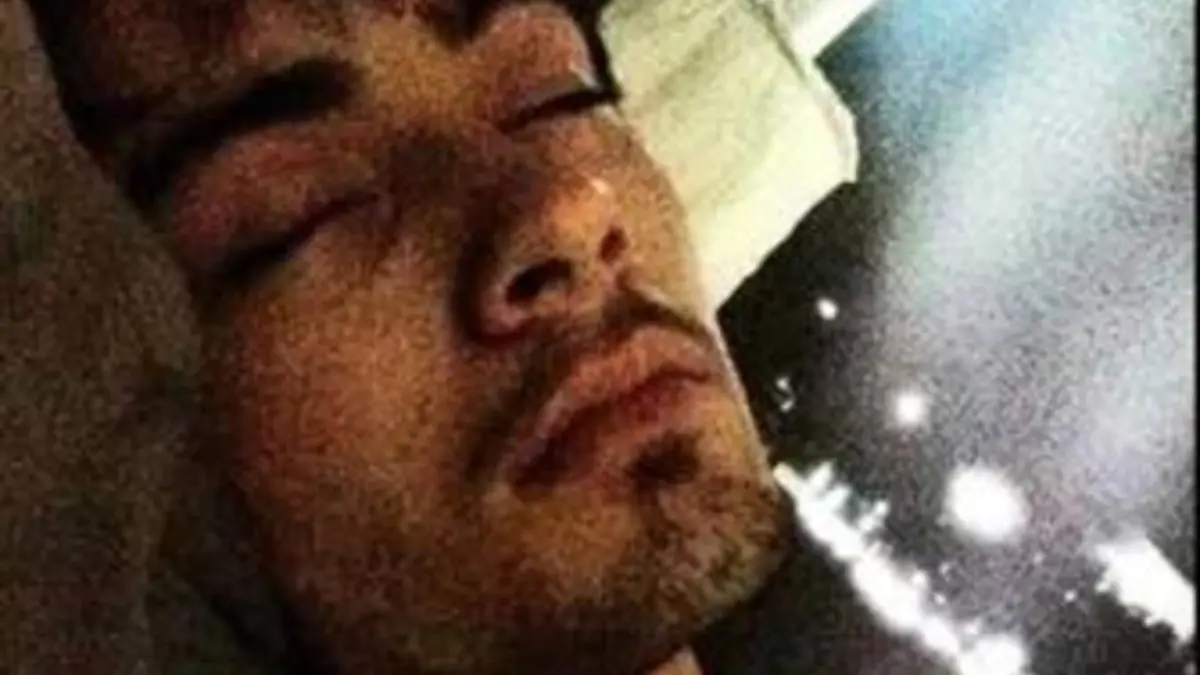
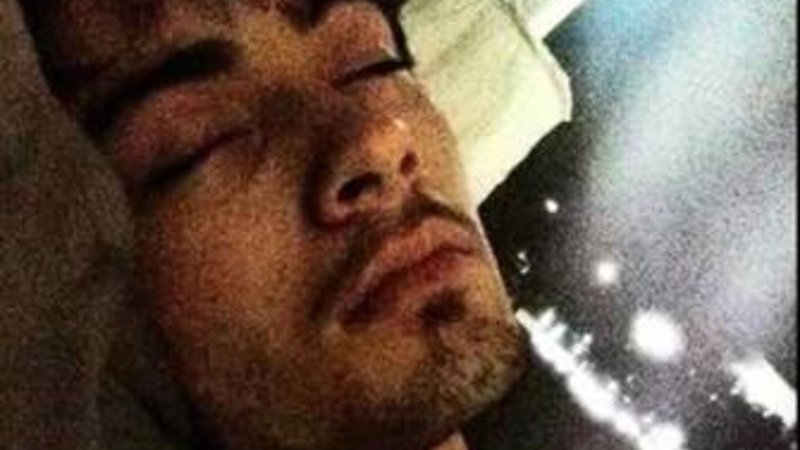
The visual anchor of the entire phenomenon is a low-contrast, atmospheric photograph depicting Zayn Malik asleep and shirtless. Originally captured and disseminated during the peak of One Direction’s global domination, the image quickly embedded itself within the deeply interconnected ecosystem of Tumblr, fan-fiction forums, and Twitter (now X) fandoms.
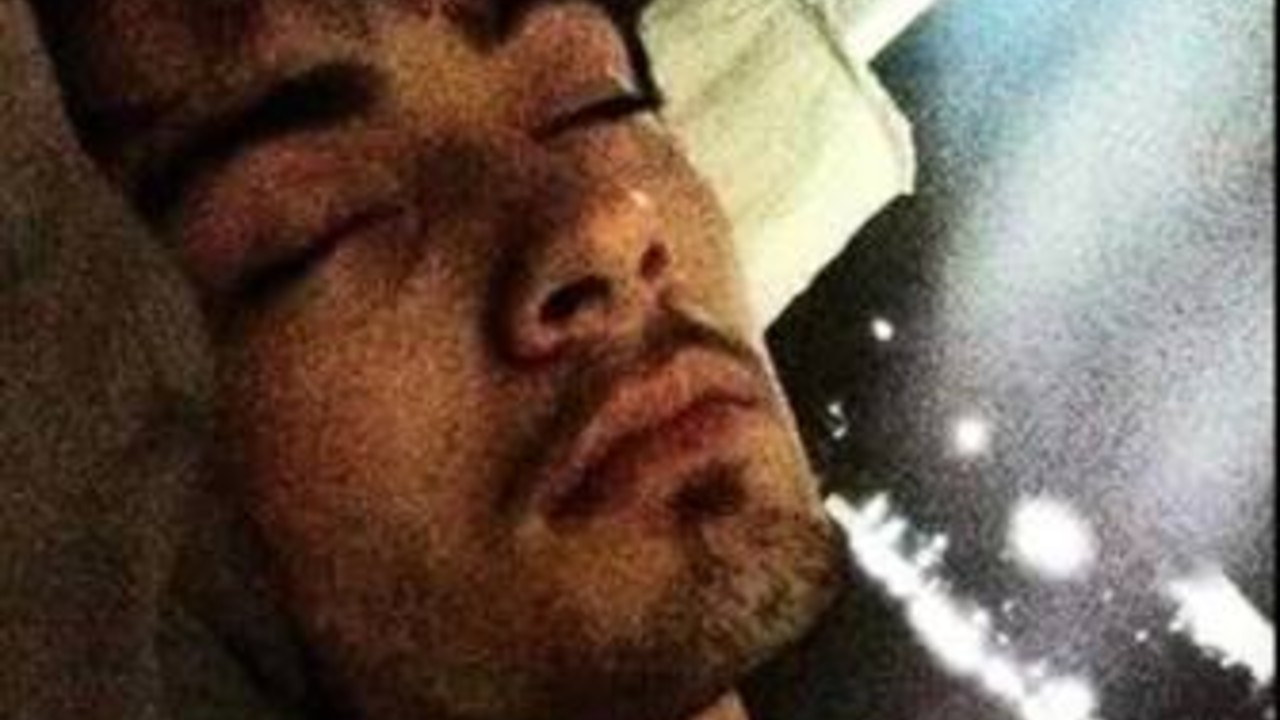
In an era before algorithmic curation dominated social media, visual content was preserved through manual reblogging and archival collections. The photograph of Malik accrued tens of thousands of notes on Tumblr over a thirteen-year span, cementing its status as a recognized visual touchstone among millennial and older Gen Z pop culture enthusiasts. It was treated not merely as a candid snapshot of a celebrity, but as an aesthetic gold standard—an idealized representation of effortless, moody slumber.
The September 2026 Resurgence
The dormant archival artifact crossed over into mainstream algorithmic feeds on September 4th, 2026. TikTok user @timmy.thick47 published a short-form video that opened with the classic Zayn Malik sleeping photo, smoothly transitioning into a series of photographs of the creator himself attempting to sleep. The video was framed with the now-infamous ironic caption: "Why am i low key giving zayn malik sleeping photo?"
The video struck an immediate chord with the platform’s user base. By leveraging the cognitive dissonance between the polished, romanticized celebrity image and the uncurated reality of an ordinary person’s resting posture, the post bypassed traditional comedic formulas. Within a month of its publication, @timmy.thick47’s inaugural post amassed over 1.8 million views, opening the floodgates for widespread replication and mutation.
Escalation and Expansion of the Format
Following the initial catalyst, the trend evolved rapidly, branching out into several distinct sub-formats:
- The Sibling/Partner Comparison: Creators began shifting the camera lens away from themselves, targeting their significant others or family members. On September 23rd, 2026, TikToker
@anahyy.lolposted a side-by-side comparison of her boyfriend sleeping next to the Zayn Malik photo. The stark contrast—featuring a sleeping partner in an ungainly, mouth-breathing posture opposite Malik’s serene visage—garnered over 4.8 million views within two weeks. - The Irony Shift: Other users embraced total subversion. On September 7th, 2026, TikToker
@ilove2000sshowsuploaded a video featuring a self-portrait that bore zero resemblance to the celebrity reference point, accumulating more than 8.5 million views. This demonstrated that the humor relied less on actual physical similarity and more on the absurdity of the self-comparison. - Audio Synergy: Almost universally, creators paired these visual comparisons with snippets of Zayn Malik’s 2016 solo debut single, “PILLOWTALK”—a deliberate and ironic nod to the song’s lyrical and thematic fixation on beds, intimacy, and sleep.
Supporting Context & Metrics
The proliferation of the "Zayn Malik Sleeping" meme is supported by quantitative metrics that highlight its rapid penetration across global demographic segments on TikTok.
Engagement and Viewership Metrics
Platform analytics from late September through October 2026 indicate sustained, high-velocity engagement across the trend’s top-performing posts:
- @ilove2000sshows (September 7, 2026): Over 8.5 million views. Utilized a subversive, highly contrasting visual setup to challenge the validity of the comparison.
- @anahyy.lol (September 23, 2026): Over 4.8 million views. Focused on interpersonal humor by contrasting a romantic partner’s sleeping habits with the idol’s image.
- @cancelmil (September 26, 2026): Over 3 million views. Contributed to the saturation phase of the trend, utilizing rapid-fire visual edits.
Search Interest and Cross-Platform Migration
Search engine inquiries for terms such as "Zayn Malik sleeping photo," "Zayn Malik sleeping meme," and variations of the "Why am I lowkey giving" phrase experienced sharp upward trajectories on Google Trends and Pinterest throughout September 2026. This migration from video-first platforms to static image boards demonstrates the meme’s versatility; while it originated as a dynamic, audio-driven video trend, the core joke translates seamlessly into meme image macros and Pinterest pin collections.
Sociological and Cultural Analysis
Why did a 2013 photograph of a pop star become a vehicle for mass comedic expression thirteen years later? Cultural analysts point to several underlying mechanisms governing modern digital humor:
1. The Subversion of Parasocial Idealization
For years, celebrity fandoms operated on a strict paradigm of worship and idealization, where idols were viewed as fundamentally distinct, flawless entities. The "Zayn Malik Sleeping" trend actively deconstructs this dynamic. By ironically asking whether an ordinary, un-styled, or awkwardly positioned person is "giving" a professional celebrity aesthetic, users democratize attractiveness and play with the concept of self-delusion. It is an exercise in hyper-ironic vanity—acknowledging one’s lack of resemblance to a pop icon while playfully claiming it anyway.
2. Nostalgia Mining by Gen Z
The demographic driving TikTok—predominantly Gen Z and younger millennials—possesses a distinct cultural fascination with the early 2010s Tumblr era. The aesthetics of One Direction, indie-sleaze, and early social media documentation are frequently mined for ironic recontextualization. The survival of the Malik photograph over thirteen years proves that digital artifacts never truly die; they merely wait for a generation sophisticated enough to weaponize them for shitposting.
3. The Power of Audio-Visual Juxtaposition
The use of “PILLOWTALK” as the foundational soundtrack for these videos acts as an associative anchor. The song’s lush, atmospheric production contrasts heavily with the often chaotic, dimly lit, and unglamorous bedroom footage uploaded by creators. This comedic juxtaposition—treating a mundane nap like a high-fashion editorial shoot—forms the structural backbone of the trend’s comedic timing.
Future Outlook
As the velocity of digital trends continues to accelerate, the long-term outlook for the "Zayn Malik Sleeping" meme follows a predictable lifecycle, though its secondary effects offer insights into future online behavior.
Saturation and Decline
By mid-October 2026, the trend entered its saturation phase. As is typical with TikTok challenges, once the format is widely adopted by micro-influencers, brands, and casual users alike, the initial wave of organic irony begins to dissipate. The novelty of the "lowkey giving" comparison wears off, paving the way for parody formats that mock the trend itself.
The Immortalization of Digital Artifacts
Despite the eventual cooling of active video creation, the trend has permanently altered the cultural status of the underlying photograph. What was once a niche piece of One Direction archival material stored in forgotten Tumblr boards has now been canonized as an official internet meme. Moving forward, the image will likely persist in digital folklore, ready to be revived whenever platform algorithms or pop culture nostalgia cycles demand a fresh round of self-deprecating humor.
Ultimately, the "Zayn Malik Sleeping" phenomenon demonstrates that the internet’s memory is infinite, and its capacity to find humor in the mundane remains entirely limitless.