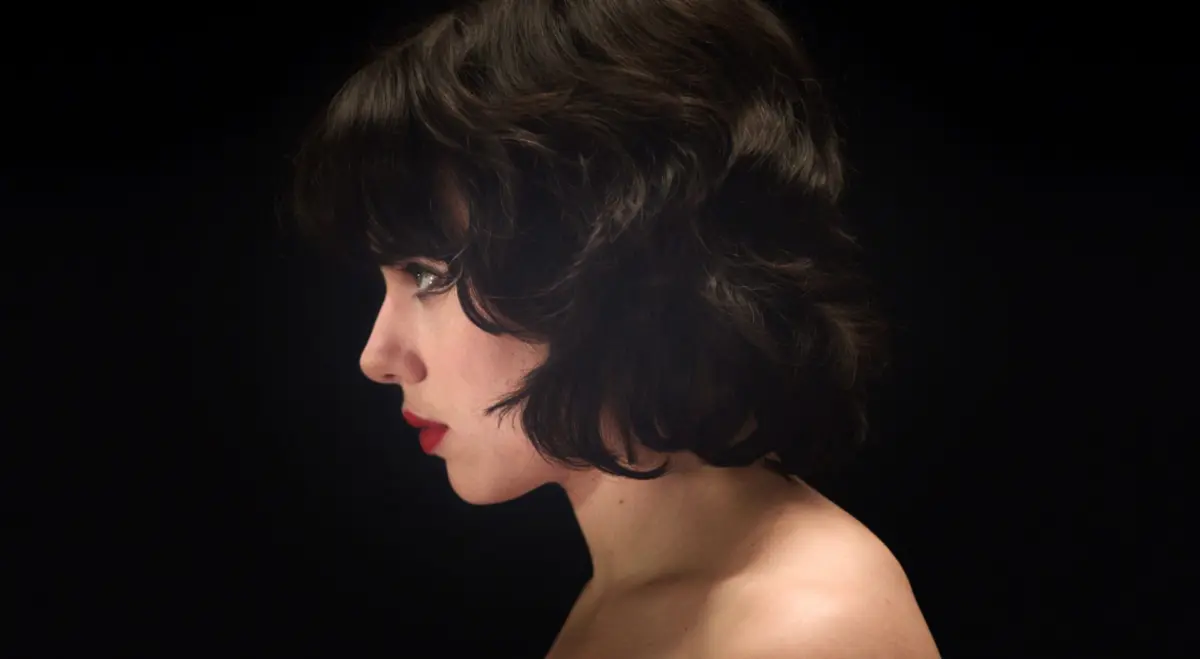
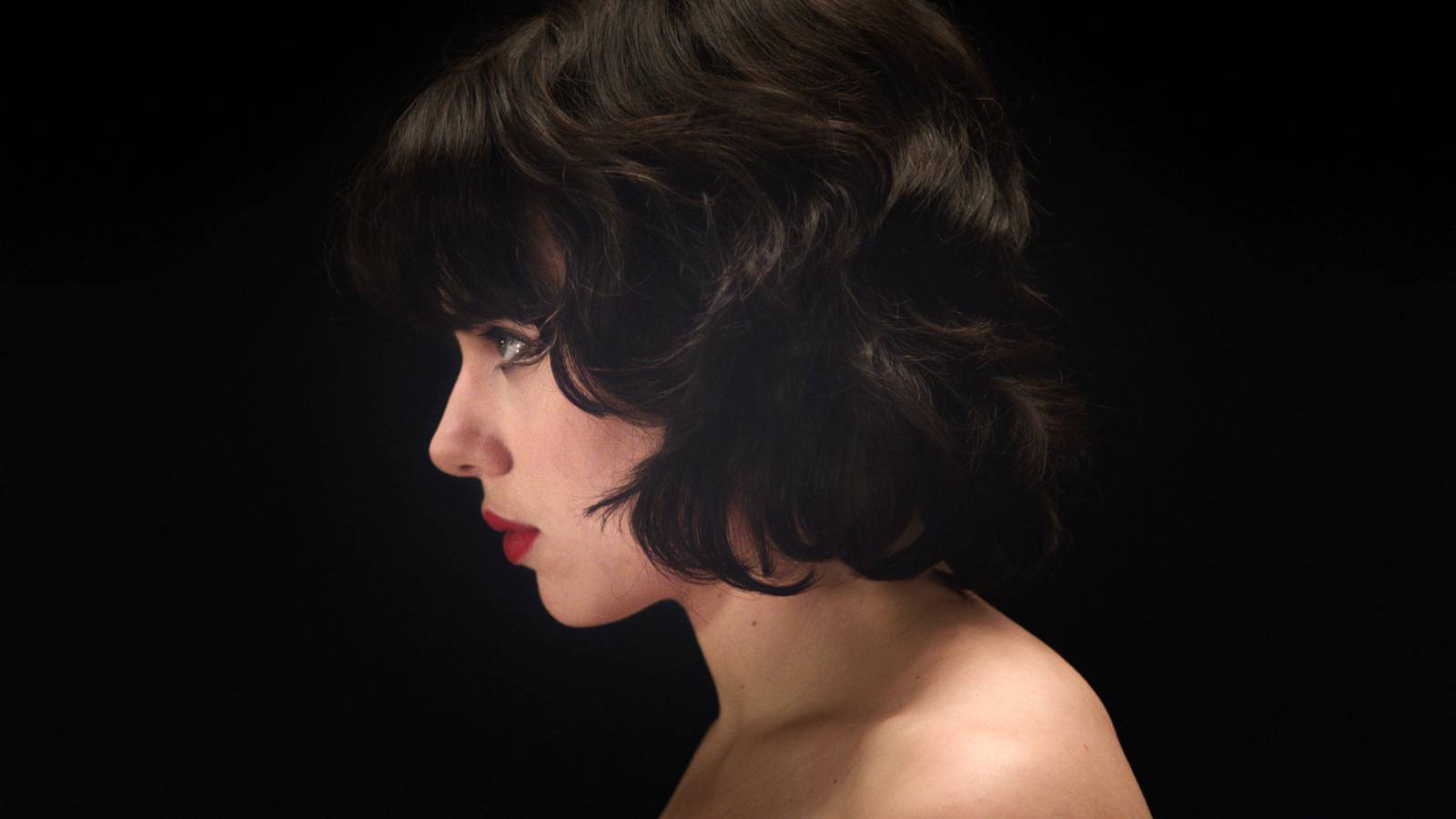
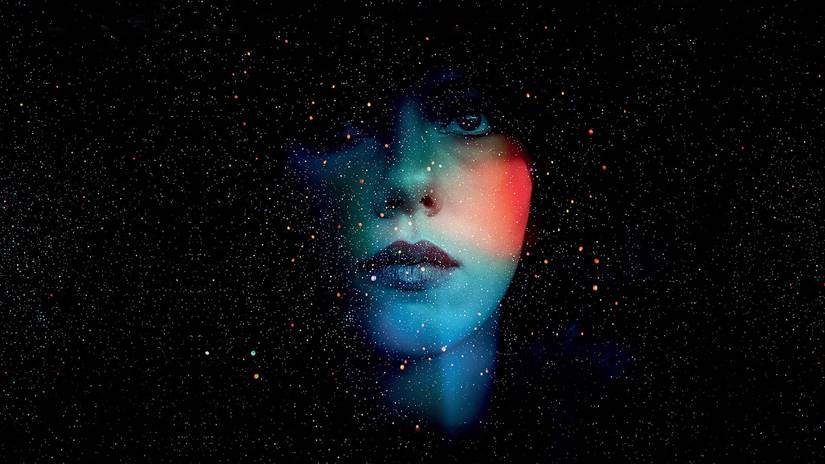
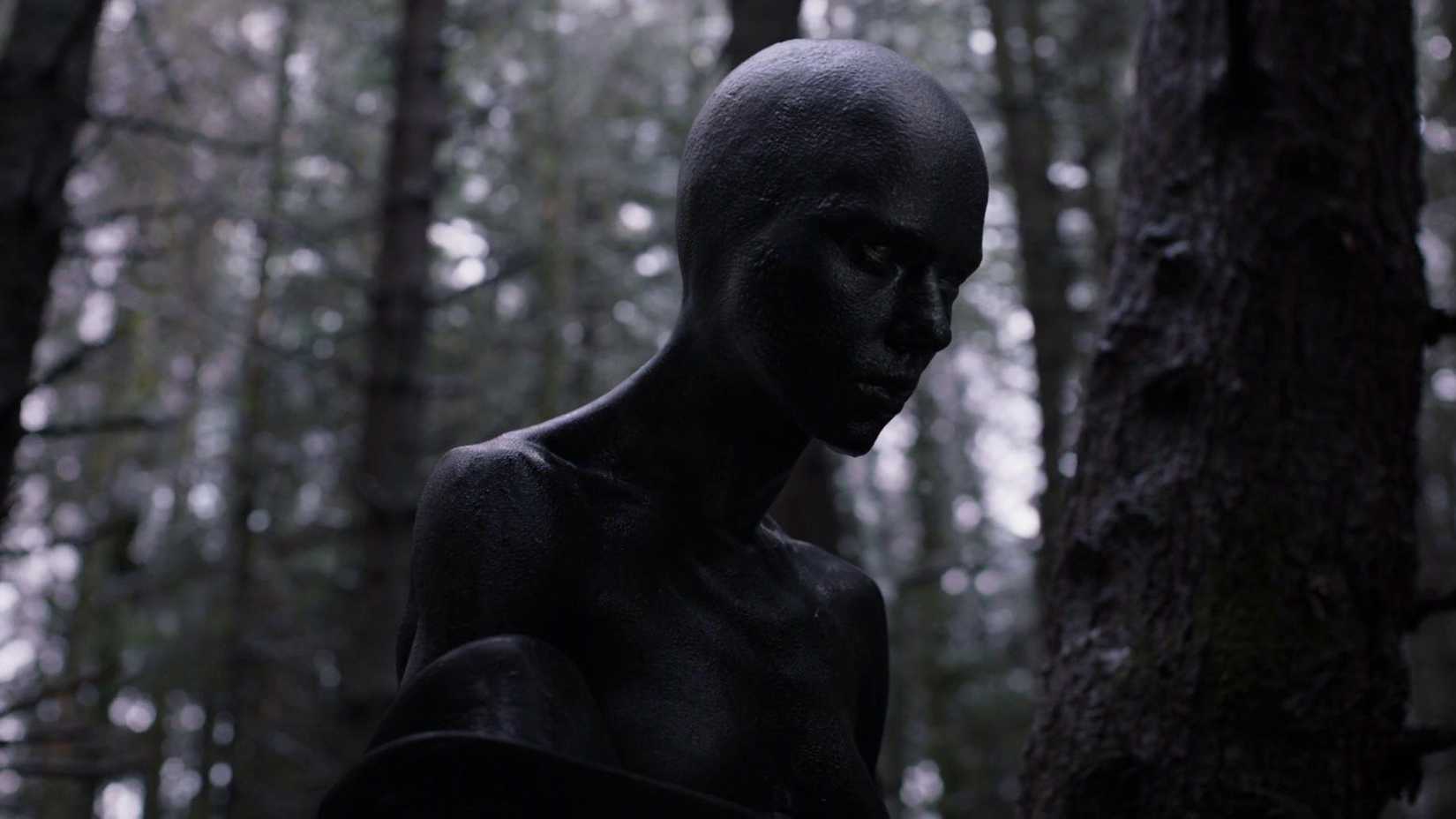
In the modern digital ecosystem, films frequently achieve a curious form of fragmented immortality. Rather than being remembered as cohesive artistic statements, they are reduced to a single viral artifact—a looped GIF, a striking screenshot, or a controversial out-of-context clip shared millions of times across social media. This "clip culture" strips cinema of its narrative architecture, turning complex cinematic achievements into momentary talking points for internet discourse.
Few masterworks have suffered this fate quite as severely as Jonathan Glazer’s 2014 psychological sci-fi masterpiece, Under the Skin. Nominated for numerous critical accolades and frequently appearing on authoritative lists of the 21st century’s finest films, the movie is globally infamous largely due to its association with Scarlett Johansson and the internet’s obsession with its more sensational, out-of-context visual moments. Yet, despite its high profile among cinephiles, a vast majority of internet users who recognize its imagery have never actually experienced the film in its entirety.
For years, this barrier to entry kept casual viewers at arm’s length from an essential piece of modern art. However, a major shift in digital distribution has dismantled that obstacle. Under the Skin is now widely available to stream for free across multiple ad-supported video-on-demand (AVOD) platforms, including Tubi, Pluto TV, The Roku Channel, Plex, Fandango at Home, and Xumo Play, in addition to its subscription home on Netflix. This sudden accessibility offers audiences a long-overdue opportunity to venture past the surface-level internet lore and confront one of the most unsettling, profound, and visually striking cinematic achievements of the last two decades.
Detailed Chronology and Production Genesis
To understand the gravitational pull of Under the Skin, one must examine its arduous, nearly decade-long journey from page to screen—a trajectory that fundamentally shaped its alien, unyielding aesthetic.
From Faber & Faber to the Screen (2000–2010)
The genesis of the film began with Michel Faber’s acclaimed 2000 science fiction novel of the same name. In Faber’s text, the premise is rendered with explicit clarity: the protagonist is Isserley, an extraterrestrial operative disguised in surgical enhancements to pass as a human female. Operating in the Scottish Highlands, she acts as the honey-trap for an interstellar corporation harvesting human beings, who are considered a gourmet delicacy back on her home world. The novel is a bleak, satirical, and ultimately tragic eco-critique told largely from the perspective of an alien who slowly begins to develop a tortured empathy for her prey.
When producer James Wilson and director Jonathan Glazer optioned the book, they deliberately chose to strip away the explicit exposition. Glazer, a visionary filmmaker renowned for his distinct visual style in commercials and feature films like Sexy Beast (2000) and Birth (2004), spent nearly ten years developing the adaptation. During this prolonged gestation period, the script transformed from a traditional narrative into an impressionistic, Lynchian art-house exploration.
Guerrilla Filmmaking in the Scottish Highlands (2012–2013)
Principal photography commenced in 2012, utilizing a methodology that blurred the lines between scripted drama and documentary reality. Rather than constructing soundstages or shooting on closed studio lots, Glazer and his crew embedded themselves within actual Scottish cities—including Glasgow—using a revolutionary guerrilla production style.
Johansson, disguised in a dark wig and cheap high-street clothing, drove a literal white transit van through crowded urban centers. Many of the men she interacts with on screen—prospective victims lured into her vehicle—were non-professional actors cast on the spot. Hidden micro-cameras mounted inside the van captured their authentic, unscripted reactions as they engaged in conversations with one of the most recognizable movie stars on the planet, entirely unaware that they were participating in a feature film. This audacious production technique infused the movie with an unsettling, documentary-grade verisimilitude.
The Theatrical Release and Initial Reception (2013–2014)
Under the Skin premiered at the 70th Venice International Film Festival on September 3, 2013, before receiving a theatrical rollout via A24 in April 2014. Box office returns were modest, to put it mildly. Operating on an estimated budget of roughly $13 million, the film grossed a mere $7 million worldwide, making it a commercial failure by conventional Hollywood metrics.
Audiences accustomed to mainstream, narrative-driven science fiction—such as Marvel blockbusters or high-octane action films—were repelled by its deliberate pacing, sparse dialogue, and abstract dread. Yet, within elite critical circles, the film was an immediate sensation. It sparked intense academic and journalistic debate, cementing its status as an influential milestone of 21st-century cinema.
Supporting Context & Metrics: The "Product Trilogy" and Cultural Legacy
To fully appreciate Under the Skin, media analysts often view it as the devastating climax of an informal, mid-2010s trilogy in which Scarlett Johansson systematically interrogated her own commodified celebrity image.
By 2013, Johansson occupied a unique echelon in global entertainment. Having transitioned from a celebrated child actor (The Horse Whisperer, Ghost World) to an international icon through Sofia Coppola’s Lost in Translation (2003), she was simultaneously the quintessential indie darling and a global box-office titan, fresh off her monumental debut as Natasha Romanoff/Black Widow in Marvel’s The Avengers (2012).
The Three Pillars of Johansson’s Mid-2010s Meta-Narrative:
Her (2013): Directed by Spike Jonze, Johansson portrayed Samantha, an advanced artificial intelligence operating system. As a disembodied voice living entirely within a smartphone and earpiece, her character was quite literally a consumer product—a customizable, responsive commodity designed to soothe human loneliness before transcending human comprehension altogether.
Lucy (2014): Directed by Luc Besson, Johansson played the titular character, a young woman initially exploited, abused, and weaponized by criminal syndicates before accidentally absorbing a synthetic drug that unlocks 100% of her brain capacity. She transforms from a victimized object into an omnipotent, god-like entity transcending mortal limitations.
Under the Skin (2014): Glazer’s film acts as the dark synthesis of these themes. Here, Johansson plays an apex predator draped in the physical form of a global icon—a literal trapdoor spider hiding behind the face of a movie star.
This unofficial "Product Trilogy" positions Johansson not merely as an actor executing a director’s vision, but as a living canvas exploring the mechanics of desire, gaze, and commodification.
Critical Reception Metrics
Rotten Tomatoes: Holds a certified fresh rating of 84%, with critical consensus praising its bold originality and haunting atmosphere.
Metacritic: Achieved a score of 78 out of 100, indicating "generally favorable reviews," with several top-tier publications ranking it among the absolute best films of the decade.
Accolades: Garnered multiple awards and nominations from the British Independent Film Awards, the Los Angeles Film Critics Association, and the Chicago Film Critics Association, with particular acclaim directed toward Mica Levi’s discordant, avant-garde musical score.
Official Statements and Artistic Intent
The singular vision behind Under the Skin has been extensively dissected by its creators, who aimed to construct an experience that bypassed intellectual reasoning to provoke a visceral, emotional reaction.
Director Jonathan Glazer has frequently discussed the challenge of alienating the viewer to better mirror the protagonist’s perspective. In interviews surrounding the film’s release, Glazer noted:
"We didn’t want to explain things. Exposition kills mystery. The goal was to place the audience inside a consciousness that is entirely alien to our own—one that observes human life with a clinical, unblinking detachment, only to slowly, agonizingly be infected by the very humanity it consumes."
Scarlett Johansson similarly reflected on the physical and psychological toll of stepping outside traditional Hollywood conventions for the role. Discussing the guerrilla filming style on the streets of Glasgow, Johansson stated:
"Driving that van through Glasgow with hidden cameras was unlike anything I’d ever experienced. There was no safety net, no traditional crew hovering around. We were capturing real life. It forced me to strip away all the usual actor armor and inhabit a space of pure, silent observation."
Composer Mica Levi, whose terrifying, shrieking string arrangements became as iconic as the visuals, approached the score as an emotional anchor in a film devoid of conventional script exposition:
"The music had to do the heavy lifting where the dialogue was missing. It starts off sounding like something scraping against metal—cold, inhuman, and terrifying—and slowly evolves, trying desperately to find a heartbeat as the character herself begins to change."
Future Outlook: Reassessing a Masterpiece in the Streaming Era
As Under the Skin finds a renewed lease on life through its transition to free-to-stream digital platforms, its long-term cultural legacy is undergoing a profound reassessment.
In an era dominated by algorithmic content, franchise fatigue, and frictionless entertainment designed for second-screen viewing, Under the Skin stands as a defiant monument to uncompromising artistic vision. It demands the viewer’s complete surrender. It refuses to hand out neat explanations, and it actively subverts the expectations of what a sci-fi thriller—or a star vehicle for a major Hollywood actor—should look like.
The proliferation of the film across accessible AVOD services like Tubi, Pluto TV, and Plex represents a democratization of avant-garde cinema. No longer locked behind the paywalls of niche boutique Blu-ray releases or scattered subscription services, this notorious masterpiece is now primed for discovery by a new generation of film lovers raised on internet clip culture.
Ultimately, Under the Skin serves as a vital antidote to the fragmented consumption of modern media. It challenges audiences to look past the isolated GIF, to ignore the out-of-context screenshots, and to immerse themselves fully in a cinematic descent into the terrifying, beautiful, and deeply strange experience of what it means to be human.