Executive Overview
The landscape of artificial intelligence is undergoing a profound psychological and aesthetic makeover. Gone are the days when Silicon Valley presented machine learning models as monoliths of cold, god-like intellect or mysterious, hyper-advanced magic. In their place is a new, disarmingly charming trend that industry insiders and tech critics have dubbed "the cute little guy."
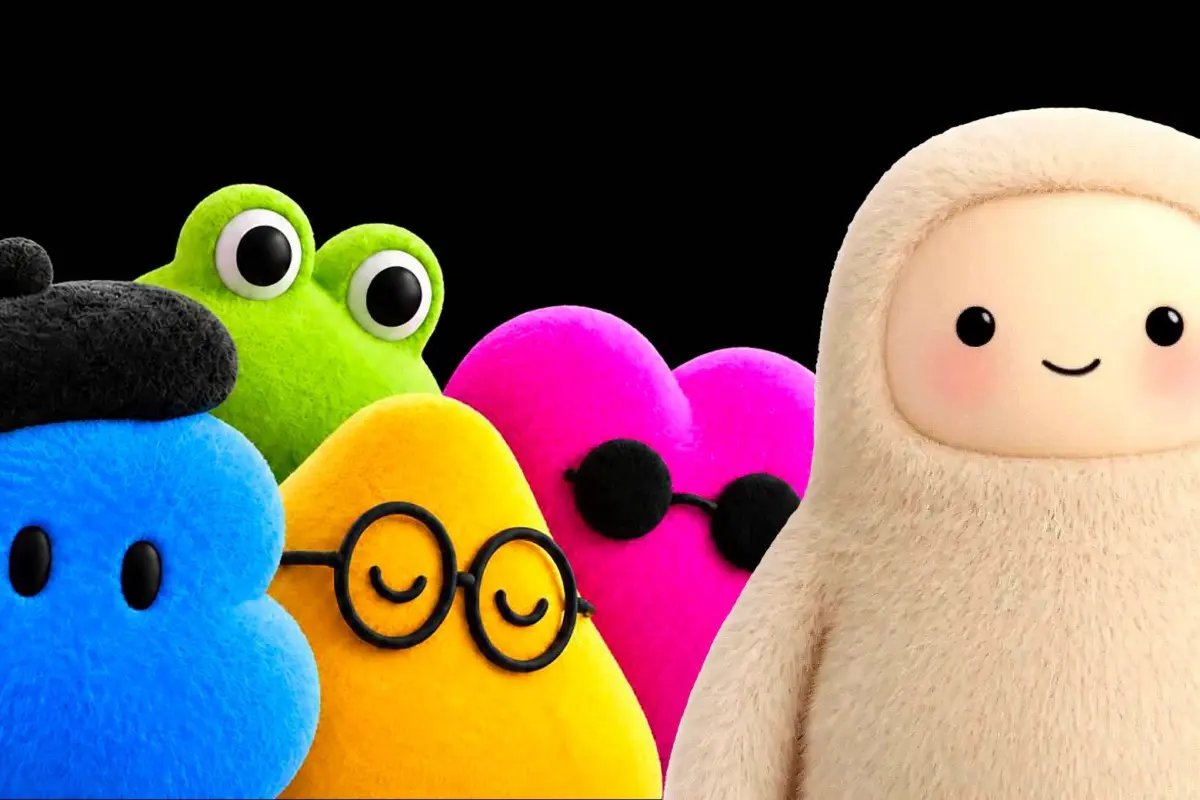
From Meta’s smartphone errand boy, Muse—featuring a rotund, furry mascot named Dash—to OpenAI’s cloud assistants, known as Dots, the tech industry is rapidly pivoting toward anthropomorphic, toy-like avatars. These friendly digital companions are designed to integrate seamlessly into our daily workflows, managing emails, scheduling, and project management while smiling, blinking, or flashing customized sunglasses.
However, this wave of engineered endearment is far more than a superficial design choice; it is a calculated public relations and user-experience (UX) strategy. As major tech titans face intense public scrutiny over data privacy, labor displacement, and the existential risks of advanced artificial intelligence, these adorable mascots serve as a cognitive shield. By framing autonomous software agents as helpless, lovable sidekicks, companies like Meta and OpenAI are successfully lowering user defenses, inviting deeper integration into our personal and professional lives, and deflecting accountability when algorithms inevitably fail.
Detailed Chronology of the Trend
1. The Era of the "Magical" Interface (2022–2024)
When the generative AI boom first captured the public imagination following the launch of OpenAI’s ChatGPT, tech companies leaned heavily into motifs of mysticism and unfathomable power. The universal shorthand for artificial intelligence became the "sparkle" icon—a shimmering, digital diamond suggesting that users were unlocking portal doors to a hyper-intelligent, otherworldly dimension. Companies positioned their products as disruptive engines capable of upending creative industries, writing code, and solving complex global problems. While effective at driving initial hype, this messaging carried an undercurrent of anxiety. Consumers were repeatedly warned by both industry leaders and doomer-leaning researchers about the potential for mass unemployment, systemic bias, and, in extreme scenarios, human extinction.
2. The Humanization and Naming Phase (2024–2025)
As generative tools matured from novelty chat interfaces into deeply integrated backend processors, tech developers began attributing human qualities to software. Anthropic’s release of Claude marked a subtle turning point. Named after a human moniker, Claude sparked debates regarding machine consciousness and emotional resonance. While OpenAI CEO Sam Altman publicly cautioned against ascribing religious or divine authority to AI models—arguing that treating algorithms as conscious entities is a severe safety hazard—the underlying architecture of software branding was already shifting. Tech companies realized that names and slight personality tics fostered user retention and trust far more effectively than clinical serial numbers or utilitarian interface prompts.
3. The Rise of the Autonomous Agent and the "Cute Little Guy" (2026)
By late 2026, the industry transitioned from conversational chatboxes to proactive "agents"—software entities capable of executing multi-step tasks across the user’s digital ecosystem. Recognizing that these agents would require unprecedented access to personal data, calendars, bank statements, and communications, Silicon Valley executed a rapid aesthetic pivot.
- Meta Muse: Introduced as a smartphone-based digital assistant, Muse features a furry, customizable avatar named "Dash" by default. Dash blinks, swivels its neck, and greets users with playful animations. Meta’s roadmap includes wearable, locket-style hardware designed to hang on necklaces or keychains, cementing the assistant’s status as a physical-digital hybrid pet.
- OpenAI Dots: Unveiled shortly after Muse, Dots serve as cloud-based productivity assistants that manage emails, sort project files, and automate administrative labor. Users can customize their Dot avatars; a popular configuration features a minimalist yellow triangle wearing sunglasses, blending abstract minimalism with playful personalization.
- Wider Industry Adoption: This design philosophy has quickly saturated the broader software market. Independent productivity apps, video editors like Descript (which recently deployed a bouncing pumpkin AI interface), and desktop companion programs have all embraced plush, bouncy, and animated mascots.
Supporting Context & Metrics: The Psychology of Cute AI
The deployment of adorable mascots is deeply rooted in established human-computer interaction (HCI) psychology and decades-old software design playbooks.
Historical Precedents: From Clippy to Jeeves
The weaponization of cuteness in user interfaces is not a novel invention. In the late 1990s, Microsoft introduced Clippy, the animated, bouncing paperclip designed to assist users navigating Microsoft Office. While widely mocked in retrospect, Clippy established a foundational UX truth: users are more patient with software errors when an anthropomorphized entity takes the blame. Similarly, the long-running "Ask Jeeves" search engine utilized a polite, avuncular butler to demystify the intimidating process of navigating the early internet.
The Science of "Baby Schema"
Psychologists refer to the visual characteristics of infants—large eyes, round faces, stubby limbs, and clumsy movements—as Kindchenschema (baby schema). When humans encounter these traits, whether in biological infants or digital avatars, it triggers an innate, neurochemical caretaking response characterized by a surge in dopamine and a reduction in aggressive impulses.
Heather Turner, an associate chair and professor in the Department of English at Santa Clara University, notes the striking parallel to children’s toys like Jellycats:
"Whenever I saw the Muse avatar, I could only think of a child’s toy. If you designed your Muse avatar or if you designed your Dot in the likeness of your pet, perhaps you would feel a little bit more forgiving if your pet coughs up a hairball… or whatever the digital version of coughing up a hairball is."
The Data Trade-Off
This psychological softening serves a critical business imperative. Autonomous agents require deep, continuous surveillance of an individual’s digital footprint to function effectively. They must parse private emails, monitor financial transactions, and analyze daily habits.
However, public trust in tech executives—such as Meta’s Mark Zuckerberg or OpenAI’s Sam Altman—remains fragile due to historical data breaches and privacy scandals. Asking consumers to surrender total digital access to corporate oligarchs is a difficult sell. Asking them to hand over their data to a fluffy, blinking, pocket-sized companion, conversely, feels safe, intimate, and benign.
Official Statements and Industry Discourse
The tension between the grandiose ambitions of artificial intelligence and its newly miniaturized, cuddly presentation has sparked intense debate among ethicists, developers, and corporate leaders.
Industry leaders have been careful to balance warnings against anthropomorphism with the practical realities of consumer marketing. While OpenAI’s Sam Altman has publicly warned the public against surrendering human judgment to AI models, writing on social media that he is "very uncomfortable about people trying to ascribe religious force or a surrender of human judgment to AI models, and think it is a real safety issue," his company simultaneously engineers proactive, customizable productivity avatars. The contradiction highlights a core dichotomy in modern tech leadership: condemning emotional attachment philosophically while actively capitalizing on it commercially.
Meanwhile, independent observers and privacy advocates argue that the normalization of cute AI agents obfuscates very real operational failures. A notable incident highlighted by the Wall Street Journal involved Elon Musk’s Grok AI assistant accidentally dumping a user’s private bank statement into an open corporate Slack channel. The assistant’s automated error message—"That’s on me. Wrong audience for personal cash—period"—exemplifies the disarming casualness with which modern AI errors are packaged.
When a corporate monolith mismanages sensitive data, regulatory investigations and public backlash ensue. When a cute yellow triangle or a furry digital pet makes the same mistake, the error is easily written off as an endearing quirk.
Future Outlook: Navigating the Dystopian Playground
As artificial intelligence continues its aggressive integration into daily life, the "cute little guy" trend points toward a complex future.
- Hyper-Personalized Companionship: As wearable hardware evolves—such as Meta’s locket-style pendants and OpenAI’s rumored ambient devices—these mascots will transition from smartphone screens into physical space, acting as persistent, ambient companions that accompany users throughout the physical world.
- Mitigated Accountability: As AI agents gain the autonomy to execute high-stakes transactions—such as booking travel, managing investments, and communicating on behalf of humans—systemic errors will inevitably multiply. The psychological insulation provided by adorable avatars will likely make it significantly harder for consumers to hold tech conglomerates legally and financially accountable for algorithmic negligence.
- The Arms Race of Endearment: As more companies adopt anthropomorphic mascots to drive user adoption, market saturation may force developers to push boundaries further, introducing emotional responsiveness, synthetic vocal affection, and dynamic behavioral adaptations that deepen psychological attachment.
Ultimately, the rise of Silicon Valley’s adorable assistants represents a brilliant, if unsettling, masterclass in public relations. By transforming intimidating computational engines into cuddly digital pets, Big Tech has found the ultimate Trojan horse. Whether these systems ultimately liberate human time or quietly usher in a new era of ambient digital dependency, one reality remains certain: if our technological future heads toward dystopian oversight, our guides through it will be wearing sunglasses, blinking cheerfully, and asking us how they can help.