Executive Overview
As autumn approaches, Apple is once again preparing to dominate the consumer electronics cycle with a flurry of high-profile hardware releases. While next month’s anticipated "Surprise and Shine" special event will undoubtedly capture global headlines with the debut of the flagship iPhone 18 Pro and the rumored, category-bending iPhone Ultra, a quieter yet equally significant hardware refresh is brewing behind the scenes.
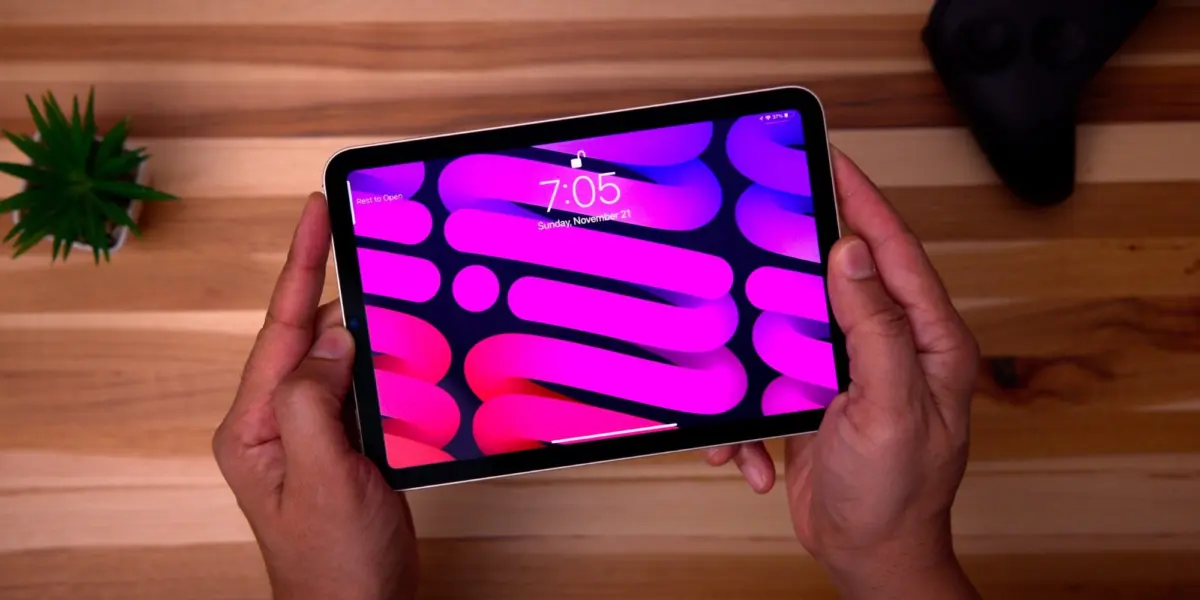
According to the latest insights from industry insiders, Apple is gearing up to release a heavily revised iteration of its smallest tablet offering. In his recent Power On newsletter, Bloomberg’s seasoned Apple reporter Mark Gurman indicates that a brand-new iPad mini—featuring a long-awaited transition to OLED display technology—is slated to hit store shelves by the end of October.
This upcoming release signals Apple’s continued commitment to its compact tablet lineup, filling a crucial niche for consumers who prioritize ultimate portability without compromising on computational power. However, the timing of the launch suggests a departure from Apple’s unified product theater. Rather than sharing the stage with the company’s next-generation smartphone juggernauts in September, the new iPad mini is expected to receive a dedicated, independent rollout in October, delivered either via a traditional press release or a secondary digital showcase.
As the technology community anticipates these monumental autumn announcements, questions loom large regarding pricing dynamics, display performance upgrades, and the looming competitive shadow of foldable device technology. This comprehensive report explores the timeline, strategic positioning, and future outlook for Apple’s compact tablet ecosystem.
Detailed Chronology: Tracing the Evolution of the iPad Mini
To understand the weight of the forthcoming October release, one must first examine the historical cadence of the iPad mini lineup. For over a decade, Apple’s smallest tablet has occupied a fascinating, highly specialized niche within the company’s hardware portfolio, serving as a digital notebook, a pilot’s flight companion, a gaming powerhouse, and a pocket-sized media consumption device.
The October 2024 Predecessor
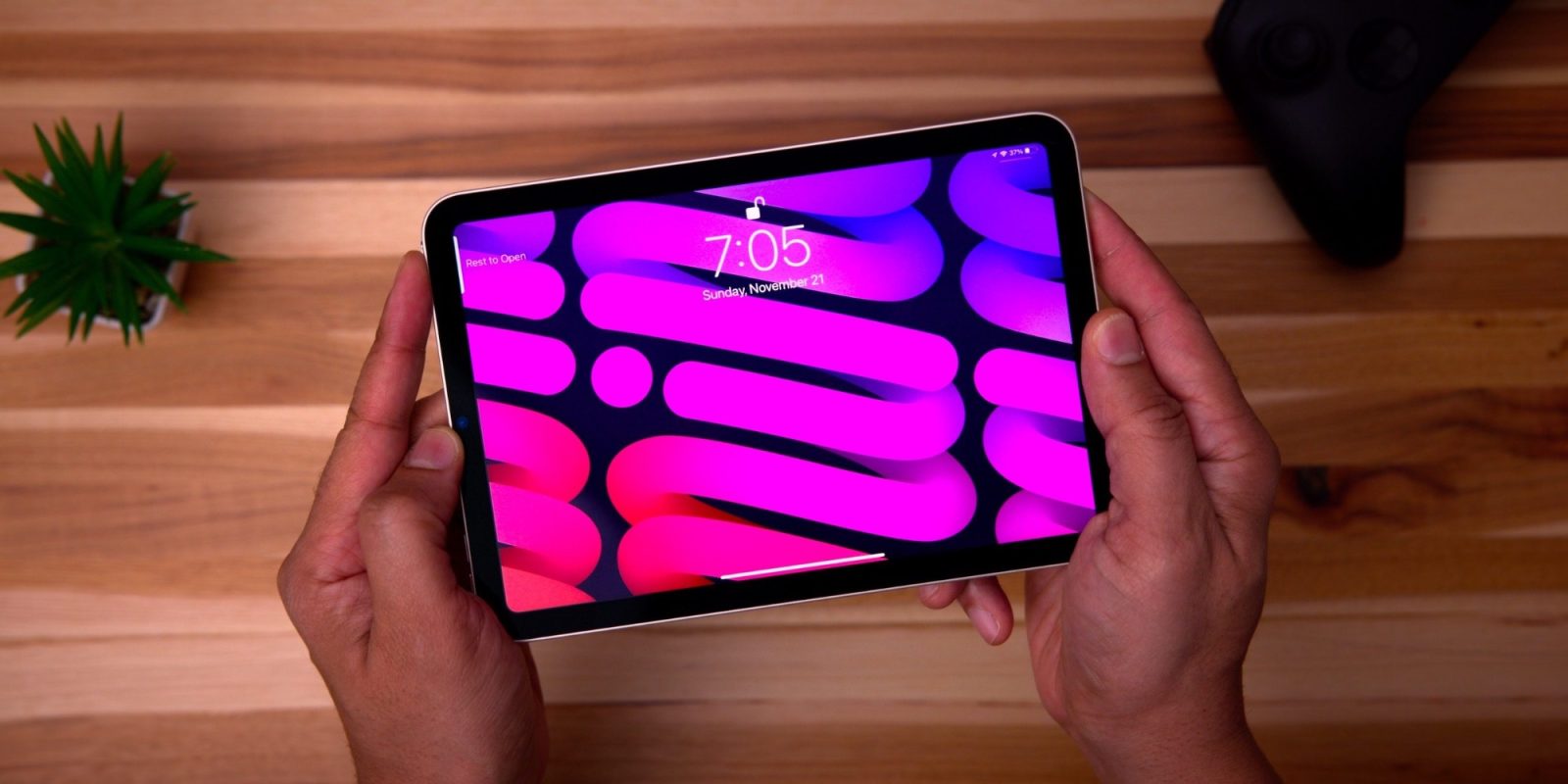
The current iteration of the device was introduced in October 2024, arriving roughly two years ago. That refresh brought critical modernizations to the chassis, introducing the formidable A17 Pro system-on-a-chip to ensure full compatibility with Apple Intelligence features. Furthermore, the 2024 model incorporated comprehensive support for the Apple Pencil Pro, cementing the mini’s status as a serious tool for digital artists and note-takers who preferred a smaller canvas.
Despite these internal upgrades, the exterior form factor and display technology remained largely tethered to previous generations, utilizing traditional LCD panels. Furthermore, earlier this year, macroeconomic pressures and shifting component costs forced Apple to adjust its pricing strategy, driving the baseline retail cost of the iPad mini upward by $100—shifting the entry point from $499 to $599.
The October 2026 Shift
Mark Gurman’s latest supply chain intelligence points to a late-October 2026 retail debut for the next-generation model. By eschewing a simultaneous September launch alongside the iPhone 18 Pro and iPhone Ultra, Apple is engineering a calculated, two-phase holiday product rollout.
This strategy prevents the massive media footprint of the iPhone lineup from completely overshadowing the tablet division. Instead, Apple allows its flagship smartphones to capture the initial September consumer frenzy, followed weeks later by a dedicated focus on productivity and ecosystem expansion via the iPad mini and potentially updated Mac hardware.
Supporting Context & Metrics: The Transition to OLED and Market Dynamics
The defining technical narrative of the upcoming iPad mini centers on its rumored adoption of an OLED (Organic Light-Emitting Diode) display panel. This transition represents a monumental leap forward for Apple’s compact tablet line, bringing it in line with the high-end display standards already established by recent iPad Pro models.
Why OLED Matters for the Smallest iPad
OLED technology fundamentally changes how screens emit light and color. Unlike traditional LCD screens that rely on a uniform backlight, OLED panels feature millions of self-illuminating pixels. This architectural shift yields several distinct performance metrics:

- Infinite Contrast Ratios: Because individual pixels can be completely switched off, OLED displays achieve true blacks, drastically improving dynamic range and visual depth during media consumption.
- Enhanced Energy Efficiency: Display power consumption is reduced when rendering dark content (such as dark-mode interfaces or cinematic video letterboxes), which can help preserve battery life within a constrained chassis.
- Vibrant Color Accuracy: Professional creators and casual users alike will benefit from wider color gamuts and superior calibration out of the box.
Pricing Pressures and Market Positioning
The impending launch also invites intense scrutiny regarding consumer economics. With the current-generation model priced at $599—and occasionally discounted through major retailers like Amazon down to $569—industry analysts are closely watching whether Apple will introduce the OLED variant at the same price point or push the envelope higher.
Given the manufacturing overhead associated with producing high-grade small-format OLED panels, supply chain experts suggest that maintaining the $599 baseline would be a aggressive play by Apple to sustain volume, whereas an upward price adjustment could reposition the device closer to entry-level iPad Pro territory.
The Strategic Landscape: Foldables vs. Standalone Tablets
One of the most compelling narratives surrounding the release of the upcoming iPad mini is its intersection with broader industry trends—specifically, the rise of foldable display technology.
The Shadow of the iPhone Ultra
As Apple prepares to introduce the rumored iPhone Ultra, a device widely anticipated to feature a folding display that bridges the gap between a traditional smartphone and a small tablet, industry commentators have raised questions about potential product cannibalization.
The core dilemma is simple: If a consumer can carry a single device that unfolds into an iPad mini-sized screen, will they continue to purchase a separate standalone tablet?
Observers note that while foldable devices offer undeniable novelty and consolidated pocketability, they inherently carry massive premium price tags, complex mechanical durability considerations, and distinct software optimization challenges. A vast cohort of consumers prefers the structural reliability, lower cost, and ergonomic simplicity of keeping their iPhone and iPad as distinct, purpose-built tools. Consequently, the standalone iPad mini is expected to retain a fiercely loyal customer base that values durability and focused utility over bleeding-edge, transforming hardware.

Future Outlook: What Lies Ahead for Apple’s Compact Form Factor?
As we look past the anticipated October release, the trajectory of the iPad mini points toward deeper integration with Apple’s expanding artificial intelligence ecosystem. As Apple Intelligence evolves to require heavier on-device processing capabilities, future iterations of the mini will likely serve as testbeds for ultra-portable, AI-driven workflows.
Furthermore, the successful implementation of OLED technology in the mini form factor paves the way for a broader display standardization across Apple’s entire mobile and tablet lineup. Once restricted to the highest-tier Pro models, OLED is systematically trickling down, democratizing premium visual fidelity for everyday users.
Ultimately, Apple’s decision to refresh the iPad mini this October reaffirms that the company views the sub-8-inch tablet space not as a dying relic of the past, but as a vital, highly specialized pillar of its hardware empire. Whether consumers are looking to upgrade from aging legacy hardware or seeking a dedicated canvas for digital expression, the October release promises to inject fresh energy into a beloved form factor.