Executive Overview
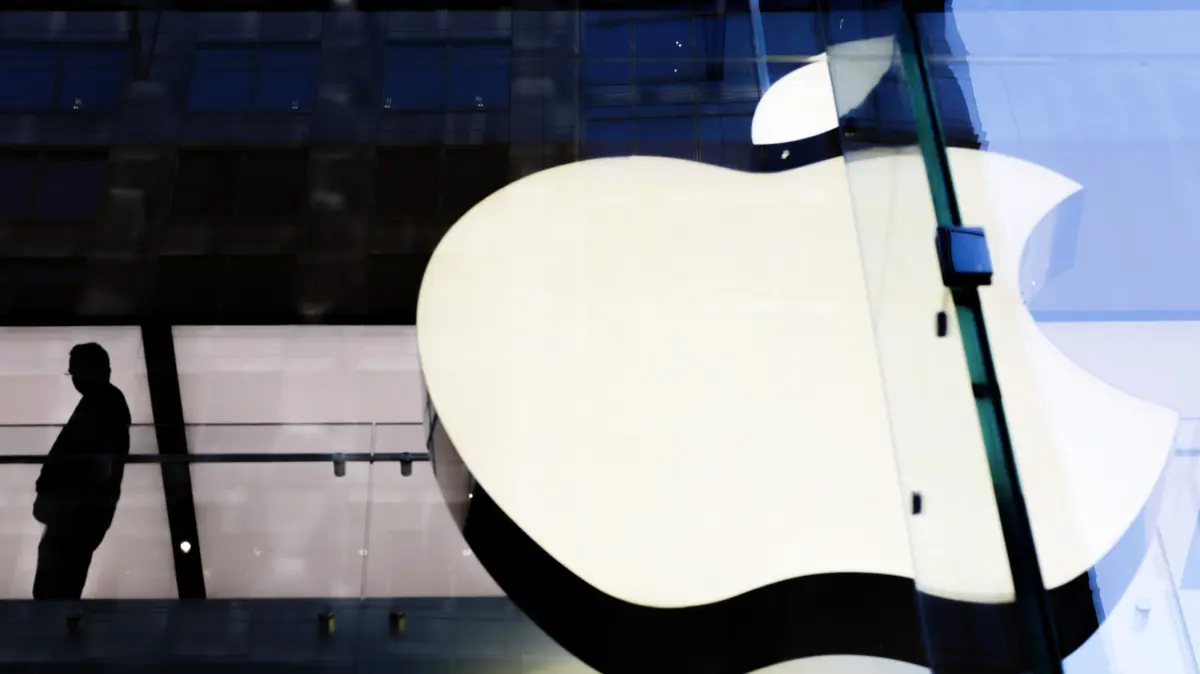
Apple is poised to aggressively re-enter the competitive smart home arena with a massive ecosystem overhaul, spearheaded by a strategic partnership with South Korean electronics giant LG. According to recent investigative reports and regulatory filings, Apple and LG have co-developed a comprehensive suite of connected home security and automation hardware. This anticipated ecosystem—which includes smart doorbells, smart deadbolts, thermostats, and indoor, outdoor, and floodlight security cameras—signals a calculated pivot in Apple’s hardware strategy.
Rather than manufacturing every piece of peripheral hardware under its own iconic brand, Apple has opted for a hybrid collaborative model. While core control hubs, such as the long-rumored Siri-powered tabletop command device and refreshed audio gear, will wear the Apple badge, the newly minted peripheral accessories will launch under the LG brand banner. Manufactured and supported by LG, these devices will integrate deeply with Apple’s HomeKit and the Apple ecosystem, effectively bridging a critical hardware gap that has historically allowed competitors like Amazon’s Ring and Google’s Nest to dominate the smart home space.
Industry insiders and supply chain analysts suggest that this overarching smart home push will be officially unveiled as early as next week, potentially accompanied by a revamped HomePod Mini and new iterative updates to Apple TV hardware. This report examines the mechanics of the Apple-LG partnership, the technical scope of the upcoming product lineup, the strategic implications for the consumer electronics market, and what consumers can expect as Apple attempts to redefine the connected living space.
Detailed Chronology: The Road to Apple’s Smart Home Realignment
Apple’s journey toward a cohesive smart home ecosystem has been a long, iterative, and occasionally fragmented process. To understand the significance of the upcoming LG partnership, one must trace the timeline of Apple’s developments in home automation over the past several years.
The Foundation: HomeKit and the Fragmented Early Years
In 2014, Apple introduced HomeKit, a framework designed to let users configure, communicate with, and control smart home appliances using Apple devices. While HomeKit established a high standard for secure, end-to-end encrypted local control, its strict hardware authentication requirements and MFi (Made for iPhone) certification hurdles slowed third-party adoption. For years, Apple relied almost entirely on third-party manufacturers to build HomeKit-compatible doorbells, locks, and thermostats. Aside from the Apple TV and the HomePod lineup, Apple itself offered no native peripheral hardware to anchor the smart home experience.
The Shift Toward Ambient Computing and Hubs
By 2021 and 2022, whispers began circulating through supply chain leaks and insider reports—notably from Bloomberg’s Mark Gurman—that Apple was rethinking its domestic strategy. The company recognized that controlling the living room required more than just voice commands routed through a smartphone or a smart speaker; it required dedicated, always-on hardware command centers.
Engineering teams began prototyping various iterations of smart displays, ranging from wall-mounted panels to rotating, iPad-like tabletop devices powered by advanced conversational artificial intelligence. Simultaneously, Apple invested heavily in expanding its internal software frameworks, eventually adopting the Matter smart home standard alongside Amazon, Google, and Samsung to ensure broader cross-platform interoperability.
The Convergence: Partnering with LG
As the hardware concepts matured, Apple faced a strategic bottleneck: scaling up manufacturing and supply chains for a diverse array of physical security devices—ranging from weather-resistant outdoor floodlights to motorized deadbolts—would stretch its core operations. Enter LG Electronics.
While LG is globally recognized for household appliances, televisions, and high-resolution displays (such as the Studio Display and UltraFine series long favored by Mac users), the company was seeking fresh avenues for its component and manufacturing divisions. Regulatory filings uncovered in late 2025 and early 2026 revealed that LG had quietly co-developed a specialized suite of security and automation hardware specifically tailored for seamless integration with Apple’s upcoming ecosystem.
Supporting Context & Metrics: The Anatomy of the Apple-LG Collaboration
The partnership between Apple and LG is multifaceted, leveraging the distinct strengths of both corporate titans.
Product Breakdown: What Was Co-Developed?
Based on leaked regulatory documents and industry disclosures, the co-developed product lineup features several vital smart home categories:
- Smart Doorbells: Designed with high-resolution optical sensors and deep integration with Apple’s secure video streaming frameworks.
- Smart Deadbolts: Engineered for robust mechanical security coupled with remote access management, geofencing, and proximity-based unlocking via Apple Wallet or Home keys.
- Smart Thermostats: Intelligent climate control units focused on energy efficiency, automated scheduling, and environmental sensing.
- Security Cameras (Indoor, Outdoor, and Floodlight): Advanced monitoring solutions that align with Apple’s rigorous stance on user privacy—including rumored features like local processing and privacy-centric encryption protocols that prevent unauthorized cloud scraping.
Branding and Manufacturing Division of Labor
In a break from traditional co-branding, the hardware resulting from this joint venture will be sold under LG’s brand name. LG will manage the physical manufacturing, distribution pipelines, and day-to-day product support. However, the engineering, firmware architecture, and API specifications have been heavily influenced—if not directly guided—by Apple’s software design teams to ensure flawless pairing with the Apple Home app.
Historical Synergies Between Apple and LG
This is far from the first time Apple and LG have joined forces. The two companies share a decades-long history of supply chain and software integration:
- Display Panels: LG Display is a primary supplier of the advanced panels used in Apple’s professional displays, including the Studio Display and Studio Display XDR.
- Entertainment Integration: LG was among the earliest television manufacturers to integrate AirPlay 2 and HomeKit natively into its smart TV operating systems, bridging the gap between iOS devices and living room displays.
- Monitor Partnerships: For years, LG has produced official third-party thunderbolt and 4K/5K monitors marketed directly through Apple retail channels.
Official Statements and Industry Insights
While neither Apple nor LG has issued a formal press release confirming every detail ahead of next week’s anticipated media event, industry analysts and supply chain auditors have provided substantial commentary on the strategic motivations behind the alliance.
Market researchers point out that Apple’s decision to outsource the manufacturing of physical peripherals to LG while retaining control over the software hub represents a masterclass in risk mitigation. "Apple wants the living room anchored by its operating systems and AI, but building low-margin, weather-resistant floodlight cameras is outside its core manufacturing DNA," notes an independent consumer tech analyst. "Partnering with LG allows Apple to instantly populate the market with reliable, certified hardware without bloating its own hardware supply chain."
Furthermore, privacy advocates have closely monitored leaks regarding Apple’s approach to home security cameras. Unlike competitors who rely heavily on proprietary cloud storage models that often compromise user data privacy, Apple’s HomeKit Secure Video model processes footage locally on trusted Apple hardware (such as an Apple TV or Home Hub) before encrypting it and storing it securely in iCloud. The integration of LG’s hardware with this privacy-first architecture is expected to be a major selling point for consumers wary of constant surveillance.
Future Outlook: The Smart Home Battlefield Ahead
The timing of this announcement—slated for next week, running parallel to the introduction of Apple’s long-awaited tabletop smart home hub and refreshed HomePod Mini variants—marks a watershed moment for consumer automation.
Redefining the Domestic Experience
For years, the smart home market has felt disjointed. Consumers often find themselves navigating a confusing maze of disparate apps, incompatible protocols, and competing voice assistants. By launching a unified ecosystem anchored by an advanced Siri-powered command hub and supported by high-grade peripheral hardware from LG, Apple is attempting to create a frictionless, turnkey domestic experience.
Market Implications for Competitors
The entry of an Apple-backed, LG-manufactured hardware ecosystem poses a direct challenge to established market leaders:
- Amazon (Ring/Blink): Will face intensified scrutiny regarding data privacy practices, as Apple positions its secure, locally processed video ecosystem as the gold standard for consumer protection.
- Google (Nest): Must contend with a more aggressive Apple push into environmental controls (thermostats) and security hardware that ties directly into the high-value iOS user base.
- Traditional Lock and Doorbell Makers: Companies specializing in smart access will need to ensure robust Matter and HomeKit compatibility to avoid being squeezed out by certified LG-built alternatives.
What Consumers Can Expect Next
While Apple-branded devices like the new home hub and updated HomePod Mini are expected to hit store shelves almost immediately following next week’s reveal, industry reports indicate that the LG-branded accessories (doorbells, locks, thermostats, and cameras) will take "at least a few more months" to complete final regulatory clearance and commercial rollout.
As these devices roll out through the course of the year, consumers will finally have access to a unified, beautifully designed, and privacy-centric smart home ecosystem that marries Apple’s software sophistication with LG’s manufacturing prowess. The smart home wars are entering a new, highly competitive phase, and the living room is the ultimate battleground.