Executive Overview
The conversation surrounding video game preservation, modern accessibility, and the economic viability of legacy software has taken center stage once again, thanks to recent remarks from Atlus leadership. In a comprehensive interview with Rock Paper Shotgun, Kazuhisa Wada—a veteran series producer and director at Atlus—strongly suggested that remakes or remasters for the earliest entries in the cultural phenomenon that is the Persona franchise are not just possible, but practically inevitable.
Wada framed these potential projects not merely as commercial endeavors to cash in on modern nostalgia, but as an essential act of "cultural preservation." According to Wada, creators bear a fundamental responsibility to ensure that their past works do not fade into obscurity or become victims of hardware degradation and platform exclusivity.
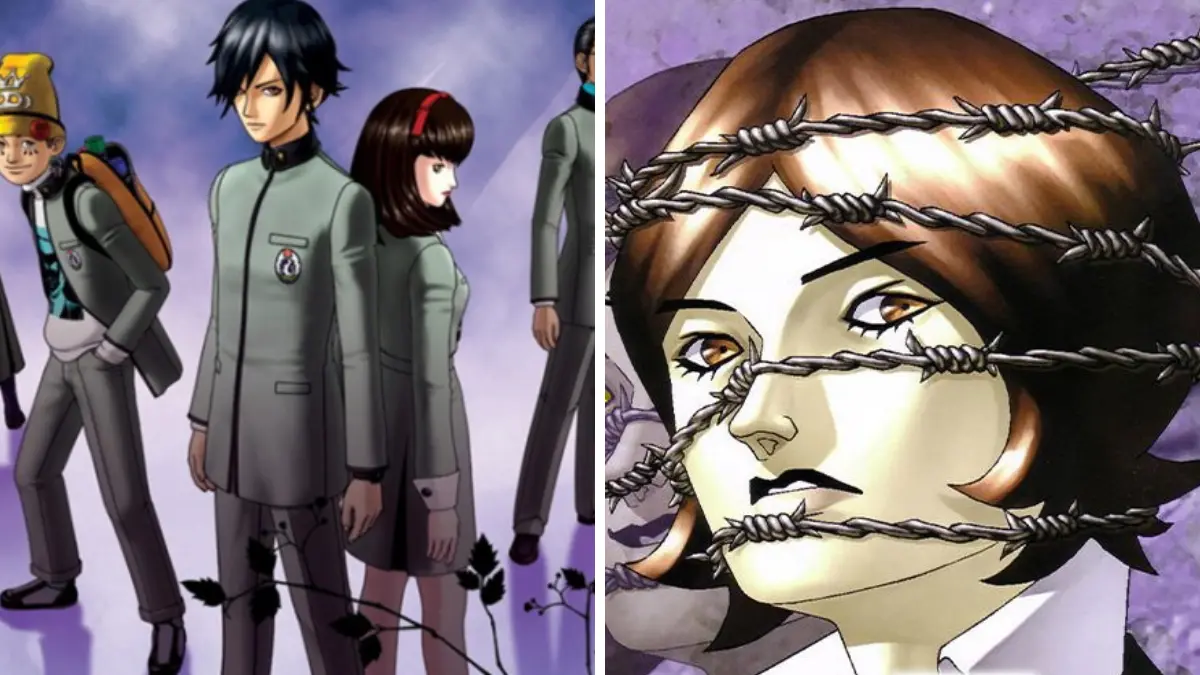
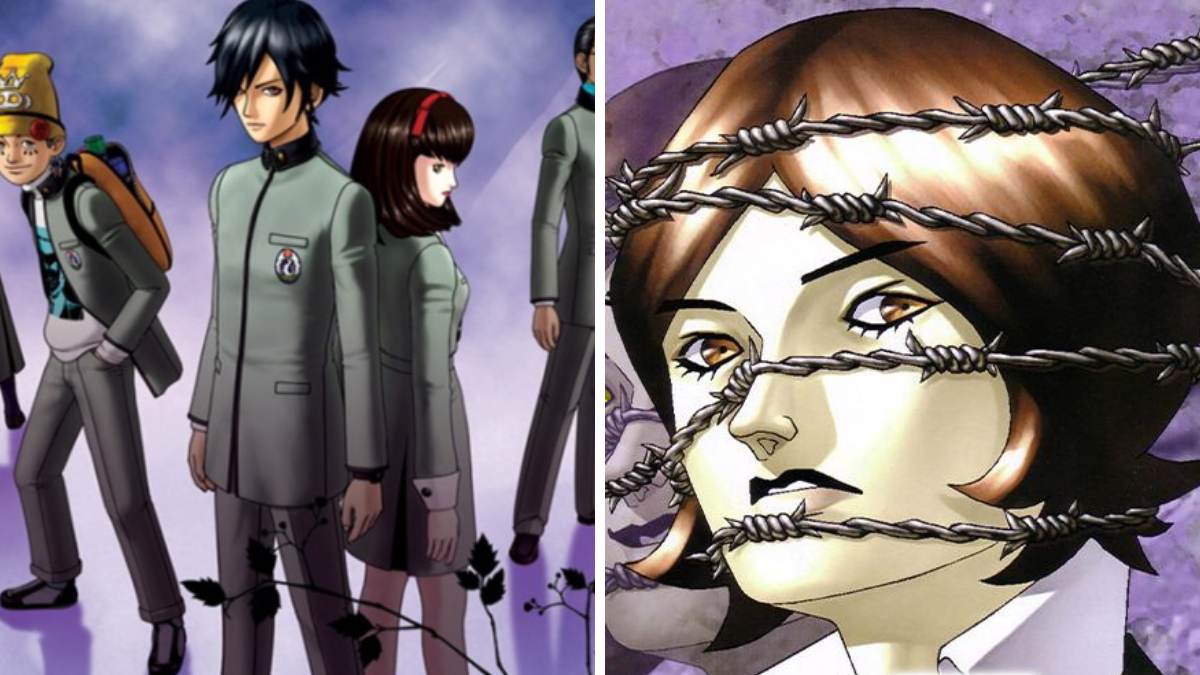
For millions of modern fans whose introduction to the franchise came via the massive mainstream success of Persona 5, or even through the critically acclaimed remakes of Persona 3 (Persona 3 Reload), the origins of the series remain shrouded in mystery. Released in an era when Japanese Role-Playing Games (JRPGs) were far more esoteric, the original Revelations: Persona (1996) and Persona 2: Innocent Sin (1999) embody a vastly different design philosophy. They reflect a time when the series was directly tethered to its parent franchise, Shin Megami Tensei, leaning heavily into dark urban fantasy, occult themes, and first-person dungeon crawling rather than the polished high school simulation loops that defined later installments.
While Wada’s comments offer a beacon of hope for purists and history buffs alike, they have simultaneously ignited a broader industry debate. Critics and long-time fans are questioning the strategic priorities of Atlus and its parent company, Sega. While the Persona series rightly enjoys a steady stream of re-releases, ports, and lavish modern remakes, other monumental pillars of the Atlus catalog—most notably the PS2-era Shin Megami Tensei spin-offs and the glaringly marooned Shin Megami Tensei 4—remain trapped on aging, obsolete hardware. As the industry grapples with a systemic preservation crisis, the potential resurrection of Persona 1 and 2 serves as a fascinating case study in how publishers choose to honor—or occasionally neglect—their foundational legacies.
Detailed Chronology: The Evolution of Early Persona and Its Fragmented History
To understand the magnitude of Kazuhisa Wada’s remarks, one must journey back to the formative years of the franchise, a time when Atlus was experimenting with mature, psychological storytelling in the medium of video games.
1996: The Genesis with Revelations: Persona
The story began on the original PlayStation with Megami Ibunroku Persona (localized in North America as Revelations: Persona). Released in 1996, the title was conceived as a spin-off of the main Shin Megami Tensei series, focusing on a group of high school students in Mikage-cho who accidentally unleash supernatural forces upon their city.
Mechanically, the original game bore little resemblance to the modern masterpieces of today. Exploration was bifurcated: players navigated the overworld via an isometric, third-person perspective, but descended into dungeons through a claustrophobic, first-person "blobber" style reminiscent of classic PC dungeon crawlers and early Wizardry titles. Furthermore, the iconic "Social Link" or "Confidant" system—the revolutionary calendar-and-relationship mechanic that allows players to forge bonds and dictate their daily schedules—was entirely absent. Instead, character growth, demon negotiation, and party management were far more archaic, punishing, and grind-heavy.
The game’s Western localization also suffered from sweeping, culturally insensitive changes designed to make the title more palatable to American audiences at the time—a practice common in the 90s that left fans with a skewed version of the original narrative.
1999: The Duology of Persona 2
Following the success of the first game, Atlus ambitiously expanded the scope of the sub-series with Persona 2. Divided into two distinct chapters—Innocent Sin (1999) and Eternal Punishment (2000)—this duology represented a narrative peak for the early era. Written by Tadashi Satomi, the games tackled complex, dark themes involving rumors becoming reality, the psychological weight of memory, and even alternate historical scenarios involving figures like Adolf Hitler.
Mechanically, Persona 2: Innocent Sin streamlined the dungeon exploration by ditching the first-person perspective of its predecessor in favor of a traditional third-person, top-down viewpoint. It also introduced the "Rumor System," allowing players to spread rumors throughout the city that could alter gameplay shops, enemy encounters, and item availability.
Despite their critical acclaim, the localization history of Persona 2 is notoriously fragmented. While Innocent Sin originally skipped North America entirely during the PlayStation era (finally arriving via a PlayStation Portable port in 2011), Eternal Punishment did receive a localized PS1 release, creating a bizarre narrative gap for Western players that persisted for over a decade.
The Wilderness Years and Portable Reissues
As the years progressed, the Persona franchise underwent a seismic shift with the release of Persona 3 in 2006. Director Katsura Hashino and his team introduced the modern formula: a synthesis of hardcore dungeon crawling, calendar management, and interpersonal relationship building. The runaway success of Persona 3, followed by the global phenomenon of Persona 4 and Persona 5, catapulted the franchise into the mainstream.
Consequently, Persona 1 and Persona 2 were left behind in the analog past. Aside from modest PlayStation Portable (PSP) remasters released between 2009 and 2012—which featured updated user interfaces, new opening animations, and re-recorded soundtracks—these foundational titles have languished. Today, playing them legitimately requires hunting down increasingly expensive physical PSP UMDs or navigating the archaic digital ecosystems of legacy PlayStation Network storefronts on antiquated hardware like the PS Vita and PS3.
Supporting Context & Metrics: The Crisis of Video Game Preservation
Kazuhisa Wada’s framing of remakes as "cultural preservation" touches on a grim reality facing the interactive entertainment industry. According to data compiled by the Video Game History Foundation (VGHF) and the Software Preservation Network, an estimated 87% of classic video games released in the United States are currently considered "critically endangered." Unlike cinema or literature, where archival institutions and physical master tapes can often be preserved in climate-controlled vaults, interactive media is inextricably bound to proprietary hardware. When consoles break, digital storefronts shut down, and physical media degrades, entire creative works are effectively erased from mainstream commerce and academic study.
Atlus occupies a unique position in this landscape. While the publisher has made commendable strides in bringing modern classics like Persona 3 Portable, Persona 4 Golden, and Persona 5 Royal to contemporary platforms (PC, PlayStation 4/5, Xbox Series X/S, and Nintendo Switch), its deeper catalog remains locked behind hardware walls.
To evaluate the scope of the issue, consider the current accessibility metrics for major Atlus and Shin Megami Tensei titles:
- Persona 1 & 2 Duology: Locked to PS1 and PSP hardware; digital access restricted to legacy Sony storefronts with sunsetting support.
- Shin Megami Tensei 4 (2013): Universally praised as one of the finest JRPGs of the 2010s, it remains entirely exclusive to the Nintendo 3DS, a dual-screen handheld whose digital eShop was permanently shut down in March 2023. Playing it today requires physical cartridge ownership and functional hardware.
- Digital Devil Saga: Avatar Tuner (1 & 2): Critically lauded PS2 spin-offs featuring the acclaimed Press Turn combat system, currently completely unavailable on modern platforms without emulation.
- Shin Megami Tensei: Nocturne (2003): Received a high-definition remaster in 2021, but the PC port faced criticism from the community for a barebones implementation, including a rigid 30 frames-per-second lock that required fan-made modifications to bypass.
These metrics highlight a glaring discrepancy: while the Persona brand receives endless commercial optimization, the darker, philosophically dense mainline Shin Megami Tensei series and its experimental spin-offs are slowly slipping into digital oblivion.
Official Statements and Industry Insights
The dialogue surrounding the future of the Persona franchise stems directly from Kazuhisa Wada’s revealing statements to Rock Paper Shotgun. When pressed on whether fans could ever expect to see the earliest entries updated for modern audiences, Wada did not mince words.
"For me, I think a remaster or remake is some kind of cultural preservation," Wada explained. "As a creator, it’s your duty to take the things you’ve done and make sure they’re not lost, and are still around in the modern day. From that same perspective, Persona 1 and 2 are something we’ll probably eventually do too."
This perspective aligns with a growing sentiment among veteran Japanese game developers who view their lifework not just as commercial products, but as artistic milestones that document the evolution of digital storytelling. However, Wada’s cautious use of the word "probably" and "eventually" underscores the immense resource allocation required for such an endeavor.
Unlike a simple port or a lightweight remaster, a modern Persona remake cannot be handled casually. The massive cultural footprint established by Persona 3 Reload has set a towering expectation among fans. If Atlus were to revisit Persona 1 or Persona 2, modern consumers would expect full 3D visual overhauls, re-orchestrated soundtracks, modernized combat balancing, and potentially even the integration of social simulation mechanics to bridge the gap between old and new fans. Such an undertaking would require years of development from dedicated internal teams, inevitably raising questions about how these projects would fit alongside new intellectual properties like Metaphor: ReFantazio or future mainline Persona iterations.
Future Outlook: Prioritizing the Atlus Catalog
While the prospect of experiencing the original Persona games with modern fidelity is undeniably exciting, industry analysts and long-time enthusiasts argue that Atlus should carefully sequence its archival efforts.
The aesthetic and mechanical divide between Persona 1/2 and modern JRPGs is vast. For players conditioned by the sleek, stylish social dynamics of Persona 5, diving into the bleak, first-person dungeon crawling of the original 1996 release can be jarring. Conversely, the PS2 era of Atlus titles—featuring the refined Press Turn combat system—represents a golden age of game design that bridges the gap between classic difficulty and modern accessibility.
If Atlus is genuinely committed to cultural preservation, the roadmap for future remasters and remakes should arguably prioritize titles that are completely stranded on dead platforms. At the top of that wish-list sits Shin Megami Tensei 4, a masterpiece of speculative fiction that is currently imprisoned on the Nintendo 3DS hardware ecosystem. Following that, critically revered masterpieces like Digital Devil Saga 1 & 2 deserve a second lease on life before the physical discs degrade beyond recovery.
Ultimately, Kazuhisa Wada’s acknowledgment that Persona 1 and 2 will "probably" be remade eventually is a monumental validation for fans of gaming history. It signals that Atlus is acutely aware of its rich heritage and the responsibility it holds as a custodian of early JRPG history. Whether those projects materialize as faithful, polished remasters or sweeping, ground-up remakes akin to Persona 3 Reload, they will serve as a vital bridge connecting the past, present, and future of one of gaming’s most enduringly fascinating franchises.