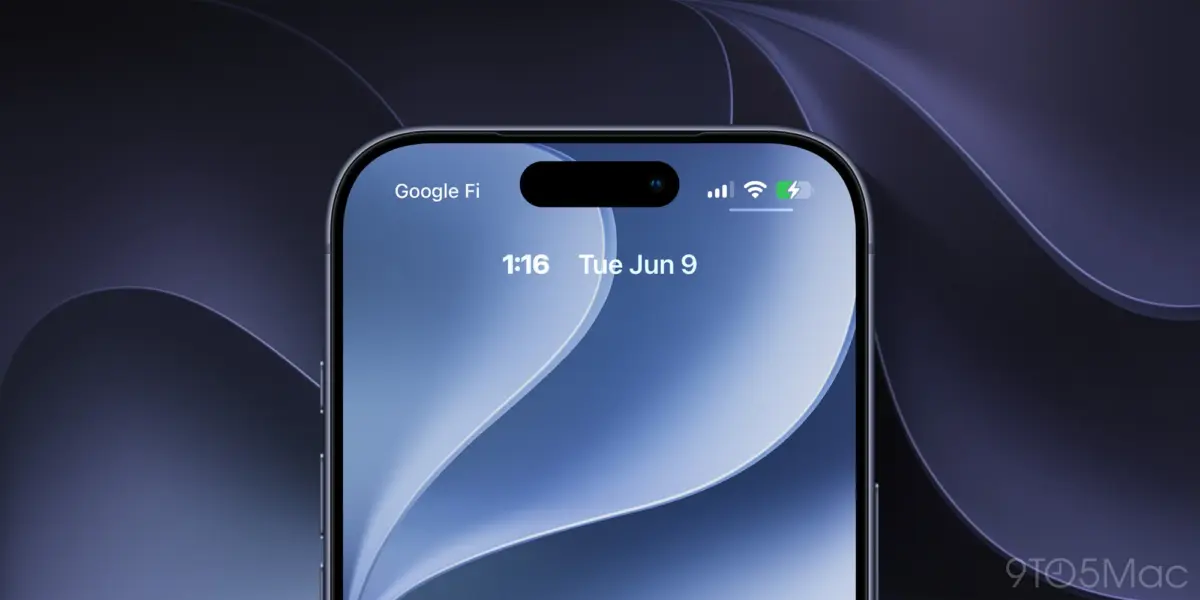
Executive Overview
When Apple officially deployed iOS 27 to the global user base, the overwhelming majority of tech media headlines, keynote presentations, and consumer discussions focused squarely on one dominant theme: the evolution of Siri and the expanded capabilities of Apple Intelligence. Artificial intelligence has fundamentally reshaped how users interact with their mobile hardware, serving as the vanguard of Apple’s software marketing strategy for the year.
However, beneath the high-profile veneer of generative AI, predictive text models, and conversational assistants lies a robust, thoughtfully engineered layer of practical, everyday enhancements. iOS 27 introduces a sweeping array of non-AI features, interface refinements, usability upgrades, and hardware integrations that fundamentally improve the day-to-day user experience.
This deep-dive analysis looks past the artificial intelligence marketing blitz to evaluate the unsung heroes of the iOS 27 release. By examining core systemic updates—such as expanded widget functionality, streamlined payment authorization workflows, and long-overdue landscape orientation adjustments—we uncover how Apple continues to refine the foundational pillars of its mobile operating system. Far from mere placeholders between major AI milestones, these quality-of-life updates represent the bedrock of modern smartphone utility, proving that evolutionary design changes can be just as impactful as revolutionary software paradigms.
Detailed Chronology: From WWDC Announcement to Public Deployment
To fully appreciate the scope of iOS 27, it is essential to trace its development lifecycle from initial conceptualization to its eventual arrival on millions of devices worldwide.
The Summer Reveal at WWDC
The journey of iOS 27 began in June at Apple’s Worldwide Developers Conference (WWDC). As is tradition, the keynote address captivated the developer community and tech enthusiasts alike with sweeping previews of the upcoming operating system. Predictably, the initial thirty minutes of the presentation were dominated by machine learning advancements, localized large language models, and deep system-level integrations of Siri AI.
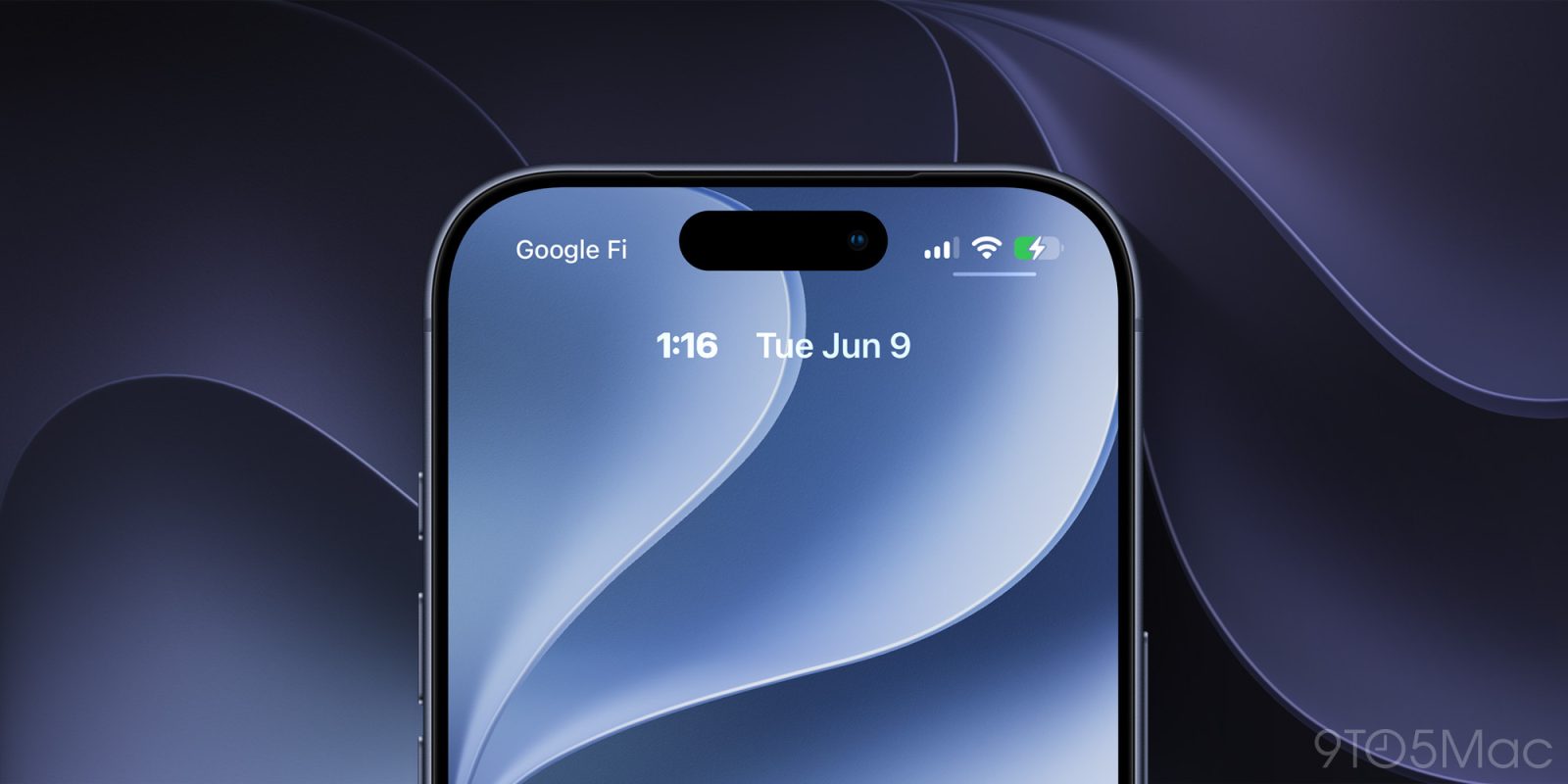
Yet, nestled within the developer session deep-dives and auxiliary press briefings were glimpses of a more practical operating system. Engineers and beta testers quickly noticed subtle yet significant design overhauls. Expanded widget sizes, refined lock screen typography, and enhanced media controls began making waves in developer circles. While the mainstream press gravitated toward the artificial intelligence narratives, power users recognized that the underlying framework of iOS was receiving a comprehensive structural tune-up.
The Developer and Public Beta Phases
Throughout the humid summer months, Apple iterated rapidly through its developer and public beta cycles. Each successive build of iOS 27 brought nuanced adjustments to the non-AI feature set.
- July: Beta iterations focused heavily on stabilizing the newly redesigned interface widgets, ironing out rendering glitches in landscape mode for media applications, and optimizing battery efficiency for background processes.
- August: Late-stage betas prioritized security protocols, specifically refining how third-party payment systems and Apple Pay integrated with newly minted authentication standards. Feedback from the beta testing community played a vital role in fine-tuning touch targets and responsiveness across various screen sizes.
The September Global Launch
When Apple officially pushed the final release candidate to supported iPhones in September, the update instantly triggered massive server traffic across the globe. Millions of users downloaded the package, immediately testing out the headline-grabbing Siri AI capabilities.
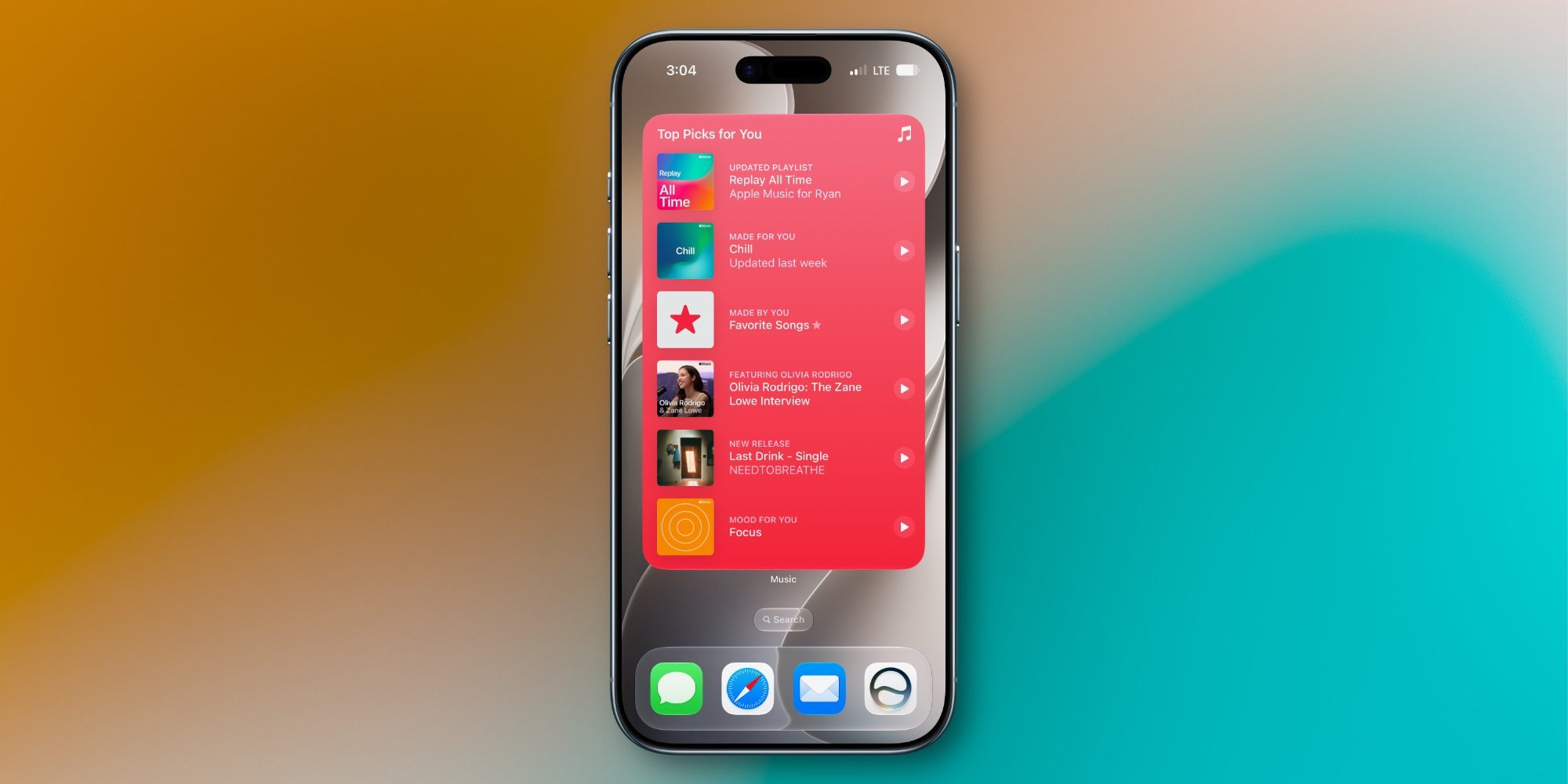
Yet, as the initial excitement surrounding generative features settled, a secondary wave of consumer appreciation emerged. Across social media platforms, tech forums, and editorial columns, users began highlighting the subtle quality-of-life upgrades. The ability to utilize more expansive widget formats, enjoy native landscape support for music interfaces, and navigate simplified payment prompts proved that Apple had successfully delivered a balanced operating system update—one that caters equally to futurists chasing artificial intelligence and traditionalists seeking raw usability.
Supporting Context & Metrics: The Ergonomics of Modern Mobile Design
Understanding why these non-AI features resonate so deeply requires a closer look at changing consumer habits and hardware ergonomics. Modern smartphones have evolved into universal remote controls for our lives, handling everything from financial transactions to ambient media consumption. Consequently, minor friction points in user interfaces accumulate rapidly throughout the day.
Screen Real Estate and Widget Utility
With the continuous growth of display sizes across the iPhone lineup—particularly on Max-tier devices—maximizing screen real estate has become a primary design challenge for Apple’s Human Interface Guidelines team. In iOS 27, the introduction of ultra-large widget formats (such as the newly scaled music and utility modules) directly addresses how users interact with information at a glance.
Industry metrics regarding smartphone usage indicate that the average user checks their lock screen and home screen upwards of 80 times per day, with the vast majority of interactions lasting less than ten seconds. By expanding widget density and structural layout options, iOS 27 reduces the cognitive load required to parse information. Users no longer need to dive deep into native applications to skip tracks, check transit schedules, or monitor system metrics; the enhanced visual modules deliver actionable data instantly.

Ergonomic Shifts: Landscape Support and One-Handed Use
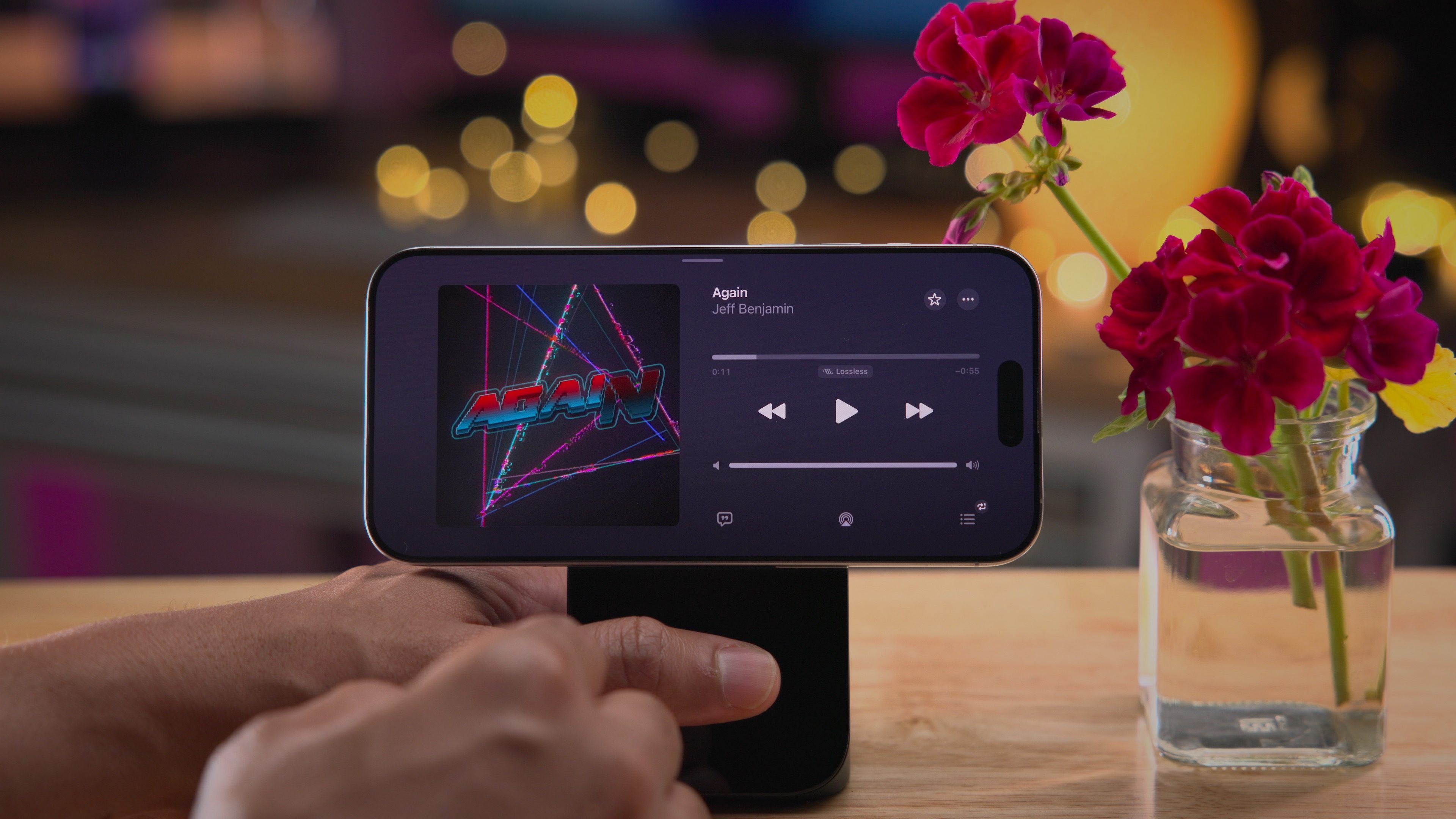
Another critical metric driving the success of these non-AI updates is the physical orientation of device usage. While smartphones are traditionally held vertically, a significant percentage of media consumption and vehicular navigation occurs in landscape mode. Historically, iOS has occasionally struggled with fluid portrait-to-landscape transitions within core native applications like Apple Music.
The architectural adjustments in iOS 27 bring comprehensive landscape support to media-heavy interfaces, acknowledging the ubiquity of car mounts, desk stands, and horizontal video viewing habits. By eliminating the jarring forced-portrait rotations that plagued previous iterations, Apple has measurably improved the physical ergonomics of operating an iPhone in docked environments.
Official Statements and Design Philosophy
Apple’s software engineering leadership has consistently emphasized that the company’s design philosophy relies on a delicate balance between forward-looking innovation and relentless refinement of the basics.
During post-WWDC roundtable discussions, Apple’s Senior Vice President of Software Engineering touched upon the dual nature of major iOS releases. While acknowledging that machine learning and generative tools capture the public imagination, the engineering team reiterated that an operating system must ultimately serve as an invisible, frictionless bridge between the user and their intentions.
"Our goal with every generation of iOS is not merely to introduce new technology, but to make the technology we already use feel more intuitive, responsive, and deeply integrated into human habit," noted an internal Apple design brief accompanying the iOS 27 rollout. "Artificial intelligence opens new doors for what a device can think and do, but true craftsmanship lies in how effortlessly a user performs the routine tasks of daily life."
This philosophy explains why features like Apple Pay enhancements and granular interface customizations receive just as much engineering rigor as headline features. Apple views the user experience as an interconnected ecosystem where a sluggish payment prompt or an awkward media player layout can detract from the overall perceived value of the hardware, regardless of how advanced the underlying neural engine might be.
Future Outlook: What These Updates Signal for iOS 28 and Beyond
As the tech industry looks ahead to the eventual horizon of iOS 28, the success of the non-AI features in iOS 27 establishes a crucial precedent for mobile software development.
The Hybrid Future of Mobile Operating Systems
The dichotomy between AI-driven capabilities and foundational UI refinements highlights a maturing software market. Consumers are no longer impressed by artificial intelligence features simply for the novelty of their existence; those features must prove their practical worth. Conversely, basic quality-of-life updates can no longer be treated as afterthoughts.

Future iterations of iOS will likely continue this dual-track development model. We can anticipate further harmonization between ambient intelligence and direct, manual user controls. As predictive models become more sophisticated, the operating system will likely use that background data not just to write text or generate images, but to dynamically reorganize interface elements—such as automatically scaling widgets based on context, time of day, or physical location.
Anticipating Hardware and Software Convergence
Furthermore, as rumors swirl regarding future hardware form factors—including foldable devices, advanced augmented reality peripherals, and borderless displays—the architectural foundations laid in iOS 27 will prove invaluable. Features designed to scale fluidly across various orientations and screen dimensions are the essential building blocks for a modular operating system future.
In conclusion, while Siri AI and Apple Intelligence will deservedly maintain their status as the marquee achievements of the iOS 27 cycle, the quiet revolution happening beneath the surface deserves equal recognition. By meticulously refining widgets, streamlining payment authorization, and perfecting landscape support, Apple has delivered an update that honors both the cutting edge of technology and the timeless principles of great design.