Executive Overview
For years, the standard paradigm for human-AI interaction has remained fundamentally unchanged since the breakout debut of consumer-facing large language models. Users type a prompt, evaluate the output, refine the query, and repeat. The human operator remains the central engine of the workflow—driving every micro-decision, managing context manually across disconnected sessions, and acting as the persistent bottleneck in operational efficiency.
Enter Claude Cowork, Anthropic’s human-friendly agentic AI platform. Evolving directly out of Claude Code—an internal developer utility originally engineered for Anthropic’s own engineering teams—Cowork bridges the chasm between raw terminal-based agent capabilities and accessible desktop productivity. By wrapping a sophisticated agentic execution engine in an intuitive, visual interface complete with real-time process tracking and connected file systems, Cowork removes the command line barrier for non-technical professionals.
Co-created and discussed extensively by industry experts Isar Meitis and Michael Stelzner, Claude Cowork shifts the role of the human from a micro-manager typing sequential instructions to a strategic director overseeing autonomous execution. This article explores the architectural breakthroughs of agentic platforms, outlines a rigorous blueprint for identifying and automating enterprise workflows, details advanced requirement-gathering methodologies, and maps out the integration hierarchy required to connect modern AI agents to a complete tech stack.
Detailed Chronology: The Evolution from Code to Cowork
To understand the operational significance of Claude Cowork, it is vital to trace its lineage. The journey began internally at Anthropic, where engineers developed Claude Code to accelerate software development pipelines. While the tool was initially constrained to text-based coding environments, early adopters quickly realized its underlying agentic engine possessed capabilities that far outstripped standard code generation.
However, a massive adoption barrier remained: the terminal interface. Requiring command-line proficiency isolated the technology from the vast majority of business professionals, marketers, and operational leaders. Anthropic’s strategic pivot was to wrap this powerful core into a native desktop platform—Claude Cowork.
The Three Pillars of Agentic Platforms
According to Isar Meitis, standard conversational chat interfaces and true agentic platforms are separated by three distinct functional capabilities:
- Autonomous Planning and Execution: In traditional chat workflows, users must handhold the AI through every iterative step. In contrast, Cowork ingests high-level goals, operational constraints, and raw data sources to independently construct a comprehensive execution plan. It displays this plan visually in real-time, crossing off completed steps without demanding constant human intervention.
- Persistent Memory: Traditional chat threads suffer from amnesia, wiping context clean with every new session. Cowork circumvents this limitation by writing and reading structured markdown files across sessions. This allows the agent to permanently retain brand guidelines, preferred proposal formats, historical client interactions, and complex process documentation without forcing users to re-upload reference materials repeatedly.
- Advanced Tool Orchestration: Cowork does not merely host isolated third-party tools; it possesses situational awareness regarding when and how to deploy them. An agentic platform recognizes when to extract a call transcript from a meeting assistant like Fathom, when to update a customer relationship management (CRM) database, and when to draft an outbound executive email.
Real-World Operational Transformations
To visualize these capabilities in practice, consider two distinct operational use cases highlighted by Meitis:
- Autonomous Content Syndication: Instead of manually writing posts, Meitis utilizes Claude to continuously research high-performing content across industry niches. The agent cross-references external trends with his proprietary catalog of podcast episodes, YouTube videos, and community coaching calls. By isolating authentic statements that match current market trajectories, the system generates polished social posts, creates companion imagery, and extracts short-form video clips—queuing everything for human review before final publication.
- End-to-End Sales Proposal Generation: When a prospective client finishes a discovery call, the traditional workflow involves manually listening to recordings, synthesizing notes, researching the client’s market landscape, and drafting a custom proposal—a process easily consuming two hours. With Cowork, the AI verifies the client’s request directly from the call transcript, executes automated web research on the prospect’s company and industry, drafts a comprehensive proposal, updates the CRM, saves the final artifact to Google Drive, and drafts an outbound email with the PDF attached. Total human time investment drops from hours to minutes.
Supporting Context & Metrics: The State of AI Adoption
As organizations rush to integrate autonomous agents into their daily operations, recent industry data highlights both the immense opportunity and the structural isolation professionals face when adopting AI.
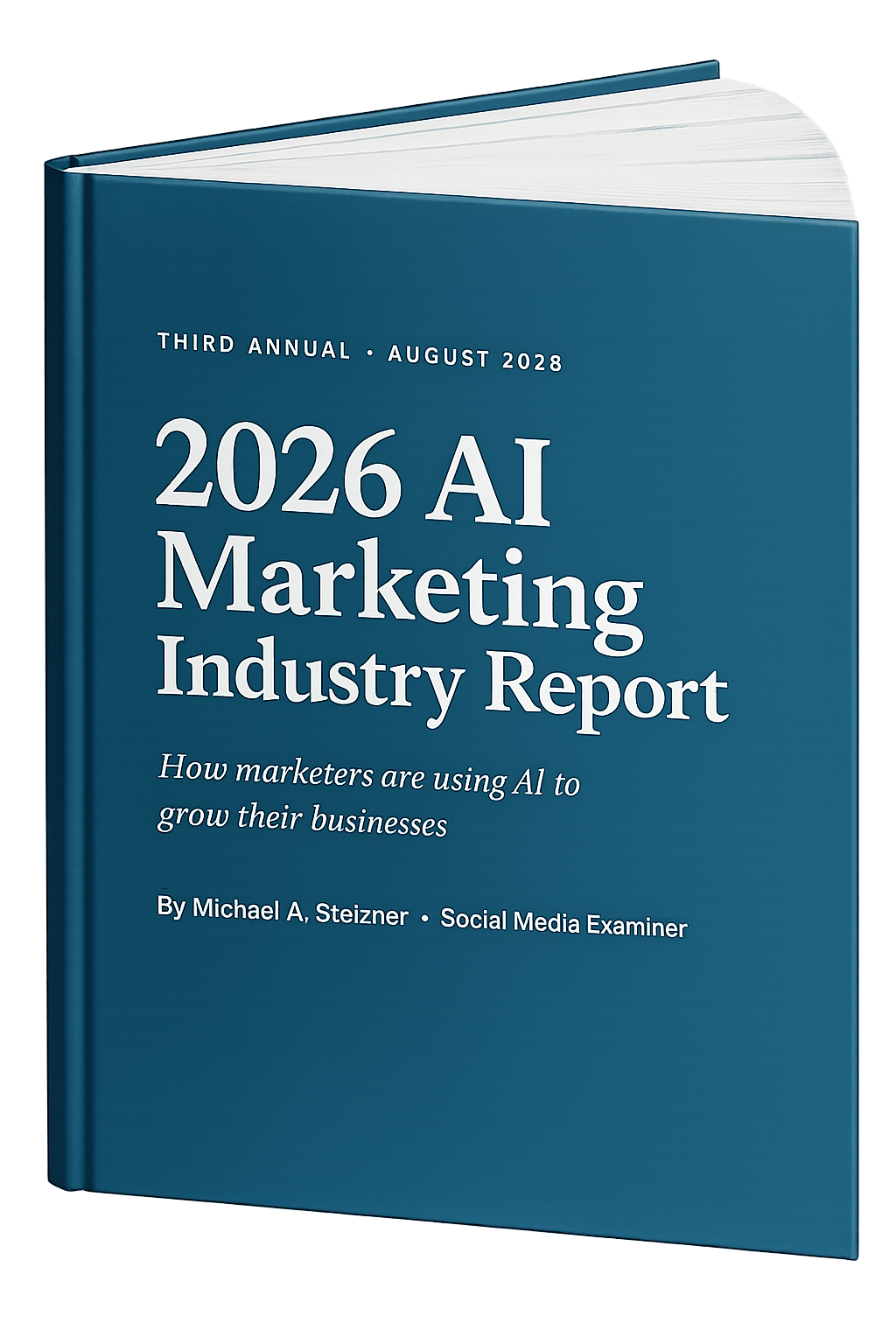
According to data compiled in the 3rd Annual AI Marketing Industry Report—which surveyed 681 marketing and business leaders—the landscape of corporate AI education remains heavily decentralized and self-directed:
- 85% of professionals learn how to utilize AI tools entirely through independent experimentation rather than structured corporate onboarding.
- Only 7% of organizations provide formal, comprehensive internal training programs for AI adoption.
- More than 50% of practitioners out-of-pocket fund their own AI software subscriptions and tools to maintain a competitive edge.
These metrics emphasize why platforms like Claude Cowork are experiencing explosive demand. Without institutional technical support, business operators require human-friendly, highly adaptable systems that can build, test, and deploy automations through natural language rather than complex, code-heavy integration frameworks.
Official Guidelines: Building Automations With Cowork
Deploying agentic AI successfully requires moving away from ad-hoc prompting and toward structured software development principles tailored for non-technical operators.
Phase 1: Identifying High-Value Automation Targets
Isar Meitis advises starting with tasks that share two distinct characteristics: high frequency and low enjoyment. Repetitive administrative burdens, manual data entry, and routine reporting structures represent prime candidates for agentic automation.
Once a target task is selected, users must brief the AI using comprehensive, plain-language parameters similar to a formal consultant brief. A successful brief must explicitly define:
- The assigned professional role (e.g., "Senior Financial Analyst" or "Content Strategist").
- The immediate company and brand context.
- The exact frequency and cadence of the workflow.
- The authoritative source locations of incoming data.
- The precise formatting and destination requirements of final outputs.
Phase 2: Engineering Product Requirements Documents (PRDs)
Because AI models excel at deterministic execution when provided with flawless instructions, the tactical lever for success lies in rigorous requirement writing. Vague prompts lead to wasted processing tokens and unoptimized workflows.
Rather than writing extensive requirement documents manually, operators can leverage Claude to conduct a structured intake interview:
- Provide Claude with the high-level automation concept.
- Allow Claude to ask approximately 40 targeted interrogatory questions over a 30- to 60-minute session.
- Instruct Claude to synthesize the answers into a comprehensive 25- to 40-page Product Requirements Document (PRD).
To avoid reading dense technical documentation, operators can simply request an executive summary of the PRD to validate the core logic before moving directly to implementation.
Phase 3: MVP Development and Iterative Scaling
Armed with a verified PRD, operators should avoid attempting to build an entire sprawling automation ecosystem at once. Instead, apply minimum viable product (MVP) principles:
- Ask Claude to isolate the single most critical component that delivers an immediate "quick win" without unnecessary architectural complexity. (For instance, in the sales proposal workflow, the core MVP is simply converting a raw transcript into a structured proposal document; CRM syncing and automated emailing are added later).
- Instruct Cowork to implement the MVP based on the PRD specifications.
- Maintain a continuous development loop by asking Claude: "Where are we in the development lifecycle, what do you suggest is our next logical step, and why?" Review dependencies, apply human judgment, and iterate.
Future Outlook: The Integration Hierarchy
A foundational component of setting up Claude Cowork is establishing secure local and external data access. Proper configuration ensures the AI operates within strict containment boundaries while retaining access to enterprise-wide infrastructure.
The Local File System Boundary
Cowork utilizes a dedicated folder interface accessed via a file icon with a plus sign. Meitis recommends establishing a master directory named ClaudeCowork featuring isolated subfolders for individual projects. By connecting the session at the root directory level, the AI gains the ability to navigate contextual files dynamically while remaining safely contained within designated local boundaries.
The Four-Tier Integration Hierarchy
To connect Claude Cowork to external software, tools, and databases, practitioners should follow a strict implementation hierarchy based on security, reliability, and speed:
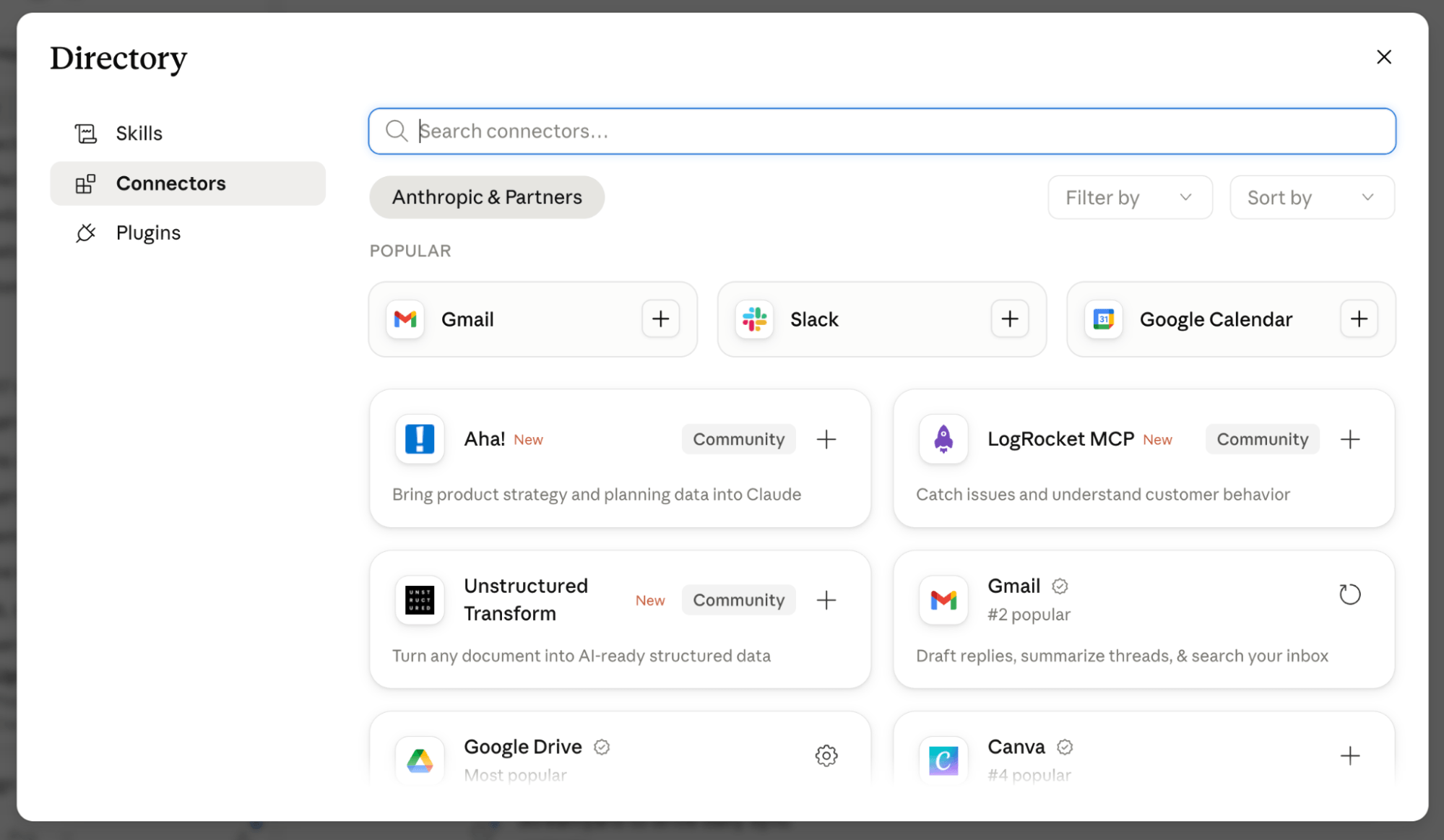
- Native Connectors: Anthropic’s pre-approved, officially maintained integrations with enterprise powerhouses such as Google Drive, Microsoft SharePoint, Notion, ClickUp, Asana, and monday.com. These should always serve as the primary integration option.
- Vendor-Published MCPs (Model Context Protocol): Developed by Anthropic to act as a universal USB standard for AI. If a software vendor publishes an official Model Context Protocol integration, it provides secure, standardized, and well-documented connectivity.
- Custom-Built MCPs: When no official integration exists, users can provide Claude with raw API documentation and functional specifications. Claude will write a custom MCP alongside a structured markdown usage guide. API credentials can be stored securely within local operating system keychains (such as macOS Keychain), ensuring the AI never views raw secret keys directly.
- Chrome Browser Automation Extensions: As a final fallback for legacy or closed tools lacking APIs, Claude can operate an integrated Chrome browser instance directly—clicking menus, navigating pages, and completing forms like a human user. When encountering authentication or login screens, the AI safely pauses, prompts the human operator for credentials, and then resumes execution.
Conclusion
As agentic platforms like Claude Cowork continue to mature, the traditional boundaries separating human workers from automated software systems are dissolving. By moving beyond single-turn conversational prompts and embracing structured PRDs, local file containment, and standardized MCP architectures, business leaders and marketers can transform AI from a passive brainstorming assistant into an active, autonomous workforce capable of scaling operations with unprecedented precision and speed.