Executive Overview
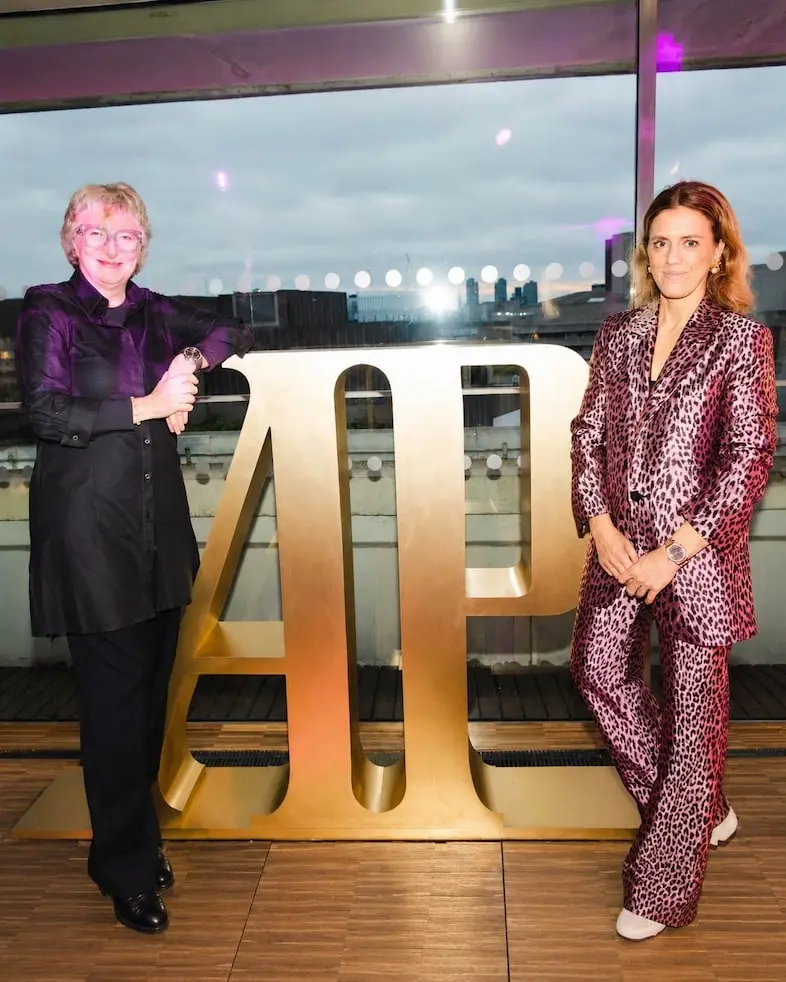
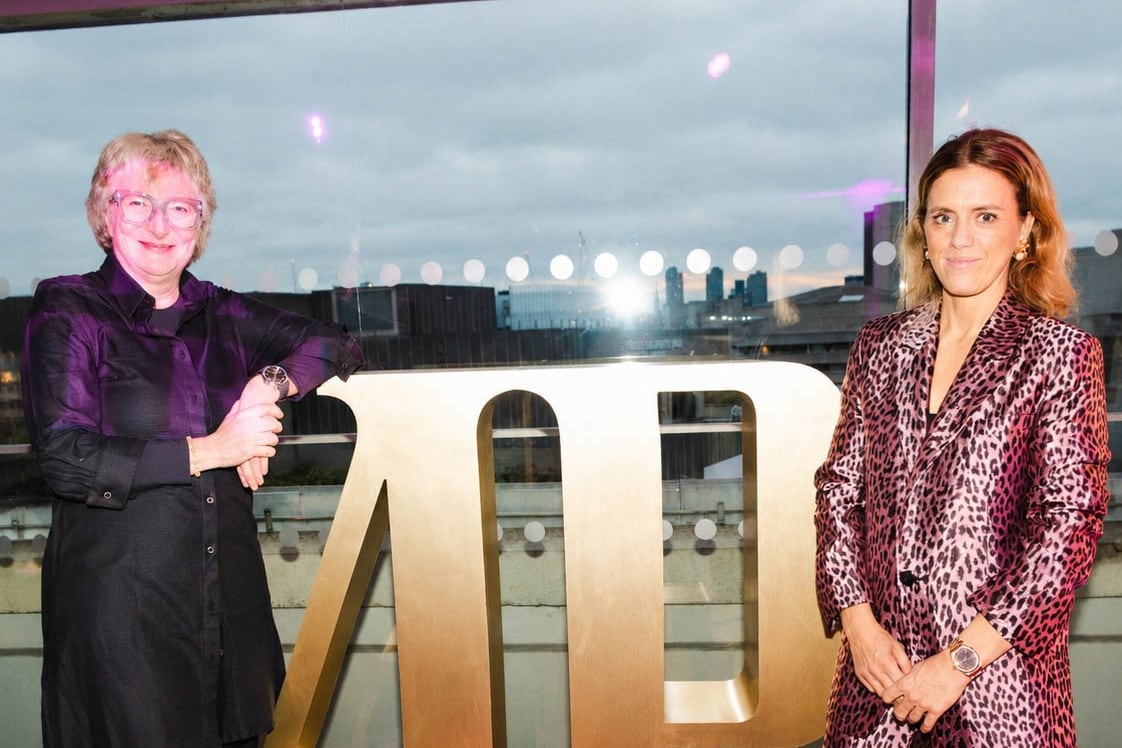
Against the vibrant, high-stakes backdrop of London’s Frieze art fair week—a period when the global capital transforms into an epicenter for international collectors, gallerists, and cultural tastemakers—a singular intersection of contemporary art, architectural intervention, and luxury patronage took place. Last week, Swiss-based artist Renée Levi unveiled her ambitious, large-scale public commission at the Southbank Centre’s Hayward Gallery. To celebrate this landmark moment, Dazed Club joined forces with Audemars Piguet Contemporary to host an intimate yet culturally resonant evening at the St Paul’s Roof Pavilion.
The event was more than a celebratory gathering; it was a physical manifestation of a growing ethos in contemporary art: taking creative expression out of the insular confines of the traditional "white cube" gallery space and embedding it directly into the public realm. By merging Levi’s brutalist-scale intervention, September, with an insightful panel discussion and a vibrant community mixer, the partnership between Dazed Club and Audemars Piguet Contemporary offered a blueprint for how luxury brands and cultural publications can meaningfully foster public engagement with monumental art. This feature explores the mechanics of the event, the philosophy of Levi’s architectural canvas, and the broader implications of democratizing contemporary art for modern audiences.
Detailed Chronology of the Evening
Dusk at the Southbank: Setting the Scene
As twilight descended over the River Thames, guests comprising art critics, cultural practitioners, and members of the Dazed Club community ascended to the Southbank Centre’s St Paul’s Roof Pavilion. The panoramic view from the pavilion offered a quintessential London dreamscape: the historic skyline bathed in the bruised hues of dusk, juxtaposed against the glittering lights of the South Bank.
Adding an unexpected layer of theatricality to the evening, the red carpet rollout for a concurrent London Film Festival gala unfolded directly below the balcony. This dynamic interplay between high fashion, cinema, and visual art underscored the unique vitality of the Southbank district during London’s autumn cultural season. Attendees mingled over curated drinks and canapés, discussing the visual feast of Levi’s installation visible across the Hayward Gallery’s brutalist façade.
The Critical Discourse: Bridging Practice and Public Space
The intellectual anchor of the evening was a rigorously curated panel discussion hosted by cultural strategist and writer Lewis Dalton Gilbert. He was joined on stage by the artist herself, Renée Levi, and Audrey Teichmann, curator at Audemars Piguet Contemporary.
The conversation peeled back the layers of Levi’s multifaceted practice, offering a rare window into the logistics and conceptual hurdles of executing a public commission of this scale. Teichmann, who has collaborated with and followed Levi’s trajectory for years, articulated the brand’s curatorial philosophy: supporting artists who challenge conventional spatial boundaries. Levi spoke candidly about her relationship with architecture, explaining how she views concrete not merely as a passive backdrop, but as an active collaborator in the creative dialogue.
The discussion naturally gravitated toward the democratization of art. The panelists interrogated what it means to pull masterpieces out of private collections and ticketed museums, placing them instead where they can be encountered spontaneously by commuters, tourists, and passersby. By dismantling the physical and psychological barriers of art consumption, the conversation championed public space as the ultimate frontier for contemporary expression.
The Community Catalyst
True to the ethos of the Dazed Club, the formal panels dissolved seamlessly into a vibrant networking evening. Over artisanal refreshments, emerging creatives mingled with established industry veterans. The atmosphere crackled with the kind of cross-disciplinary dialogue that defines modern London culture—where fashion, architecture, contemporary art, and digital media intersect. For the Dazed Club members in attendance, the evening offered a rare opportunity to engage directly with the minds shaping the future of global visual culture.
Supporting Context & Metrics: The Anatomy of September
To fully appreciate the significance of the evening, one must examine the art object that sparked it. Renée Levi’s new two-part public commission, titled September, is a masterclass in site-specific institutional intervention.
+-------------------------------------------------------------------------+
                    THE ANATOMY OF "SEPTEMBER"
+-------------------------------------------------------------------------+
|                                                                         |
|  [ Hayward Gallery Brutalist Architecture ]                             |
|          │                                                              |
|          ▼                                                              |
|  [ Industrial Mesh Foundation ]                                         |
|          │                                                              |
|          ▼                                                              |
|  [ Fluorescent Acrylic Pigments ]  ──>  (Vibrant Neon Contrast)         |
|          │                                                              |
|          ▼                                                              |
|  [ Silver Spray-Painted Details ]  ──>  (Dynamic Light Interaction)     |
|                                                                         |
+-------------------------------------------------------------------------+
Engaging the Brutalist Canvas
The Hayward Gallery, an icon of 1960s brutalist architecture in London, is notoriously difficult to exhibit on. Its monolithic, raw concrete surfaces, fortress-like proportions, and bold geometric lines have historically divided public opinion. Rather than fighting this architectural weight, Levi weaponized it.
Installed dynamically across the gallery’s west façade, September interacts directly with the building’s signature long horizontal window line. Levi utilized industrial mesh as a substrate, painting it with high-intensity fluorescent acrylics. The result is a stunning visual tension: the organic, fluid gestures of painting crashing against the rigid, unforgiving grid of brutalism.
The Metamorphic Nature of Light
One of the most compelling technical aspects of September is its kinetic relationship with natural light. Integrated into the composition are meticulous silver spray-painted details. As the sun shifts across the London sky and the weather patterns transition from afternoon glare to evening dusk, these silver pigments catch, refract, and scatter light differently.
Consequently, the installation is never static. It transforms from moment to moment, offering a completely unique visual experience depending on the viewer’s physical vantage point. Whether viewed from Waterloo Bridge, the ground-level concourse, or the elevated heights of the St Paul’s Roof Pavilion, the work refuses to be pinned down by a single perspective.
Official Statements & Institutional Perspectives
The collaboration between Audemars Piguet Contemporary and Dazed Club is indicative of a broader evolution in how corporate patronage intersects with cultural production.

Audemars Piguet Contemporary has long carved out a distinct niche in the art world by commissioning works that require extensive research, technical experimentation, and deep artistic freedom. Unlike traditional corporate sponsorships focused purely on logo placement, the Swiss watchmaker’s contemporary art division operates akin to a supportive laboratory, providing artists with the resources necessary to realize ambitious, large-scale visions that might otherwise be financially or logistically unfeasible.
Audrey Teichmann’s curatorial insights during the panel underscored this mission:
"Working with Renée Levi is an exercise in listening to space. When we approach public commissions, our goal is not to impose a brand narrative onto the urban fabric, but rather to empower visionary artists to unlock new dimensions within architecture that everyday audiences might otherwise walk past without noticing."
Similarly, the collaboration with Dazed Club speaks to a shared institutional commitment to cultural accessibility. For decades, Dazed has been at the vanguard of youth culture, subculture, and avant-garde fashion and art. By bridging the gap between high-end contemporary art patrons and a younger, digital-native creative community, the partnership successfully demystified the often-opaque world of blue-chip art commissioning.
Lewis Dalton Gilbert emphasized this point during the evening’s dialogue, noting that public art acts as an equalizer in metropolitan centers:
"When you place a work like September on the exterior of a brutalist landmark like the Hayward Gallery, you are essentially returning art to the public commons. It creates accidental encounters with beauty and provocation, bypassing the elitism of the ticketed gallery gatekeepers."
Future Outlook: The Evolution of Public Art and Brand Patronage
As urban centers globally grapple with the commercialization of public space, projects like Renée Levi’s September—supported by enlightened corporate patronage and amplified by culturally fluent platforms like Dazed Club—point toward a promising future for public art.

The success of the Frieze-week convergence highlights several key trends that will shape the art world in the coming years:
- The Dematerialization of Institutional Boundaries: Museums and galleries are increasingly realizing that their architectural envelopes are permeable. Expect to see more institutions throwing their façades, courtyards, and surrounding urban plazas open to radical artistic interventions.
- Experiential Luxury Partnerships: High-end brands are moving past superficial sponsorships toward deep-seated cultural production. By underwriting complex, non-commercial public art projects, brands establish authentic credentials within the creative ecosystem.
- The Rise of Responsive Architecture: Artists are increasingly treating urban infrastructure not as a neutral display wall, but as an active participant in the artwork. Material science—such as light-reactive paints, smart textiles, and industrial-grade mesh—will continue to enable artworks that shift in real-time with their environment.
Conclusion
The evening shared by Dazed Club and Audemars Piguet Contemporary at the Southbank Centre was more than a glamorous pitstop on the Frieze week calendar. It was a celebration of artistic audacity, a masterclass in architectural intervention, and a testament to the power of public art to transform our relationship with the cities we inhabit.
As Renée Levi’s September continues to catch the shifting London light on the brutalist walls of the Hayward Gallery, it stands as a brilliant reminder of what happens when art escapes the white cube and enters the wild, unpredictable heart of the public sphere.
To experience Renée Levi’s visionary project firsthand, explore September, and visit the gallery coverage above for a visual archive of the evening.