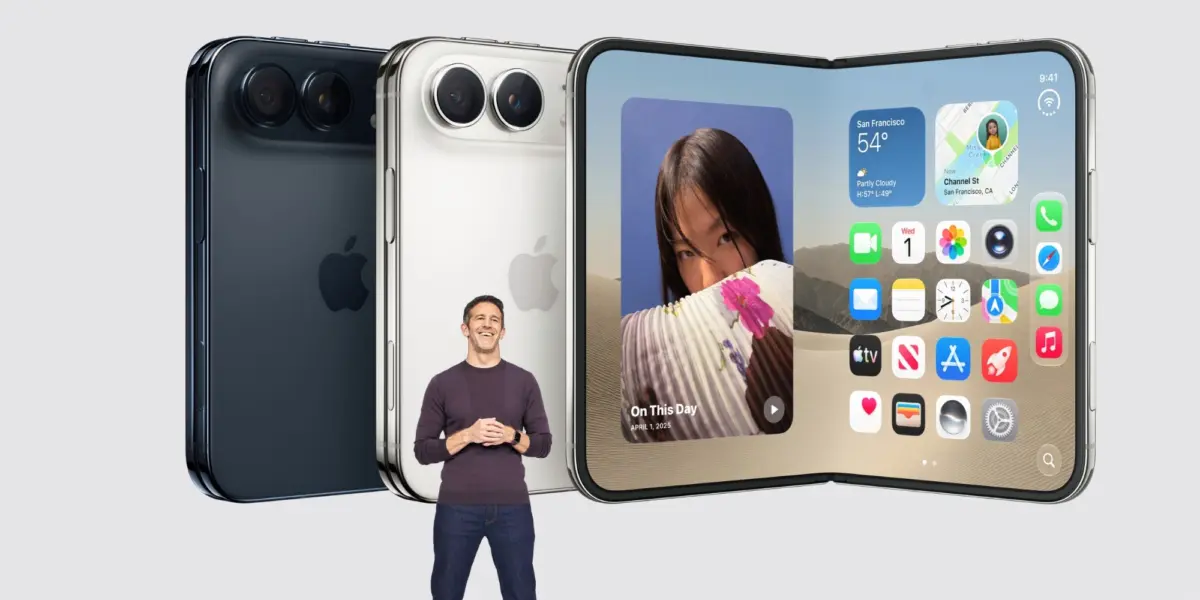
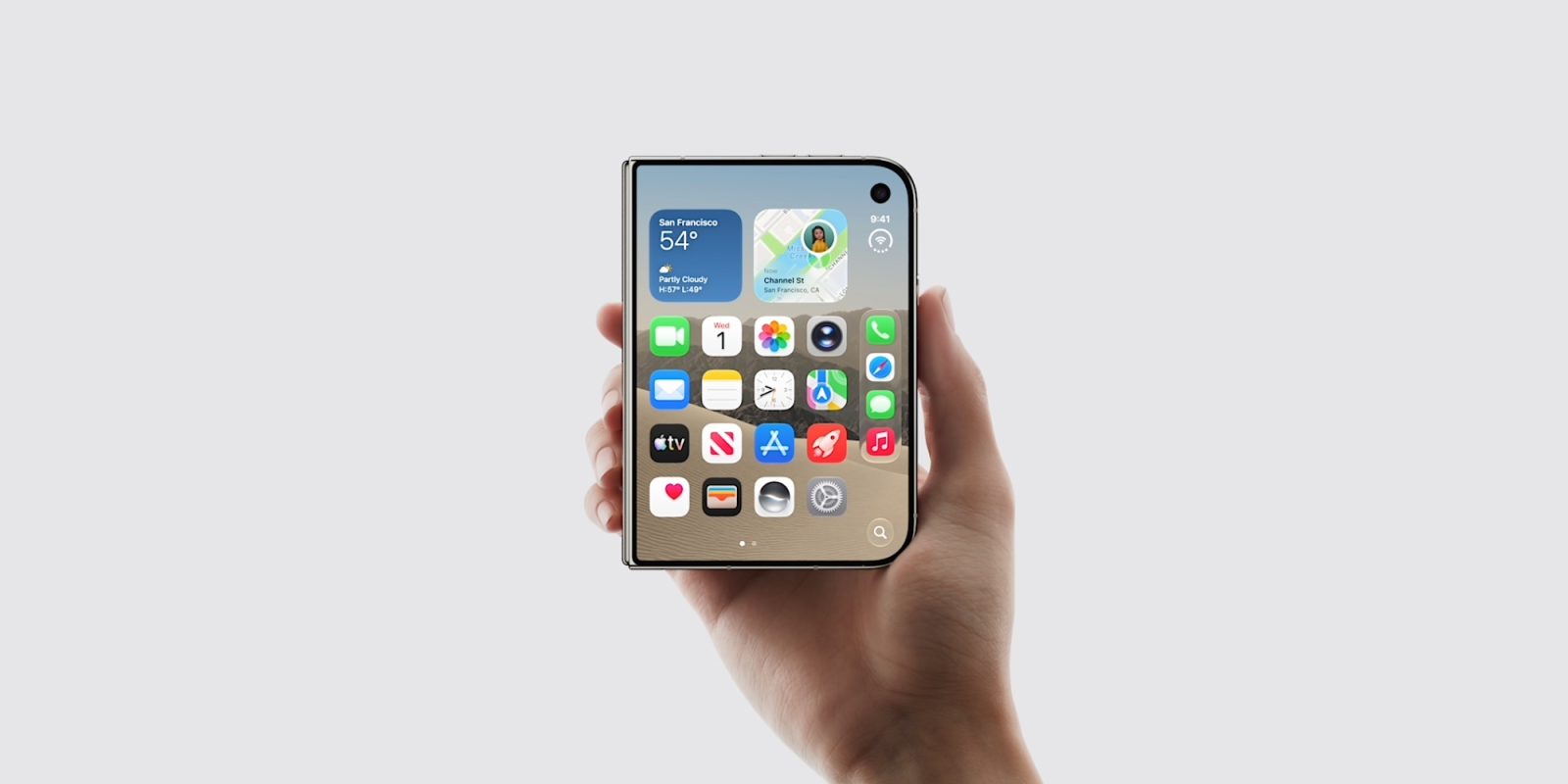
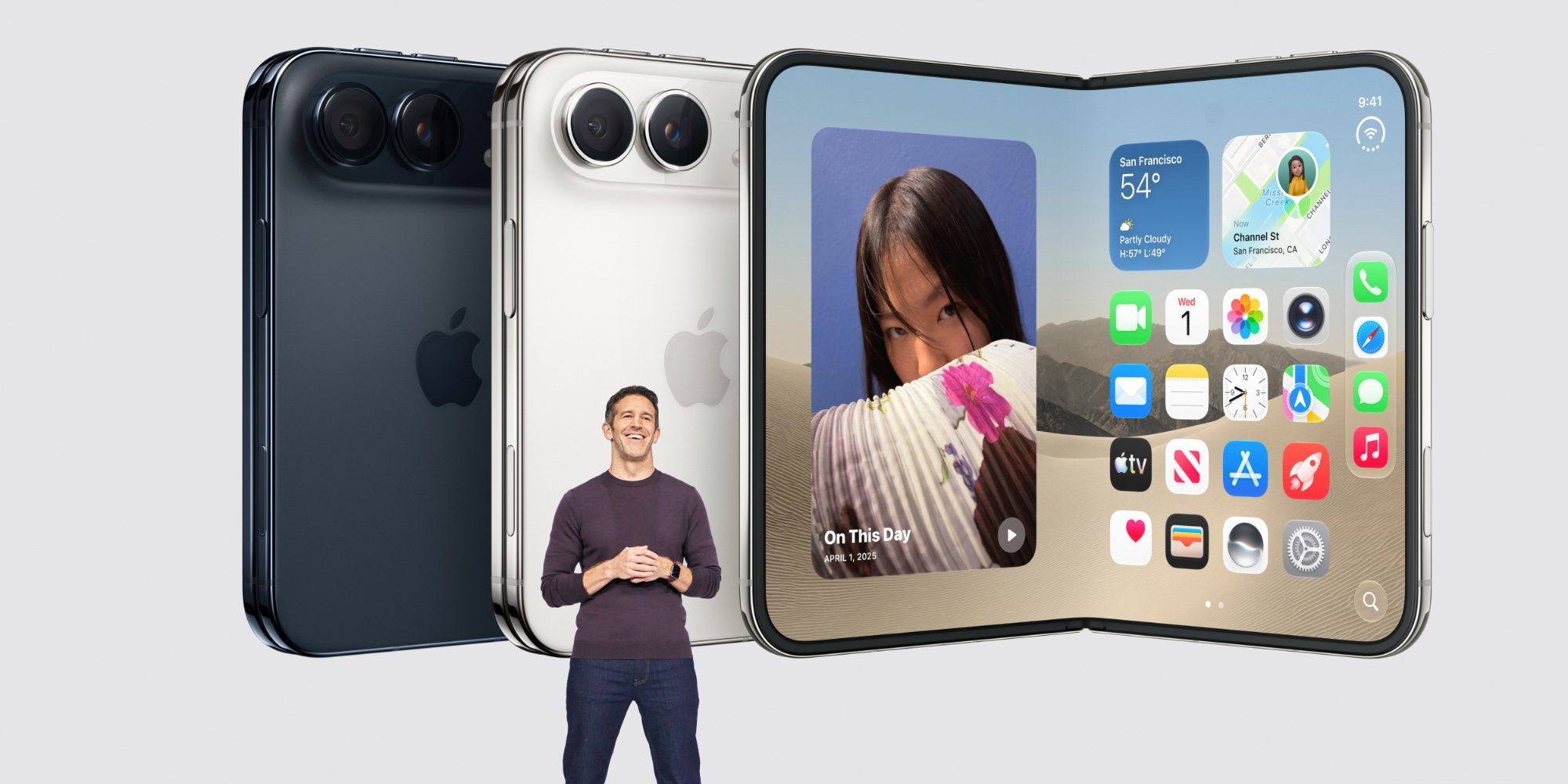
As Apple prepares to open pre-orders for its most anticipated—and most expensive—smartphone to date, consumer anxiety regarding hardware affordability has reached a fever pitch. The iPhone Duo, Apple’s long-awaited entry into the foldable device market, carries a staggering base retail price of $1,999 for the 256GB configuration. For many enthusiasts, this unprecedented sticker shock initially positioned the device as an out-of-reach luxury, reserved exclusively for enterprise users, early-adopting tech moguls, or die-hard brand loyalists willing to stretch their personal finances.
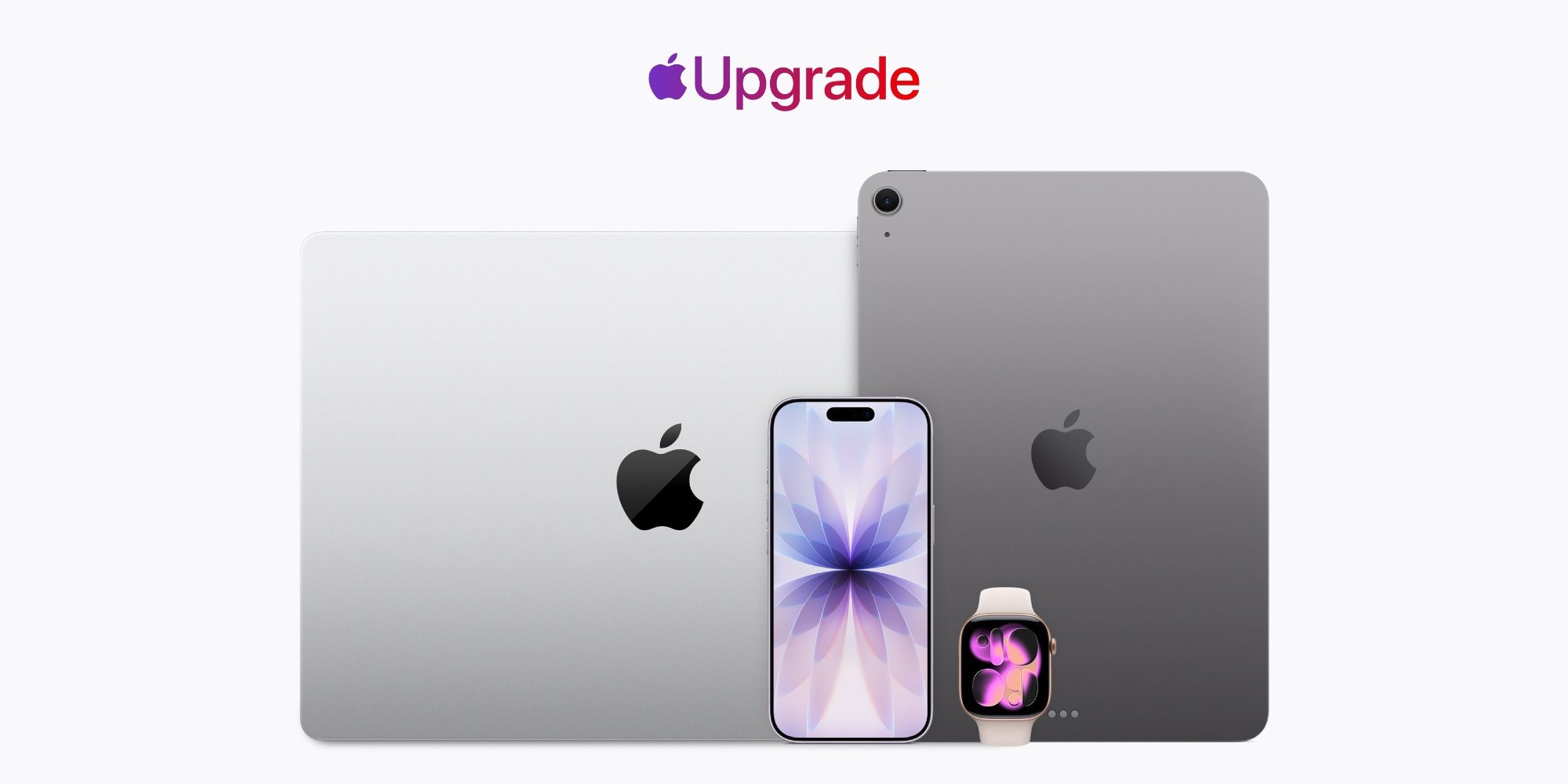
However, a closer examination of Apple’s newly minted financing apparatus reveals a radically different narrative. The recently introduced Apple Upgrade program fundamentally shifts the economics of device ownership. By restructuring the acquisition model around a flexible 24-month leasing framework rather than traditional installment plans or outright purchases, Apple has managed to slash the entry barrier to the iPhone Duo significantly.
When combined with aggressive trade-in incentives, the monthly cost of securing one of the world’s most advanced pieces of mobile engineering can drop as low as $9 per month. This deep-dive financial analysis explores how the Apple Upgrade program works, examines the underlying math of leasing versus owning, evaluates the long-term implications of trade-in credits, and assesses whether Apple’s foldable flagship is genuinely more accessible than its $1,999 price tag suggests.
Detailed Chronology: The Evolution of Apple’s Pricing and Financing Strategy
To understand how Apple arrived at the current financial structure for the iPhone Duo, it is essential to trace the chronological rollout of the company’s hardware pricing strategies and modern leasing initiatives over the past several years.
The Rise of the Ultra-Premium Tier (2020–2025)
Over the last half-decade, Apple systematically pushed the upper ceiling of smartphone pricing. The introduction of the "Pro Max" tier established a $1,099 baseline, which steadily crept upward with storage tier expansions and specialized optical hardware. By 2025, top-tier configurations regularly brushed past the $1,500 mark. Industry analysts noted that while consumer resistance to high prices existed, demand for premium features remained remarkably elastic. Apple’s user base demonstrated a willingness to pay more, provided the hardware offered generational leaps in utility.
The Introduction of the Apple Upgrade Leasing Program (Summer 2026)
In July 2026, Apple made a strategic pivot in its consumer financial services by launching the Apple Upgrade leasing program. Prior iterations of Apple’s upgrade plans—such as the iPhone Upgrade Program tied to carrier financing—primarily functioned as zero-interest loans bundled with AppleCare+. The new 2026 leasing architecture, however, was engineered specifically to decouple hardware acquisition from traditional telecom debt.
Designed to lower the psychological and financial friction of buying high-end ecosystem products, the program allowed consumers to lease devices at heavily discounted monthly rates. Crucially, Apple structured the program with a consumer-friendly buyout clause: lessees retained the legal right to purchase the device outright at the end of the term, with every monthly lease payment contributing directly toward the original retail list price. This ensured that customers would never pay a penalty or exceed the standard MSRP if they chose eventual ownership.
The Announcement of the iPhone Duo (September 2026)
In September 2026, senior Apple executives—including hardware engineering chief John Ternus—officially pulled back the curtain on the iPhone Duo. Billed as a radical paradigm shift in mobile form factors, the Duo combined an outer cover display with an expansive, crease-free inner foldable screen.
Yet, the applause in the Steve Jobs Theater was swiftly followed by collective gasps when the pricing slide appeared: $1,999 for the entry-level 256GB model. Traditional 24-month carrier financing brought this down to roughly $83 per month—a formidable commitment for any household budget. However, the true financial savior for prospective buyers turned out to be the newly established Apple Upgrade leasing program, which was rapidly integrated into the pre-order pipeline ahead of the official release date.
Supporting Context & Metrics: The Mathematics of the iPhone Duo Lease
Evaluating the true cost of the iPhone Duo requires looking past the daunting $1,999 sticker price and breaking down the numbers across different acquisition vectors. Apple’s official storefront currently outlines three distinct financial pathways for consumers looking to secure a 256GB iPhone Duo:
1. Outright Purchase
Upfront Cost: $1,999 (plus applicable local sales tax)
Total Cost of Ownership: $1,999
Analysis: Best for enterprise buyers, cash-abundant consumers, or those who despise recurring monthly liabilities. However, it represents an immense single-day cash outflow.
2. Standard 24-Month Financing
Monthly Payment: ~$83 per month
Total Cost of Ownership: $1,999
Analysis: Spreads the pain across two years with zero interest, but leaves the monthly budget encumbered by a relatively high fixed obligation.
3. The Apple Upgrade Leasing Program (Base Lease)
Monthly Payment: $57.99 per month for 24 months
Total Cost of Ownership (if bought out): $1,999
Analysis: Reduces the monthly entry barrier by over 30% compared to standard financing. Because accumulated lease payments apply toward the total MSRP, the consumer maintains total flexibility: they can hand the device back, continue leasing the next iteration, or pay the residual balance and take full ownership without financial penalty.
4. The Trade-In Enhanced Lease Model
Monthly Payment: As low as $9 per month
Prerequisite: Trading in a recent flagship device, such as an iPhone 17 Pro Max in pristine condition.
Analysis: This is where the pricing model undergoes a radical transformation. By leveraging high residual trade-in values from relatively new hardware, the monthly leasing cost plummets into double digits. Crucially, Apple’s terms dictate that these trade-in credits remain fully applied even if the consumer ultimately decides to purchase the iPhone Duo outright at the conclusion of the lease term.
Official Statements and Industry Perspective
The rollout of the Apple Upgrade program for foldable hardware has sparked intense debate among financial analysts and tech commentators alike. Speaking on the integration of leasing models with ultra-high-end hardware, retail strategy experts point out that Apple is successfully mirroring the automotive industry’s "lease-to-buy" playbook.
"For years, the smartphone industry relied on the illusion of $30-a-month upgrades, masking the reality of $1,200 devices," notes consumer tech analyst Marcus Vance. "By introducing a formal, transparent leasing structure where payments aren’t trapped in carrier contracts—and where every dollar counts toward the ultimate purchase price—Apple has engineered a brilliant psychological workaround for hardware inflation."
Apple’s internal positioning, as emphasized during the September product keynote, frames the iPhone Duo not merely as a phone, but as a converged computing device bridging the gap between smartphone and tablet utility. Executives have consistently defended the $1,999 price point by citing the immense manufacturing complexities of producing a durable, high-yield foldable OLED display alongside next-generation silicon.
Nevertheless, leadership recognizes that consumer adoption curves for luxury tech depend heavily on monthly liquidity. By lowering the introductory threshold via the Apple Upgrade program, Apple aims to capture mainstream tech enthusiasts who would otherwise be sidelined by the initial cost.
Future Outlook: The Long-Term Trap of Perpetual Leasing
While the immediate financial relief provided by the Apple Upgrade program makes the iPhone Duo remarkably accessible, consumers must navigate the longer-term economic implications with caution. Financial advisors warn of two distinct paths forward for lessees:
The Ownership Trap vs. The Perpetual Upgrade Cycle
The Ownership Strategy: Utilizing the low monthly lease payments ($57.99 or lower with trade-ins) to manage cash flow over 24 months, followed by executing the buyout option to claim permanent ownership of the iPhone Duo. This represents a financially sound approach for users who intend to keep their devices for three to five years.
The Perpetual Loop: Handing the iPhone Duo back after 12 or 24 months to immediately lease the rumored upcoming iPhone 20 Pro or next-generation foldable variants.
Industry watchers caution that perpetual leasing can become a financial treadmill. If a user trades in their iPhone Duo to jump to a new model next year, they forfeit the trade-in discounts and baseline equity established by their previous device. Consequently, their monthly leasing costs will spike significantly for the subsequent generation, locking them into an endless cycle of recurring, unrecoverable subscription payments for hardware they never truly own.
Conclusion: Is the iPhone Duo Right for You?
The sticker shock of a $2,000 smartphone is entirely justified, but Apple’s strategic deployment of the Apple Upgrade leasing program successfully dismantles the barrier to entry. For the savvy consumer willing to plan their upgrade lifecycle strategically—combining trade-in credits with the low monthly lease rate and exercising the ultimate buyout option—the iPhone Duo transitions from an impossible luxury into a manageable, premium investment.
As pre-orders loom, prospective buyers must weigh their personal upgrade habits: do you want to lease a foldable masterpiece for the cost of a daily lunch, or are you building toward long-term ownership of Apple’s most ambitious hardware achievement to date?
Are you planning to secure an iPhone Duo, or will you be sitting this generation out? Sound off in the comments below.