In an era dominated by high-speed fiber optics, cloud gaming, and frictionless remote communication platforms like Discord, the physical aggregation of computer hardware in a single room might seem like a relic of a bygone era. Yet, as PC Gamer staff writer Morgan Park discovered during a milestone thirtieth birthday celebration, the soul of multiplayer gaming stubbornly yearns for the tactile, face-to-face camaraderie of the local area network (LAN) party.
Far from a nostalgic exercise in pure retro-gaming, Park’s meticulously planned yet logistically chaotic weekend experiment highlights a growing cultural counter-movement. Contemporary PC gamers, fatigued by hyper-isolated digital interactions, are increasingly willing to haul heavy towers, auxiliary monitors, and peripheral arrays across town. They do this to reclaim something invaluable that modern matchmaking systems have steadily eroded: real, physical presence.
This comprehensive retrospective explores the triumphs, trials, and practical mechanics of organizing a modern LAN party in 2026. Drawing directly from firsthand operational data, logistical hurdles, and community feedback, this article serves as both an authoritative guide and a cultural analysis of why bringing back the LAN party is essential for the future health of social gaming.
Detailed Chronology: The Anatomy of a 30th Birthday LAN
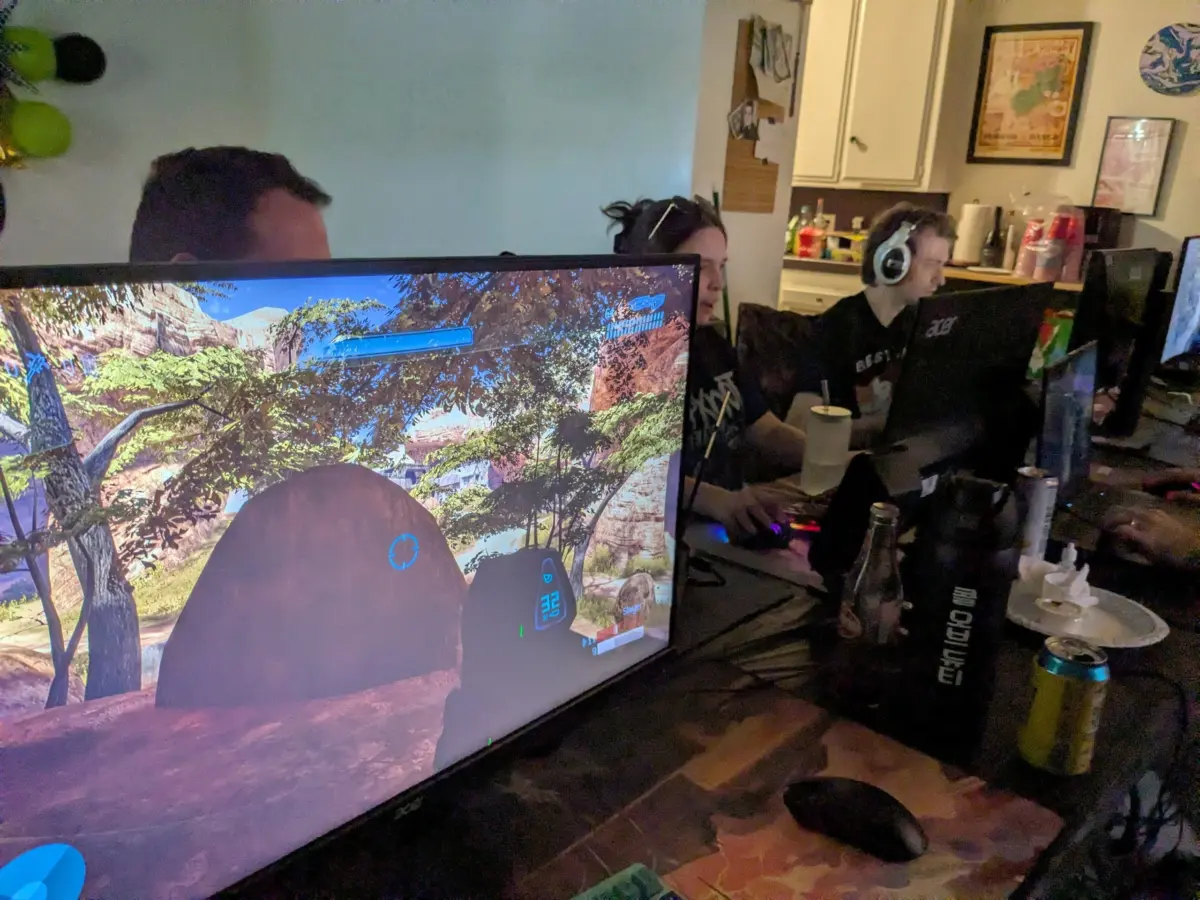
The operational timeline of Park’s thirtieth birthday gathering began weeks in advance, transitioning from a vague conceptual aspiration into a concrete logistical blueprint. The central premise was simple: rather than celebrating via a standard dinner or a remote gaming session, nine adults would converge in a centralized residential space to play classic and modern first-person shooters side-by-side.
Phase 1: Conceptualization and Game Selection
The initial phase required curating a shared software ecosystem capable of accommodating a diverse group of attendees running mixed hardware profiles, including full-sized desktop towers, high-end laptops, and portable Steam Decks.
The selected game roster prioritized cooperative titles and classic multiplayer shooters designed to encourage localized communication without introducing toxic, high-stakes competitive friction:
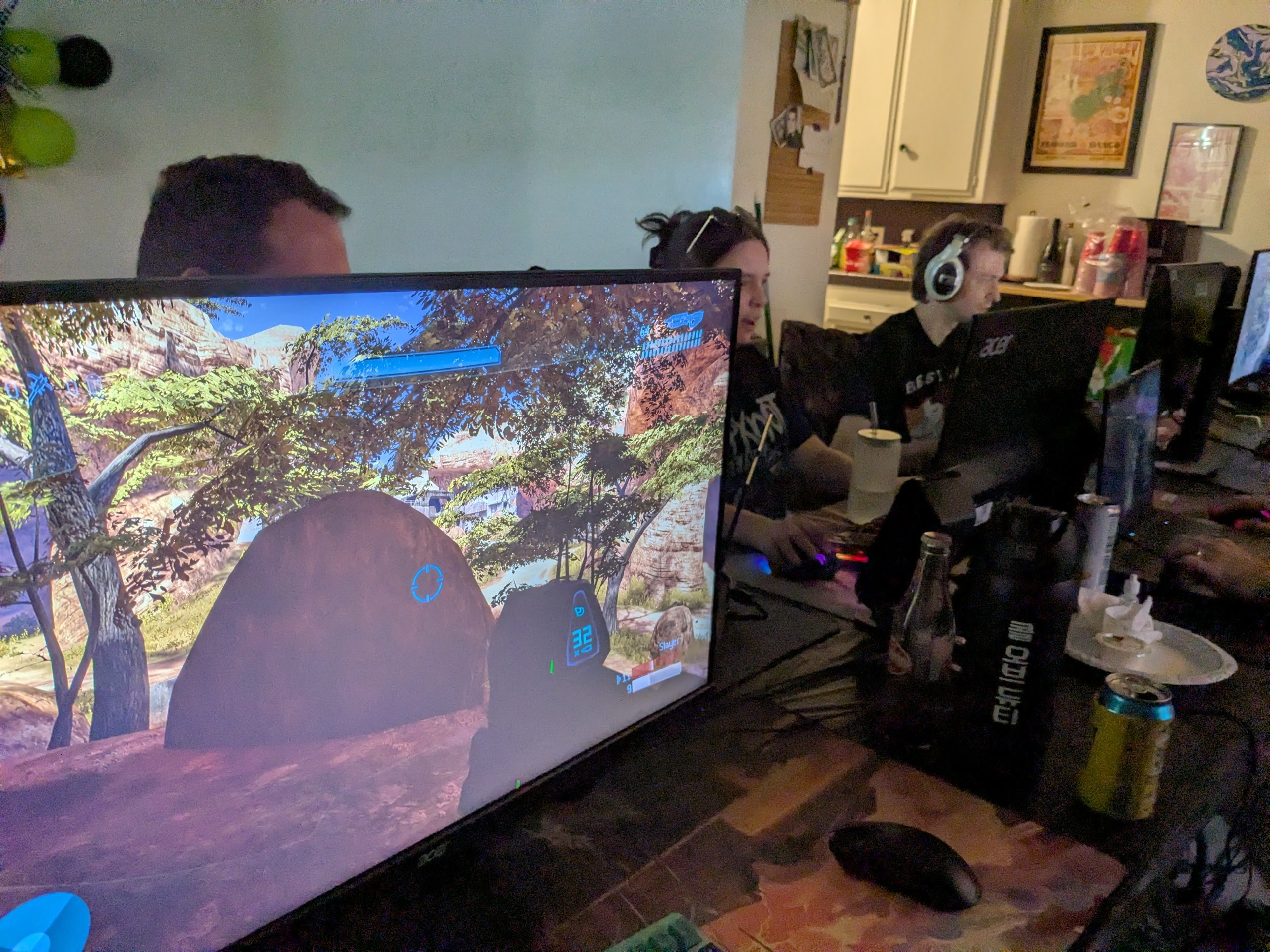
Halo: The Master Chief Collection: Serving as the cornerstone of the event, offering deep nostalgia and robust local multiplayer frameworks.
Star Wars: Battlefront 2 (Classic): A timeless sandbox shooter ideal for chaotic, large-scale local clashes.
Left 4 Dead 2 Versus: Utilized for high-energy, team-based cooperative tension where verbal reactions across the room directly dictated tactical responses.
Casual Indie Classics: Interspersed palette-cleansers like Castle Crashers and Golf With Your Friends to balance out the intense shooter sessions.
Phase 2: Logistical Mobilization and Setup
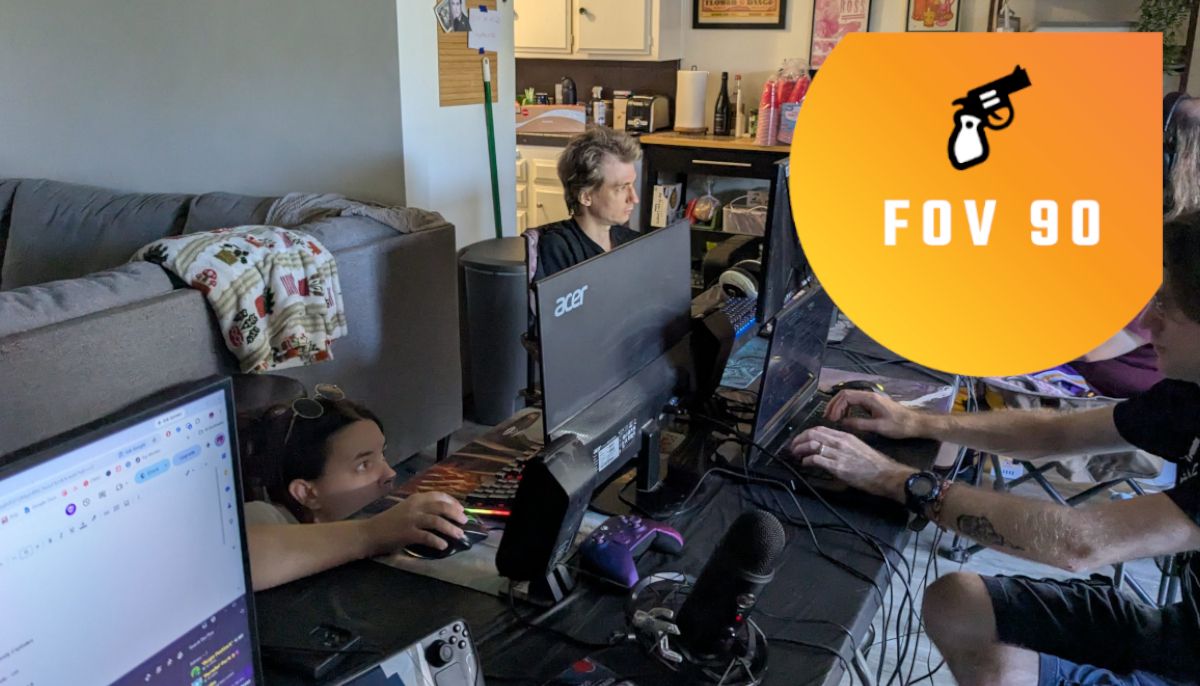
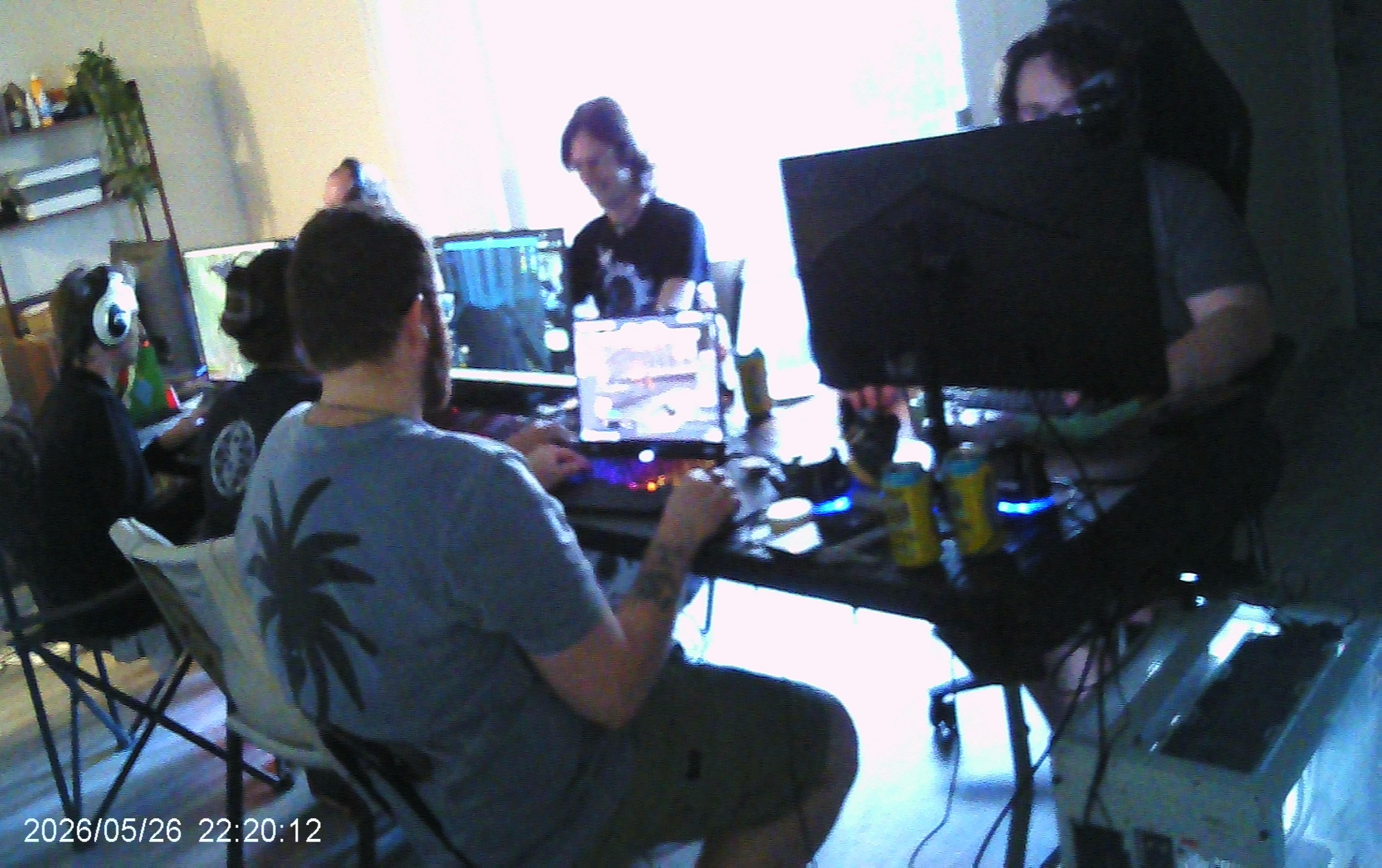
Realizing early on that a standard apartment dining area could not support nine concurrent PC rigs, the operation scaled up. Two industrial-grade six-foot folding tables were rented and aligned to form a singular, continuous battle station.
However, oversight in seating arrangements—relying on a hodgepodge of camping chairs and backless stools rather than uniform rental seating—highlighted the physical toll of prolonged gaming sessions. Ergonomic comfort quickly emerged as a critical bottleneck.
Phase 3: Execution, Technical Friction, and Triumphs
As participants arrived and began plugging into the hastily provisioned power strips and ethernet switches, technical reality set in. The home network faced a massive bandwidth strain as multiple users simultaneously downloaded multi-gigabyte updates for Halo: The Master Chief Collection.
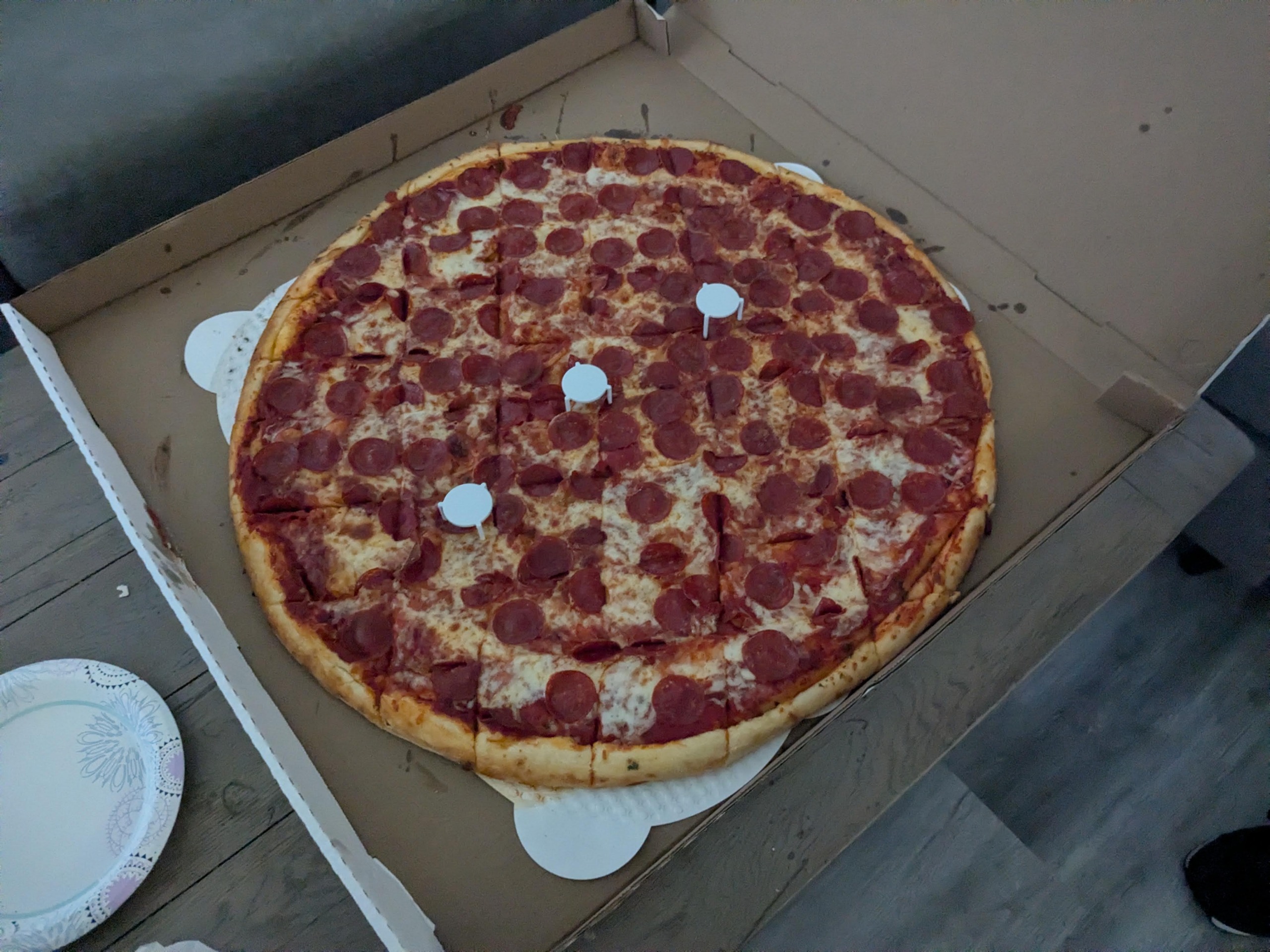
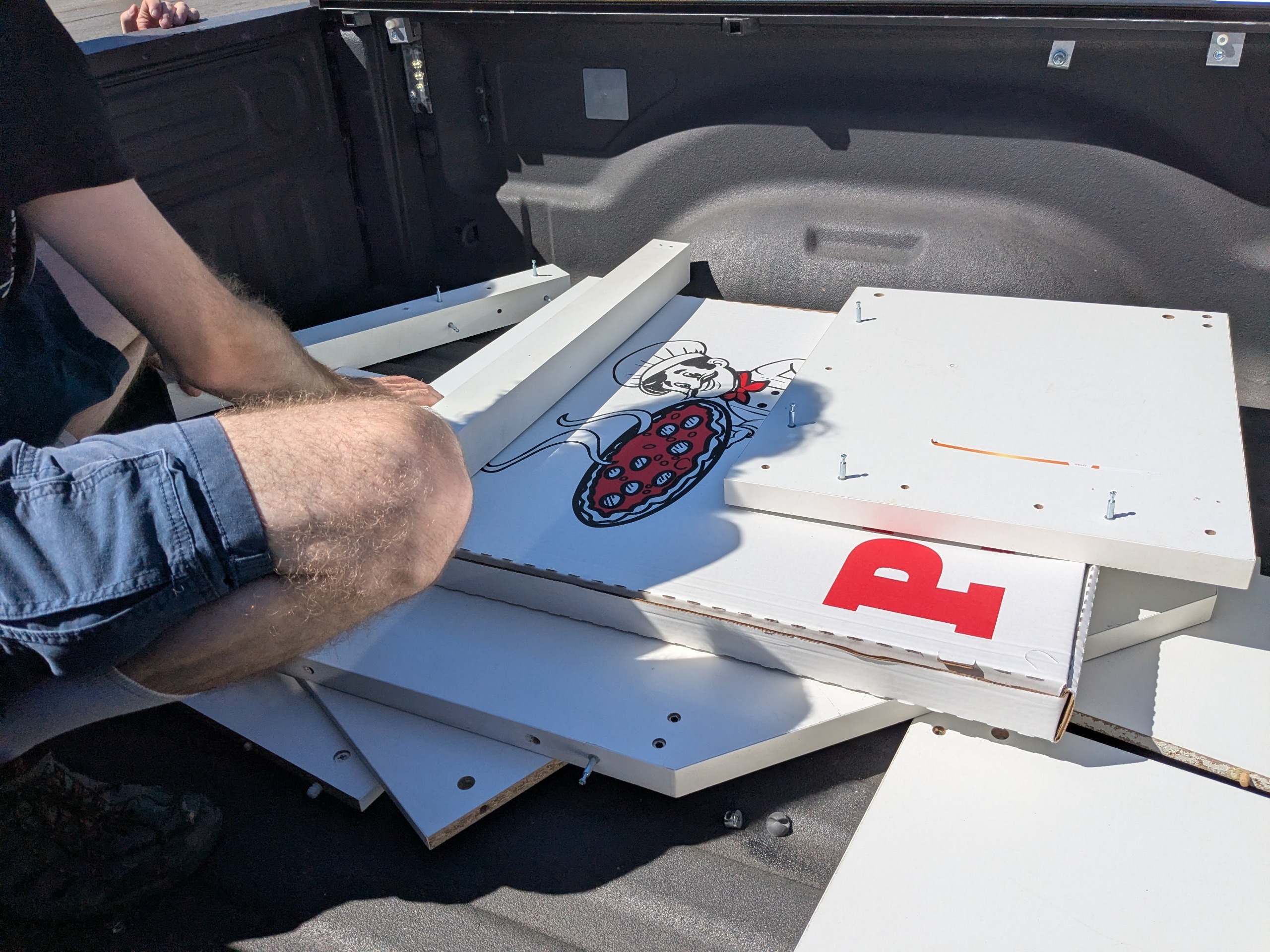
Despite initial hurdles—including audio feedback loops from a poorly placed central "room mic" and the humorous spectacle of transporting an oversized 28-inch pizza box via truck bed secured by IKEA furniture—the event was an overwhelming success. The physical feedback loop of shouting across desks, watching genuine reactions, and sharing heavy food created an unmatched atmosphere that digital voice channels simply cannot replicate.
Supporting Context & Metrics: The Mechanics of Modern LAN Logistics
Organizing a successful local multiplayer event in the modern hardware landscape requires strict adherence to practical infrastructural guidelines. Drawing from the operational lessons of Park’s event, the following breakdown outlines the essential "Dos and Don’ts" for modern LAN party architects.
Hardware, Power, and Network Infrastructure
Power Distribution (DO vs. DON’T): Do invest in high-quality surge protectors and place them centrally, but do not forget necessary extension cords. Drawing power from multiple distinct wall circuits is vital to prevent tripping household circuit breakers under the combined load of nine high-performance gaming rigs.
Networking (DO vs. DON’T): Do provide physical ethernet cables to minimize latency and Wi-Fi interference, but ensure all major software installations and patches are completed days in advance to avoid throttling local bandwidth during arrival windows.
Audio Engineering (DO vs. DON’T): Do include remote friends via continuous Discord channels with webcam feeds, but do not rely on a single central "room microphone." Acoustic echo cancellation and ambient room noise render open table mics ineffective; individualized headset microphones with push-to-talk remain the gold standard.
Social Dynamics and Atmosphere
The "Tryhard" Equilibrium: A successful LAN party requires emotional calibration. While competitive trash-talk is encouraged, attendees must regulate their skill expression. Dominating a casual group with hyper-optimized map control transforms a friendly gathering into an unwelcoming public match.
Pacing and Breaks: True endurance gaming has physical limits. Structuring mandatory breaks—such as collective meal times featuring oversized local pizzas and side dishes, or shifting away from monitors entirely to engage in couch co-op or fresh-air breaks—prevents cognitive burnout.
Official Insights: The Social Value of Physical Play
The resurgence of interest in physical local gatherings points to a broader psychological shift within gaming culture. For decades, the industry optimized toward frictionless, isolated engagement: matchmaking queues replaced server browsers, and digital voice software replaced the shared acoustic environment of the arcade or the basement LAN.
Industry veterans and community organizers argue that this hyper-digital pivot has introduced a distinct social deficit. According to qualitative assessments from multiplayer communities, localized play introduces non-verbal communication cues—eye contact, physical posture, shared laughter, and immediate spatial reactions—that fundamentally alter the emotional resonance of victory and defeat.
"Everything about playing shooters with your buds is more fun when they’re actually in the room emoting, reacting, and trash-talking to your face," notes Park. "It was comfortably the best birthday party I’ve had as an adult."
This sentiment is echoed across tabletop and PC gaming communities alike, where post-pandemic desires for tactile, real-world socialization have supercharged demand for physical events, board game cafes, and private grassroots tournaments.
Future Outlook: Will the LAN Party Make a Mainstream Comeback?
As hardware becomes increasingly modular and portable—evidenced by the proliferation of high-performance gaming laptops, compact Mini-ITX builds, and handheld ecosystems like the Steam Deck—the physical barrier to entry for hosting a LAN party is lower than it has been in decades.
While commercial LAN centers have largely evolved into high-end esports arenas or internet cafes, the private residential LAN party is uniquely positioned for a cultural renaissance. The friction is no longer about heavy CRT monitors or cumbersome desktop components; rather, the challenge is purely cultural and organizational.
Key Takeaways for Future Organizers:
Embrace the Friction: Technical troubleshooting and logistical hiccups are not failures of the event; they are the shared ritualistic bonding experiences that define the LAN party memory.
Prioritize Ergonomics: Comfort dictates duration. Investing in proper tables and supportive seating ensures participants can focus on gameplay rather than physical strain.
Bridge the Physical-Digital Divide: Utilize hybrid communication tools thoughtfully to keep remote friends connected without degrading the in-room audio experience.
Ultimately, the modern LAN party proves that no matter how advanced our netcode, cloud servers, and virtual reality spaces become, nothing can truly replicate the simple, timeless joy of sitting shoulder-to-shoulder with friends, eating heavy food, and sharing a screen. Bring back the LAN party.