In the modern digital landscape, the demand for consistent, multi-channel content creation often outpaces the bandwidth of individual creators and lean teams. The traditional binary approach—either rejecting artificial intelligence entirely or blindly handing over all creative control to a machine—fails to capture the true potential of technological integration. According to AI strategist Nicky Saunders, the optimal solution lies in building an "AI creative director."
By leveraging advanced platforms like Claude alongside data scrapers and automation pipelines, creators can transform raw, unstructured voice journals into polished, multi-platform assets. This workflow preserves the creator’s authentic voice while scaling productivity. Rather than replacing human intuition, this system acts as a persistent, 24/7 strategic partner that manages ideation, drafting, and preliminary production. This investigative report explores the foundational philosophy, technical setup, automated workflows, and essential human-in-the-loop boundaries required to successfully deploy an AI creative director.
Detailed Chronology: From Concept to Execution
The journey toward establishing a fully operational AI creative director requires a methodical, step-by-step implementation. Creators cannot simply open a chat window and expect high-fidelity output without prior system training and contextual grounding.
Step 1: Establishing Creative Vision and Style
Before integrating automated pipelines, creators must define their core vision and visual aesthetic. Saunders likens onboarding an AI to hiring a human contractor: providing vague instructions yields generic, low-quality results—often referred to in the industry as "AI slop."
Defining Vision: Creators must establish the emotional resonance of their content, intended audience takeaways, specific color palettes, and stylistic exclusions.
Visual Inspiration Libraries: Creators should curate visual references from diverse sources—such as Pinterest boards, magazine covers, and digital carousels—and upload them to a dedicated Claude project. This enables the AI to analyze saturation levels, typography, and composition, helping creators articulate their aesthetic preferences using precise design terminology.
Asset Auditing: Existing website screenshots, product photography, and high-performing past posts can be analyzed by Claude to generate comprehensive brand guidelines covering tone, fonts, and visual standards.
Step 2: Building Core Claude Skills for Brand Voice and Content Style
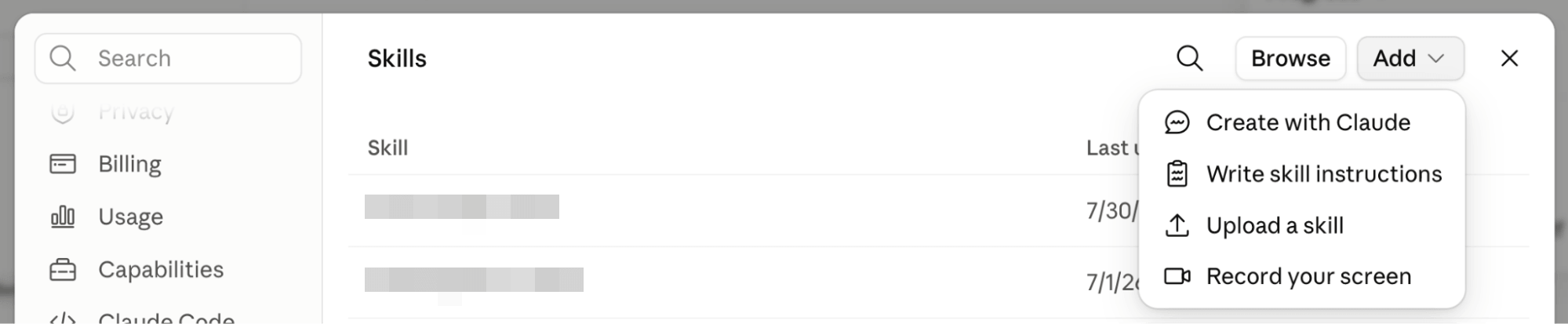
Once the stylistic foundation is set, users must develop reusable instruction sets known as "Claude skills." These function as persistent memory banks, eliminating the need to re-train the AI in every new chat session.
The Brand Voice Skill: To teach Claude how to write authentically, creators feed the model extensive samples of their natural speech patterns, including video transcripts, podcast recordings, social media threads, and newsletters. Claude analyzes these documents for sentence cadence, vocabulary, and tone. Once trained, the model produces drafts that align roughly 80% to 85% with the creator’s natural voice, leaving only minor refinements for human editing.
The Platform Style Skill: A secondary skill studies how communication adapts across different digital environments. Because a Substack essay demands a vastly different structural cadence than an Instagram caption or a short-form video script, this skill ensures the output adheres to platform-specific conventions.
Source Material Ingestion via Apify: To streamline data gathering for skill training, strategists utilize data-scraping tools like Apify with Model Context Protocol (MCP) connectors. Apify can extract public metrics, comments, and transcripts from platforms like YouTube and Instagram, creating a robust database for competitive analysis and ongoing voice calibration.
Step 3: Deploying the "DraftLoop" Content Workflow
With skills and vision established, creators can implement an automated pipeline. Saunders utilizes a system called "DraftLoop," which connects Claude Cowork, Notion, and automated media generators to convert raw audio into multi-format drafts.
The Voice Journal Source: Rather than staring at a blank document, the process begins with a daily voice journal recorded during a morning walk using tools like Notion’s AI meeting notes. Inspired by Julia Cameron’s The Artist’s Way, this free-form speaking session covers personal reflections, stressors, and sudden epiphanies without rigid content agendas. Even moments of creative block serve as material; asking "why?" repeatedly helps uncover underlying insights.
Automated Processing: An 8.00 AM scheduled task in Claude Cowork checks Notion for new journal entries. The system reads the raw audio transcript and generates a Notion page containing content ideas, draft tweets, newsletter copy, and visual quotes.
Human Review & Production: At 11.00 AM, the creator reviews the generated assets, selecting winning concepts for deeper development. Once approved, integrated tools like Higgsfield generate customized images and animated character videos directly within the chat window, while avatar platforms like HeyGen allow creators to preview how scripts sound when read aloud.
Step 4: Maintaining Human Judgment and Editorial Oversight
Despite high levels of automation, strict boundaries must be maintained regarding final execution.
No Direct Publishing Access: AI tools should never be granted direct permissions to publish live to social media accounts. Automated systems handle ideation, drafting, and preliminary design, but final scheduling and publishing remain manual to protect brand security and account compliance.
Balancing Instinct with Data: Creators frequently suffer from creative restlessness, wanting to abandon topics they feel tired of covering. However, Claude can cross-reference current ideas with historical engagement data, demonstrating which topics consistently drive high comment volume and audience interaction, effectively steering creators back toward proven themes.
Step 5: Utilizing Advanced Models for Specialized Tasks
Maximizing output quality requires strategic model selection. High-tier models—such as specialized iterations optimized for short-form writing—excel at crafting punchy hooks, carousel headlines, and high-conversion email subject lines. Investing computational resources into these advanced models ensures that high-impact, short-form copy maintains exceptional precision.
Supporting Context & Metrics: The State of AI Adoption in Marketing
The push toward structured AI workflows arrives at a time of significant transformation within the marketing industry. Recent industry data highlights both the eagerness of professionals to adopt these technologies and the distinct lack of formal institutional support.
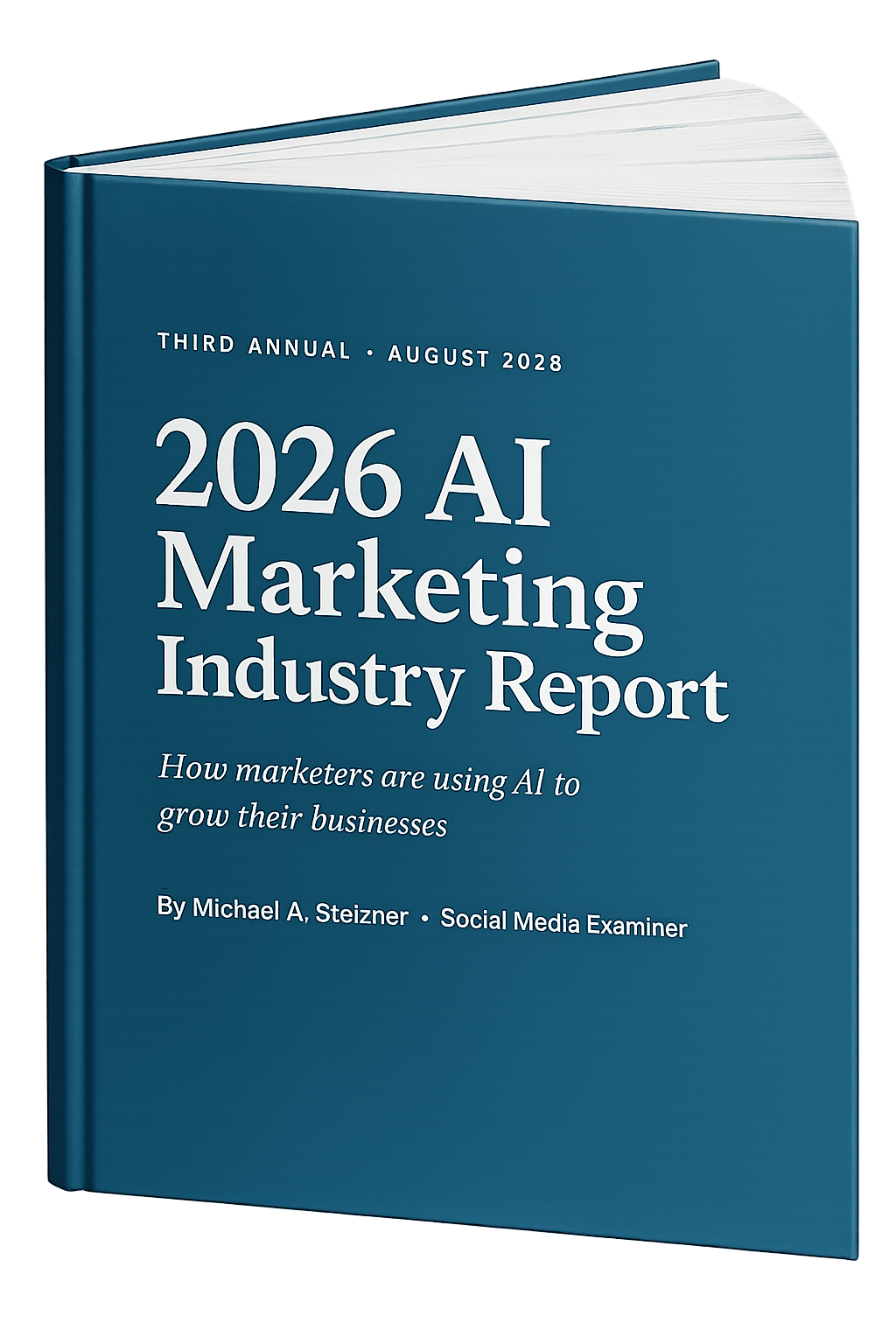
The Self-Taught Majority: According to comprehensive third-party industry reporting surveying hundreds of marketing professionals, 85% of marketers learn AI entirely through independent experimentation.
Corporate Training Deficit: Only 7% of marketing professionals receive formal AI training from their employers.
Personal Financial Investment: Due to the lack of corporate infrastructure, more than 50% of surveyed marketers spend their own personal funds to acquire and test cutting-edge AI software, tools, and API connectors.
This data underscores why frameworks like the AI creative director are vital. In an ecosystem where professionals must forge their own paths, structured methodologies bridge the gap between experimental toy use and high-performance business operations.
Official Statements and Industry Perspectives
Experts emphasize that the fear of AI displacing human creativity is largely unfounded when tools are deployed as collaborative partners rather than autonomous replacements.
"AI works best as an integration layer within existing creative workflows. The creators and business owners who learn to weave new tools into their process, rather than choosing sides, end up more consistent, more productive, and less stressed about content droughts."
— Nicky Saunders, AI Strategist
Describing the psychological benefit of continuous AI integration, Saunders refers to the system as a "twenty-four-seven brain-warming buddy." In professional environments where late-night brainstorming sessions cannot involve human colleagues, persistent AI memory architectures allow creators to capture fleeting thoughts at 2:00 AM and seamlessly resume development weeks later.
Furthermore, industry analysts note that validation is a critical component of creative momentum. While market reception ultimately determines whether content succeeds, having an objective sounding board that evaluates an idea and proposes three viable execution pathways provides the necessary psychological momentum to shift from hesitation to active production.
Future Outlook: The Evolution of Autonomous Creative Operations
As Model Context Protocol (MCP) integrations mature and multi-modal AI capabilities expand, the line between ideation and production will continue to blur. Future iterations of AI creative directors will likely feature deeper real-time analytics integrations, automatically identifying shifting consumer sentiments across video platforms and dynamically adjusting content briefs before creators even sit down to record their daily journals.
However, the core tenet of sustainable content creation will remain unchanged: technology must amplify human authenticity, not manufacture artificial facades. Systems that rely on raw, unfiltered human experiences—such as voice journals, personal reflections, and genuine professional hurdles—will consistently outperform fully synthetic, generic output. By establishing robust style definitions, training persistent brand voice skills, and enforcing strict human review checkpoints, modern creators can scale their digital presence sustainably, effectively turning a single daily thought into a powerful, multi-channel media engine.