Peter Molyneux’s latest creation, Masters of Albion, has reached a critical juncture in its early access lifecycle with the deployment of the comprehensive ‘New Beginnings’ update. Launched initially to a mixed reception characterized by critical praise for its nostalgic ambition and pointed criticism for its lightweight, unpolished mechanical loops, the game faced a steep uphill battle to capture the legendary status of Molyneux’s prior masterworks like Black & White, Dungeon Keeper, and Fable.
The ‘New Beginnings’ update does not merely patch bugs or add superficial content; it fundamentally re-engineers the game’s core architecture. By addressing performance bottlenecks, completely restructuring progression systems, adding narrative depth to menial management tasks, and introducing high-stakes strategic loops to the nocturnal phases of gameplay, developer 22cans has transformed Masters of Albion from a bare-bones concept sketch into a legitimately compelling god game.
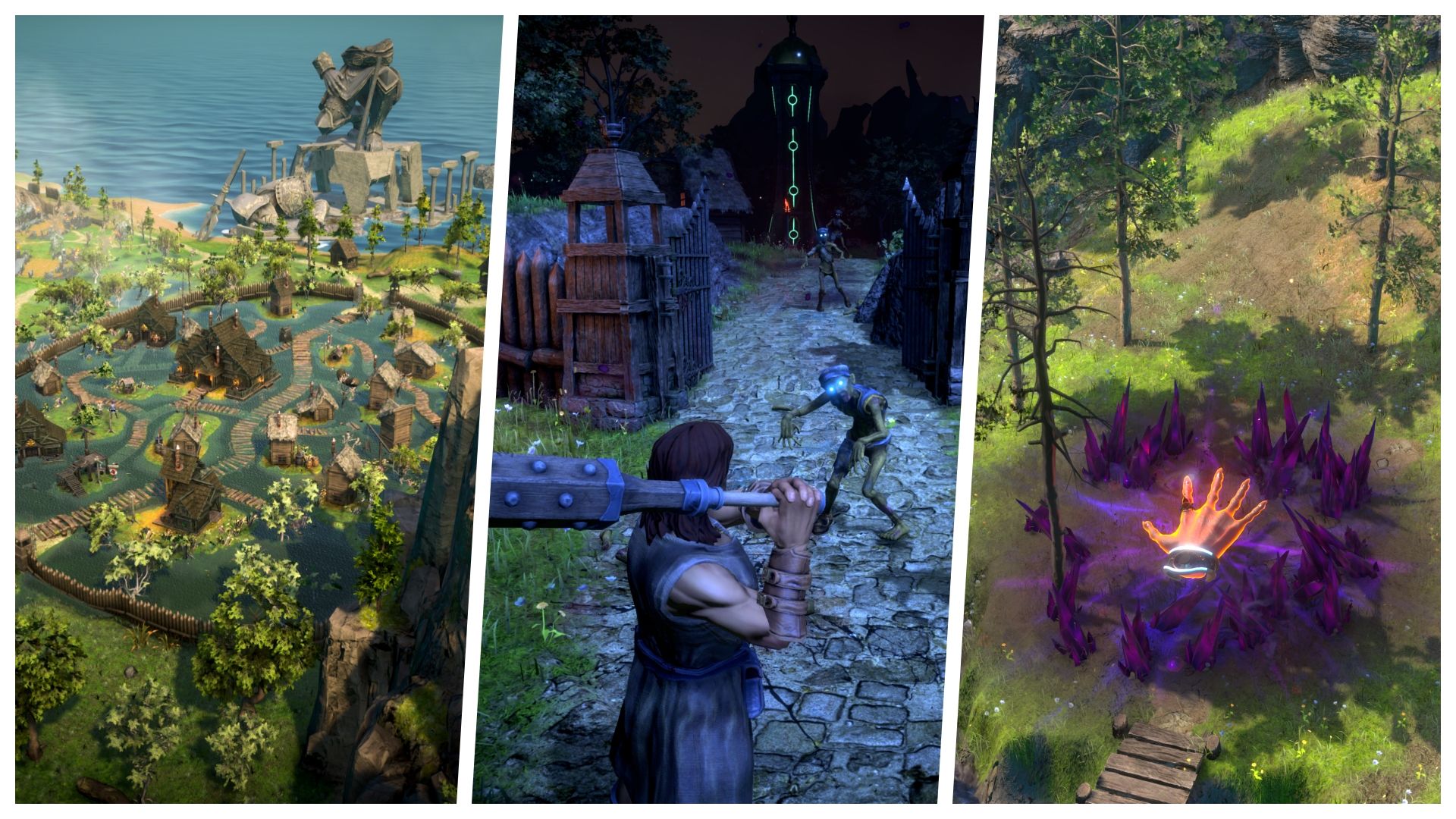
This overhaul represents a watershed moment for the project. For the first time since its April launch, the title successfully merges multi-genre mechanics—blending settlement management, real-time strategy combat, and tactile God-hand interactions—into a cohesive, highly responsive experience. With engine performance soaring to smooth 60–80 fps averages, a newly minted card-based Arcadium system, and mysterious colossal structures hinting at deeper lore, Masters of Albion is finally starting to manifest the classic PC gaming magic enthusiasts have long awaited.
Detailed Chronology: From Sketch to Systemic Overhaul
To understand the weight of the ‘New Beginnings’ update, one must examine the rocky trajectory of Masters of Albion since its early access debut in April. At launch, players and critics alike noted the stark contrast between the game’s ambitious premise and its sparse execution. While the foundational framework of a classic god game was present—allowing players to manipulate the landscape, construct rudimentary settlements, manufacture products, and engage in nighttime combat—the experience quickly devolved into a tedious grind.
Players found themselves trapped in repetitive cycles of product manufacturing and defensive survival against uninspired nocturnal monster waves. The iconic ‘God hand,’ a staple of Molyneux’s design philosophy, felt remarkably limited in its utility, offering little more than basic picking-and-placing mechanics that lacked the deep, systemic environmental reactivity of historical genre benchmarks. Molyneux himself has since characterized that initial release as little more than an "initial sketch" of a game—a dangerous gamble when attempting to blend complex genres like city-building and RTS combat, which traditionally demand deep, established core loops from day one.
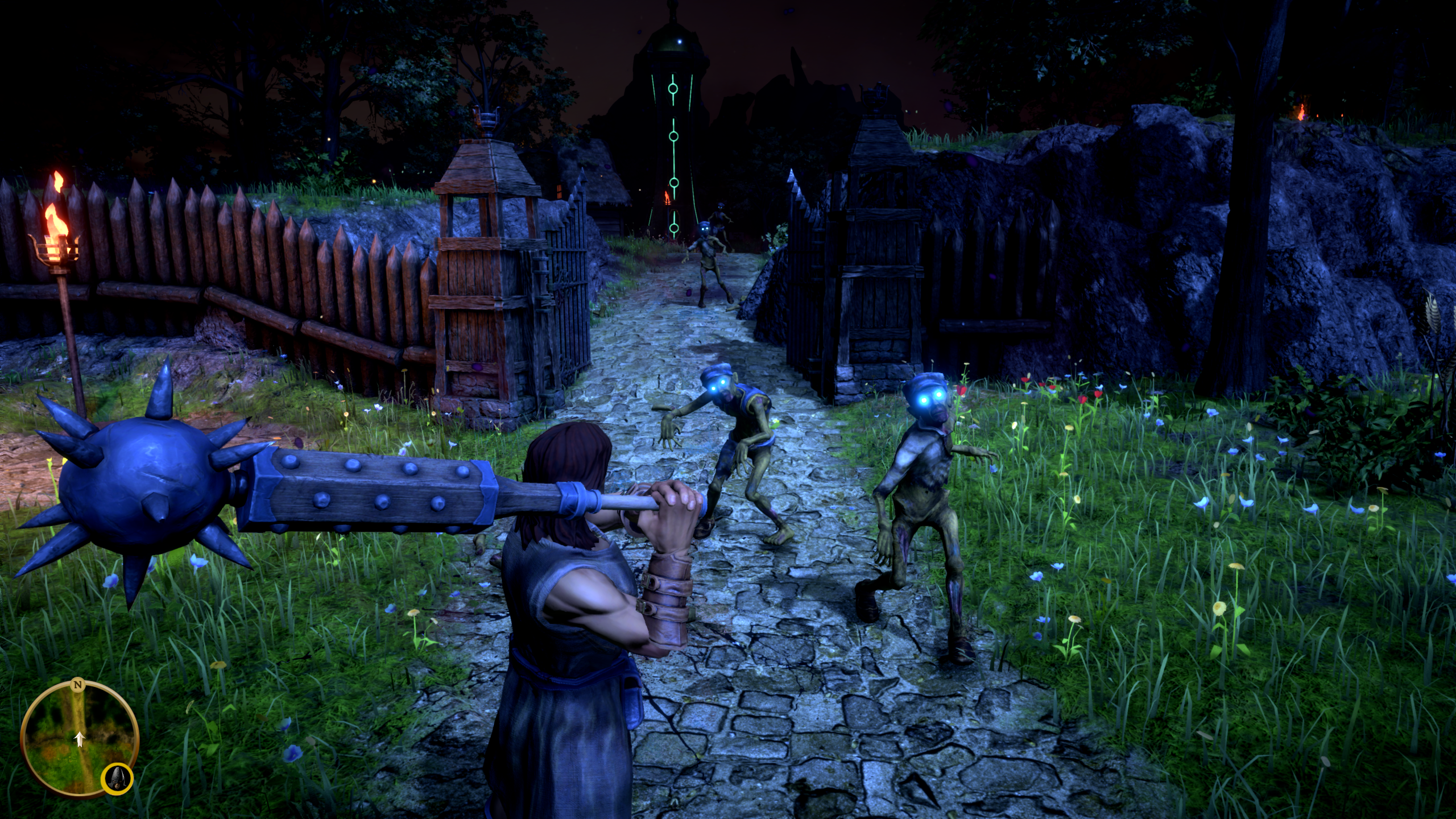
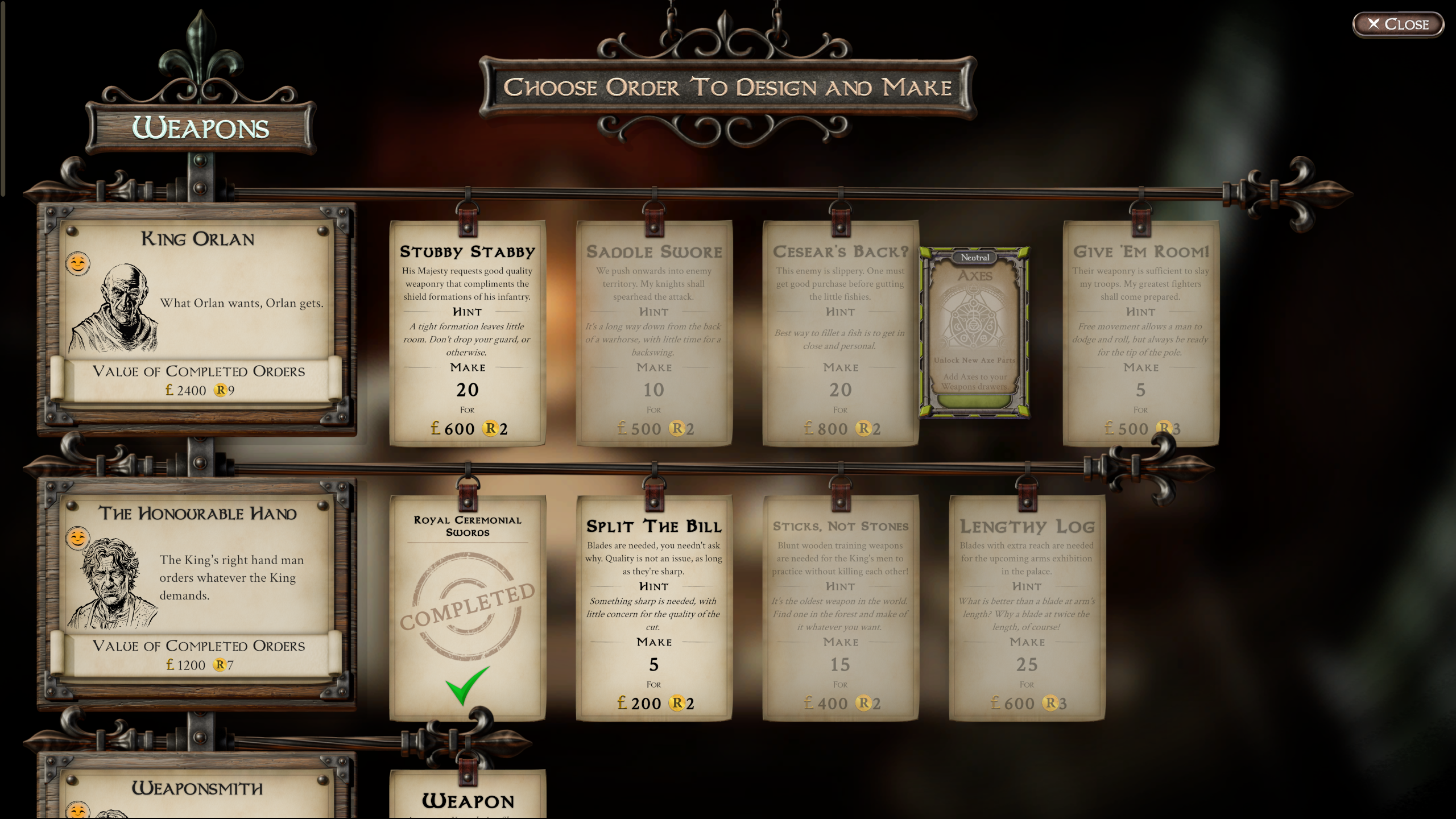
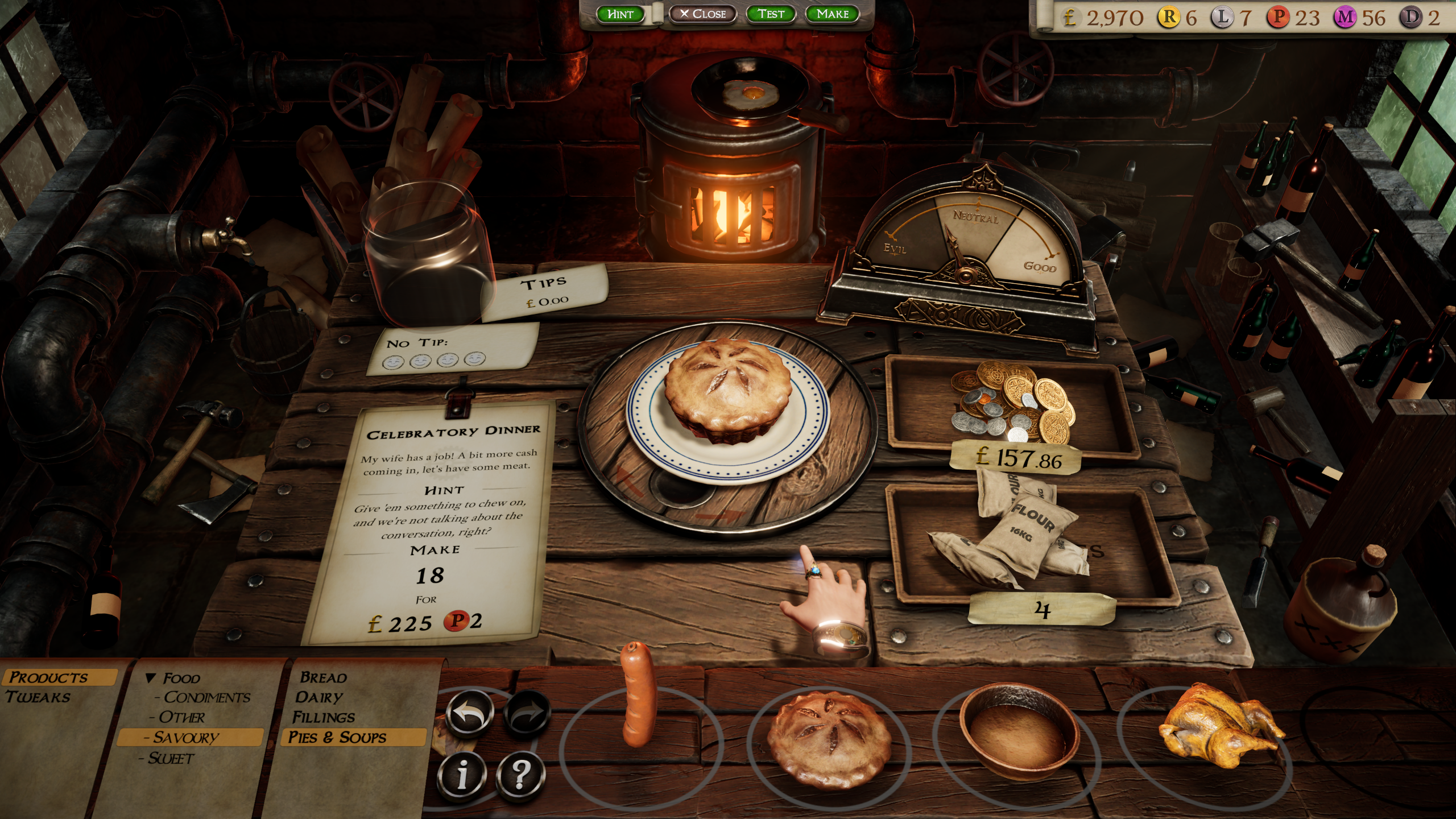
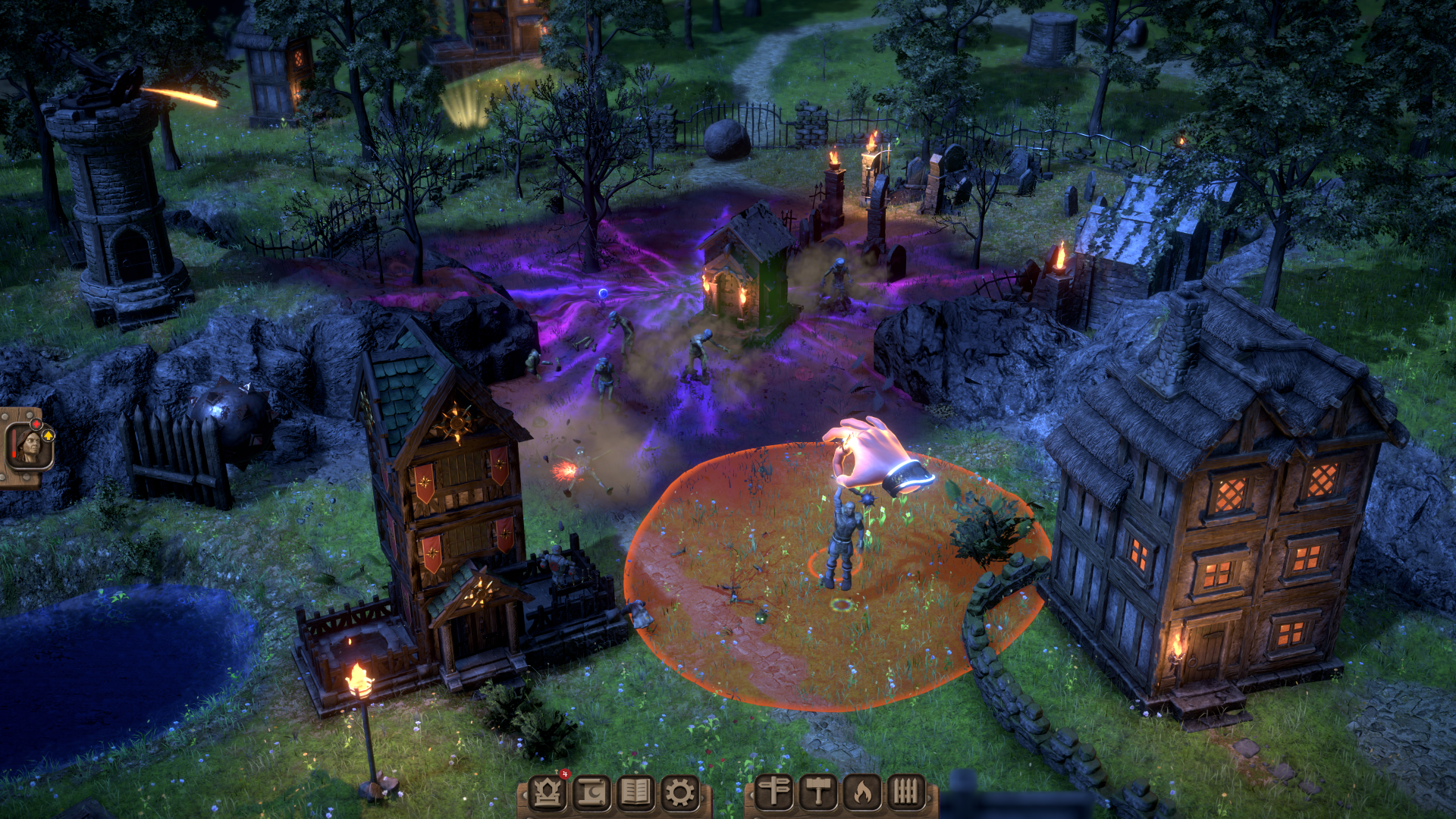
Recognizing the widening gulf between player expectations and the game’s sparse reality, 22cans pivoted aggressively, leaning heavily into community feedback and critical post-mortems. The result is ‘New Beginnings,’ a monumental patch that systematically dismantles and rebuilds the game’s most criticized elements. Nighttime gameplay has shifted from an endurance test to a high-stakes strategic puzzle driven by unlockable buffs and encroaching environmental corruption. Meanwhile, the technology tree has been entirely replaced by a card-driven Arcadium, and the mundane production tables have been infused with narrative-driven orders and puzzle-based tipping mechanics, injecting much-needed emotional engagement into the macro-management layer.
Supporting Context & Metrics: Performance and Mechanical Depth
One of the most glaring technical failures of the original Masters of Albion release was its abysmal optimization. Despite eschewing ultra-realistic AAA graphical fidelities in favor of a stylized aesthetic, players utilizing high-end gaming rigs frequently reported struggle-bus framerates dipping well below the 30 fps threshold. In a genre demanding fluid camera panning, precise hand-eye coordination, and real-time management of dynamic environments, substandard frame rates proved fatal to immersion.
The ‘New Beginnings’ update tackles this bottleneck head-on, delivering a staggering technical achievement:
Framerate Optimization: Average performance on recommended hardware specifications has more than doubled, leaping from a choppy 30 fps baseline to a butter-smooth 60 to 80 frames per second.
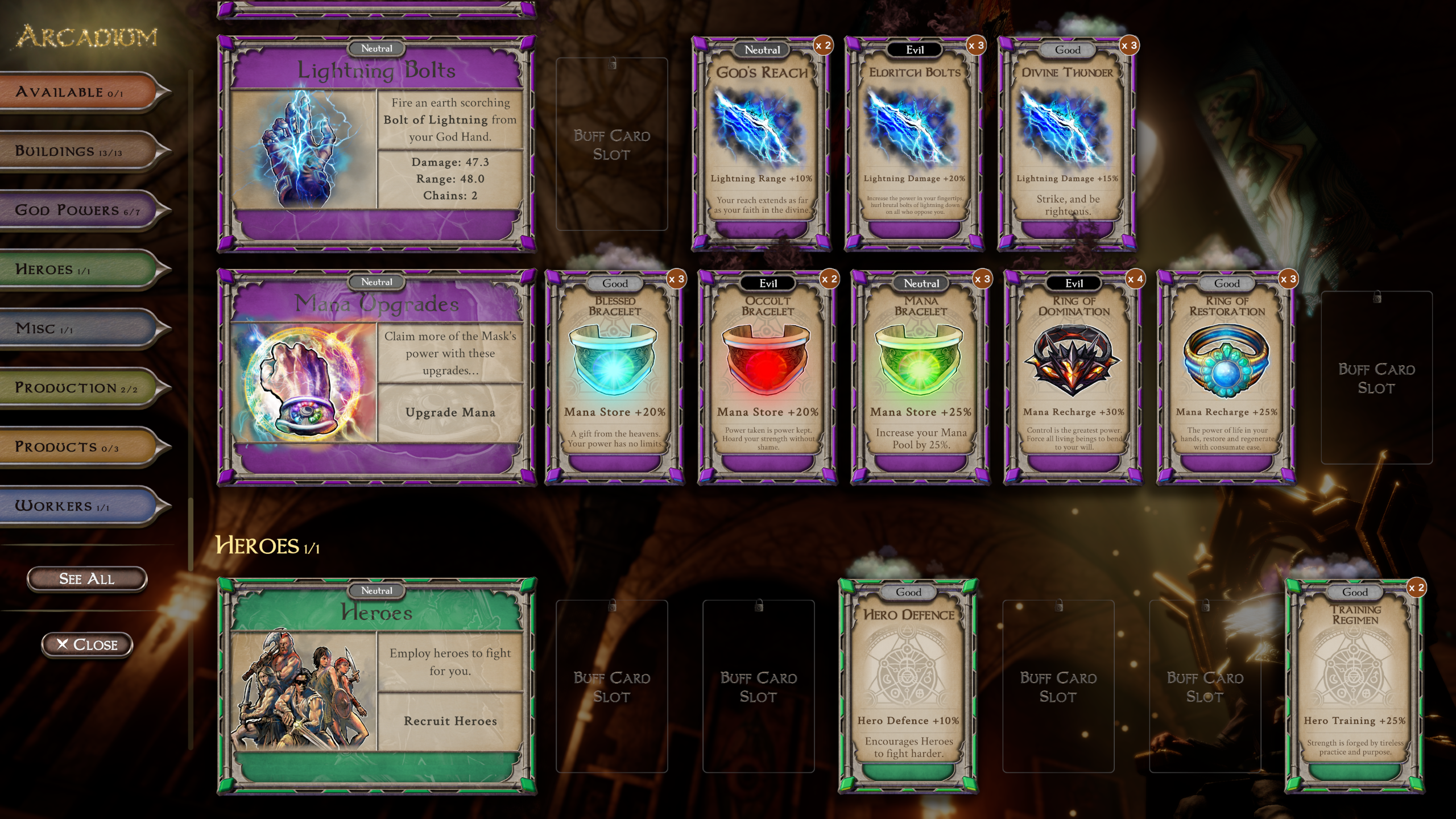
Arcadium Expansion: The rigid, spider-web-like technology tree has been scrapped in favor of a dynamic, card-based progression system featuring hundreds of unlockable abilities, such as devastating lightning strikes.
Nocturnal Buff Economy: Over 200 distinct nighttime buffs have been introduced, directly linking the efficiency of a player’s nighttime combat defense to their divine progression throughout the day.
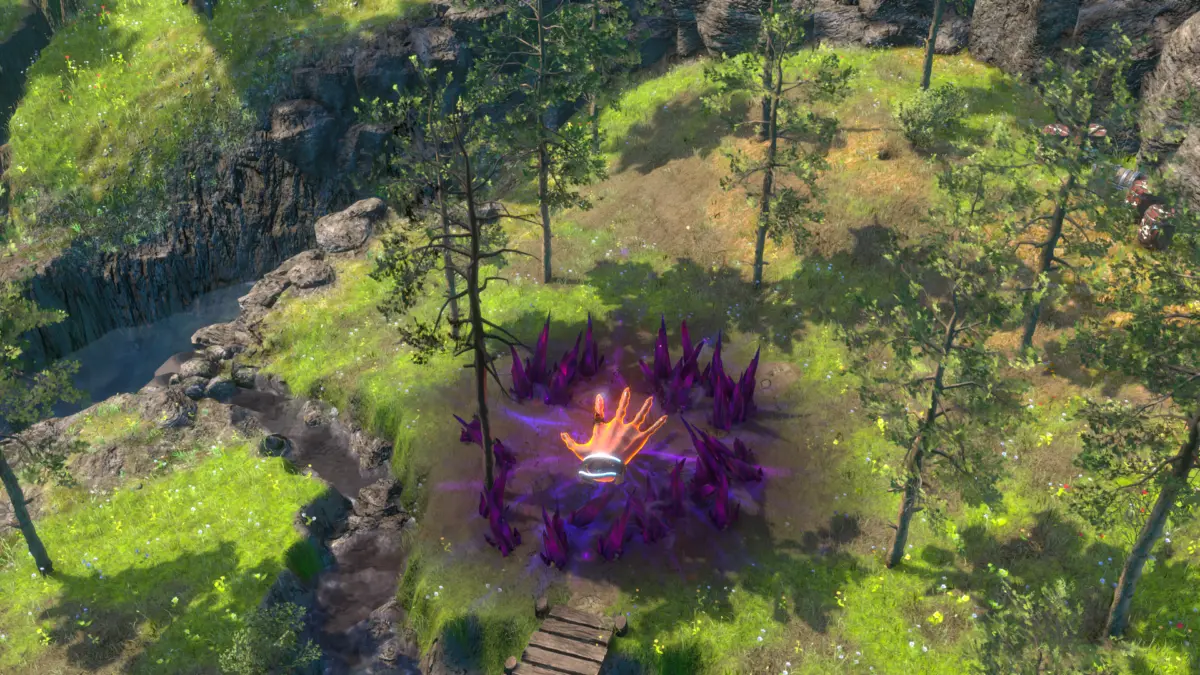
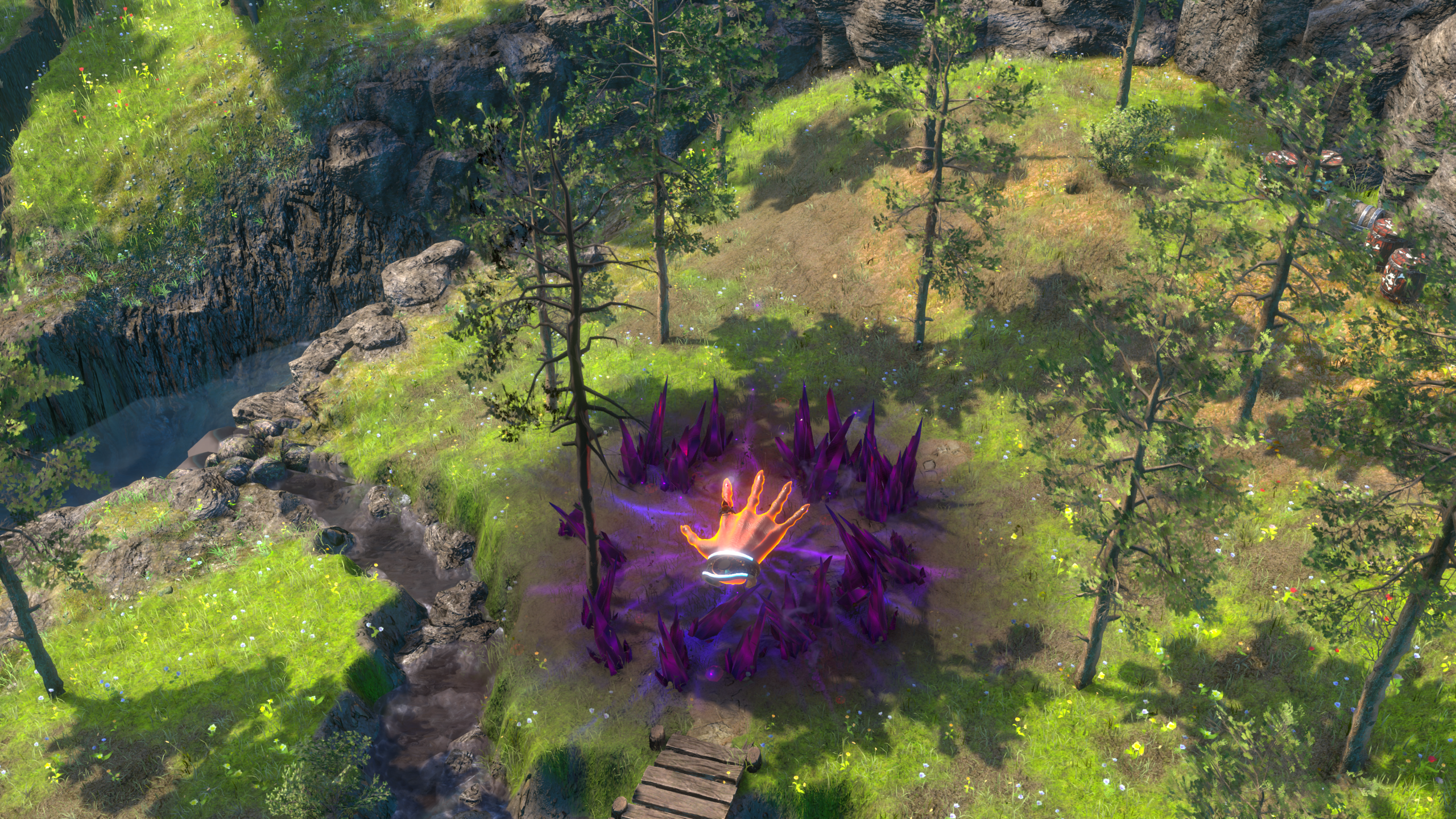
Environmental Degradation: The Orkenstone mechanic now introduces an advancing wave of purple corruption every night that withers crops and trees, forcing players to strategically place defensive decorations to push back the blight.
These metrics highlight a profound shift in development philosophy. Rather than pushing forward with new content on top of a crumbling foundation, 22cans paused to ensure the underlying technical and mechanical engines could support the complex systemic interactions that define the god game genre.
Official Statements: Peter Molyneux on the Evolution of the Game
In conjunction with the launch of the update, legendary designer Peter Molyneux offered extensive commentary detailing the design philosophy driving these massive changes. Speaking candidly about the transition from the initial release to the current build, Molyneux emphasized the importance of emotional engagement over mechanical busywork.
Addressing the dramatic performance improvements, Molyneux noted:
"You know, my hope was to get to 30 frames a second for everybody for the recommended system [specs]. But we now sit at between 60 and 80 frames [on average]. That’s a huge jump. You know, if [the framerate] drops below 30, it feels awful. If it’s over 60, it just feels super slick and smooth. When we release, that will be felt by everyone."
Discussing the overhaul of nighttime mechanics, which previously suffered from a lack of urgency beyond mere survival, Molyneux explained:
"The whole premise was you build your settlements up, and you have more than one of them, and then at night things attack those settlements… But the fundamental problem was people’s emotions when they face nighttime were, ‘I’ve just got to get through this.’ And that’s not what we wanted. So the answer was to introduce these things called buffs… How you acquire those buffs is by winning a nighttime battle effectively and efficiently and strategically. We’ve [now] got something like 200 different buffs, which you can unlock."
Molyneux also highlighted the new tactile capabilities of the divine hand, which now boasts rich physical interactions with the game world:
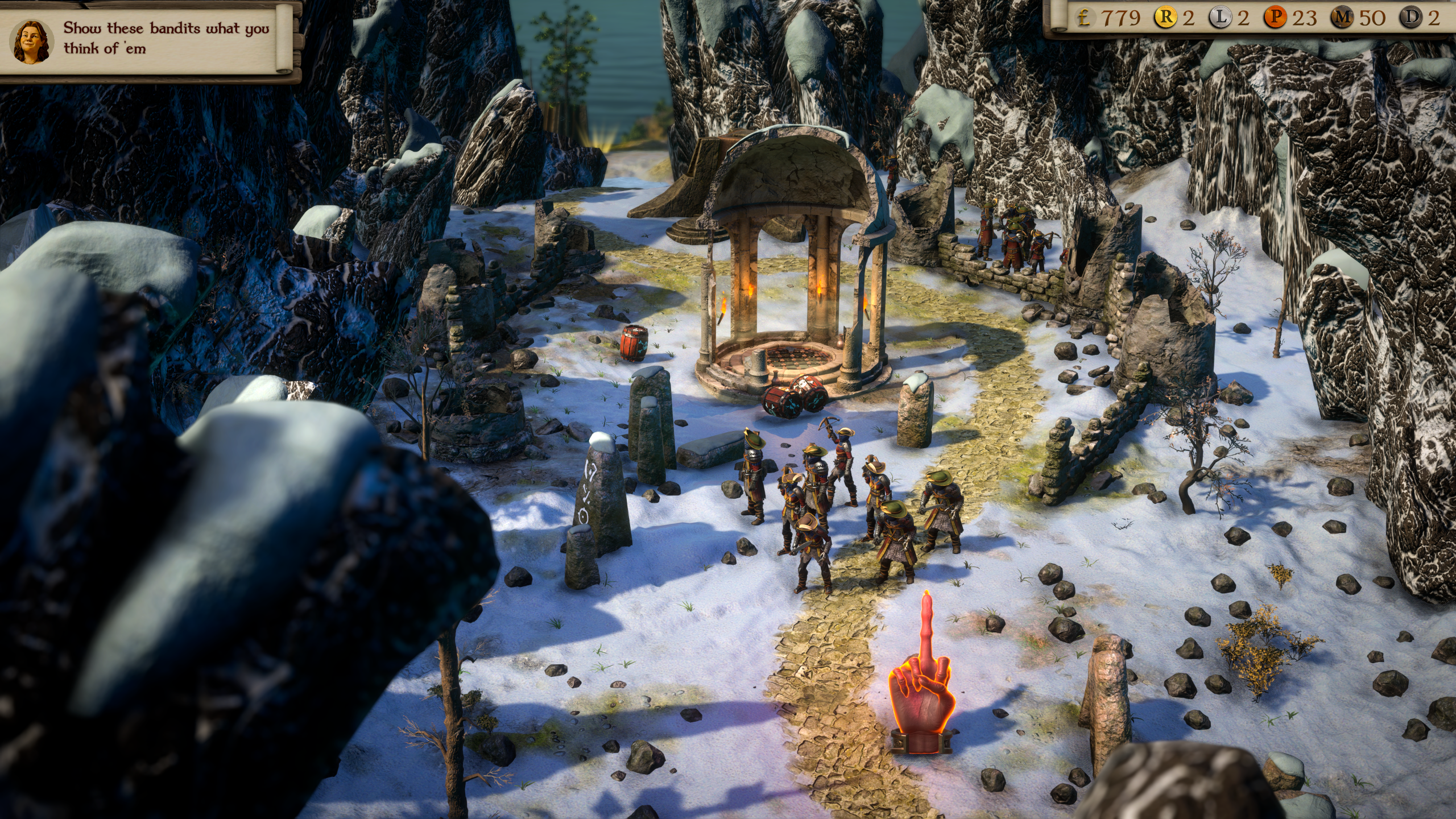
"We’ve really looked at what the hand does in the world, what it can interact with, and that started with community feedback. As you move your hand through the wheat or through the trees, they will react. You should be able to pick up the wheat… We’ve got this thing called a dunking stall, where you can tap on it and the dunking stall goes down, or you can pick up a character and put them in the dunking stall and dunk them. If you want to be particularly evil, you can dunk them until they die. We’ve got things like a bench where you can pick up one character, put them on the bench, and then you pick up another character, put them on the bench, and they’ll chat. And if you keep on doing that, they’ll eventually fall in love."
Future Outlook: A Fitting Swansong for the God Game Genre?
The implementation of the ‘New Beginnings’ update marks a turning point for Masters of Albion, elevating it from a risky early access gamble into a genuinely viable recommendation for fans of classic PC god games. By rectifying performance issues, injecting narrative soul into production orders, and expanding the tactile agency of the divine hand, 22cans has demonstrated a rare willingness to listen to its community and reshape its creation accordingly.
Yet, the most tantalizing aspect of this update lies not in what has been fixed, but in what remains mysterious. The sudden emergence of colossal structures dominating the skyline—cryptically teased in press materials as either "a link to the past or a foreshadowing of the future"—has sent fan communities into a frenzy of speculation. Coupled with Molyneux’s history of pioneering giant, controllable avatars in titles like Black & White, these monoliths strongly suggest that future updates may introduce titanic manifestations of divine will.
If 22cans maintains this rigorous cadence of listening to player feedback, refining core loops, and expanding systemic depth, Masters of Albion could very well evolve past its early access shackles to become the ultimate realization of the god game genre. For an industry icon who defined and shaped the genre decades ago, delivering a masterclass in modern god-crafting would serve as a profoundly fitting, triumphant swansong.