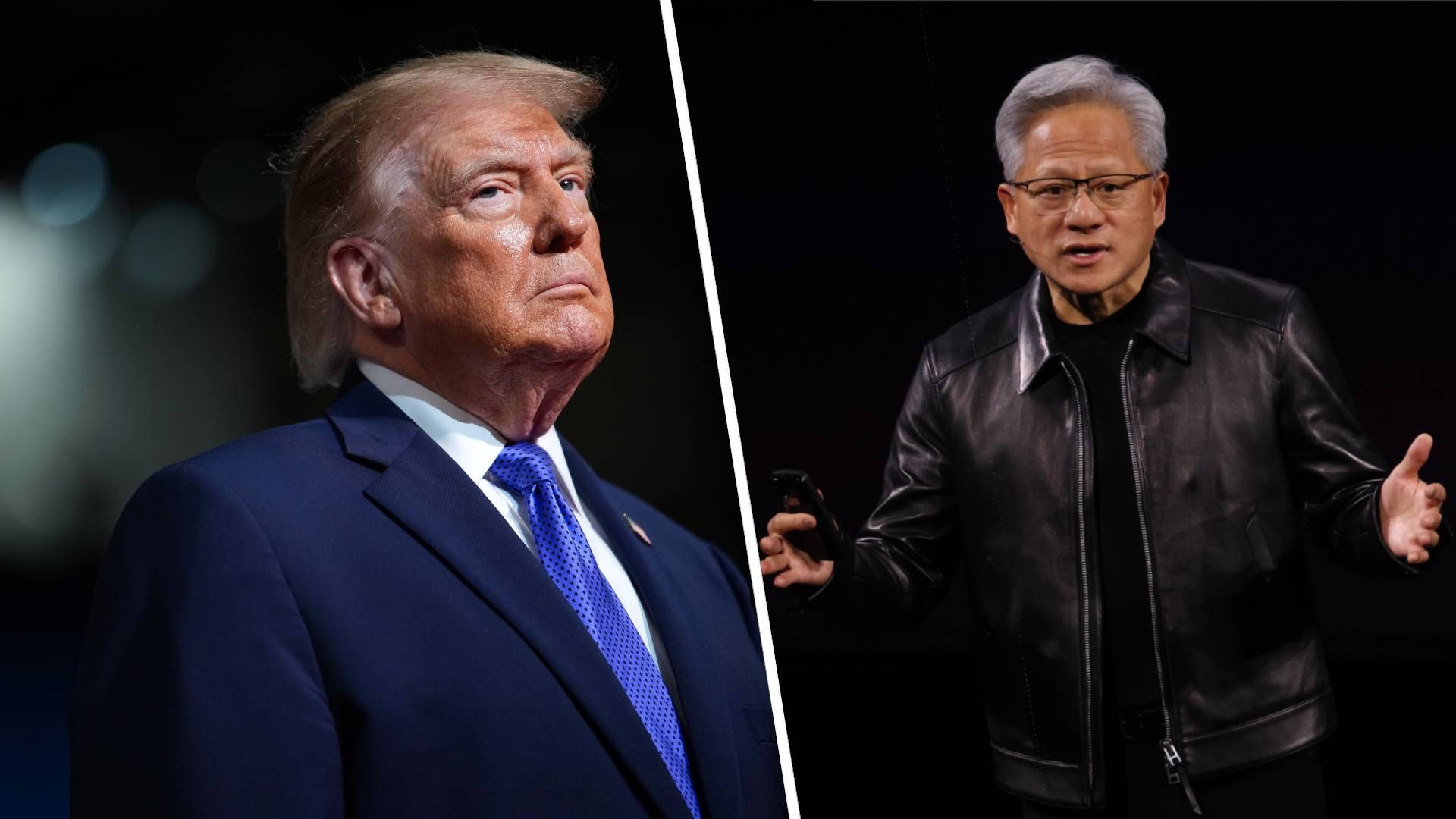
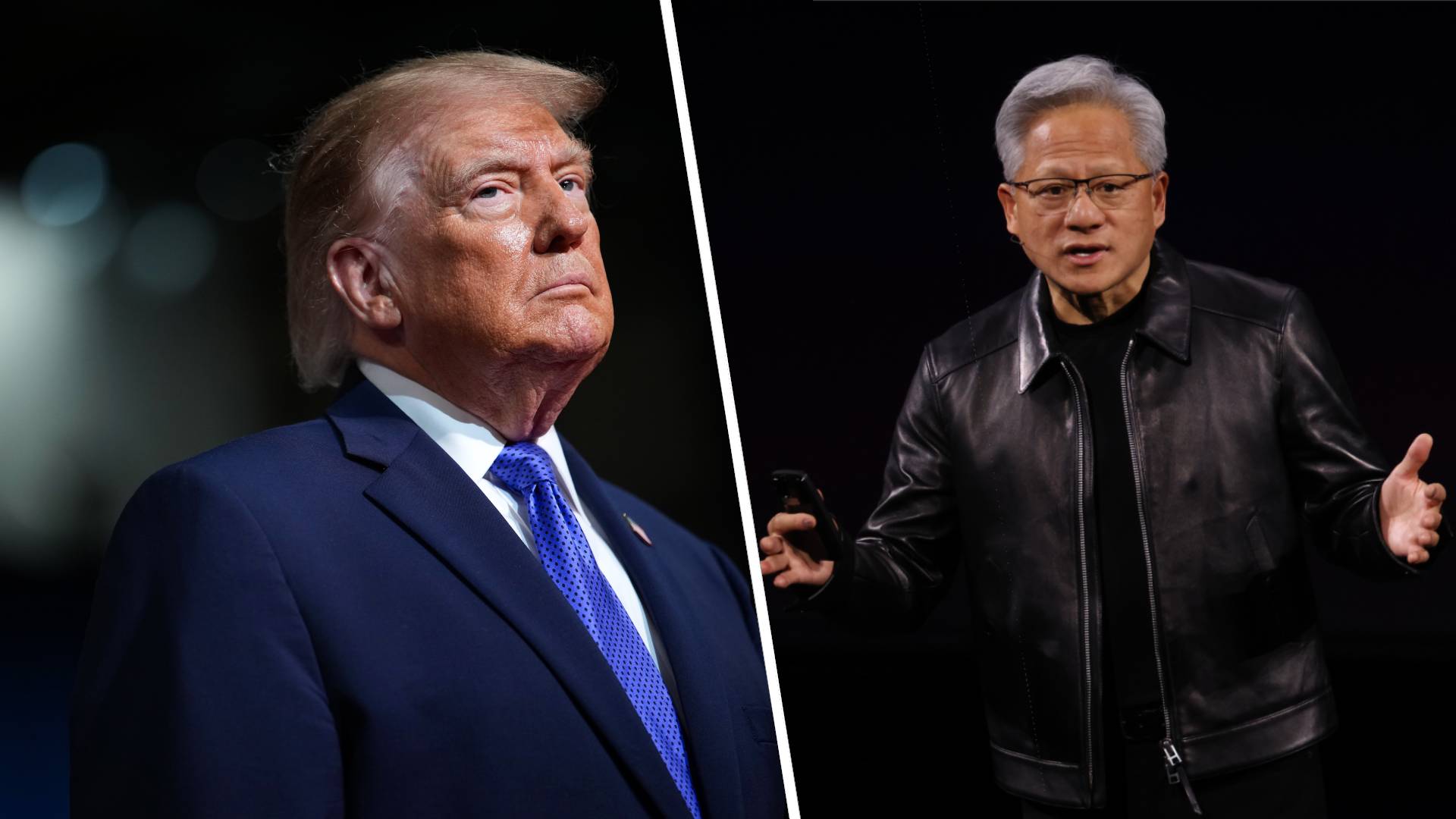
In an extraordinary convergence of corporate governance, geopolitics, and executive misconduct, Jensen Huang has been officially reinstated as the President, Chief Executive Officer, and board member of Nvidia. The decision, announced unanimously by Nvidia’s board of directors on Monday, comes barely two weeks after Huang’s abrupt resignation sent shockwaves through global financial markets and the technology sector.
The reversal follows high-level intervention from the United States government, with U.S. President Donald Trump publicly taking credit for brokering the deal. Speaking to CNBC, Trump asserted that he personally "convinced" the Nvidia board to welcome back the long-serving chief executive. While the news triggered an immediate and dramatic market response—propelling Nvidia shares up by 31.48% during Monday’s trading session—it has simultaneously ignited a fierce bipartisan firestorm in Washington.
Lawmakers from both sides of the aisle have raised urgent questions regarding national security, executive accountability, and potential conflicts of interest. The controversy is centered around the circumstances of Huang’s initial departure: a series of extramarital relationships, most notably with Alice Huang (no relation), a former controller of the Singapore-based tech firm Megaspeed International who has faced U.S. national security scrutiny over sensitive artificial intelligence chip exports to China.
With Nvidia’s market dominance serving as a cornerstone of the global AI boom, the executive’s rapid reinstatement under White House pressure has transformed a corporate scandal into a major constitutional and regulatory flashpoint. Huang is now scheduled to face intense congressional scrutiny, appearing before the U.S. Senate on Thursday, December 3, to address lawmakers regarding export controls, corporate governance, and national security vulnerabilities.
Detailed Chronology of the Crisis
The sequence of events leading to Jensen Huang’s reinstatement represents one of the most volatile fortnights in corporate history. The timeline highlights how quickly a tech titan can tumble from grace, only to be resurrected through external political maneuvers.
Phase 1: The Initial Resignation
Roughly two weeks prior to his reinstatement, Nvidia was rocked by internal disclosures that prompted Huang to tender his immediate resignation. Investigations revealed that Huang had engaged in multiple extramarital affairs, including relationships with subordinate employees.
Compounding the ethical breach was a relationship with Alice Huang, a prominent figure linked to Megaspeed International. Given Megaspeed’s history with Singaporean trade authorities and the ongoing sensitivity surrounding illicit or restricted AI semiconductor shipments to China, federal security agencies flagged the association as a potential vulnerability. Faced with these revelations and an internal assessment that his conduct lacked "candor," Huang stepped down as president, CEO, and board member.
Phase 2: The Board’s Initial Resistance
In the immediate aftermath of the resignation, the technology sector reeled. Silicon Valley executives and major institutional investors privately and publicly lobbied for Huang’s swift return, arguing that his vision and leadership were indispensable to Nvidia’s unprecedented market valuation and technological roadmap.
Despite mounting external pressure, Nvidia’s board of directors adopted a hardline stance. Last week, the board issued a definitive statement declaring that it would not reinstate Huang, signaling an intent to separate the company’s long-term institutional integrity from its charismatic founder.
Phase 3: White House Intervention and the Reversal
The corporate firewall crumbled over the weekend following direct communication from high-ranking figures within the federal government. According to statements from both the administration and corporate insiders, the White House applied decisive pressure on the board to reconsider its stance, prioritizing strategic economic stability and AI leadership over internal compliance metrics.
On Monday, the board capitulated, announcing that it had voted unanimously to bring Huang back to the helm after receiving "input from senior levels of the United States government." President Trump swiftly claimed victory in an interview with CNBC, declaring, "I made the deal." Amplifying the unorthodox nature of the political-corporate entangling, Trump posted an AI-generated image to Truth Social depicting a bruised Huang triumphantly raising a bloodied red bra—an illustrative nod to the unconventional circumstances of his ouster and return.
Supporting Context & Metrics: Market Reactions and Geopolitical Stakes
The financial implications of Huang’s departure and subsequent return underscore Nvidia’s status as a linchpin of the modern global economy. As the primary designer of the advanced graphics processing units (GPUs) powering the generative AI revolution, any disruption at the top of the corporate hierarchy sends immediate tremors through international markets.
Financial Shockwaves
When Huang first resigned, Nvidia shares experienced a sharp, defensive correction as investors weighed the loss of a foundational visionary against regulatory uncertainties. However, the market’s sentiment reversed overnight upon news of his return.
Stock Surge: Nvidia shares skyrocketed by 31.48% during Monday’s trading session, marking one of the largest single-day market cap recoveries for a mega-cap technology firm in history.
Investor Sentiment: While institutional shareholders cheered the return of the executive who built the company into a multi-trillion-dollar juggernaut, risk-assessment analysts warned that the company’s dependency on a single leader—and its entanglement with federal authorities—introduces systemic volatility.
The Geopolitical Dimension
The core of the security concern lies in the intersection of advanced semiconductors and U.S.–China trade policies. High-end AI chips are subject to stringent U.S. export controls designed to prevent foreign adversaries from acquiring the computational infrastructure necessary to train advanced military and surveillance artificial intelligence.
The involvement of Alice Huang and Megaspeed International brought federal oversight agencies, including the Department of Commerce and national security apparatuses, into the fold. Critics argue that an executive compromised by personal associations with figures tied to restricted foreign entities poses an unacceptable risk of industrial espionage or regulatory extortion.
Official Statements and Bipartisan Congressional Backlash
The unusual degree of executive branch involvement in a private corporation’s internal governance has provoked immediate and fierce bipartisan condemnation from Capitol Hill. Lawmakers are demanding transparency regarding the nature of the communications between the White House and Nvidia’s board.
Democratic Concerns Over Corruption and Oversight
House Democrats have framed the administration’s intervention as a dangerous overreach that blurs the lines between public office and private commercial interests.
"President Trump’s direct involvement with Nvidia’s decision to reinstate CEO Jensen Huang raises serious national security and corruption questions. We must investigate these actions," stated California Democratic Congressman Robert Garcia in an official release from the House Oversight Committee. "No president who has invested in a private company should be involved in their board decisions. Congress must come together in swift bipartisan action and demand answers immediately."
Republican Alarm Over National Security
Conservative lawmakers expressed equal, if not greater, alarm regarding the potential counterintelligence risks associated with Huang’s personal conduct and foreign connections.
"Jensen Huang had multiple affairs including with subordinates and an alleged Chinese spy. His own board described his behavior as lacking ‘candor,’" noted Republican Senator Pete Ricketts of Nebraska. "I’ve served on a public company board. His behavior does not support reinstatement."
Echoing these sentiments, North Dakota Republican Senator Kevin Cramer emphasized the long-term strategic dangers to American technological superiority:
"The risk of extortion by a Chinese asset who’s been banned by Singapore is risk enough to not rehire Huang," Cramer said. "The worst part of this is what we may never know. Congress should immediately pass the strictest export controls possible. I hope it’s not too late."
Future Outlook: The Road Ahead for Nvidia and Washington
As Jensen Huang steps back into his role, the shadow of the crisis looms large over both his leadership and Nvidia’s regulatory standing. The immediate test of this renewed tenure will take place far from Silicon Valley server rooms, inside the halls of the United States Senate.
The Upcoming Senate Hearings
Huang is officially scheduled to testify before the U.S. Senate on Thursday, December 3. The hearing, ostensibly focused on protecting America’s AI advantage and the oversight of export controls, is expected to transform into a rigorous cross-examination regarding:
The precise nature of the communications between the White House and Nvidia’s board members.
The security protocols Nvidia plans to implement to isolate its intellectual property from foreign compromise.
The ethical framework governing executive conduct within systemically important technology monopolies.
Regulatory and Legislative Aftermath
The fallout from this episode is likely to accelerate legislative efforts to tighten rules on corporate governance within critical infrastructure industries. Lawmakers are already drafting proposals that could restrict executive branch officials from directly intervening in private corporate personnel decisions, while simultaneously pushing for stricter export control compliance mechanisms.
For Nvidia, the path forward requires navigating a delicate balancing act. While the market has overwhelmingly endorsed Huang’s return through soaring share prices, the company must now prove to regulators, international partners, and a skeptical Congress that its operational integrity remains uncompromised. As the global race for artificial intelligence supremacy intensifies, the events of this month have permanently altered the relationship between Big Tech and the federal government.