The long-anticipated global release of Grand Theft Auto VI marks a monumental watershed moment for the interactive entertainment industry, arriving thirteen years after its predecessor—an absolute epoch within the fast-paced landscape of modern gaming. Developed by Rockstar Games, the title has immediately shattered sales records and dominated cultural discourse with its signature blend of high-octane heists, cutting-edge cinematic storytelling, nuanced character dynamics, and its satirical, hyper-realistic rendering of contemporary Florida (reimagined within the game as the state of Leonida).
Yet, beneath the surface of high-stakes crime sprees, vehicular theft, and a surprisingly deep romantic narrative lies an unexpected cultural phenomenon: a thriving digital ecosystem that has captured the imagination of biologists, environmental scientists, and outdoor enthusiasts worldwide.
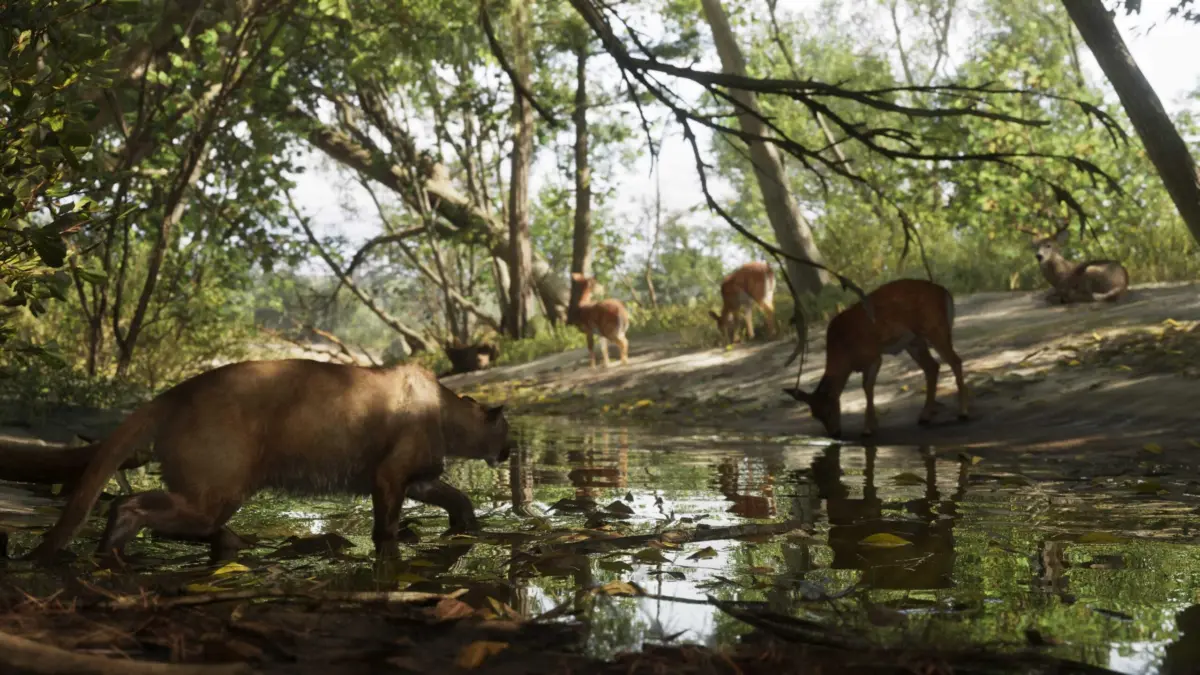
Rather than fixating solely on the criminal underworld, a significant segment of the player base and community commentators have turned their attention toward the game’s meticulously crafted natural environments. Featuring more than 170 distinct animal species—including alligators, manatees, iguanas, pelicans, and frogs—the title offers an astonishingly detailed simulation of southeastern biodiversity. Among these, players can track 62 specific species of birds using in-game binoculars and record their sightings in a dedicated digital logbook.
This unexpected intersection of AAA blockbuster gaming and wildlife observation has sparked viral discussions across social media platforms, Reddit communities, and major critical reviews. For biodiversity experts and professional conservationists, Grand Theft Auto VI represents a fascinating, unprecedented bridge between virtual exploration and real-world ecological appreciation, proving that even the most notorious crime simulators can double as virtual nature reserves.
Detailed Chronology: From the Everglades to Vice City
To understand the scope of the game’s environmental design, one must trace the developmental trajectory and marketing rollout that preceded its launch. For over a decade, fans speculated wildly about the geographical scale and technical ambitions of Rockstar’s next major release.
The Marketing Campaign and Natural Reveals
- September 2026: Rockstar Games releases a comprehensive feature through Game Informer detailing the geography of Leonida, highlighting the studio’s ambition to faithfully represent a diverse array of biomes. Vice City serves as the urban core, but the surrounding landscape expands dramatically into rural environments, oceanic and inland aquatic zones, and perilous wetland ecosystems modeled after the Florida Everglades and the Florida Keys.
- The Second Trailer Debut: Prior to launch, Rockstar releases its second official trailer, steering away from pure criminal chaos to showcase cinematic sweeps of pelicans gliding across twilight skies and emerald-scaled iguanas basking on sun-drenched asphalt. This deliberate framing signals a shift toward unprecedented ecological immersion.
- Launch Day (Late 2026): Grand Theft Auto VI officially hits shelves globally. Millions of players dive into the digital recreation of Leonida, instantly uncovering deep mechanics dedicated to tracking, documenting, and observing the state’s sprawling fauna.
Rather than funneling players strictly through urban corridor shootouts, the game design encourages open-world meandering. Players begin their journeys in the fictionalized Keys before pushing deep into national park analogues, encountering meticulously rendered marshlands that mirror one of North America’s most dynamic and fragile ecosystems.
Supporting Context & Metrics: The Ecology of Leonida
The real-world Florida ecosystem is recognized globally as a biological powerhouse, housing more than 700 terrestrial animal species, thousands of marine and freshwater fish varieties, and over 500 species of migratory and resident birds, according to data from the Florida Fish and Wildlife Conservation Commission and the National Audubon Society. Translating this staggering biodiversity into a responsive, real-time video game engine required technical feats that surpass even Rockstar’s previous masterwork, Red Dead Redemption 2.
Technical Innovations in Virtual Fauna
Rockstar’s technical and art departments pushed hardware limitations to new heights for Grand Theft Auto VI, introducing advanced rendering techniques specifically designed to elevate the realism of wildlife:

- Advanced Material Rendering: The game introduces hyper-realistic feather types, multi-layered fur physics, and intricate hair rendering that reacts dynamically to environmental conditions such as rain, wind, and humidity.
- Bioluminescence: Coastal and swamp biomes feature reactive biological lighting effects, simulating natural phenomena found in southern marine and terrestrial habitats.
- Behavioral AI: Animals interact with one another and the player’s presence dynamically, engaging in foraging, flocking, and predatory behaviors that mimic real-world ethology.
The Rise of Virtual Birdwatching
The inclusion of 62 distinct bird species has transformed how players approach open-world exploration. Armed with in-game binoculars, players can scan the canopy, wetlands, and coastlines to identify avian life, compiling entries into an integrated biological logbook.
This mechanic has struck a profound chord within digital communities. Viral Reddit threads within birding and gaming subreddits feature users proudly proclaiming that traditional crime missions take a backseat to completing their ornithological checklists. Critical reception has echoed this sentiment; a viral comment on The New York Times review of the game encapsulated the cross-demographic appeal: "My roommate gets to play the actual game. I get to find all 60-plus species of birds. Truly a game for everyone."
Official Statements and Expert Perspectives
The unexpected marriage of high-end criminal satire and peaceful conservation mechanics has drawn commentary from corporate developers and academic ecologists alike.
Industry Insights
Michael Kane, Rockstar’s Vice President of Dynamic Art, outlined the studio’s environmental philosophy in a pre-launch profile with Game Informer:
"Florida has a diverse animal ecosystem that we wanted to faithfully include across all the different biomes in Leonida—urban and rural environs, aquatic life both inland and ocean, and the wetland habitats like the swamps and Everglades."
The intent was not merely to populate a backdrop with moving set-pieces, but to construct a living, breathing simulated environment where urban chaos collides with untamed wilderness.
Academic and Scientific Reception
While many veteran environmental scientists maintain a healthy distance from interactive entertainment, the pedagogical potential of such detailed digital ecosystems is difficult to ignore.
Dr. Ethan Linck, an assistant professor in the Department of Ecology at Montana State University who does not identify as an active gamer, points out the deep historical roots connecting human art forms to the natural world:

"We’ve been painting birds on the walls of caves and writing songs about them for millennia, and it makes total sense to me that this sort of wonder that we get from birds would find an expression in the very contemporary form of art that is a video game. I could totally see someone who might not have any background in natural history or birdwatching get into this fun diversion in the game and then discover that they can basically do the exact same thing in real life using apps like eBird and iNaturalist. It’s no longer an old-person hobby."
This perspective reframes blockbuster entertainment as a gateway drug to scientific literacy. By gamifying the quiet patience of observation—binocular scoping, cataloging, and species identification—developers are inadvertently training a new demographic to appreciate ecological nuance.
Future Outlook: Beyond the Crime Spree
As millions of players settle into the sprawling expanses of Leonida, the cultural footprint of Grand Theft Auto VI extends far beyond traditional metrics of financial success and controversy. It has proven that massive budgets and cutting-edge processing power can be utilized not just to simulate violence or hyper-urban congestion, but to craft profound digital homages to the natural world.
While the game certainly accommodates players who wish to engage in traditional gameplay loops—including the hunting of select wildlife species—it consciously rejects a singular narrative path. A player can spend dozens of hours orchestrating elaborate heists, or they can equip virtual binoculars, paddle a canoe through the digital Everglades, and log the subtle plumage of a migratory wading bird at sunset.
Implications for Future Game Design
The success of Leonida’s ecological sandbox signals a potential paradigm shift for open-world game development. As environmental awareness grows among younger generations, AAA studios are likely to recognize that deep, respectful representations of nature serve as powerful engagement tools.
Ultimately, Grand Theft Auto VI achieves something paradoxical. By inviting players into a hyper-exaggerated playground of human excess and criminal enterprise, it simultaneously offers an open door back to the earth. Whether this digital exposure translates to tangible real-world conservation efforts or simply inspires a new generation to put down the controller, step outside, and "touch grass," the game has permanently altered the conversation surrounding virtual ecology.
For now, legions of digital naturalists are adjusting their focus lenses, scanning the digital marshes of Leonida, and proving that beneath the veneer of modern crime fiction, a profound appreciation for the wild remains universal.