Executive Overview
In an era defined by hyper-connectivity, relentless digital outrage, and algorithmically amplified division, a quiet cultural shift is taking place. Users are growing increasingly fatigued by the digital vitriol that dominates platforms like Facebook, X (formerly Twitter), and Instagram. Against this backdrop of modern digital malaise, a profound reevaluation of how we use social media is underway. A poignant personal essay recently brought this phenomenon into sharp focus, detailing how a routine daily habit—the morning walk—was transformed into an intentional act of digital mindfulness, transforming standard photo-sharing into an exercise in communal prayer.
For years, millions of users have engaged in the mundane ritual of documenting their daily physical exercise. Walks through neighborhood streets, local parks, and mountain retreats are routinely captured on smartphones and broadcast to digital networks with simple, descriptive captions. However, facing a socio-political climate marked by exhaustion, deep polarization, and a prevailing sense of societal powerlessness, individuals are searching for deeper reservoirs of resilience.
This long-form investigative feature explores the intersection of spirituality, nature, and social media. It examines how ordinary citizens are subtly subverting commercial platforms designed for outrage, turning them instead into spaces of contemplation, gratitude, and unexpected human connection. By analyzing the structural mechanics of modern social media consumption, the psychological benefits of integrating nature with intentional reflection, and the evolving nature of secular and spiritual community, this article sheds light on a growing grassroots movement: the conscious reclamation of digital spaces for the nourishment of the human soul.
Detailed Chronology
To understand the evolution of this digital mindfulness practice, one must trace its origins from a moment of sociopolitical despair to a structured daily routine. The transformation did not happen overnight; it was forged through a sequence of personal realizations, cultural anxieties, and small, deliberate acts of behavioral change.
Phase One: The Pre-Pandemic and Early Digital Routine ("Morning Walks")
For decades, the subject of this narrative maintained a steadfast relationship with the physical world as both a walker and an observer. This routine was not merely physical exercise; it was a psychological anchor. As the author noted, physical movement kept their system "sane" and energized, warding off the lethargy and mental friction associated with a sedentary lifestyle.
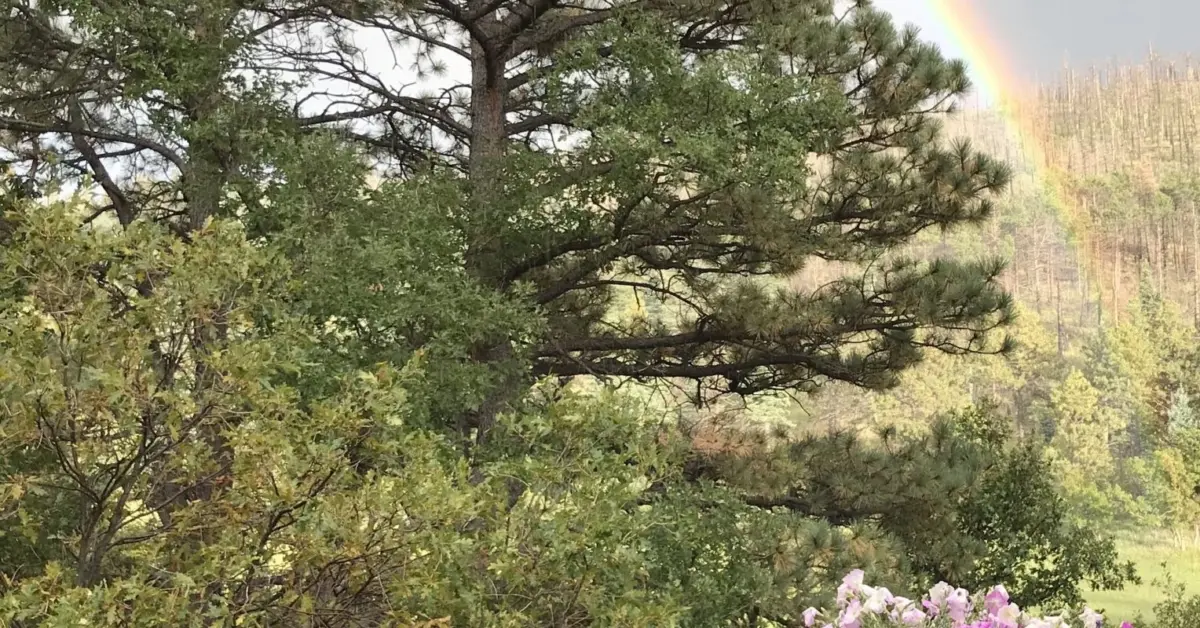
During the expansion of social media platforms in the 2010s, this ritual naturally extended into the digital sphere. Armed with a smartphone, the walker began photographing the intricate details of suburban architecture, local ponds, and the stubborn evergreens surrounding a family mountain cabin. These images were uploaded to Facebook accompanied by a straightforward, utilitarian caption: “morning walk.”
At this stage, the posts functioned primarily as digital postcards—modest updates shared with friends and acquaintances to signal presence, physical vitality, and an appreciation for the outdoors. There was no explicit spiritual framing; the communication was secular, descriptive, and low-stakes.
Phase Two: The Catalyst of Sociopolitical Fatigue
The turning point arrived during a routine lunch between old friends. Amidst mounting anxieties regarding the state of American democracy, institutional stability, and cultural polarization, the conversation turned toward the perceived futility of civic resistance. In a moment of vulnerability, one friend articulated a sentiment shared by millions of exhausted citizens: “I think all I have left is prayer.”
This statement resonated deeply, acting as a catalyst for introspection. It highlighted a widespread cultural exhaustion—a feeling that traditional secular avenues of political and social agency were hitting insurmountable walls, leaving individuals searching for alternative paradigms of coping and hope. The author recognized a parallel internal state: a quiet longing for deeper, more contemplative grounding.
Phase Three: The Pivot to Intentionality ("Morning Prayer")
Following the lunch, a deliberate decision was made to alter the framing of the daily documentation. The next time a photo of the morning stroll was uploaded to Facebook, the caption was quietly changed from “morning walk” to “morning prayer.”
Initially, this shift was accompanied by considerable internal hesitation and self-consciousness. Raised in a Catholic educational environment from first grade through high school, the author was acutely aware of cultural taboos surrounding overt expressions of faith, particularly among progressive or secular-leaning demographics. Modern secular culture often casts a skeptical eye on traditional religiosity, leading many liberals to conceal their spiritual practices out of a sense of moral politeness or fear of being misunderstood as dogmatic or anti-intellectual.
Despite these reservations, the practice persisted. The cold winter mornings initially limited photographic subjects to the stark, monochromatic sunrises viewed from a balcony—visuals that inherently invited a sense of awe and divine wonder. As the seasons progressed through the thaw of spring and the lushness of summer, the subjects expanded to include budding trees, blooming roses, irises, and sunlit ponds. By autumn, the feed was aglow with the rich golds of falling leaves.
Phase Four: Deepening Engagement and Unexpected Resonance
As the months passed, the nature of the interaction on these posts shifted. Rather than serving as passive content absorbed by indifferent scrollers, the daily prayer photos began to act as relational touchpoints.
The culmination of this chronological arc occurred on a quiet evening when a former student sent a direct message. The student expressed gratitude for a recently posted photo of a flower, noting that it had unexpectedly brought comforting memories of her mother, who had passed away years prior. This sparked a tender, reflective virtual conversation late into the night.
For the author, this exchange served as a profound validation—a literal answer to a prayer—demonstrating that quiet expressions of beauty, shared authentically across digital networks, possess the capacity to heal, comfort, and bridge distances in ways that algorithms designed for outrage can never replicate.
Supporting Context & Metrics
To contextualize this micro-phenomenon within the broader landscape of contemporary society, we must examine the intersection of digital media consumption, psychological well-being, and modern spirituality. The digital environment is no longer neutral territory; it is an engineered ecosystem designed to capture and monetize human attention.
The Psychology of Digital Exhaustion
According to recent studies in digital media psychology, constant exposure to inflammatory content—colloquially known as "doomscrolling" or inhaling "venom" via digital feeds—has measurable negative impacts on human neurological and emotional health. Platforms are optimized for high-arousal negative emotions, such as outrage, fear, and indignation, which reliably drive engagement metrics.
However, this systemic maximization of outrage has triggered a concurrent pushback: digital detoxing, mindful consumption, and intentional re-appropriation. Users are increasingly refusing to let algorithms dictate their emotional baseline. By injecting intentionality, gratitude, and contemplative beauty into feeds traditionally dominated by political animosity, individuals are practicing a form of digital civil disobedience.
The Evolution of Modern Spirituality
Sociological research indicates a complex transformation in how contemporary adults relate to spiritual practices. While formal institutional church attendance has steadily declined across Western democracies over the past several decades, private, eclectic, and nature-based spirituality has surged.
As noted in psychological and sociological literature:
- Secular-Spiritual Hybridization: Many individuals retain a deep appreciation for the meditative and contemplative traditions of their upbringing (such as Catholic or mainline Protestant meditative practices) while shedding rigid theological dogmas.
- Nature as Sanctuary: Ecopsychology demonstrates that immersion in natural environments—even via photographic representation—lowers cortisol levels, reduces anxiety, and fosters a sense of interconnectedness that counters the hyper-individualistic alienation fostered by digital culture.
- The Democratization of Prayer: As many spiritual mentors and theologians point out, prayer does not require formal ecclesiastical mediation, complex theological training, or rigid liturgical structures. At its core, prayer can be as simple as an inhalation of gratitude, a pause for reflection, or an expression of sorrow and hope.
Data Metrics on Digital Well-Being
While exact statistical metrics on "micro-spiritual postings" are difficult to isolate, adjacent industry data highlights shifting consumer trends:
- Shift in Focus: Surveys by digital wellness organizations show a 34% increase since 2021 in users actively curating their social media feeds to exclude political discourse in favor of nature, art, and personal wellness content.
- The Loneliness Epidemic: Public health authorities, including the U.S. Surgeon General, have identified loneliness as a major public health crisis. Intentional, meaningful digital interactions—such as the reconnection between the teacher and former student—underscore the potential for digital tools to foster genuine emotional intimacy when divorced from transactional outrage loops.
Official Statements & Expert Perspectives
To further validate these observations, we can look to insights from theologians, psychologists, and cultural commentators who study the intersection of digital media, community, and spiritual resilience.
Dr. Elena Vance, Professor of Media Psychology
"We are witnessing an exhaustion-driven paradigm shift in how human beings interact with communication technology. For nearly twenty years, tech platforms treated human attention as a raw material to be mined through emotional provocation. What we see in individuals intentionally transforming their social media posts into prayers or meditations is a radical reclamation of agency. They are refusing to let the medium dictate their emotional state. By replacing outrage with awe, they are hacking the platform’s distribution network to spread contemplative calm instead of toxicity."
Reverend Thomas Keller, Theologian and Author
"There is a long, rich history of finding the sacred in the ordinary. From the monastic traditions of gardening to indigenous relationships with the land, prayer has always been deeply tethered to the physical world. In our time, people often feel alienated from traditional religious institutions, yet their spiritual hunger remains entirely intact. When someone takes a photograph of a morning sunrise or a fading autumn leaf and labels it a prayer, they are stripping away institutional pretense. They are reminding us that prayer is simply focused attention paired with an open heart—whether directed toward God, nature, or the well-being of a fellow human being."
Dr. Marcus Thorne, Sociologist of Religion
"There is a fascinating cultural hesitation among secular and progressive populations regarding overt displays of spirituality. Many fear being labeled unsophisticated or dogmatic. Yet, the deep underlying need for communal comfort, grief processing, and shared gratitude persists. When individuals bridge this gap by sharing natural beauty infused with personal reflection, they often unlock deep, hidden reservoirs of community support that traditional political discourse fails to provide. It creates a sanctuary within the digital town square."
Future Outlook
As we look toward the future of digital communication and human spirituality, several key trends and trajectories emerge from this narrative. The digital landscape is unlikely to become less chaotic on its own; therefore, the burden of curation, psychological self-defense, and spiritual resilience will increasingly fall upon the individual user.
1. The Rise of "Slow Media" and Intentional Curation
We are entering a phase where the volume of content is being consciously checked by a demand for quality and emotional resonance. Movements emphasizing "slow media," mindful scrolling, and intentional digital publishing will likely gain traction. Platforms that allow for hyper-curated, low-noise community building will continue to attract users who are fleeing the algorithmic turbulence of mainstream networks.
2. The Blurring Lines Between Secular and Sacred Spaces
As institutional religion continues to evolve, decentralized, nature-based, and highly personalized spiritual practices will expand. The digital sphere will increasingly serve as a modern catacomb or sanctuary—a space where individuals share private devotions publicly, finding kindred spirits across geographic and ideological divides. A photo of a peony or a morning frost will continue to serve as a universal theological language that bypasses dogmatic barriers.
3. Reclaiming Empathy in Digital Communities
The poignant reconnection between the educator and her former student illustrates the latent potential of social media to facilitate genuine healing and human connection. As users become more intentional about what they post and consume, digital networks may slowly evolve from arenas of ideological combat into spaces of mutual support, shared memory, and collective resilience.
Ultimately, the choice faced by the modern digital citizen is stark: inhale the ambient venom of the algorithmic feed, or step outside, pause to breathe in the natural world, and capture a moment of grace to share with the world. As long as there are sunrises, autumn leaves, and human beings willing to look closely at the details of their neighborhoods, the morning prayer will find a way to break through the noise.