Executive Overview
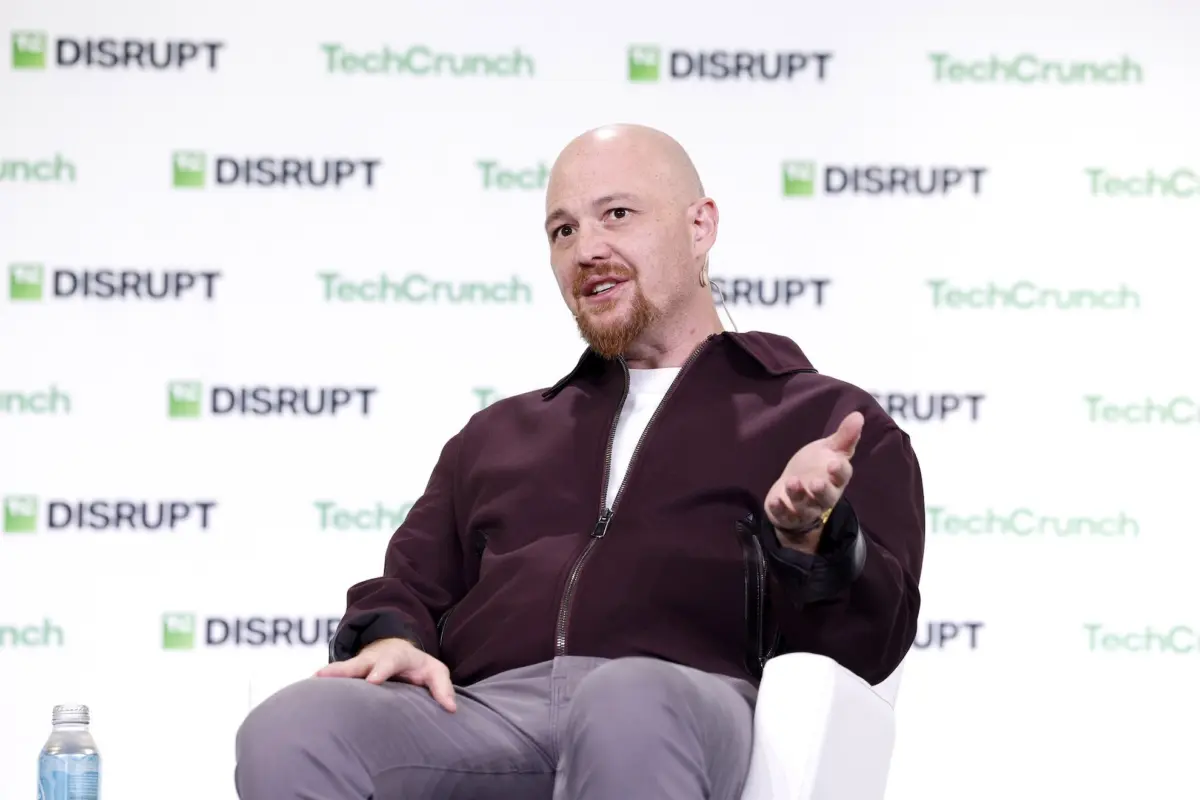
In a dramatic revelation that sent shockwaves through the developer ecosystem, Amjad Masad, Chief Executive Officer and co-founder of the cloud development platform Replit, announced onstage at TechCrunch Disrupt that his company has ceased its operational partnership with AI safety and research pioneer Anthropic. Speaking to a room filled with founders, enterprise executives, and venture capitalists, Masad attributed the high-profile split to a convergence of factors including escalating API costs, strategic alignment, and clear model performance divergence. He declared that OpenAI’s underlying models—specifically ChatGPT’s recent architectural iterations—have pulled ahead as the premier engines for autonomous software development.
However, the high-stakes narrative took an immediate investigative turn. Industry insiders close to the relationship quickly contested Masad’s onstage assertions, alleging off-the-record that the commercial and technological integration between Replit and Anthropic remains legally active. Furthermore, public technical logs, engineering blog posts, and executive social media activity from as recently as late September indicate that Anthropic’s flagship models—including Claude Fable 5, Claude Fable 5.1, and Claude Opus 5.5—were actively driving key features within the Replit Agent framework.
This unexpected friction underscores the volatile, highly fluid nature of the modern enterprise AI supply chain. As Replit shifts from a beloved consumer coding sandbox into a enterprise-grade B2B platform—where enterprise contracts have leaped from a negligible 2% of total revenue last year to 15% today, and overall B2B transactions now account for over 50% of top-line revenue—the stakes surrounding model performance, unit economics, and infrastructure stability could not be higher.
Detailed Chronology
The Foundation: The Growth Era on Claude Infrastructure
To understand the significance of Replit’s strategic shift, one must analyze the symbiotic relationship built between Replit and Anthropic over the past two years. Replit built its signature browser-based Integrated Development Environment (IDE) into an AI-native workspace by embedding state-of-the-art Large Language Models (LLMs) directly into the developer workflow.
Anthropic’s Claude family of models served as the core engine powering Replit’s code generation, debugging, and multi-file project creation capabilities. This partnership was widely cited as a massive commercial win for both parties, reportedly helping Replit scale its recurring revenue ten-fold as developers praised Claude’s nuanced understanding of complex code bases and long-context reasoning.
Replit's AI Model Strategy Timeline
├── Early Era       : Deep integration with Anthropic Claude models (10x revenue growth)
├── August          : Strategic partnership announced with OpenAI
├── Late September  : Technical docs & blog posts highlight Claude Fable 5 & Opus 5.5
└── TechCrunch Event: CEO Amjad Masad announces severance of Anthropic alliance
The Pivot: The OpenAI Strategic Alliance
The first structural shift occurred in August, when Replit formally announced a major strategic partnership with OpenAI. At the time, the announcement was framed as a model-agnostic expansion designed to offer developers greater choice within the Replit Agent framework. Industry analysts assumed Replit was adopting a multi-model strategy, balancing OpenAI’s reasoning capabilities with Anthropic’s long-context logic engines. There was little public indication that the OpenAI alliance signaled an absolute termination of the company’s foundational relationship with Anthropic.
The Footprints: Recurrent Deployments in September
Despite Masad’s declaration that Replit is no longer working with Anthropic, technical artifacts left across Replit’s documentation suggest a far more nuanced transition:
- Late September Infrastructure Updates: Official Replit engineering blog posts cited Anthropic’s Claude Fable 5 and Claude Fable 5.1 as active production models running within the Replit Agent backend environment.
- Developer Advocacy: Around the same period, key Replit product leaders publicly touted the deployment of Anthropic’s flagship Claude Opus 5.5 on social media platforms such as X (formerly Twitter), encouraging power users to leverage its capabilities for intricate refactoring tasks.
- Documentation Visibility: The company’s public model selector documentation continued to index Anthropic endpoints as valid runtime selections for subscribers.
The Disclosure: Onstage Disruption
The situation culminated during Masad’s appearance at TechCrunch Disrupt. When pressed on Replit’s model architecture strategy, Masad explicitly stated that the company was no longer working with Anthropic. Citing rigorous internal benchmarking tools alongside public metrics, Masad argued that OpenAI’s models had fundamentally eclipsed Anthropic in raw execution efficiency, particularly in generating complete, production-ready applications from scratch via broad natural-language prompts—a design paradigm known in developer circles as "vibe coding."
Supporting Context & Metrics
Benchmarking the Split: Performance, Cost, and "Vibe-Coding"
At the core of Masad’s explanation lies an uncompromising quantitative assessment. Replit evaluates LLMs using both open public benchmarks and proprietary evaluation frameworks named Sol and Astra.
According to Masad, these internal test suites evaluate a model’s holistic capacity to function as an autonomous software agent: interpreting ambiguous requirements, generating modular front-end and back-end code, configuring dependencies, running terminal commands, and dynamically self-correcting syntax errors.
                  REPLIT EVALUATION MATRIX (Sol & Astra Benchmarks)
┌───────────────────────────┬───────────────────────────────┬───────────────────────────────┐
│ Evaluation Metric         │ OpenAI (ChatGPT/GPT-4 Architecture)│ Anthropic (Claude Family)    │
├───────────────────────────┼───────────────────────────────┼───────────────────────────────┤
│ "Vibe-Coding" Execution   │ Superior complex context build│ Slower dynamic self-healing   │
│ Unit Economics / API Cost │ High margin sustainability    │ Higher operational cost ratio │
│ Multi-File Orchestration  │ Precise agentic tool-use      │ Strong syntax, lower throughput│
│ Partnership Alignment     │ Deep infrastructure support   │ Strained enterprise synergy   │
└───────────────────────────┴───────────────────────────────┴───────────────────────────────┘
"I think ChatGPT is better now," Masad stated plainly during the onstage interview. "We publish a public benchmark as well, and consistently, Sol and Astra perform better on building vibe-coded applications from scratch. It was a decision based on both cost, partnership, and performance. And for all these reasons, we just felt like [OpenAI] was a better partner for now."
For a platform like Replit, which handles millions of daily automated code builds, even fractional differences in token pricing or response latency stack up exponentially. If an LLM requires three iteration loops to fix a broken package dependency instead of one, Replit incurs triple the operational computing costs on the backend—threatening margins on its user subscriptions.
Business Transformation: The B2B Enterprise Engine
Replit’s model reassessment directly coincides with a broader monetization transformation. Once viewed primarily as a hobbyist playground for student developers and early-stage startup founders, Replit has aggressively pivoted toward mid-market and enterprise enterprise software sales.
              REPLIT REVENUE STREAM SHIFT

   PREVIOUS YEAR                        CURRENT YEAR
  ┌──────────────┐                     ┌──────────────┐
  │ Enterprise 2%│                     │ Enterprise 15│
  ├──────────────┴──────────────┐      ├──────────────┴──────────────┐
  │ Consumer / Individual 98%   │      │ Consumer / Individual 35%   │
  └─────────────────────────────┘      ├─────────────────────────────┤
                                       │ B2B Total: >50%             │
                                       └─────────────────────────────┘
While Masad declined to disclose absolute Annual Recurring Revenue (ARR) figures, he offered specific percentage breakdowns highlighting this enterprise evolution:
- Enterprise Revenue Growth: Enterprise accounts accounted for just 2% of total revenue last year. Today, enterprise contracts constitute 15% of revenue.
- B2B Market Penetration: Total business-to-business revenue—encompassing enterprise contracts, team subscriptions, and organizational seats—now represents more than 50% of Replit’s total revenue stream.
This strategic shift into corporate IT environments shifts Replit’s priority list. Enterprise clients demand strict uptime guarantees, predictable usage costs, stringent data governance, and rapid dynamic task completion—pressures that leave no room for underperforming or cost-inefficient LLM providers.
Official Statements & Conflicting Narratives
Amjad Masad’s Onstage Assertions
Throughout his session at TechCrunch Disrupt, Masad maintained an explicit posture regarding the necessity of selecting winning technology partners based on strict, objective utility rather than sentimentality.
"In the same way that us humans need a certain environment to work—you need a nice office, maybe good food in the office, air-conditioning, computer—agents need a habitat for them to exist and do good work. So that habitat has good orchestration, good error recovery, good safety and security and sandboxing, good networking, good identity and authorization. And once you figure all of that out, then you can deploy AI safely."
— Amjad Masad, CEO and Co-Founder, Replit
Masad underscored that constructing this "AI habitat" requires seamless technical synergy between the cloud sandboxing environment and the LLM engine powering the autonomous agent. In his view, OpenAI’s infrastructure align far better with Replit’s agentic sandboxing requirements.
The Insider Pushback & Public Contradictions
Following Masad’s live remarks, the narrative grew significantly more complex. Sources close to the relationship between Anthropic and Replit pushed back vigorously against the claim that the commercial ties were severed.
Speaking on the condition of anonymity, an insider familiar with the matter asserted that the formal contract between Replit and Anthropic remains active and intact. This creates a striking disconnect between executive commentary delivered at public industry events and the contractual reality reported by insiders:
┌─────────────────────────────────────────────────────────────────────────────────┐
│                            THE DISCONNECT AT A GLANCE                           │
├────────────────────────────────────────┬────────────────────────────────────────┤
│ Replit Executive Position (Onstage)    │ Industry Insider Claims & Data Logs    │
├────────────────────────────────────────┼────────────────────────────────────────┤
│ • Formal termination of partnership    │ • Master partnership remains active    │
│ • Complete pivot to OpenAI/ChatGPT     │ • Claude models visible in active code │
│ • Cites superior benchmark economics   │ • Claude Fable/Opus promoted in Sept   │
└────────────────────────────────────────┴────────────────────────────────────────┘
Industry analysts note that such discrepancies often emerge during delicate contract renegotiations or operational sunset periods, where raw token traffic is actively routed away from a vendor while commercial agreements formally wind down.
Future Outlook & Strategic Implications
The Emerging Battleground of "AI Habitats"
Replit’s struggle to align with the optimal model provider highlights a major structural transition in software engineering. The industry is rapidly moving past simple static code-completion widgets (e.g., legacy inline autocomplete) toward fully autonomous agentic coding environments.
In this next-generation paradigm, the model does not merely suggest the next line of code; it operates an entire isolated operating system instance. It reads error logs, installs terminal packages, runs local test suites, provisions cloud databases, and pushes commits.
┌────────────────────────────────────────────────────────────────────────┐
│                   THE ARCHITECTURE OF AN "AI HABITAT"                  │
│                                                                        │
│   ┌────────────────────────────────────────────────────────────────┐   │
│   │                         AI AGENT ENGINE                        │   │
│   │             (OpenAI GPT-4 / Reasoning Infrastructure)          │   │
│   └───────────────────────────────┬────────────────────────────────┘   │
│                                   │                                    │
│                                   ▼                                    │
│   ┌────────────────────────────────────────────────────────────────┐   │
│   │                   REPLIT SANDBOXED ENVIRONMENT                  │   │
│   │  ┌──────────────────┐ ┌──────────────────┐ ┌────────────────┐  │   │
│   │  │ Error Recovery   │ │ Dynamic OS / Bash│ │ Zero-Trust     │  │   │
│   │  │ Orchestration    │ │ Execution        │ │ Identity Auth  │  │   │
│   │  └──────────────────┘ └──────────────────┘ └────────────────┘  │   │
│   └───────────────────────────────┬────────────────────────────────┘   │
│                                   │                                    │
│                                   ▼                                    │
│   ┌────────────────────────────────────────────────────────────────┐   │
│   │                   SECURE ENTERPRISE DEPLOYMENT                 │   │
│   └────────────────────────────────────────────────────────────────┘   │
└────────────────────────────────────────────────────────────────────────┘
To deliver this level of autonomy safely, platforms like Replit must build rich software habitats:
- Isolated Sandboxing: Preventing rogue or loop-bound agents from executing malicious shell commands or corrupting memory state.
- Dynamic Error Recovery: Giving the AI agent structured terminal output feedback so it can automatically heal failing code builds.
- Identity and Authorization: Ensuring AI agents respect corporate access policies, API key security, and database permission layers.
As Replit expands its enterprise footprint, its ability to offer this managed "habitat" securely will dictate whether it can sustain its enterprise revenue trajectory.
The Macro Impact on Model Vendors
The dispute between Replit, OpenAI, and Anthropic is a clear sign of what is to come across the broader generative AI value chain. Model developers can no longer rely purely on raw benchmark performance to keep key enterprise clients. They face pressure across three key operational fronts:
- Unit Economic Viability: Developer tools generate heavy token consumption. High API costs will push platform creators toward cheaper, optimized models.
- Specialized Agentic Capability: Models must excel at specific tool-use tasks, structural execution, and precise error diagnosis rather than generic text output.
- Strategic Ecosystem Alliances: As model vendors build their own first-party developer products (e.g., OpenAI’s expanding internal tools or Anthropic’s platform integrations), platform partners may come to view them as potential competitors rather than neutral infrastructure suppliers.
Conclusion: A Fluid Horizon
Whether Replit’s severance from Anthropic is a total operational break or a long-drawn-out transition, it signals the end of simple model monogamy for hyper-growth AI startups. To serve corporate customers and protect operational margins, platform providers will aggressively pit model vendors against one another based on real-time benchmarks, raw execution speed, and token cost.
As the battle for developer mindshare intensifies, Replit’s continuous optimization of its "AI habitat" positions it at the center of the automated software engineering revolution—regardless of which AI engine is driving the platform behind the scenes.