Executive Overview
In an era dominated by relentless hustle culture and extreme fitness regimens that often alienate the average person, the journey of Berlin-based designer and flight attendant Hong offers a refreshing paradigm shift. Once identifying as a staunch "non-runner," Hong has defied conventional expectations to train for her seventh marathon. Her story dismantles the prevailing athletic myth that high-level endurance training requires early-morning misery, rigid deprivation, and an uncompromising, punishing schedule. Instead, Hong’s philosophy bridges the gap between ambitious athletic goals—such as tackling marathons and intense track workouts—and a lifestyle rooted in comfort, mental well-being, and social connection.
This in-depth feature explores Hong’s weekly training blueprint, shedding light on how a bustling professional life involving global travel can harmoniously coexist with serious athletic preparation. By prioritizing holistic conditioning, supportive running communities, optimal gear, and guilt-free rest periods, Hong redefines what it means to be a modern endurance runner. Her narrative is not merely a personal anecdote; it serves as an investigative look into sustainable fitness models, proving that longevity in sport is achieved not through burnout, but through balance.
Detailed Chronology: A Week in the Life of a Marathon-Bound Flight Attendant
Balancing the demands of international aviation, a design career, and a rigorous multi-day athletic schedule requires meticulous time management and an unwavering commitment to self-care. Hong’s weekly routine demonstrates how structure and flexibility can intersect to maintain peak physical condition without sacrificing the joys of daily life.
Monday: Combating Fatigue with Rhythm and Companionship
The work week begins with the dual pressures of professional commitments and the psychological hurdle of maintaining training momentum. As a creative professional and flight attendant, Hong’s schedule is notoriously volatile. To counteract potential lethargy, Mondays are anchored by auditory motivation.
- The Power of the Playlist: When motivation wanes, a carefully curated running soundtrack acts as a psychological catalyst.
- Vocal Regulation: During runs where breath control becomes challenging, Hong employs an unconventional yet effective pacing strategy: she sings. This forces a reduction in running speed, naturally regulating respiration while injecting a sense of play into the workout—frequently eliciting amusement from passersby.
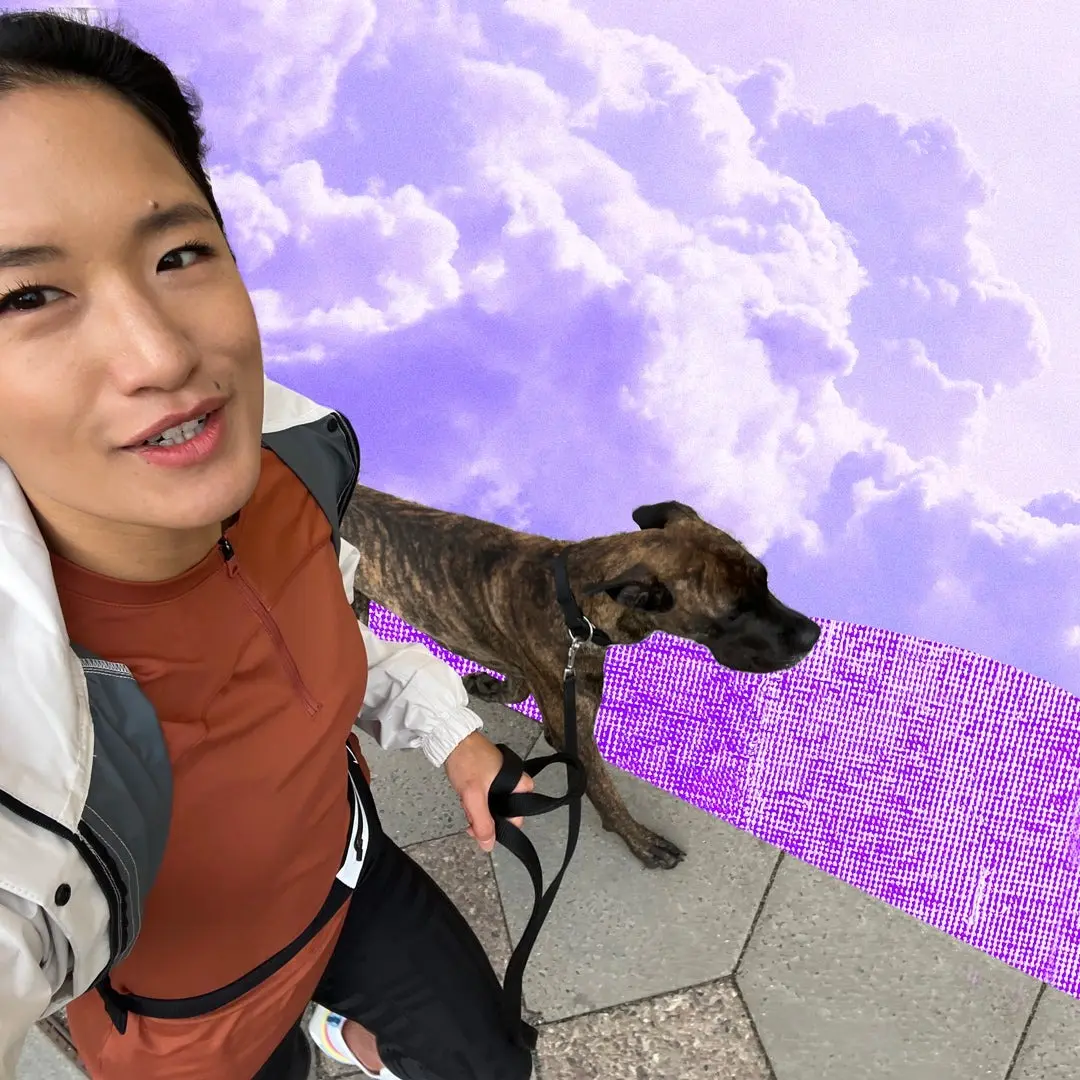
- Canine Pacing: To enhance the Monday session, Hong often enlists canine companionship. Running alongside a friend’s energetic dog transforms the solo outing into an interactive endurance exercise, balancing out the dog’s initial sprint energy with Hong’s superior long-term stamina.
Tuesday: Cross-Training and Injury Prevention
Endurance running is frequently misconstrued as a single-discipline endeavor. Hong’s Tuesday routine corrects this misconception by shifting focus away from the pavement.
- Holistic Conditioning: Tuesdays are dedicated to yoga, targeted strength training, and physiotherapy sessions. This triad of activities forms the structural armor required to absorb the high-impact stress of marathon preparation.
- Expanding the Comfort Zone: By establishing a robust physical foundation, Hong ensures that her high-intensity running days do not result in systemic exhaustion. Adequate recovery protocols allow her to seamlessly transition back into running shoes by midweek.
Wednesday: Midweek Equilibrium and Cultural Engagement
Recognizing that mental health is just as critical as physical output, Wednesday is designated as a deliberate pause in the physical training schedule.
- Social Integration: Given her absences due to flight schedules, Hong utilizes time in Berlin to reconnect with her social circle.
- Mental Stimulation: Rather than grinding through an unnecessary workout, Hong opts for cultural enrichment, visiting local art exhibitions. This approach prevents psychological burnout and maintains a healthy boundary between athletic identity and personal life.
Thursday: Pushing Limits on the Track
With her physical batteries recharged, Thursday represents the zenith of intensity for the week.
- Track Workouts: Training for a marathon necessitates speed work and threshold testing. Thursday is reserved for a demanding track session designed to evaluate velocity and pacing endurance.
- Gear and Equipment: To mitigate the high impact of track running, Hong relies on specialized footwear—specifically the Nike Invincible 3. The high-energy return of the bouncy sole and the structural stability across varied surfaces provide the necessary confidence to push physical limits safely.
Friday: Active Recovery and Reconnection
The physiological toll of Thursday’s track session demands a respectful recovery period.
- Rest and Reflection: Friday involves minimal physical exertion, restricted to light stretching or a gentle yoga session.
- Community Engagement: True to her philosophy that running must enhance rather than restrict life, Hong spends her Friday evening socializing and exploring local galleries, maximizing her time in her home city before her next flight duty.
Saturday: The Ritualistic Long Run and Urban Exploration
Saturday morning is dedicated to consistency, utilizing Berlin’s iconic urban landscapes.
- The Landwehrkanal Route: Hong’s standard training loop along the Landwehrkanal offers a diverse terrain of asphalt, grass, and dirt tracks.
- Sensory Engagement: Depending on her mental state, this run serves as either a meditative escape accompanied by an engaging podcast or a mindful observation of the city’s ambient sounds.
- The Post-Run Reward: The run concludes with a deliberate ritual: a visit to a Kreuzberg market stand for artisanal coffee and a post-workout snack, cementing the psychological reward loop associated with physical exertion.
Sunday: Community Endurance and Cultural Cuisine
The culmination of the training week takes place within the collective energy of a running community.
- The Joy Run Collective: Sunday features a long-distance endurance run through the expansive Tiergarten park alongside members of Hong’s running collective, the Joy Run Collective.
- Collective Motivation: Navigating colder temperatures and extended mileage requires group synergy and proper thermal preparation.
- Culinary Rewards: The weekly cycle closes with a communal brunch. By organizing post-run gatherings featuring homemade specialties like dumplings, the running group fosters a powerful sense of belonging that extends far beyond the finish line.
Supporting Context & Metrics: The Science of Sustainable Running
Hong’s trajectory from a self-identified non-runner to a seasoned marathoner preparing for her seventh 42.195-kilometer race highlights several vital metrics in modern sports science and lifestyle integration.
The Physiology of Comfort-First Training
Traditional endurance coaching has long been dominated by a "no pain, no gain" ethos. However, contemporary sports physiology increasingly recognizes the validity of polarized training and psychological comfort in achieving long-term athletic adherence.
- Injury Prevention Rates: Studies consistently show that cross-training, yoga, and targeted strength work—key pillars of Hong’s Tuesday routine—significantly reduce the incidence of overuse injuries among long-distance runners, which affect up to 50% of runners annually.
- Psychological Sustainability: By refusing to sacrifice her sleep schedule ("hitting snooze") or social life, Hong maintains low baseline cortisol levels compared to athletes who over-index on training stress. This hormonal balance aids faster muscle repair and sustained mental drive.
Demographics and the Modern Endurance Boom
Hong’s athletic awakening in her thirties mirrors a broader sociological trend across global metropolitan areas.
- Age and Athletic Peak: Many urban professionals are discovering endurance sports later in life. Data from major marathon organizations indicate that the average age of marathon finishers has steadily climbed, with runners in their 30s and 40s demonstrating superior pacing discipline and injury management compared to younger cohorts.
- Community-Centric Fitness: The rise of independent running collectives (such as the Joy Run Collective in Berlin) reflects a cultural shift away from solitary treadmill workouts toward socially integrated, lifestyle-driven athletic communities.
Official Statements and Personal Philosophy
Reflecting on her four-year evolution within the running ecosystem, Hong articulates a philosophy that challenges traditional athletic norms:
"I started running four years ago. At 30, I am healthier and fitter than I ever was in my twenties. But running is so much more than physical training. I have gained a tremendous amount of self-confidence as a runner because I now know how hard I can push myself, even when I feel a bit low. I have learned one essential truth: consistency and comfort do not have to mutually exclude one another. I can set new boundaries for myself while still feeling completely at ease. Next stop: my 7th marathon."
This perspective serves as an authoritative counterweight to the intimidation factor that often deters beginners from entering the sport. By anchoring high-performance goals in accessible, enjoyable practices, Hong validates the experiences of everyday athletes who refuse to let training consume their entire identity.
Future Outlook: The Evolution of Accessible Endurance Sports
As the fitness landscape continues to evolve, the blueprint demonstrated by runners like Hong points toward a more inclusive, sustainable future for endurance sports.
The Shift Toward Holistic Wellness
The boundary between "athlete" and "lifestyle enthusiast" is increasingly porous. Future developments in marathon training methodologies will likely place greater emphasis on mental health integration, nutritional pleasure (such as post-run culinary traditions), and flexible scheduling designed around demanding modern professions like aviation, healthcare, and creative industries.
Technological and Community Integration
Innovations in footwear engineering—such as the responsive cushioning seen in models like the Nike Invincible 3—will continue to democratize high-mileage training, making it physically accessible to runners with varying biomechanical profiles. Simultaneously, the proliferation of urban running collectives ensures that the sport remains deeply social, combating urban isolation while fostering high-level athletic achievement.
For Hong, the immediate horizon is clear: her seventh marathon awaits. Yet, the true victory lies not merely in crossing another finish line, but in the sustainable, joyful, and balanced lifestyle she has forged along the way.
Hong’s 3 Essential Pillars for Running Enjoyment:
- Invest in Supportive Footwear: Prioritize comfort and impact absorption to protect joints across diverse urban terrains.
- Curate an Auditory Landscape: Utilize dynamic playlists (spanning disco, house, and techno) to overcome psychological resistance.
- Establish Intentional Routines: Combine scenic, engaging running routes with gratifying culinary rewards to complete the positive reinforcement loop.