Executive Overview
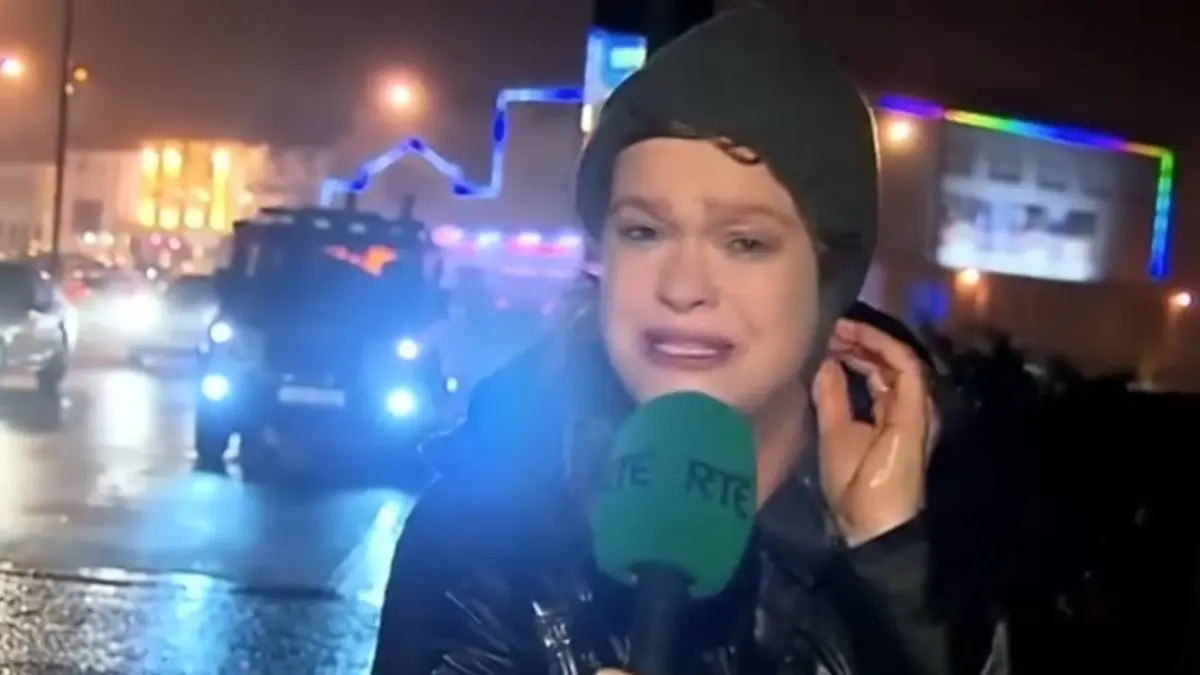
In the volatile ecosystem of internet culture, few phenomena achieve the rare distinction of generational staying power. Long before the era of short-form video algorithms, a dramatic, wind-swept broadcast from the west of Ireland captured the global imagination, creating an indelible meme template. More than a decade after its initial broadcast, Irish reporter Teresa Mannion’s impassoned plea during the height of Storm Desmond—"Don’t make unnecessary journeys, don’t take risks on treacherous roads, and don’t swim in the sea!"—has undergone a fascinating metamorphosis.
What began in December 2015 as a standard, albeit intensely delivered, weather warning has transformed into a multi-era internet staple. It progressed from early satirical edits involving flying street furniture to an earnest, darkly humorous TikTok subculture. By late August 2026, following the passing of beloved cultural icon Dolly Parton, Mannion’s audio took on a new life. It evolved into a poignant, collective ritual on TikTok where users preemptively mourn and fiercely guard aging celebrities, affectionately begging cultural treasures like Julie Andrews, David Attenborough, Stevie Nicks, and Dick Van Dyke to heed the reporter’s advice and avoid "unnecessary journeys" that might lead to their demise.
This deep dive explores the fascinating trajectory of the Teresa Mannion meme: examining its broadcast roots, its viral detour through clever digital fabrication, its mainstream media reception, and its recent revival as digital folklore expressing collective grief and anxiety over the aging of our global icons.
Detailed Chronology: From the Atlantic Coast to the Digital Ether
December 2015: The Genesis of a Broadcast Icon
The story began on December 5th, 2015, as RTÉ, Ireland’s national public service broadcaster, dispatched news teams across the country to cover the imminent arrival of Storm Desmond. The powerful Atlantic storm was bringing torrential rainfall, hurricane-force winds, and severe flooding to the western coast of Ireland.
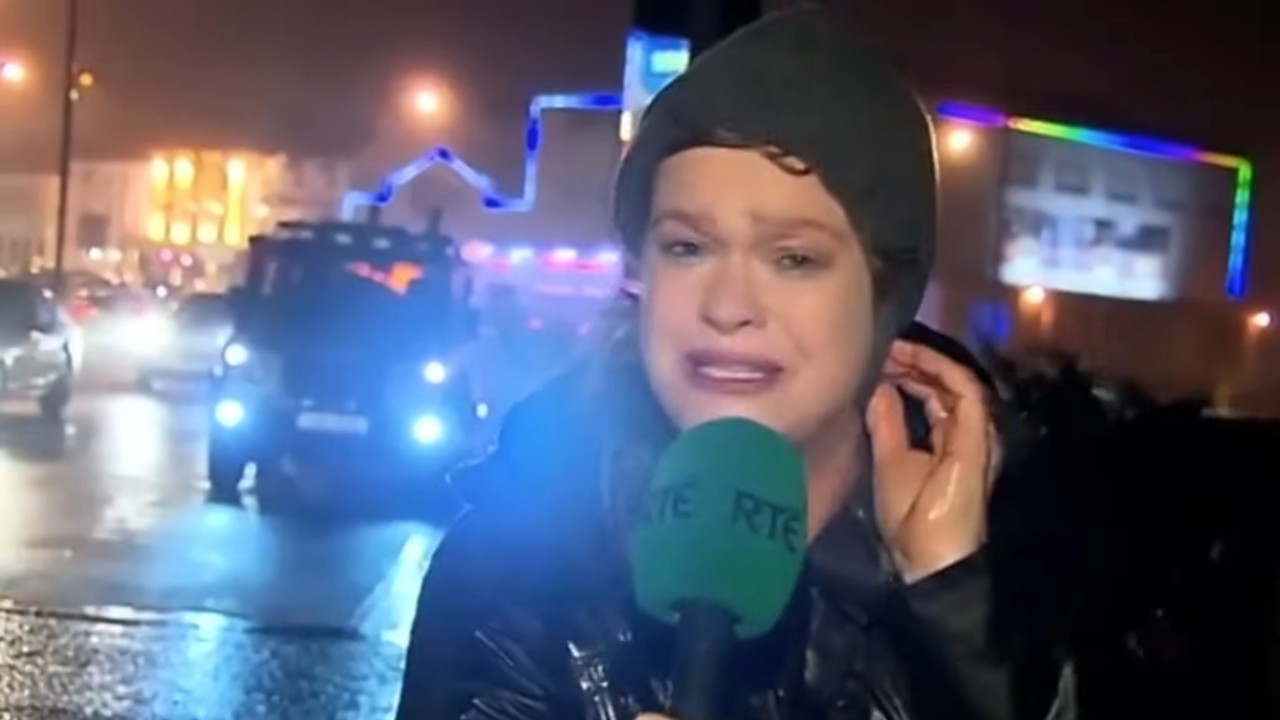
Stationed in Salthill, County Galway, veteran journalist Teresa Mannion found herself battling punishing gales and horizontal rain. Delivering her live stand-up report with an intensity and dramatic cadence that cut straight through the howling wind, Mannion delivered a safety broadcast that demanded absolute attention. Looking directly into the camera lens while pelted by flying debris, she famously commanded:
"The message in Galway this evening is to exercise extreme caution. Regard the status red wind warning: people are out and about, walking along the promenade. We’re imploring people, let’s drill it home: Don’t make unnecessary journeys, don’t take risks on treacherous roads, and don’t swim in the sea!"
The sheer earnestness of the delivery, combined with the visceral, chaotic reality of the weather behind her, instantly elevated the broadcast from standard public service announcement territory to compelling television. Within hours, clips of the broadcast began circulating across social media platforms, capturing the hearts of internet users who admired her unwavering dedication to journalism under duress.
The Stop Sign Phenomenon and the Birth of Satire
Almost immediately, the internet seized upon the dramatic potential of Mannion’s report. On December 6th, 2015—just one day after the broadcast—YouTuber Gerard Walsh published a deceptively edited version of the clip. In Walsh’s cut, a stray metal stop sign, violently unmoored by Storm Desmond’s winds, hurtles across the frame and squarely strikes Mannion mid-sentence.
The edit was executed with enough visual polish that, compounded by the genuinely hazardous conditions depicted in the original broadcast, a significant portion of the online populace genuinely believed the accident had occurred live on air. The video racked up hundreds of thousands of views within days, sparking a viral wildfire that forced independent fact-checking organizations years later to formally clarify that the stop sign collision was entirely fictional.
Despite the satire, Mannion embraced her sudden pop-culture status with remarkable grace. On December 11th, 2015, she appeared as a guest on RTÉ’s flagship chat program, The Late Late Show, where she discussed the surreal experience of becoming a viral sensation overnight. Her segment on the show amassed over 580,000 views, cementing her place in Irish cultural history and proving that she could laugh right alongside the global internet community.
August 2026: The TikTok "Celebrity Preservation" Revival
While the meme experienced routine resurgences over the subsequent decade—appearing in remix tracks, Halloween costumes, and internet trivia—its most profound thematic evolution arrived in late August 2026.
Following the passing of beloved American singer-songwriter and humanitarian Dolly Parton, the collective internet consciousness experienced a profound wave of grief. The loss of Parton triggered an existential anxiety among younger generations regarding the mortality of the remaining mid-20th-century cultural legends.
On August 26th, 2026, TikTok user @bylethswife uploaded a slideshow video set to a viral audio loop of Mannion’s famous 2015 broadcast. The video superimposed text imploring aging icons to protect themselves from harm, framing their daily existence through the lens of Mannion’s frantic safety warnings. The post exploded across the platform, garnering over 6 million views in a single day.
This post catalyzed a broader cultural trend. TikTok feeds quickly filled with photo carousels and video montages dedicated to safeguarding the world’s most cherished elders. The underlying message of the trend was clear and darkly humorous: if everyone simply follows Teresa Mannion’s advice—staying indoors, avoiding treacherous roads, and staying far away from open bodies of water—our favorite living legends can be protected from mortality itself.
Supporting Context & Metrics
To understand the scale of the Teresa Mannion phenomenon across its decade-long lifespan, it is helpful to examine the quantifiable impact of its various iterations:
- The Original Broadcast: Reached hundreds of thousands of live viewers on RTÉ in December 2015 before scaling globally across digital aggregators.
- The Stop Sign Edit: Published by Gerard Walsh on December 6th, 2015, the satirical video accumulated over 848,000 views, remaining a staple of internet hoax lore and prompting a 2022 debunking feature by Full Fact.
- The Late Late Show Appearance: Mannion’s December 11th, 2015 interview pulled in over 580,000 views on YouTube, demonstrating mainstream media’s swift capitalization on the viral moment.
- The 2024 Precursor: Early TikTok iterations, such as a September 2024 slideshow by user
x.slay.xfeaturing Julie Andrews, Stevie Nicks, and David Attenborough, laid the groundwork with over 121,000 views. - The August 2026 Boom: Following the death of Dolly Parton, user
@bylethswifeshattered previous engagement records with a tribute video hitting 6 million views in just 24 hours, establishing the "don’t make unnecessary journeys" audio as TikTok’s premier anthem for celebrity preservation.
Official Statements and Cultural Reception
The journey of the meme from newsroom professionalism to internet absurdity has been met with amusement and introspection from both the media industry and Teresa Mannion herself.
In interviews following the initial broadcast, Mannion noted that while her primary goal was to convey life-saving safety information to the public during a dangerous meteorological event, she could ultimately see the humor in how the internet dissected her performance. Speaking with various outlets over the years, she expressed gratitude that her passionate commitment to public safety could bring a smile—and eventually, a sense of collective comfort—to millions of people around the world.
Media analysts frequently cite the Mannion phenomenon as a textbook example of modern folklore. In an era where news cycles are fleeting and internet trends burn out in a matter of days, the longevity of the Storm Desmond report highlights the power of authentic human emotion captured on camera. When paired with the internet’s dark humor regarding celebrity mortality, Mannion’s frantic commands transformed from a municipal weather warning into a comforting, ritualistic spell cast by a younger generation desperate to halt the passage of time.
Future Outlook: The Everlasting Legacy of a Rainy Day in Galway
As we look toward the future of digital culture, the "Don’t Make Unnecessary Journeys" meme serves as a testament to the unpredictable nature of internet virality. What began as a local broadcast warning on a wet December evening in County Galway has woven itself permanently into the fabric of global digital communication.
The 2026 revival on TikTok demonstrates that classic memes do not merely die out; they evolve to meet the emotional needs of new audiences. As generations grapple with the inevitable aging of the twentieth century’s defining artists, actors, and public figures, Teresa Mannion’s voice will likely continue to echo across social media feeds. Whether repurposed for comedy, digital folklore, or heartfelt tributes, her timeless words remain a permanent fixture of internet history—a reminder to stay safe, stay indoors, and, above all else, avoid unnecessary journeys.