Executive Overview
In an era dominated by high-resolution smartphone photography and computational imaging, the market has carved out a fascinating, counter-intuitive niche: the renaissance of low-fidelity, tactile, and intentionally constrained cameras. Fujifilm, a titan in both digital imaging and instant analog photography, has long understood this cultural shift. By successfully marrying the spontaneous charm of instant film with digital storage through devices like the original Instax Pal, the company proved that consumers are more than willing to trade raw megapixels for an engaging, analog-inspired shooting experience.
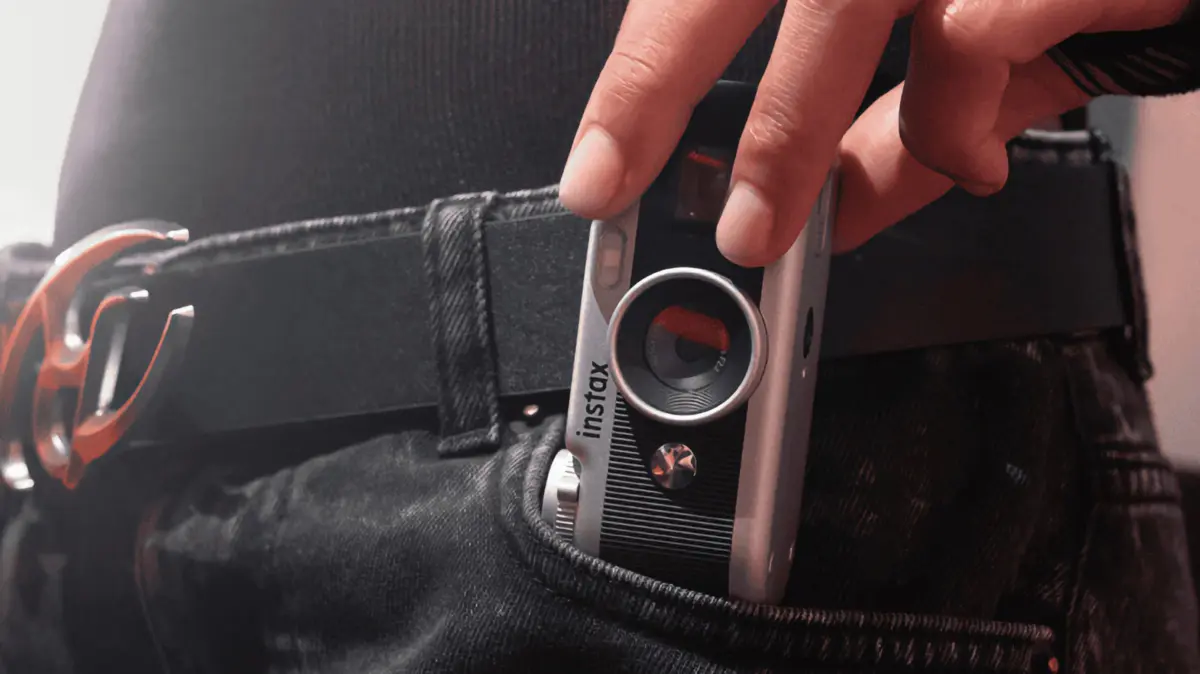
Now, Fujifilm is raising the stakes with the official introduction of the Instax Pal 2. Stepping away from the ultra-minimalist, bead-like design of its predecessor, the Pal 2 evolves into a more robust, standalone digital device. It features physical dials, dedicated levers, a dual-viewfinder system, and—crucially—direct smartphone connectivity via a built-in USB-C connector.
Priced at $170 and available for pre-order in sleek all-white or a sophisticated two-tone silver-and-black finish, the Instax Pal 2 targets the intersection of Gen Z nostalgia, pocket-friendly portability, and dedicated gadget enthusiasts. While early reviews note minor software hiccups, the device represents a bold philosophical statement: photography should be fun, tactile, and free from the distraction of notifications.
Detailed Chronology: From the Original Pal to the Pal 2
To understand the engineering and design choices behind the Instax Pal 2, it is essential to look back at the evolutionary chain that brought Fujifilm to this juncture.
The Genesis of the First-Generation Instax Pal
When Fujifilm originally released the first Instax Pal, it broke the mold by decoupling the camera sensor from the instant printer. Traditionally, Instax cameras combined capture and physical printing into a single, bulky chassis, forcing users to commit film to every shutter click—whether the lighting was right or not.
The original Pal offered a digital decoupling strategy:
- Shoot First: Users captured digital images using a tiny, lump-shaped device that could easily be tossed into a bag or clipped onto a keychain.
- Review Later: Images were stored internally or on a microSD card, allowing the photographer to review, edit, and curate shots before sending them to a compatible Instax Link printer.
While innovative, the first-generation Pal was heavily criticized for being too minimal. Its lack of physical controls meant users were forced to rely almost entirely on a companion smartphone app for even basic adjustments, diluting the "standalone camera" feel that many vintage enthusiasts crave.
The Pivot to Tactile Independence: The Pal 2
Recognizing the limitations of its predecessor, Fujifilm’s product development teams went back to the drawing board. The result is the Instax Pal 2, which shifts the product philosophy away from being a mere accessory and toward a fully realized, standalone compact digital camera.
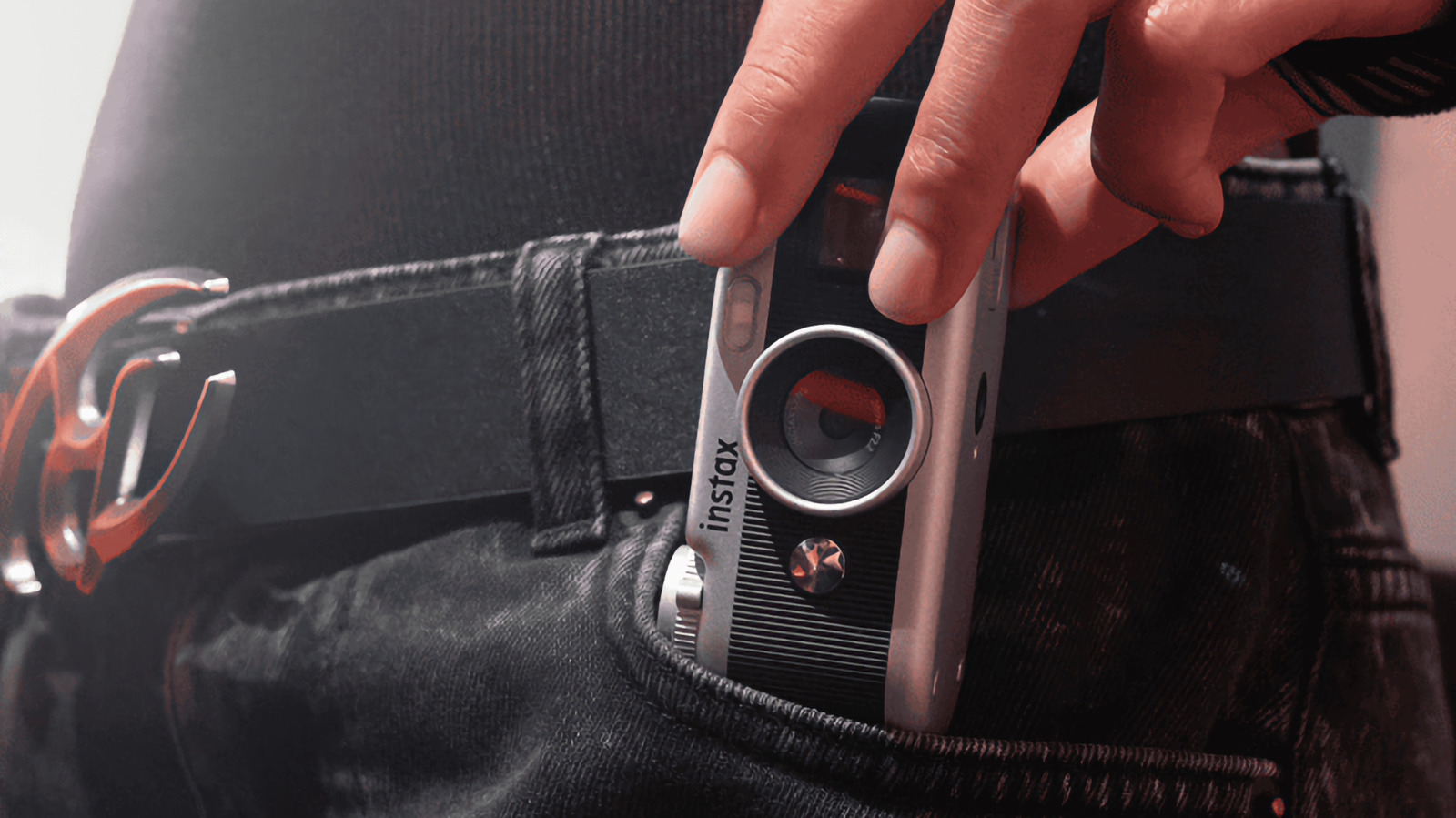
- Redesigned Form Factor: Growing slightly in dimensions to 1.46 x 1.65 x 3.63 inches (37 x 42 x 92mm), the Pal 2 abandons the pebble-like roundness of the original. Instead, it adopts a horizontal orientation reminiscent of vintage pocket shooters and modern novelties like the Kodak Charmera.
- Physical Controls Over Software Menus: Instead of navigating deep smartphone application menus, users of the Pal 2 can interact directly with the hardware. A dedicated lever allows photographers to select digital frames that match Fujifilm’s iconic Instax film borders, while a tactile top dial lets them cycle through downloadable color filters and retro visual effects.
- Direct Hardware Integration: Moving past purely wireless-dependent workflows, the Pal 2 incorporates a physical USB-C connector. This enables users to plug the camera directly into their smartphones for rapid, wired image transfers, circumventing the occasional pairing frustrations of Bluetooth and Wi-Fi protocols.
Supporting Context & Metrics: Hardware Specifications and Market Dynamics
Technical Specifications Breakdown
While specs are rarely the primary selling point for nostalgia-driven cameras, the hardware inside the Instax Pal 2 dictates its capabilities and limitations:
- Image Sensor: Equipped with a 1/3.06-inch CMOS sensor, the camera allows users to toggle between a standard 10-megapixel resolution and a compressed, lo-fi 1-megapixel mode for enhanced vintage texture.
- Lens & Optics: Features an $f/2.2$ aperture lens designed to handle everyday lighting conditions, supplemented by an integrated LED flash for low-light environments.
- Focusing & Exposure: Includes support for autofocus and auto white balance, ensuring that point-and-shoot users can pull the camera out of their pockets and capture a moment instantly without fiddling with manual focus rings.
- Viewfinder System: Offers a unique dual-viewfinder approach. It features a traditional optical viewfinder on the back for framing through glass, alongside a digital viewfinder on the top housing that assists with menu navigation and precise framing.
- Creative Modes: Includes specialized capture modes such as a digital self-timer and a nostalgic flipbook animation-style burst mode.
| Feature | Specification / Detail |
|---|---|
| Dimensions | 1.46 x 1.65 x 3.63 inches (37 x 42 x 92mm) |
| Sensor Type | 1/3.06-inch CMOS |
| Resolution Modes | 10MP / 1MP toggle |
| Aperture | f/2.2 with LED flash |
| Connectivity | Direct USB-C plug, Bluetooth wireless, and Instax Link printer support |
| Price Point | $170 USD |
| Colorways | All-White, Two-Tone Silver & Black |
The Rise of the "Anti-Smartphone" Movement
The launch of the Instax Pal 2 arrives at a fascinating cultural crossroads. Younger demographics—particularly Gen Z—are experiencing digital fatigue. Constant notifications, the pressure to curate flawless social media feeds, and the clinical perfection of modern computational smartphone photography have triggered a powerful counter-movement.
Consumers are actively seeking out imperfections: motion blur, grain, chromatic aberration, and unexpected color shifts. This explains the skyrocketing demand for vintage point-and-shoot digital cameras from the early 2000s (often called "digicams") on the secondhand market. Manufacturers are finally waking up to this trend. By offering a brand-new device that replicates the tactile joy of vintage gear without the reliability risks of 20-year-old electronics, Fujifilm has positioned the Instax Pal 2 as a prime alternative to carrying a smartphone for casual social outings.
Official Statements & Industry Reception
Fujifilm’s marketing and design philosophy for the Instax Pal line has consistently centered around the concept of "playful photography." In official product literature accompanying the launch, the company frames the Pal 2 as "a camera that fits with you," emphasizing its role as a lifestyle companion rather than a professional imaging tool.
Industry analysts and early reviewers have offered a balanced, largely optimistic assessment of the device:
- The Praise: Outlets reviewing the camera have praised its tactile interface. The physical dial-and-lever system transforms photography from a passive screen-tapping exercise into an active, physical ritual. The addition of direct USB-C smartphone integration has also been lauded as a massive quality-of-life upgrade over the original model’s software quirks.
- The Critique: Prominent gear reviewers, including video analyses from platforms like PetaPixel, have pointed out noticeable performance bottlenecks. Specifically, the camera’s internal software interface can feel sluggish when navigating menus or processing effects.
Despite these minor performance hurdles, consensus suggests that the charm, portability, and sheer fun factor of the Instax Pal 2 heavily outweigh its processing limitations—especially for consumers already embedded in the broader Fujifilm Instax ecosystem.
Future Outlook: Where Pocket Digital Meets Analog Culture
As we look toward the future of consumer imaging, the success of devices like the Instax Pal 2 signals a permanent shift in how manufacturers view compact cameras. For over a decade, the narrative dictated that standalone compact cameras were dead, entirely eradicated by the rise of multi-lens smartphones.
However, by pivoting away from the arms race of resolution, sensor size, and computational zoom, brands like Fujifilm are proving that cameras can survive—and thrive—as experiential goods.
What’s Next for Hybrid Digital-Analog Formats?
- Expanded Ecosystems: We can expect deeper integration between pocket digital capture devices and portable instant printers, allowing manufacturers to sell both the hardware upfront and recurring consumables (film packs) over time.
- Software-Defined Aesthetics: As filters and film simulations become the primary currency of modern youth culture, cameras like the Pal 2 will likely see firmware updates introducing downloadable color profiles modeled after legendary film stocks.
- Refining the Interface: Future iterations of pocket cameras will need to address the software lag identified in early reviews, ensuring that tactile joy is matched by snappy, responsive processing speeds.
For now, the Fujifilm Instax Pal 2 stands as a compelling bridge between eras. It rejects the cold, sterile perfection of modern smartphones in favor of dials, levers, and physical connection. At $170, it invites a new generation of photographers to put down their screens, pocket a dedicated device, and rediscover the joy of capturing the world simply for the fun of it.