Executive Overview
The video game industry has weathered a tumultuous few years marked by widespread downsizing, studio closures, and corporate repositioning, but few recent developments match the stark irony and demoralizing timing of Microsoft’s latest corporate maneuver. Just one week prior to the early access launch of Gears of War: E-Day—one of the most anticipated titles in the Xbox Series X/S era—The Coalition’s Story Director, Juan Vaca, was laid off.
Vaca’s departure occurred as part of a broader, brutal restructuring wave initiated by Microsoft on September 22–23, 2026. The tech giant cut 268 staff members across multiple internal studios, disproportionately targeting veteran and senior talent. The timing has sent shockwaves through the gaming community, raising urgent questions about corporate empathy, the treatment of creative leadership at AAA studios, and the long-term operational stability of Xbox Game Studios.
Compounding the crisis, Vaca’s layoff is not an isolated incident within Microsoft’s current corporate purge. Across the Xbox ecosystem, parallel shakeups have seen key creative figures shown the door immediately after career milestones—such as Halo Studios cinematic director Josh Daniels, who was laid off a single day after receiving a promotion. As Microsoft attempts to pivot its overarching gaming strategy—famously handing off primary development of the Halo franchise to Activision—the human cost of these systemic overhauls threatens to overshadow the very games they are built to sell.
Detailed Chronology: A Cruel Twist of Timing
The sequence of events leading up to Juan Vaca’s dismissal underscores a systemic disconnect between high-level corporate restructuring schedules and the delicate, highly collaborative final phases of game development.
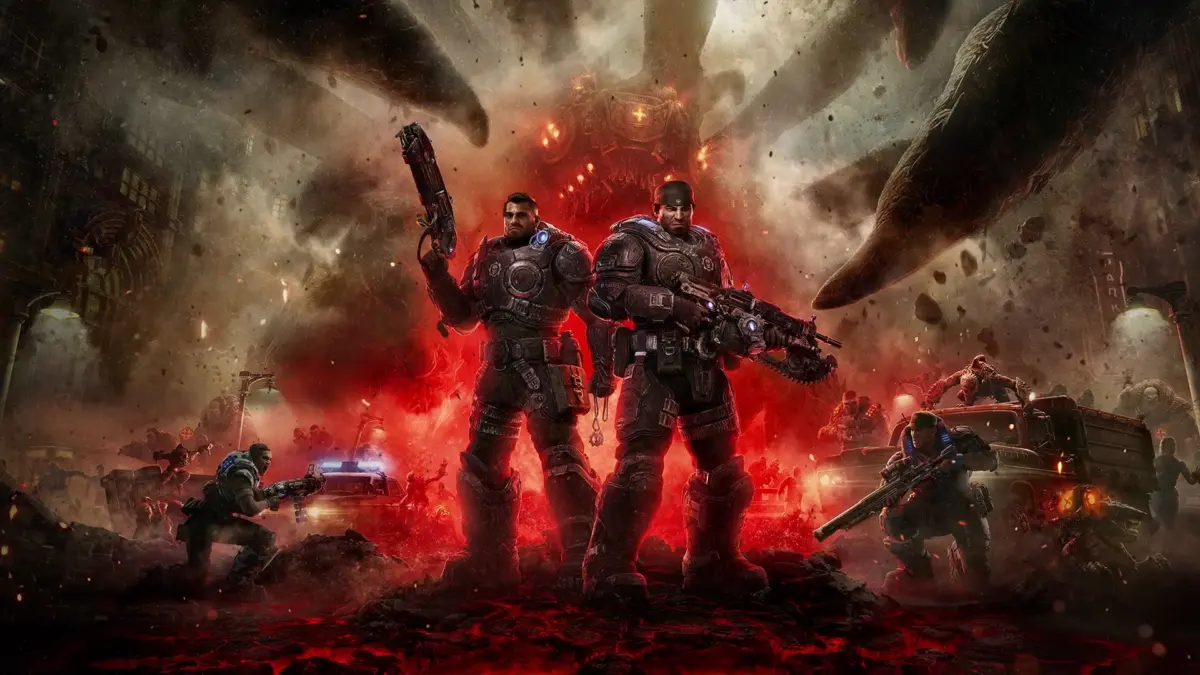
For four years, Vaca served as a foundational creative pillar at The Coalition, Microsoft’s premier studio dedicated entirely to the Gears of War franchise. As Story Director on Gears of War: E-Day, Vaca was instrumental in shaping the narrative framing of the prequel—a project designed to take players back to Emergence Day, the harrowing moment the Locust Horde burst onto the surface of Sera, exploring the origins of franchise icons Marcus Fenix and Dominic Santiago.
The timeline of the layoff highlights its jarring nature:
- Mid-September 2026: The development team at The Coalition celebrates a major milestone as Gears of War: E-Day officially achieves "gold status," meaning the master copy of the game is complete and ready for manufacturing and digital distribution. Vaca publicly shares his pride in the project alongside his colleagues, reflecting on years of grueling production.
- September 22–23, 2026: Microsoft initiates a fresh, widespread round of layoffs affecting 268 employees across its gaming division. Unlike entry-level redundancies, this wave heavily impacts senior staff, directors, and veteran developers.
- September 23, 2026: Juan Vaca takes to LinkedIn to publicly confirm his departure from The Coalition, effective immediately, after four years of service.
- Late September 2026 (Upcoming): Gears of War: E-Day is scheduled to launch into early access, giving pre-order purchasers their first hands-on experience with the title just five days ahead of its global retail release.
To lose the creative shepherd of a massive AAA narrative literally days before the public experiences the culmination of his team’s labor is a stark illustration of corporate callousness. While corporate restructuring rarely accounts for emotional symmetry, the administrative failure to retain a core narrative director through the immediate post-launch stability window—where critical patch notes, day-one messaging, and community engagement are paramount—points to a deeply reactive management style at Xbox.
Supporting Context & Metrics: The Ongoing Xbox Brand Reset
To understand why a key director on a flagship franchise can be discarded a week before launch, one must examine the broader financial and strategic pressures facing Microsoft Gaming under the leadership of Phil Spencer and corporate executives.
The Anatomy of the 2026 Xbox Layoffs
The late-September purge, which saw 268 personnel cut, is merely the latest chapter in a multi-year contraction at Microsoft. Following the staggering $68.7 billion acquisition of Activision Blizzard King in late 2023, Microsoft has aggressively sought to streamline operations, eliminate redundancies, and squeeze higher profit margins out of its subscription-driven ecosystem (Xbox Game Pass).
Key metrics and trends defining the 2026 restructuring include:
- Targeting Seniority: Unlike previous waves that often impacted QA (Quality Assurance) or entry-level administrative support, the 2026 cuts have systematically harvested senior talent, including studio directors, narrative leads, and principal engineers.
- The Activision Consolidation: Microsoft’s internal structure is increasingly shifting core intellectual properties toward Activision infrastructure. Most notably, operational control of the Halo franchise has been officially stripped from the remnants of 343 Industries (now rebranded as Halo Studios) and handed to Activision teams, leaving the original studio severely downsized to a support function.
- Financial Scrutiny: Despite generating billions in revenue, Xbox Game Studios operates under intense scrutiny from Microsoft’s corporate board, which demands that every division demonstrate immediate profitability and strict alignment with cloud-streaming and multi-platform growth metrics.
The Human Toll on Creative Culture
The psychological impact of these layoffs on remaining developers cannot be overstated. When a four-year veteran who successfully guides a tentpole franchise to gold status is let go right before launch, it sends an unmistakable message to the remaining workforce: individual contributions, creative ownership, and milestone achievements afford no job security.
This environment fosters acute anxiety, burnout, and "quiet quitting," as developers realize that exceptional project delivery does not protect them from arbitrary spreadsheets managed miles away from the studio floor. For a studio like The Coalition—which has spent over a decade perfecting the Unreal Engine-powered mechanics and gritty aesthetic of the Gears universe—losing institutional knowledge at the finish line creates a dangerous vacuum.

Official Statements and Industry Reactions
As news of Vaca’s layoff spread across social media platforms and developer forums, the industry reaction was swift and condemning. Peers, writers, and creative directors from across the AAA landscape voiced their outrage over the timing and the broader degradation of studio stability under corporate tech conglomerates.
Juan Vaca’s brief confirmation on professional networks acknowledged his exit with professional grace, yet the underlying frustration among his peers was palpable. Prominent narrative designers and game directors took to public channels to highlight the absurdity of a system where financial quarters consistently trump creative continuity.
Third-party analysts and journalists have similarly criticized Microsoft’s public relations strategy. While Microsoft continues to lean heavily on the marketing power of heritage franchises like Gears and Halo to drive hardware and Game Pass subscriptions, the behind-the-scenes turmoil paints a picture of systemic instability.
Industry insider commentary has increasingly pointed out a troubling disconnect:
"When you cut the story director of a narrative-driven blockbuster seven days before early access, you are prioritizing an arbitrary line on a spreadsheet over the emotional resonance of the product you are selling to millions. It signals that to the corporate overlords, games are no longer creative art forms built by people, but mere quarterly widgets."
Future Outlook: What Lies Ahead for The Coalition and Gears?
The immediate future of Gears of War: E-Day as a commercial product remains secure; the game is finished, pressed, and ready for players. However, the long-term viability of the franchise—and the studio that builds it—has entered a murky, unpredictable phase.
Unresolved Storyline Threads
When Microsoft and The Coalition first announced E-Day, fans questioned where the franchise’s overarching narrative was heading. Gears 5 concluded in 2019 with a major, unresolved cliffhanger involving a heartbreaking choice that left the fate of key characters hanging in the balance. While Microsoft initially assured fans that the studio was merely taking a temporary detour to explore the past with a prequel, the ongoing corporate restructuring casts serious doubt on whether those narrative threads will ever be neatly tied up.
With senior creative leadership like Juan Vaca removed from the equation, the institutional visionaries who understood the complex lore, emotional arcs, and thematic weight of the post-Marcus Fenix era are disappearing. If The Coalition is subjected to further downsizing or re-tasked as a support studio for other Microsoft initiatives—much like what happened to Halo Studios—the chances of seeing a direct continuation of the Gears 4 and Gears 5 storyline diminish significantly.
A Turning Point for AAA Game Development
The situation surrounding Gears of War: E-Day serves as a sobering case study of modern AAA game development. As budgets balloon past the quarter-billion-dollar mark and corporate parents demand instant, risk-averse returns, the human element of game creation is increasingly treated as expendable overhead.
For players diving into Gears of War: E-Day during its early access window, the experience will undoubtedly deliver the cinematic spectacle, gritty combat, and technical polish they expect from the franchise. Yet, beneath the surface polish lies a troubling reality: the very people who poured years of their lives into crafting those stories are being shown the door before they even get to watch the world play what they built.
As Microsoft continues its aggressive, profit-driven reset of the Xbox ecosystem, the true cost of these corporate machinations will be measured not just in layoffs, but in the erosion of the creative soul that made these franchises legendary in the first place.