Executive Overview
The promotional machinery behind Grand Theft Auto 6 is shifting into high gear, surprising industry analysts with an eclectic partnership that sees the most anticipated video game of the decade featured on the cover of the biannual fashion publication Love. While the choice of an upscale style magazine might seem unorthodox for a franchise built on high-octane vehicular manslaughter and cinematic heists, it signals Rockstar Games’ intent to broaden the cultural footprint of its upcoming open-world epic.
Beneath the glossy high-fashion imagery of protagonists Lucia and Jason lies a deep dive into the creative philosophy powering GTA 6. As details trickle out from the developers, a clear picture is beginning to form. Rockstar is not merely building a sandbox simulation of modern America; it is constructing a hyper-exaggerated, satirical funhouse mirror designed to reflect—and brutally mock—the strange realities of contemporary life.
With real-world political landscapes, social media addictions, and digital culture becoming increasingly difficult to parody, Rockstar’s narrative and design teams face a unique hurdle. Yet, through cutting-edge open-world audio design, a focus on player convenience over rigid realism, and a deeply human, flawed dual-protagonist dynamic, Grand Theft Auto 6 aims to deliver the most immersive, over-the-top interactive experience in entertainment history.
Detailed Chronology: The Evolution of Rockstar’s Marketing and Vision
From Digital Teasers to High-Fashion Covers
The journey toward the release of Grand Theft Auto 6 has been marked by meticulous, often unpredictable marketing beats. Following the earth-shattering debut of the game’s initial trailer—which instantly shattered view counts and dominated global discourse—Rockstar has doled out information with calculated precision.
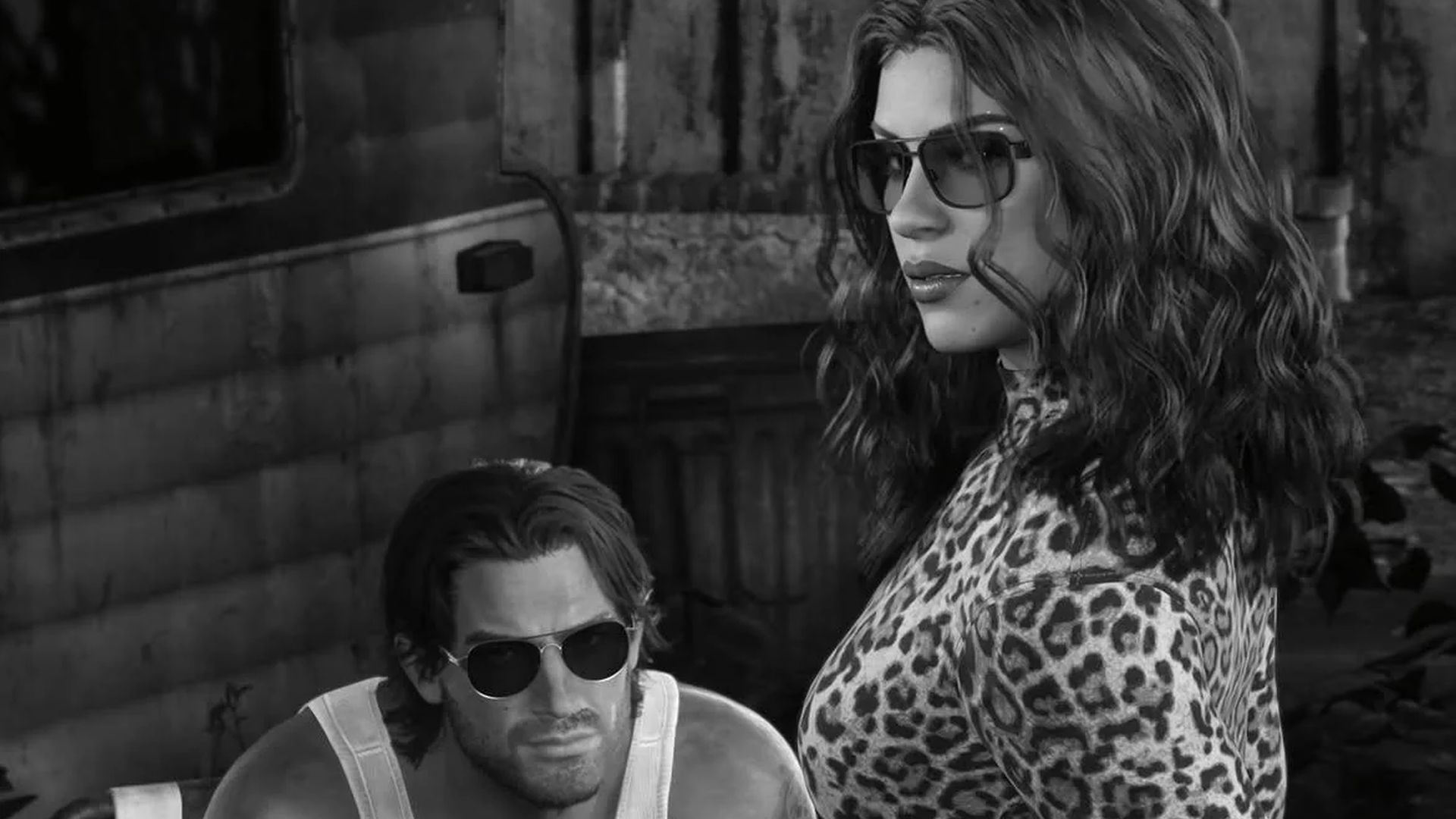
The recent feature in Love magazine represents a fascinating pivot in how the developer chooses to communicate with its audience. By stepping outside traditional gaming media outlets, Rockstar is intentionally courting mainstream cultural spaces. This strategy mirrors previous promotional rollouts, but with a heightened focus on style, aesthetic, and cultural commentary. The magazine spread showcases Lucia and Jason in various high-contrast moods, blending classic cinematic noir with the sun-drenched, neon-soaked palette of modern-day Leonida (Rockstar’s fictionalized version of Florida).
Pushing Past the Parody Horizon
Parody has been the beating heart of the Grand Theft Auto franchise since its inception. From the fake radio commercials of Liberty City to the blistering social media critiques of Los Santos in GTA 5, Rockstar has always thrived on skewering real-world trends. However, the development team acknowledges that the baseline of real-world weirdness has risen dramatically over the last decade.
As noted by voice actors and industry pundits alike, modern life often feels like a parody of itself, leaving developers wondering if traditional satire can still make the same monumental splash. Rockstar’s leadership, however, views this not as a roadblock, but as an invitation to dial the volume up to eleven. The mandate for GTA 6 is clear: amplify the grotesque, the absurd, and the larger-than-life elements of society until the virtual world eclipses the reality outside the player’s window.
Supporting Context & Metrics: Crafting a Living, Breathing World
Ambient Audio and the Chaos of the Street
One of the most profound technical and artistic achievements highlighted in the recent developer disclosures is the depth of the open-world audio ecosystem. James Horton, Open World Writing Director at Rockstar, emphasizes that the city must feel overwhelmingly alive to anyone navigating its concrete jungles.
"It needs to wash over you when you’re sprinting down the busiest street in the city, hearing snatches of a hundred different conversations as you go," Horton explains.
This acoustic wallpaper is designed to be both dynamic and responsive. If a player momentarily halts their chaotic dash to focus on a particular NPC interaction, the game’s audio design shifts to ensure that specific snippet of dialogue "fills the frame and pushes back." This level of environmental fidelity transforms the metropolis from a static backdrop into an aggressive, pulsing entity. Players might overhear anything from mundane neighborhood gossip to robotic, automated robocalls for unhinged political campaigns blaring through digital billboards or cheap smartphones.
Balancing Realism and Player Convenience
While historical milestones in gaming often chase absolute realism, Rockstar’s leadership understands the vital balance between immersion and playability. Rob Nelson, Head of Development and Co-Studio Head at Rockstar North, offers insight into this delicate design equilibrium.
"Sometimes you need things to feel realistic to help with immersion, and conversely, sometimes you need to forego realism in favour of what’s convenient for the player," Nelson notes.
This philosophy ensures that while GTA 6 boasts unprecedented environmental detail—from hyper-realistic pedestrian AI to responsive vehicle physics—the friction that often plagues hyper-realistic simulations is smoothed over to maintain pacing and sheer entertainment value. The goal is an uncompromised power fantasy wrapped in a meticulously detailed satirical playground.
Official Statements: Inside the Writer’s Room
The human element of Grand Theft Auto 6 anchors its sprawling chaos. For the first time in the franchise’s history, players will step into the shoes of a fully voiced female protagonist, Lucia, alongside her male counterpart, Jason. The narrative team behind the game has poured immense effort into ensuring these characters avoid one-dimensional tropes.
Vulnerability and Friction
Elizabeth Gauvey-Kern, a game writer on the project, sheds light on the creative intentions driving the central duo:
"We wanted both protagonists to be vulnerable, tough, flawed, right sometimes, wrong sometimes, able to learn from each other. That’s what we felt made them authentic, and a great team."
This mutual dependency and emotional friction are designed to elevate the storytelling above standard crime-drama fare. Rather than invincible criminal masterminds, Lucia and Jason are portrayed as products of their environment—pressured by circumstances, driven by personal desires, and prone to human error.
The Beauty of Flawed Characters
Echoing these sentiments, game writer Alexa D’Agostino emphasizes the pursuit of raw authenticity through imperfect writing:
"When you are focusing on writing a fully realised person with their own wants, you’re going to get something perfectly imperfect—with clichés, but also undeniably real."
By leaning into these imperfections, Rockstar aims to forge a deep emotional connection between the player and the avatars on screen, contrasting the vibrant, cartoonish satire of the outer world with grounded, intimate character arcs.
Future Outlook: What Lies Ahead for the Franchise and Industry
As the release window for Grand Theft Auto 6 draws closer, the gaming industry finds itself holding its collective breath. The cultural footprint of GTA 5 has spanned three console generations, generating billions of dollars and setting an almost impossibly high bar for commercial and critical success.
Yet, GTA 6 appears poised to redefine the parameters of open-world design once again. By marrying cutting-edge technological advancements in audio immersion and AI behavior with a fearless, hyper-satirical commentary on the modern socio-political landscape, Rockstar is attempting something unprecedented.
The gamble is massive: can a multi-billion-dollar entertainment juggernaut successfully hold up a grotesque mirror to a society that already feels fractured and absurd? If the insights from Horton, Humphries, Nelson, and the writing team are any indication, Rockstar is more than ready to meet the challenge. When Grand Theft Auto 6 finally hits digital and physical store shelves, it will not just be launching a new game; it will be setting a new cultural benchmark for interactive storytelling for the decade to come.