Home appliance giant LG Electronics USA has announced a decisive policy shift targeting smart television applications that turn consumer living rooms into unwitting nodes for commercial proxy networks. Following an explosive July 2026 security report, LG revealed plans to systematically suspend any apps built for its webOS smart TV platform that utilize Software Development Kits (SDKs) to convert consumer televisions into always-on residential proxy routing systems.
The move comes on the heels of alarming research from the threat intelligence firm Spur, which revealed that more than 42 percent of applications available in the LG webOS store harbor these embedded proxy components. By bundling these SDKs, apps ranging from casual video games to screen savers and file utilities quietly reroute external internet traffic through the user’s home broadband connection, effectively leasing their IP address to unknown third parties.
While proxy providers maintain that their networks operate on a foundation of explicit user consent, rigorous vetting, and compliance with platform terms, security researchers argue that smart TVs represent a dangerous blind spot in consumer cybersecurity. Because televisions are rarely audited with the same scrutiny as traditional computers or smartphones, and because consent is often captured via ephemeral, one-time prompts buried in terms of service agreements—or accepted unwittingly by minors—major manufacturers are being forced to re-evaluate their app store governance.
This development intersects with a broader corporate scrutiny facing LG, which has simultaneously caught flak for pushing third-party antivirus software via unprompted Windows updates on its high-end computer monitors. Together, these events underscore mounting consumer anxiety regarding corporate transparency, device autonomy, and the invisible monetization schemes embedded within everyday hardware.
Detailed Chronology of the Smart TV Proxy Controversy
The uncovering of residential proxy SDKs within consumer electronics marks a turning point in how cybersecurity researchers view the intersection of app monetization and IoT (Internet of Things) security.
The Spur Security Disclosure (July 2026)
The controversy broke wide open on July 2, 2026, when security firm Spur published an exhaustive technical report detailing the widespread integration of residential proxy software development kits across smart TV ecosystems. Spur’s researchers analyzed app inventories across major television operating systems and discovered a staggering compliance loophole:
LG webOS Ecosystem: More than 42 percent of evaluated games and utility applications contained SDKs capable of transforming the smart television into a persistent, indefinite residential proxy node.
Samsung Tizen Ecosystem: More than 25 percent of apps built for Samsung smart TVs featured similar underlying proxy architecture.
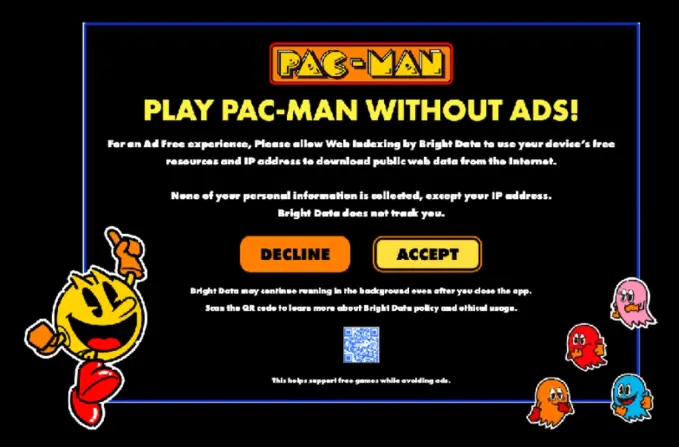
The report highlighted how unassuming applications—such as a TV adaptation of the classic game Pac-Man or utility screensavers—offered users a devil’s bargain: either endure frequent advertisements or opt into an agreement that allows the app to leverage the television’s internet connection to route third-party web traffic.
Media Exposure and Institutional Reaction
As the security community and specialized technology outlets amplified Spur’s findings, pressure mounted on hardware manufacturers to police their proprietary application stores. Investigators pointed out that while app stores like Apple’s App Store and Google Play maintain strict guidelines regarding background data usage and network manipulation, smart TV platforms have historically lagged in oversight.
For LG, the response was swift. Following inquiries by security journalist Brian Krebs, LG Senior Vice President John Taylor issued a definitive stance on behalf of the home appliance manufacturer, confirming that internal reviews were already underway and that non-compliant developers faced imminent app suspensions.
Supporting Context and Metrics: How Residential Proxy SDKs Function
To understand why LG’s crackdown is significant, it is necessary to examine the mechanics of the residential proxy industry and the financial incentives driving developers to integrate these SDKs.
The Business Model of Monetized SDKs
App developers operating in crowded app marketplaces constantly seek alternative monetization strategies beyond upfront purchases or traditional ad networks. Residential proxy platforms offer a lucrative proposition: developers are paid a bounty or a recurring revenue share based on how long a user’s device remains active on the proxy network.
When a consumer downloads an app embedded with a proxy SDK, the application initiates a background service. This service registers the consumer’s home IP address with a commercial proxy broker. Corporate clients, data scrapers, market researchers, and cybersecurity testing firms then rent these residential IP addresses to route their web traffic.
Because the traffic originates from a residential Internet Service Provider (ISP) rather than a known datacenter cloud provider, it is less likely to be blocked by web application firewalls, anti-bot mechanisms, or geo-restriction filters. For the buyer, it looks like authentic web browsing traffic coming from an ordinary household. For the homeowner, however, it means their broadband connection is being used to facilitate external web traffic without their active knowledge or ongoing consent.
Scale and Prevalence
Spur’s data indicated that a significant portion of this market across both Samsung and LG televisions is dominated by a major residential proxy network known as Bright Data. Other providers operate similarly, leveraging SDK distribution deals to scale their networks rapidly across millions of consumer endpoints.
According to Spur’s telemetry, these SDKs were not limited to high-risk or obscure applications; they were found in mainstream recreational utilities. For instance, a smart TV version of Pac-Man distributed via Bright Data presented users with a user interface prompt asking them to choose between viewing traditional advertisements or permitting their television to act as a proxy node.
+-----------------------------------------------------------------+
|                    Smart TV App Installation                    |
+-----------------------------------------------------------------+
                                 |
         +-----------------------+-----------------------+
         |                                               |
         v                                               v
+------------------------+                     +------------------------+
|   Standard Ad-Supported|                     |   Proxy SDK Bundled    |
|   Monetization Model   |                     |   (e.g., Bright Data)  |
+------------------------+                     +------------------------+
         |                                               |
         v                                               v
+------------------------+                     +------------------------+
| User views banner ads; |                     | User opts in (or minor |
| traffic flows normally.|                     | accepts prompt unknowingly).
+------------------------+                     +------------------------+
                                                         |
                                                         v
                                               +------------------------+
                                               | TV becomes residential |
                                               | proxy node; home IP    |
                                               | leased to 3rd parties. |
                                               +------------------------+
Official Statements and Industry Perspectives
The debate surrounding smart TV proxies exposes a fundamental philosophical divide between proxy network operators, who emphasize consent and compliance, and security researchers, who warn of systemic vulnerabilities and lack of consumer oversight.
LG Electronics USA
In an official statement provided to security researchers, LG Senior Vice President John Taylor made it clear that the company views these practices as a violation of platform integrity and user expectations:
"A residential proxy network is not an intended use for LG smart TVs, and LG Electronics is working with developers to remove the residential proxy option from their apps on the webOS platform. If this option is not removed, these apps will be suspended."
Taylor emphasized that LG’s evaluation process is actively evolving to intercept malicious or deceptive SDK implementations before they reach consumer living rooms:
"As part of our ongoing efforts to enhance platform quality and the user experience, LG will continue to strengthen our evaluation process for developer-submitted apps, including those that incorporate residential proxy SDKs."
Bright Data
Defending its operational integrity, proxy network provider Bright Data issued a statement asserting that its platform adheres to strict ethical frameworks, regulatory standards, and manufacturer terms of service:
"Every peer opts in through a dedicated screen and receives value in return; every customer is vetted, and our practices have now undergone a second independent audit by PwC. We remain committed to an open, transparent internet where legitimate businesses, researchers, and institutions can responsibly access data that lives in the public domain."
Furthermore, proxy providers maintain that they enforce rigorous Know Your Customer (KYC) protocols to weed out malicious actors. They also deploy technical safeguards designed to isolate the proxy node, theoretically preventing third-party clients from probing, interacting with, or compromising other connected devices residing on the user’s local home network (such as personal laptops, NAS drives, or smart home automation hubs).
Independent Security Analysis: The Illusion of Consent
Despite corporate assurances, independent researchers remain deeply skeptical of the "consent" mechanisms utilized by SDK packagers. Trevor Sutter of Spur articulated the core critique in the firm’s advisory:
"A one-time consent prompt buried in a TV app is not a substitute for meaningful transparency, ongoing control, and platform oversight. The risk is amplified when consent comes from individuals within the household who use the device but shouldn’t give consent, such as minors."
Security experts point out that televisions are inherently communal household devices. Unlike a personal smartphone or laptop, which typically has a single primary user who understands its operational state, a smart TV is accessed by children, guests, and elderly family members. A pop-up window offering free game play in exchange for hidden network routing permissions does not constitute informed consent in a multi-user environment.
Broader Corporate Governance Concerns: The LG Monitor Controversy
While LG’s crackdown on webOS proxy apps has been widely praised by the cybersecurity community, the company’s broader software governance practices came under scrutiny for an entirely separate, unrelated issue occurring concurrently.
Unsolicited Antivirus Installations via Windows Update
Just days after the smart TV proxy announcements, hardware reviewers and technology channels—notably the popular YouTube channel Gamers Nexus—exposed a controversial software distribution method tied to LG’s high-end LCD computer monitors.
According to investigative findings, certain premium LG monitors automatically trigger the installation of a companion software application designed to promote paid McAfee antivirus subscriptions. Crucially, this software installation arrives via Microsoft’s Windows Update service without requiring explicit user approval or presenting an interactive prompt.
While the software package leverages legitimate hardware vendor identification channels within Windows Update, the deployment of promotional security software disguised as critical driver updates has sparked intense consumer backlash. Critics argue that hardware manufacturers are overstepping boundaries by transforming operating system update channels into marketing vectors for third-party affiliate software.
The juxtaposition of the smart TV proxy cleanup and the monitor software controversy highlights a recurring challenge in modern consumer electronics: hardware manufacturers are increasingly tempted to monetize post-sale device interactions through software partnerships, frequently at the expense of user trust and seamless transparency.
Future Outlook: What Smart TV Users and Developers Must Expect
LG’s decisive action against residential proxy SDKs is expected to trigger a ripple effect across the smart electronics industry. As regulatory scrutiny mounts and consumer awareness deepens, several structural changes are anticipated in the near future.
1. Tightened App Store Policies Across Competitors
Following LG’s lead, competing television manufacturers—including Samsung, Roku, Google (Android TV/Google TV), and Amazon (Fire TV)—will face increased pressure to audit their respective application marketplaces. Platforms that fail to proactively purge unauthorized proxy SDKs risk severe reputational damage and regulatory investigations concerning consumer privacy and data security.
2. Enhanced Automated Static and Dynamic Analysis
App store reviewers will likely implement advanced static and dynamic code analysis tools specifically engineered to detect network-tunneling libraries, proxy SDK wrappers, and background socket-routing modules during the developer submission phase. Applications attempting to obfuscate these capabilities will face immediate rejection.
3. Consumer Empowerment and Network Visibility
Industry analysts predict a growing demand for consumer-grade network monitoring tools capable of auditing IoT devices. As smart TVs become more deeply integrated into home networks, users will demand granular visibility into outbound connections, prompting third-party router manufacturers and firewall vendors to introduce features that flag abnormal residential proxy traffic originating from entertainment appliances.
Conclusion
LG’s initiative to rid its webOS platform of residential proxy applications represents a vital acknowledgment of the security risks inherent in modern IoT monetization. While app developers and proxy networks defend their models through opt-in frameworks and audits, the reality of living room electronics—shared access, minimal user auditing, and invisible background resource consumption—demands stricter oversight. As hardware makers reassert control over their app stores, the tech industry moves closer to establishing boundaries that prioritize network integrity and consumer protection over hidden monetization schemes.