Executive Overview
In an era defined by compounding socio-political fractures, the traditional boundaries separating public infrastructure, economic survival, and personal mental health have dissolved. Modern civic life in the United States is increasingly characterized by systemic stressors—ranging from the ubiquitous threat of gun violence to widespread institutional decay, economic precarity, and the erosion of bodily autonomy.
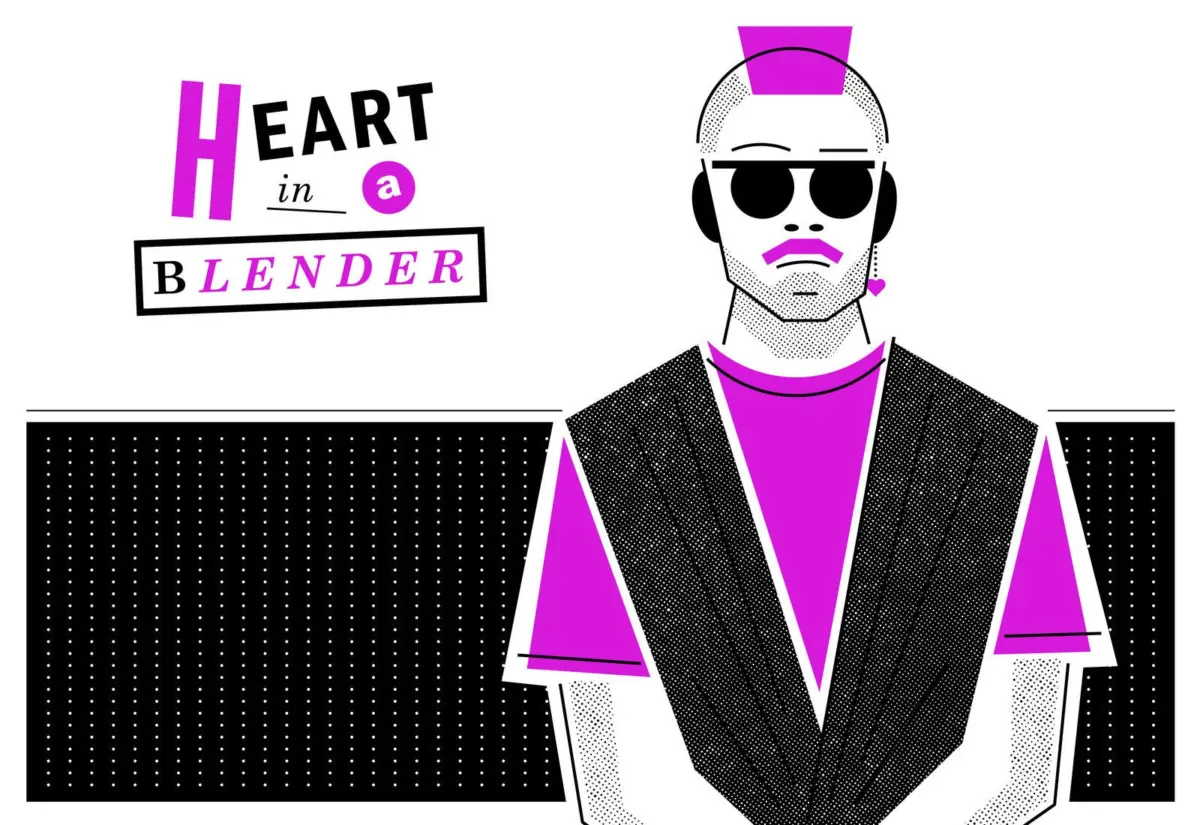
Amid this climate of pervasive anomie, cultural figures have occasionally stepped into unconventional pastoral roles. Among the most distinctive is Max Collins, frontman of the 1990s alternative rock band Eve 6, who authors an advice column for BuzzFeed. Collins, colloquially known as the "Eve 6 Guy," dispenses raw, unfiltered guidance to readers grappling with existential dread.
Rather than offering the toxic positivity or superficial platitudes frequently associated with mainstream self-help media, Collins validates his readers’ profound disillusionment while attempting to carve out pathways toward psychological resilience. This report examines the intersection of contemporary American despair and parasocial advice columns, analyzing two representative letters from Collins’s column: one from a university instructor navigating the aftermath of a campus mass shooting, and another from a 24-year-old bank worker paralyzed by quarter-life ennui and systemic collapse.
Detailed Chronology: The Evolution of Modern Public Anxiety
The systemic anxieties manifested in Collins’s advice column do not emerge in a vacuum; they are the cumulative result of decades of socioeconomic and political shifts in the United States. Tracing the trajectory of these institutional failures provides crucial context for the despair expressed by contemporary citizens.
[1990s–2000s] Economic Shifts & Rise of Mass Insecurity
      │
      ▼
[2012–Present] Epidemic of Mass Shootings (Sandy Hook and Beyond)
      │
      ▼
[2022] Striking Down of Federal Abortion Protections (Dobbs v. Jackson)
      │
      ▼
[Present Day] Chronic Institutional Attrition & Rise of Parasocial Pastoral Care- The Late 20th-Century Shift: The economic restructuring of the late 20th century dismantled traditional social safety nets, shifting financial risk entirely onto the individual. The promise of stable pensions, affordable higher education, and secure homeownership began to erode for the millennial and Generation Z cohorts.
- The Normalization of Mass Violence: Following watershed tragedies such as the 2012 Sandy Hook Elementary School shooting, public mass shootings transformed from catastrophic anomalies into predictable, recurring features of American life. Educational institutions—once regarded as civic sanctuaries—gradually adopted security apparatuses reminiscent of asymmetrical battlefields.
- The Erosion of Civil Rights: The systematic rollback of federal protections, highlighted by the overturning of Roe v. Wade, institutionalized a pervasive sense of powerlessness among marginalized groups, particularly individuals assigned female at birth (AFAB).
- The Rise of Parasocial Pastoral Care: As traditional institutions (churches, local community organizations, and municipal governments) lose public trust, citizens increasingly turn to nontraditional figures—podcasters, independent journalists, and aging rock musicians—for emotional resonance and existential validation.
Supporting Context & Metrics: The Anatomy of Systemic Burnout
To understand the weight of the letters received by the "Eve 6 Guy," one must examine the empirical realities undergirding modern American life. The grievances articulated by Collins’s readers are supported by a substantial body of sociological, economic, and public health data.
1. The Firearms Landscape
According to data compiled by the Small Arms Survey, the United States remains the only nation where civilian-owned firearms outnumber the human population. The proliferation of high-powered weaponry, combined with legislative gridlock driven by powerful lobbying apparatuses, has created an environment where educational and commercial spaces face continuous, unmitigated threat levels.
2. Economic Precarity and Quarter-Life Ennui
The contemporary workforce faces unprecedented levels of alienation. According to longitudinal studies by labor analytics firms, younger generations experience higher rates of burnout and lower mobility relative to housing and living costs than their predecessors.
- The Cost of Living: Medical debt remains the leading cause of personal bankruptcy in the United States, underscoring the high-stakes nature of unexpected health crises.
- The Service Economy Interpersonal Toll: Frontline service and administrative workers—such as bank tellers and retail employees—routinely absorb displaced public anger. In an economy where aggregate frustration is high, customer-facing roles often function as shock absorbers for systemic rage.
3. The Mental Health Crisis
The World Health Organization and the Centers for Disease Control and Prevention (CDC) have repeatedly documented sharp increases in rates of clinical depression and anxiety disorders among young adults over the past decade. Researchers frequently cite "eco-grief," political instability, and financial hopelessness as primary drivers of this chronic psychological distress.
Case Studies from the Column: Two Perspectives on Collapse
Collins’s column acts as an empirical mirror reflecting the psychological toll of late capitalism. Two primary correspondences illustrate the breadth of this modern malaise.
Case Study A: The University Instructor ("Screw Your Thoughts and Prayers")
The first letter originates from a non-tenured university instructor teaching at an institution recently impacted by a mass shooting.
- The Administrative Failure: Following the tragedy, the university administration implemented superficial security measures ("security theater") and issued contradictory directives regarding how faculty should manage their classrooms. The writer notes the absence of proactive crisis planning, despite the statistical inevitability of such events in the United States.
- The Ethical Dilemma: Bound by precarious employment terms and the absence of alternative academic institutions in their geographic region, the instructor is forced to relay institutional talking points they believe offer zero substantive benefit to their students.
- Collins’s Response: Rather than offering false hope, Collins confesses his own powerlessness, noting the overwhelming sway of the gun lobby and the systemic inertia of the federal government. Drawing upon the Serenity Prayer, Collins advises pragmatic compliance—not out of ideological alignment, but out of necessity for survival within a flawed structure. He validates the instructor’s profound isolation, framing the modern university not as an ivory tower, but as an asymmetrical battleground.
Case Study B: The Bank Worker ("Existential in Denver")
The second letter features a 24-year-old bank worker experiencing acute existential dread, comparing the current sociopolitical climate to the fall of the Roman Empire.
- The Weight of Daily Existence: The writer details the exhausting cycle of customer-facing hostility, witnessing financial ruin among customers during emergencies, and the futility of saving for a retirement that feels increasingly unattainable.
- The Breakdown of Civic Optimism: Ground down by shrinking bodily autonomy for AFAB individuals and the constant specter of gun violence, the writer expresses that their life feels effectively over before it has truly begun.
- Collins’s Response: Collins diagnoses the reader’s depression not as an internal psychiatric failure, but as a rational response to an irrational world. However, he cautions against surrendering entirely to nihilism. To combat isolation, Collins prescribes two distinct cultural artifacts:
- Spirited Away (Studio Ghibli): Recommended for its exploration of forgiveness, empathy, and resilience amidst chaotic environments.
- Welcome Interstate Managers by Fountains of Wayne: Highlighted for its ability to capture the absurdity, quiet tragedy, and occasional humor inherent in mundane, unfulfilling corporate labor.
Official Statements and Cultural Reception
The phenomenon of musicians and public figures functioning as unofficial agony uncles points to a broader shift in parasocial communication channels. Sociologists and media theorists have noted both the benefits and limitations of this dynamic.
"When institutional authorities lose credibility, the public seeks out voices that possess authenticity and emotional proximity. An aging rock musician does not have legislative power, but he has cultural permission to tell the truth about how bleak things look."
— Dr. Elena Vance, Professor of Media Sociology
Critical Perspectives
- Proponents argue that columns like Collins’s provide an invaluable public service by dismantling the stigma surrounding depression and systemic burnout. By refusing to offer toxic positivity, writers build deep trust with audiences who feel patronized by corporate wellness initiatives or traditional mental health campaigns.
- Critics, conversely, question the appropriateness of routing macro-political anxieties through entertainment figures. Skeptics suggest that parasocial guidance can inadvertently encourage political quietism—urging individuals to retreat into private cultural consumption (such as watching Ghibli films or listening to power pop albums) rather than engaging in collective political organizing.
Future Outlook: Navigating the Horizon of Uncertainty
As American society looks toward the coming decades, the structural challenges highlighted in Collins’s column show little sign of immediate resolution. The trajectory of modern anomie depends heavily on how institutions—and individuals—adapt to compounding systemic pressures.
1. The Demand for Radical Transparency
The popularity of unfiltered advice columns indicates that the public has grown deeply fatigued by institutional spin. Future public communication strategies—whether in higher education, corporate environments, or governmental agencies—will likely need to adopt a higher degree of candor regarding systemic vulnerabilities to maintain any semblance of public trust.
2. The Reimagining of Community Care
As trust in macro-level political solutions wanes, sociological trends suggest a continued pivot toward hyper-local mutual aid networks. Individuals are increasingly bypassing traditional political channels to construct insular, cooperative safety nets focused on shared survival, mental health support, and resource distribution.
3. The Limits of Resilience
Ultimately, Collins’s column underscores a sobering reality: personal coping mechanisms, artistic creation, and cultural consumption are vital palliative measures, but they cannot substitute for structural reform. While albums like Welcome Interstate Managers or films like Spirited Away offer temporary aesthetic relief from the grind of late capitalism, the underlying systemic wounds—gun violence, economic precarity, and institutional decay—remain unaddressed.
Until substantive legislative and cultural changes take root, columns written by figures like the "Eve 6 Guy" will likely remain essential diagnostic tools for a society attempting to process its own ongoing transformation.