Executive Overview
The intersection of personal health and deeply held moral convictions represents one of the most challenging tightropes an individual can walk in modern society. For millions of people worldwide, dietary choices are not merely a matter of caloric intake or macro-nutrient balance; they are direct extensions of core ethical frameworks. Animal welfare, environmental sustainability, and personal bodily autonomy often pull individuals in conflicting directions.
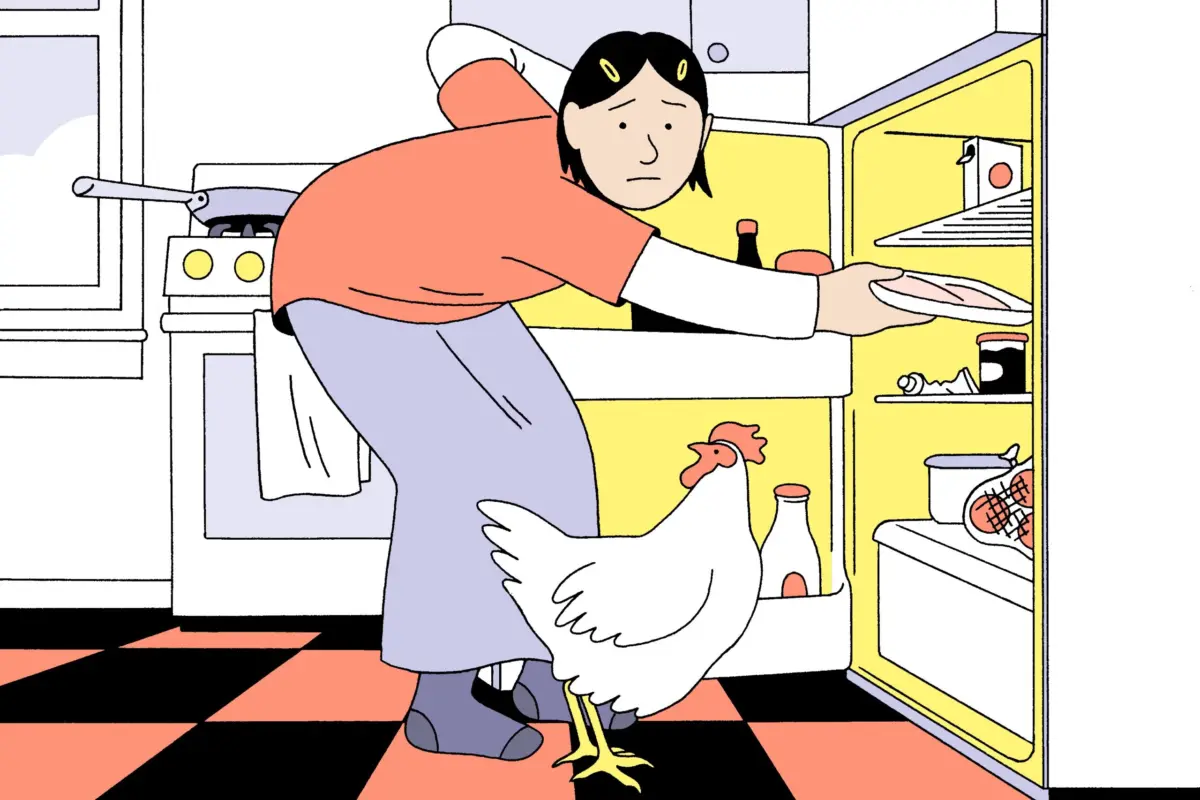
This tension is acutely felt by individuals who strive to maintain a vegetarian or vegan lifestyle out of compassion for sentient beings, only to encounter severe physical roadblocks—such as chronic gastrointestinal disorders—that demand an entirely different, highly restrictive medical diet. When a "bland" diet eliminates staple vegetarian proteins like beans, lentils, nuts, tomatoes, onions, and citrus, patients are frequently forced to reconsider animal-based
products to heal their gut.
This article explores the ethical, philosophical, and practical dimensions of this dilemma. Drawing on moral philosophy—ranging from strict deontological and utilitarian systems to modern pragmatism—we examine how individuals can reconcile the desire to protect animal welfare with the undeniable biological imperative to manage personal health. Rather than succumbing to an all-or-nothing moral purism, the path forward often lies in nuanced "reducetarianism," conscious sourcing, and an appreciation of value pluralism.
Detailed Chronology: The Evolution of Dietary Ethics and Modern Health Realities
To understand the current friction between plant-based ethics and gastrointestinal health, it is helpful to trace how our relationship with food has evolved over time, both culturally and biologically.
The Historical Context of Human Diets
For the vast majority of human history, moral considerations regarding the consumption of animals were largely absent outside of specific spiritual traditions. Anthropological and philosophical assessments—such as those articulated by University of Michigan philosopher Elizabeth Anderson—highlight that our ancestors could not have survived, migrated, or built complex civilizations without exploiting animals for food, labor, clothing, and energy.
The social, economic, and technological conditions necessary to conceptualize animals as bearers of moral rights did not emerge on a mass scale until relatively recently. Even today, these moral frameworks are unevenly applied across different cultures and animal species.
The Rise of Plant-Based Diets in the 21st Century
In recent decades, vegetarianism and veganism have transitioned from niche countercultural movements into mainstream lifestyle choices, driven by mounting documentation of factory farming abuses and the undeniable carbon footprint of industrial livestock production.
However, statistics show that maintaining these diets over the long term is remarkably difficult. According to data from Gallup, only about 5 percent of American adults identify as vegetarian or vegan. Furthermore, comprehensive studies by research organizations like Faunalytics indicate that approximately 84 percent of individuals who adopt vegetarian or vegan diets eventually abandon them and reintroduce meat. While many abandon these diets due to convenience or social pressure, a significant subset does so because of unforeseen health complications—most notably, digestive disorders that react poorly to high-fiber, plant-heavy regimens.
The Acute Gastrointestinal Crisis
For individuals already committed to vegetarianism, the onset of conditions like irritable bowel syndrome (IBS), chronic gastritis, or severe acid reflux can trigger a profound crisis. Standard gastrointestinal protocols frequently mandate the complete elimination of common plant-based staples. Spices, garlic, onions, acidic foods (such as tomatoes and citrus), caffeine, and high-fiber legumes can severely exacerbate gut inflammation.
When a patient is left with a severely restricted list of tolerable foods, avoiding animal products becomes exceptionally difficult. When medical professionals recommend remedies such as chicken bone broth to repair intestinal linings and soothe flare-ups, the ethical dilemma shifts from an abstract philosophical debate into an urgent, daily reality.
Supporting Context & Metrics: The Philosophical Frameworks of Dietary Choices
When wrestling with whether to reintroduce animal products during a health crisis, people often experience deep guilt, viewing their situation as a moral failure. However, ethical philosophy provides multiple lenses through which to evaluate this dilemma, offering relief from rigid dogmatism.
1. Deontology: The Ethics of Duty
Deontological ethics, championed by thinkers like Immanuel Kant, posits that an action is moral if it fulfills a categorical moral duty. Universal rules govern deontology—such as the imperative to "always treat others as ends in themselves, never merely as means to an end."
- The Application: From a strict deontological perspective, killing an animal for food is inherently wrong because it treats a sentient being as a mere instrument for human survival or pleasure.
- The Limitation: Deontology offers absolute certainty, making it emotionally comforting for those who want clear boundaries between "good" and "bad" actions. However, it struggles to account for complex real-world conflicts where two valid duties—such as the duty to minimize animal suffering versus the biological duty to preserve one’s own health—collide.
2. Utilitarianism: The Calculus of Suffering
Utilitarianism, advanced by moral philosophers like Peter Singer, judges the morality of an action by its consequences. The primary goal is to maximize overall well-being and happiness while minimizing total suffering.
- The Application: Utilitarians argue that humanity has a moral obligation to reduce and eventually eliminate the immense suffering inflicted upon animals by industrial agriculture.
- The Limitation: While utilitarianism provides a clear metric, strict adherence can lead to paralysis when human health and animal welfare directly conflict, forcing individuals to weigh their own chronic physical pain against the systemic suffering of livestock.
3. Pragmatism and Value Pluralism
Recognizing the limitations of tidy moral formulas, modern pragmatism—and value pluralism specifically—suggests that human life is too complex to be reduced to a single ethical yardstick.
- The Core Idea: Value pluralism is the recognition that humans hold multiple values that are equally valid yet frequently conflict with one another. Compassion for animals is a valid value; preserving one’s physical health and ability to function is an equally valid value.
- The Pragmatist View: As Elizabeth Anderson argues, moral truths are contingent on our social, historical, and biological circumstances. Because our ancestors needed animal resources to survive, and because our current physiological needs sometimes demand therapeutic dietary shifts, moral evaluation must account for our relationships with animals (e.g., domesticated livestock versus wild animals versus pests) rather than relying on a single, inflexible absolute.
Official Statements and Industry Metrics: Quantifying Harm in Modern Agriculture
For those who conclude that consuming some animal products is medically necessary, the next ethical hurdle involves minimizing the resulting harm. Not all animal agriculture carries the same ethical or environmental cost.
Factory Farming vs. Pasture-Raised Systems
Data from agricultural watchdogs indicates that approximately 99 percent of all meat, dairy, and eggs consumed in the United States originates from Concentrated Animal Feeding Operations (CAFOs), commonly known as factory farms.
- The Toll of CAFOs: In these industrial facilities, animals are confined in close quarters under unsanitary conditions. Routine procedures—such as piglet castration, cattle dehorning, and chick debeaking—are frequently performed without anesthetics or pain relief. Furthermore, broiler chickens have been selectively bred to grow so rapidly that their skeletal systems can barely support their weight, resulting in chronic, lifelong pain.
- The Pasture-Raised Alternative: While pasture-raised farming is not entirely free of ethical concerns—animals still ultimately face slaughter, and breeding practices remain optimized for production—it offers a drastically different quality of life. Pasture-raised animals are permitted to roam outdoors and engage in natural behaviors for the majority of their lives. For a consumer seeking to balance health needs with animal welfare, choosing pasture-raised products represents a meaningful reduction in cruelty compared to supporting factory-farmed supply chains.
The Arithmetic of Animal Consumption: Beef vs. Chicken
Animal welfare advocates often point out a counterintuitive metric regarding meat consumption: eating larger animals causes significantly less systemic death per pound of food consumed.
- The Chicken Paradox: Because chickens yield only a few pounds of meat per animal, satisfying the average American’s annual poultry consumption requires the lives of roughly 23 chickens.
- The Beef Alternative: In contrast, a single steer yields approximately 500 pounds of beef. Consequently, consuming beef results in the slaughter of a fraction of an animal per capita annually (roughly one-tenth of a cow per person per year).
- The Environmental Caveat: While switching from chicken to beef reduces the total number of animal lives ended, beef production carries a substantially heavier greenhouse gas footprint, contributing significantly more to climate change. This highlights yet another competing value: animal welfare versus environmental preservation.
Future Outlook: Embracing Reducetarianism and Compassionate Pragmatism
As food science and nutritional medicine continue to evolve, the future of ethical eating is shifting away from rigid binary classifications (such as strict veganism versus unconstrained omnivorism) toward intentional, flexible frameworks.
Low-Fiber Plant Alternatives and Innovation
For individuals managing gastrointestinal disorders, the culinary landscape is expanding. While traditional high-fiber plant staples may be temporarily intolerable, modern low-fiber plant-based options—such as firm tofu, seitan, and specialized textured vegetable proteins—can often be tolerated during flare-ups. Furthermore, the continued development of lab-grown meat and advanced plant-based meat alternatives promises to bridge the gap between medical necessity and ethical integrity in the coming decades.
Committing to Quantified Reducetarianism
For those who ultimately determine that incorporating specific animal products (such as bone broth or ethically sourced fish/meat) is essential for their digestive recovery, experts recommend adopting structured "reducetarian" commitments rather than abandoning ethical goals entirely.
- Clear Parameters: Vowing vaguely to "eat less meat" frequently leads to dietary slippage. Instead, adopting clear frameworks—such as "weekday vegetarianism," "vegan before six," or explicitly purchasing only Certified Humane and pasture-raised products—ensures that ethical consciousness remains active.
- Releasing Moral Perfectionism: Ultimately, adopting a pragmatist mindset liberates individuals from the paralyzing trap of moral perfectionism. Recognizing that your values are plural—that caring for animals and caring for your own physical well-being are both legitimate human goods—allows you to navigate health crises without compromising your core compassion.
By balancing medical reality with conscientious sourcing, individuals can navigate dietary setbacks while continuing to champion a more humane and sustainable food system.