Executive Overview
CD Projekt Red has officially rolled out Patch 5.02 for The Witcher 3: Wild Hunt Remastered, addressing a constellation of long-standing technical gremlins, balancing oversights, and persistent progression blockers that have plagued players since the game’s modern platform overhaul. For many returning fans, the update acts as a vindication: those impossible-to-defeat werewolf encounters on higher difficulty settings were not the result of declining player reflexes, but rather an aggressive health-regeneration bug that rendered the beasts effectively immortal.
Beyond squashing monstrous bugs, Patch 5.02 takes a scalpel to the game’s visual presentation—re-engineering problematic lighting pipelines, curing erratic shadow flickering, and introducing key optimizations for Path Tracing and Ray Reconstruction. However, the update is far from a standard maintenance drop. CD Projekt Red has implemented targeted nerfs to various Witcher Signs and combat mutations, pulling back the reins on overpowered builds that previously allowed players to trivialize the continental map. With the eagerly anticipated Songs of the Past expansion slated for release next year, these adjustments signal a concerted effort by the development team to restore strategic depth and challenge to Geralt of Rivia’s sweeping adventures.
Detailed Chronology: A History of the Remastered Journey
To understand the significance of Patch 5.02, one must look back at the trajectory of The Witcher 3: Wild Hunt Remastered. When CD Projekt Red first unleashed the updated version of its 2015 masterpiece, it was heralded as a triumph of modern rendering technology. Bringing ray tracing, high-resolution textures, integrated community mods, and quality-of-life adjustments to current-gen consoles and PC, the upgrade breathed fresh life into a modern classic.
Yet, pushing a monumental open-world RPG through a next-gen technical transformation is rarely a frictionless process. Almost immediately, the community began logging a distinct variety of technical anomalies:
- The Werewolf Wall: Players diving back into Death March difficulty found themselves stonewalled by low-level lycanthropes whose health bars zipped back to full faster than silver swords could deplete them.
- Visual Whiplash: The new lighting engine produced striking vistas, but it also plunged interiors into pitch-black obscurity while turning certain exterior scenes into blinding flashbangs.
- The Gwent Quest Break: A frustrating progression bug locked completionists out of their 100% achievements due to a missing Zoltan Chivay card near the Hanged Man’s Tree in Velen.
Throughout subsequent hotfixes, CD Projekt Red chipped away at these issues, but Patch 5.02 represents the most comprehensive stability and balance sweep to date. By directly targeting the feedback loop between player experience and technical performance, the studio is actively stabilizing the foundational ecosystem of the game ahead of its next major commercial milestone.
Supporting Context & Metrics: Fixing Combat, Lighting, and Progression
Patch 5.02 is a dense patch note document packed with adjustments that fundamentally alter how the game looks, feels, and plays. The fixes can be categorized into three distinct pillars: combat balancing, graphical optimization, and quest restoration.
1. The Werewolf and Combat Balance Reckoning
The most notable bug fix in the update notes reads simply: "Fixed an issue where werewolves could regenerate health too quickly on higher difficulty settings, making them impossible to defeat." For veterans who pride themselves on conquering the Continent on the hardest settings, this admission brings profound relief.
Concurrently, CD Projekt Red has adjusted several core combat systems. The Remastered version initially launched with sweeping buffs to Witcher Signs—particularly Aard and Igni—that allowed players to breeze through encounters without engaging deeply with alchemy, oils, or steel-and-silver weapon specialization. Patch 5.02 slightly scales back these overpowered potentials. The Catalyst skill’s bonus to Aard and Igni intensity has been reduced by 10%, and stamina regeneration during combat has been tweaked. While these changes will not fundamentally break established character builds, they reintroduce a necessary reliance on tactical potion usage and preparation.
2. Overhauling the Lighting Pipeline and Path Tracing
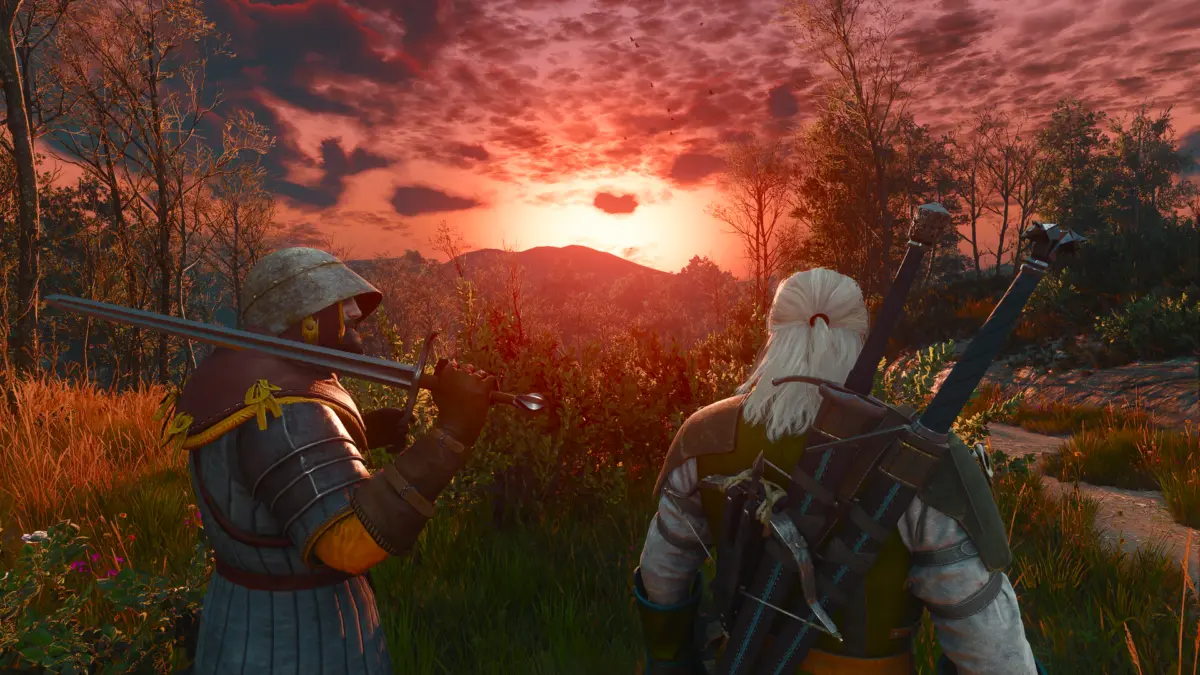
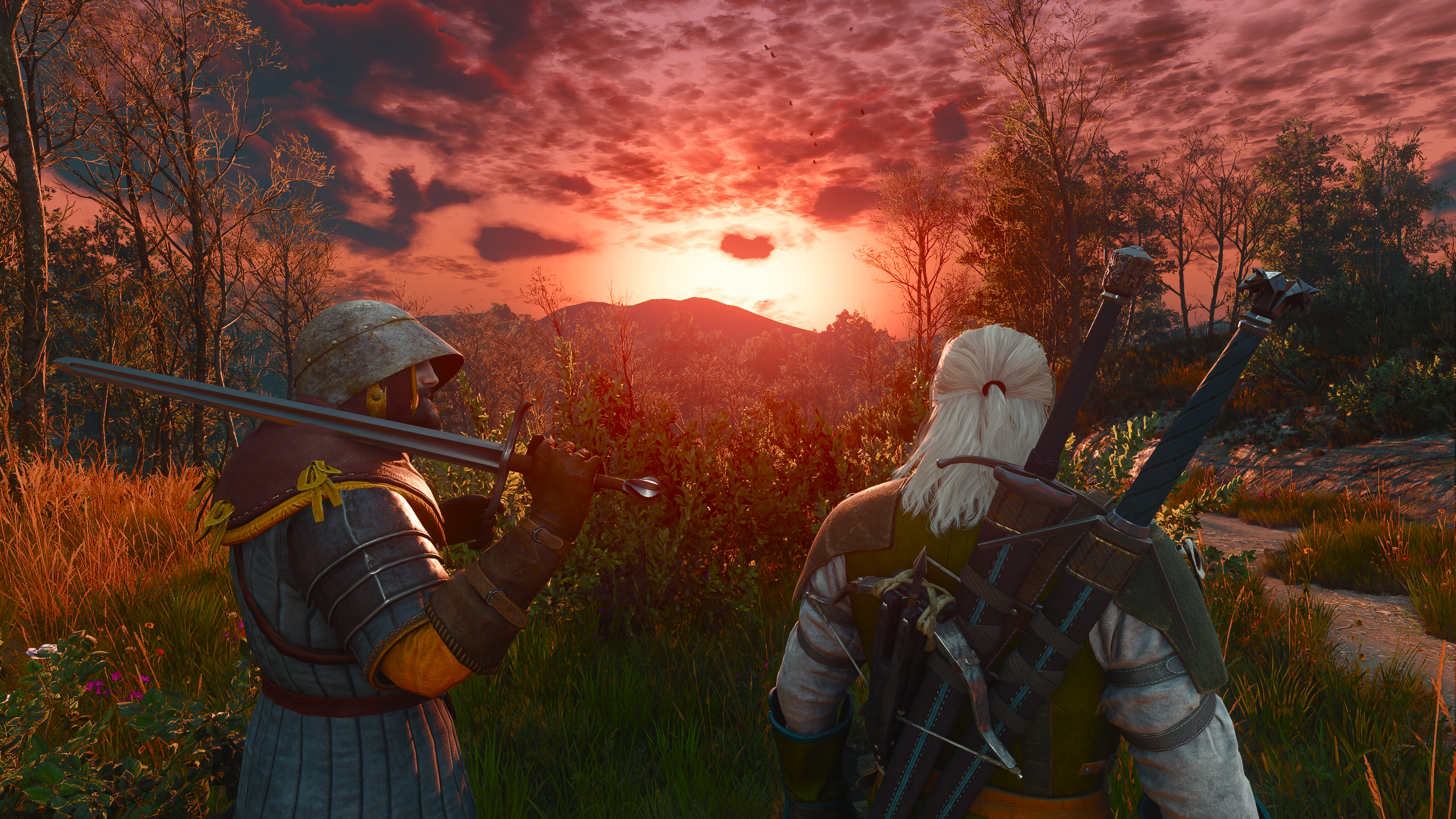
Lighting proved to be one of the most polarizing aspects of the Remastered edition. Patch 5.02 tackles these issues head-on by fixing inconsistent lighting transitions, stubborn flickering, and extreme exposure discrepancies across multiple cutscenes and open-world locations. Furthermore, PC players utilizing high-end hardware will benefit from dedicated Path Tracing and Ray Reconstruction optimizations, alongside visual improvements to shadow mapping, water rendering, and hair illumination under ray-traced lighting models.
3. Completing the Gwent Collection
For completionists, the ghost of missing items has finally been put to rest. The patch notes confirm that the elusive Zoltan Chivay Gwent card—crucial for players attempting to complete the "Collect ‘Em All" quest—now spawns reliably in its designated location under the Hanged Man’s Tree in Velen.
Official Statements and Developer Intent
While CD Projekt Red rarely provides lengthy philosophical dissertations for minor incremental updates, the philosophy driving Patch 5.02 is transparent: preparation for the future of the franchise.
Industry analysts and community leaders have noted that adjusting single-player mechanics years after a game’s initial launch is typically done in anticipation of fresh content expansion. With the Songs of the Past expansion officially on the horizon for next year, CD Projekt Red wants to ensure that the core gameplay loop remains balanced, engaging, and challenging.
When developers implement nerfs in single-player titles, friction from the community naturally follows. However, studio representatives and veteran designers have historically emphasized that meaningful challenge is integral to the roleplaying identity of a Witcher. Allowing players to effortlessly stunlock entire military camps or monster dens using a single, hyper-optimized Aard build runs counter to the immersive, tactical survival experience envisioned by the design team. By reining in these extremes, CD Projekt Red is safeguarding the integrity of the gameplay experience against the homogenizing effect of cookie-cutter internet builds.
Future Outlook: Looking Ahead to Songs of the Past
The release of Patch 5.02 serves as a clear indicator that CD Projekt Red views The Witcher 3: Wild Hunt not as a finished monument left untouched in a digital museum, but as an active, living platform. As the studio divides its massive workforce between the development of the next-generation Witcher saga (currently known under the codename Project Polaris) and ongoing updates to existing properties, maintaining the technical health of the 2015 masterpiece remains vital.
The upcoming Songs of the Past expansion, scheduled to launch next year, promises to drag players back onto the Path for a fresh narrative journey. By purging immortal werewolves, stabilizing the Path Tracing engine, correcting lighting anomalies, and rebalancing sign intensities, Patch 5.02 cleans the slate.
For players who have spent the last decade hunting monsters across Velen, Novigrad, and Skellige, this update provides the perfect excuse to reinstall the game, track down that missing Gwent card, and test their steel against the Continent once more—knowing full well that if they fall in battle this time, it will be due to their own tactical errors, rather than a runaway health-regeneration glitch.