Executive Overview
It is an enduring law of hardware tinkering that if a device possesses a display and a modicum of computational capacity, someone will inevitably find a way to run Doom. Over the three decades since id Software released the genre-defining first-person shooter in 1993, enthusiasts have ported the MS-DOS classic to an absurd array of unorthodox platforms. From graphing calculators and digital cameras to smart appliances like toasters and even Apple iPods, the "Can it run Doom?" phenomenon remains a cornerstone of hacker culture.
Yet, despite the ubiquity of these novelty ports, a recent project by developer and hardware modder Jason Kopp (known online as ArcadeJason) stands apart. Kopp has successfully brought Doom to the Vectrex—a home video game console released in 1982, fully eleven years before Doom ever hit store shelves.
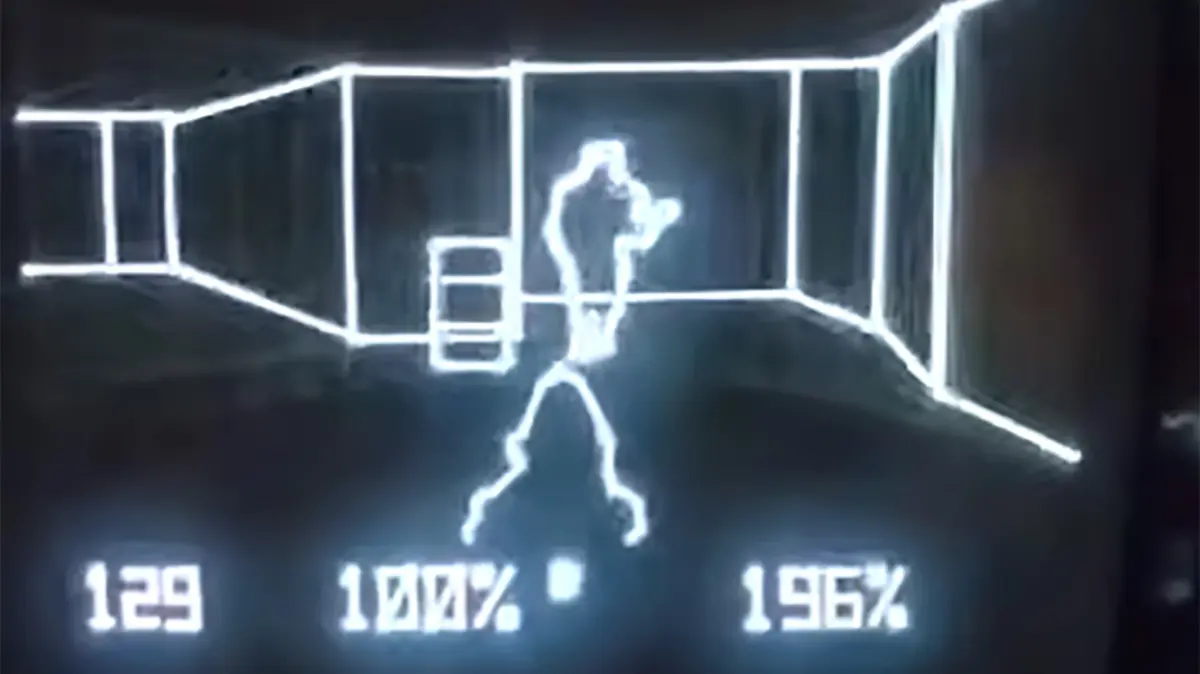
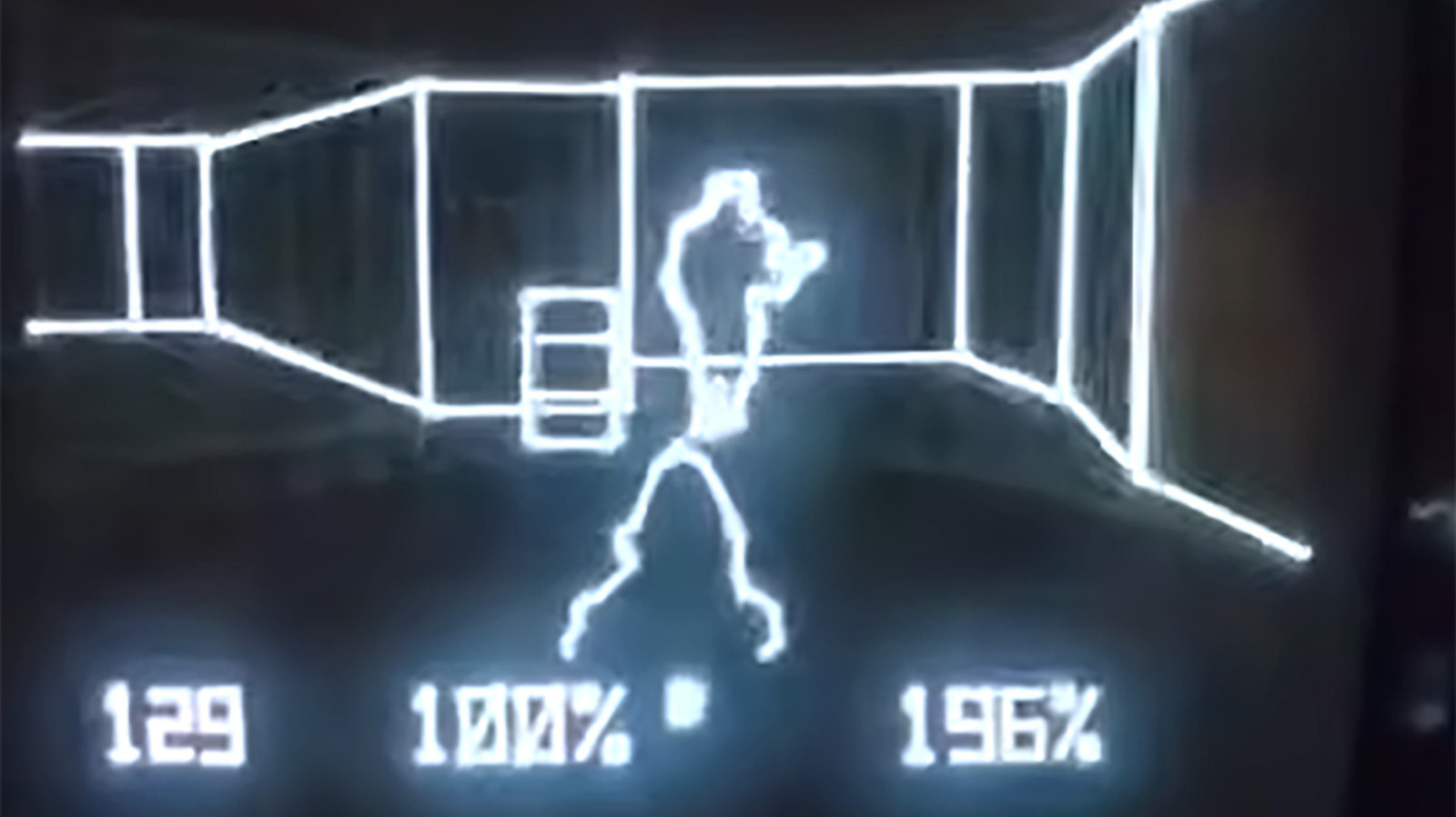
Far from a standard low-resolution pixel downgrade, this iteration of Doom offers an entirely transformed aesthetic experience. Because the Vectrex relies on vector graphics rather than a traditional raster grid of pixels, the port renders id Software’s iconic corridors and demons as stark, glowing, Tron-like lines. It is a hauntingly minimalist visual style that bridges the gap between early 1980s arcade technology and 1990s PC gaming culture.
However, achieving this feat required clever engineering. Because a 1982 console lacks the raw processing power to calculate Doom‘s 3D geometry natively, Kopp utilized a specialized multicartridge equipped with modern co-processing hardware. The result is a masterclass in retro-hardware modification, demonstrating how creative engineering can breathe new life into vintage technology and produce something genuinely mesmerizing for modern enthusiasts.
Detailed Chronology
The Genesis of Vector Gaming and the Vectrex Legacy
To understand why Doom on the Vectrex is such a technical and artistic curiosity, one must look back at the state of computer displays in the late 1970s and early 1980s. Before raster displays—which paint images line by line across a grid of pixels—dominated home televisions and monitors, vector displays were the premier choice for high-end arcade cabinets like Atari’s Asteroids and Battlezone.
Vector monitors work similarly to oscilloscopes. Instead of filling a screen with a grid of pixels, an internal electron beam is steered directly across the phosphor-coated screen to trace crisp, continuous lines. This allowed for incredibly sharp graphics with zero pixelation, but it severely limited the complexity of filled shapes and colors.
In November 1982, General Consumer Electronics (GCE) introduced the Vectrex to the consumer market. Conceptualized by Smith Engineering, the Vectrex was a radical anomaly: it was the first and only programmable home console built entirely around a vector graphics display. Complete with its own vertical CRT monitor and a remarkably comfortable analog joystick, the Vectrex achieved a cult following before the video game crash of 1983 abruptly halted its momentum. While raster-based consoles like the Nintendo Entertainment System (NES) eventually took over the market, a fiercely dedicated community of retro-hardware enthusiasts has spent decades keeping the Vectrex alive through homebrew software and hardware upgrades.
The Evolution of the Doom Porting Phenomenon
Simultaneously, Doom was changing the landscape of interactive entertainment. When id Software released the game on December 10, 1993, its use of textured ray-casting engine technology revolutionized PC gaming. Almost immediately, programmers realized that the game’s modular architecture made it prime material for cross-platform experimentation.
Over the years, the Doom porting community achieved milestones that bordered on the absurd. Hackers ran the game on ATM machines, car dashboard computers, smart thermostats, and inside other video games (such as within the virtual computers of Minecraft or System Shock). Each new port served as a badge of honor for the programmer and a testament to the scalable nature of the original source code.
Yet, translating a ray-cast 3D environment designed for x86 architecture onto hardware built decades prior always presented a steep challenge. While previous ports focused simply on getting the game to run at a recognizable framerate, Kopp’s project shifted the focus toward a complete reinvention of the game’s visual language, leveraging the unique physical properties of vintage vector hardware.
Engineering the Vectrex Doom Demo
The technical hurdle of running Doom on a Vectrex is monumental. The original console features a Motorola 68A09 processor running at a modest 1.5 MHz, paired with a mere 1 kilobyte of RAM. By contrast, Doom requires floating-point math, texture mapping, and complex geometry calculations that would instantly overwhelm the 1982 console’s native architecture.
To bypass this hardware bottleneck, Kopp cleverly redefined what the Vectrex was actually doing. Rather than forcing the console to process the game logic, the Vectrex functions primarily as a display terminal. Kopp built the demo around the Ultimate Vectrex Multicart 2 (UVMC2), a sophisticated hardware cartridge designed by the retro community.
The UVMC2 acts essentially as a miniature, plug-in computer housed within the cartridge shell. The heavy computational lifting—running the game engine, calculating enemy AI, and processing world geometry—is handled by the multicart’s onboard processing hardware. The cartridge then translates these spatial coordinates into vector drawing commands that the Vectrex’s vector display engine can understand.
Furthermore, because the Vectrex’s internal sound generation capabilities are relatively primitive, audio output is routed separately through a dedicated 3.5mm audio jack integrated into the UVMC2 cartridge. To bridge the software gap, Kopp utilized a specialized Software Development Kit (SDK) created by fellow modder Daniel Ferrer Guerrero, allowing for optimized translation between modern code structures and the Vectrex’s unique display routines.
Supporting Context & Metrics
To fully appreciate the scope of this mod, it is helpful to examine the contrasting hardware specifications of the platforms involved, as well as the unique nature of vector rendering.
Comparative Hardware Specifications
| Metric / Component | Vectrex Console (1982) | IBM PC Compatible (1993 – Doom Minimum Spec) | UVMC2 Cartridge (Modern Mod) |
|---|---|---|---|
| Primary CPU | Motorola 68A09 @ 1.5 MHz | Intel 386DX @ 33 MHz | Modern High-Speed Microcontroller |
| System RAM | 1 Kilobyte (KB) | 4 Megabytes (MB) | Significantly Expanded RAM |
| Display Technology | Vector CRT (Direct Beam Steering) | Raster CRT/VGA (Pixel Grid) | Direct Vector Line-Drawing Output |
| Primary Input | 4-way Analog Joystick & 4 Buttons | Keyboard & Mouse (or Gamepad) | Mapped via Cartridge Interface |
| Audio Hardware | General Instrument AY-3-8912 | Sound Blaster / AdLib Compatible | Dedicated 3.5mm Analog Audio Output |
The Visual Transformation: Raster vs. Vector
The most striking aspect of the Vectrex Doom port is its aesthetic departure from the original MS-DOS release. Raster graphics construct images out of a fixed grid of tiny squares called pixels. When graphics cards draw a wall in Doom, they calculate perspective, stretch a bitmap texture across vertical columns of pixels, and shade the result based on distance.
Vector graphics discard pixels entirely. When the UVMC2 cartridge renders a room in Doom, it strips away the bitmap textures, color gradients, and pixel shading, reducing the environment to its bare geometrical skeleton: lines, vertices, and wireframes.
When viewed on the Vectrex’s monochrome vector monitor—which typically glows in a warm phosphor green or crisp amber—the result is strikingly reminiscent of 1982 arcade classics like Tempest or Disney’s 1984 sci-fi film Tron. Familiar sights, such as the iconic Doomguy status bar face, weapon sprites, and Hell-spawned enemies, are reinterpreted as elegant, glowing line drawings. This minimalist approach strips the game of its traditional gore and horror, replacing it with an eerie, hypnotic, and undeniably artistic beauty.
Official Statements & Community Reception
The retro-gaming community and independent hardware developers have responded to the project with immense enthusiasm, viewing it as a high-water mark for contemporary homebrew development.
In technical breakdowns shared via his YouTube channel (ArcadeJason), Jason Kopp emphasized that the project was designed to explore the stylistic limits of the Vectrex rather than claim a traditional "native port" milestone. "We often ask if a device can run Doom as a joke," community observers noted across retro-computing forums, "but projects like this show that technical limitations can inspire entirely new artistic interpretations of digital history."
Industry historians, writing for platforms like Time Extension, have lauded the project for bringing an unexpected elegance to id Software’s famously visceral shooter. Reviewers pointed out that while calculators and smartwatches run Doom out of a sense of technical bravado, the Vectrex port succeeds because it changes the emotional tone of the game entirely. The frantic, blood-soaked corridors of Phobos transform into a sleek, avant-garde cybernetic landscape, proving that creative hardware hacking can unlock unexpected dimensions within code that is over thirty years old.
Future Outlook
As the retro-modding community continues to push the boundaries of vintage hardware, projects like the Vectrex Doom demo highlight an ongoing shift in how enthusiasts interact with computing history.
Expanding the Homebrew Ecosystem
The success of advanced hardware accessories like the Ultimate Vectrex Multicart 2 demonstrates a growing market for sophisticated plug-in co-processing tools. By shifting heavy compute loads away from aging vintage silicon and onto modern microcontrollers hidden inside cartridges, developers can circumvent historical hardware bottlenecks without permanently modifying or damaging rare, collectible consoles.
In the future, we can expect to see further experiments utilizing hybrid hardware architectures. Developers are likely to explore bringing other iconic 90s-era 3D engines—such as the Build engine or early versions of id’s Quake engine—to unexpected vintage platforms, utilizing modern multicart processing power to render complex geometries on archaic display tech.
The Endless Appeal of Doom
Ultimately, the Doom porting phenomenon shows no signs of slowing down. As long as engineers, programmers, and hardware modders possess curiosity and a soldering iron, the 1993 masterpiece will continue to manifest in unexpected places. Yet, few future projects are likely to match the aesthetic harmony achieved by Jason Kopp’s Vectrex mod—a project that successfully bridges two entirely different eras of electronic entertainment, transforming a PC gaming milestone into a glowing piece of vector art.