Executive Overview
In what is destined to be remembered as one of the most astonishing pivots in modern video game history, legendary game director Hideo Kojima has severed his decades-long partnership with PlayStation to bring his highly anticipated action-espionage title, Physint, exclusively to Xbox.
The high-profile project—hailed as a spiritual successor to the groundbreaking Metal Gear Solid franchise—was unceremoniously dropped by PlayStation Studios in mid-June. Faced with the abrupt termination of a project that was publicly announced to great fanfare in early 2024, Kojima Productions spent three months quietly canvassing the industry for a viable partner to keep the ambitious endeavor alive.
The search culminated in a massive coup for Xbox and its newly appointed CEO, Asha Sharma. Not only has Microsoft stepped in to fully fund and publish Physint, but the collaboration has also expanded into a multi-media alliance spanning film and television.
Industry analysts point to underwhelming commercial performance figures for Death Stranding 2: On the Beach as the primary catalyst behind Sony’s decision to pull the plug. With Sony increasingly risk-averse amid escalating game development costs, and Xbox aggressively capitalizing on high-profile auteur partnerships to rehabilitate its market positioning, this blockbuster defection marks a watershed moment for the console wars, fundamentally altering the competitive landscape of the AAA gaming industry.
Detailed Chronology: From PlayStation Showcase to the Xbox Redirection
The roots of Physint stretch back to the foundational days of modern cinematic gaming. Sony and Hideo Kojima’s relationship dates back to 1998 with the original release of Metal Gear Solid on the original PlayStation. When Kojima famously split from Konami to establish the independent Kojima Productions, Sony was his first port of call, nurturing the studio and publishing Death Stranding (2019) and its sequel as timed PlayStation exclusives.
The Initial Reveal (Early 2024)
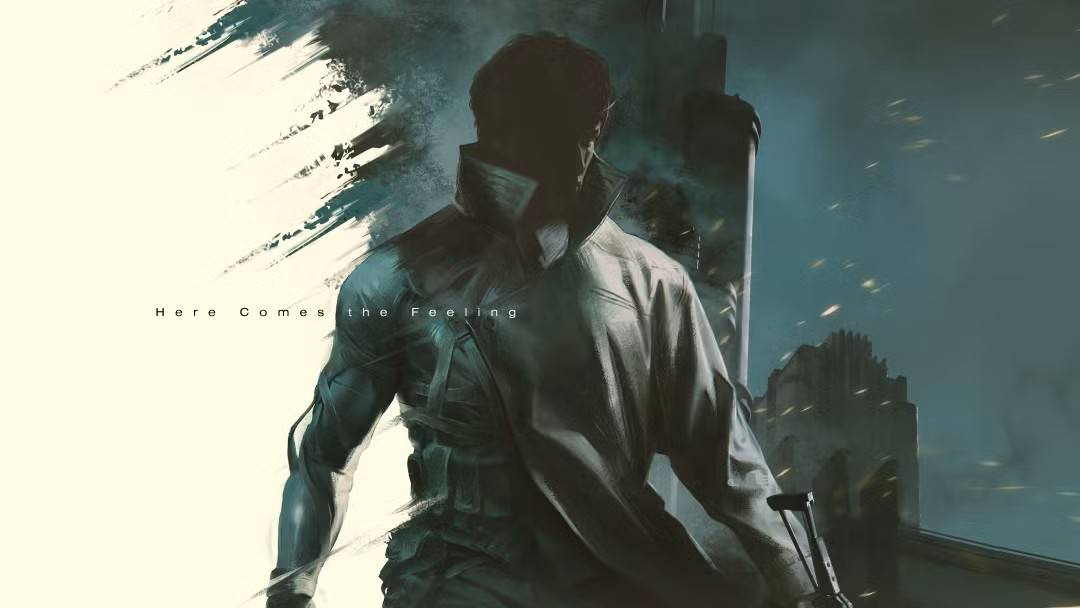
During a Sony State of Play broadcast in early 2024, the industry erupted when Kojima appeared on screen to announce Physint. Billed as a "next-generation, action-espionage game," Kojima promised that the title would blur the line between cinema and interactive media, creating an experience that is "both a game and a movie at the same time." At the time, the project was universally understood to be a flagship PlayStation exclusive, cementing Sony’s reputation as the premier home for prestige, auteur-driven blockbusters.
The Mid-June Cancellation
Behind closed doors, however, tensions were mounting. According to statements released by Kojima, the partnership hit an insurmountable wall in mid-June of this year. Without prior public warning, PlayStation Studios officially notified Kojima Productions that the Physint project had been canceled.
The abrupt severance threw the studio into disarray. For three months, Kojima Productions operated under a veil of secrecy, exploring options across various fields of entertainment. During this period of intense negotiation, Kojima opened dialogue with Xbox—a relationship already warmed by the ongoing development of OD, Kojima’s separate, experimental horror title for the Microsoft ecosystem.
The Xbox Rescue (September 2026)
Negotiations rapidly accelerated under the guidance of Xbox CEO Asha Sharma, who assumed leadership in February. Recognizing a rare opportunity to capture one of gaming’s most revered creative minds completely exclusively, Microsoft stepped in to rescue the project. On September 9, 2026, the partnership was officially unveiled to the public, confirming that Xbox would take over publishing duties for Physint while simultaneously expanding the collaboration into transmedia storytelling.
Supporting Context & Metrics: The Economics Behind Sony’s Decision
To understand why PlayStation would walk away from a marquee property carrying the cultural cachet of a Metal Gear spiritual successor, industry watchers must examine the evolving economics of AAA game development—specifically the commercial trajectory of Death Stranding 2: On the Beach.
Sales Discrepancies and Multiplatform Fatigue
While Death Stranding eventually amassed a cumulative player base of over 19 million players across multiple platforms over a five-year window, its initial launch numbers on PlayStation hardware were steady rather than explosive. When Death Stranding 2: On the Beach launched, market research firms such as Alinea Analytics estimated its total sales hovered around the 2 million mark, with roughly 1.6 million of those units sold on the PS5.
For Sony, these numbers likely represented a diminishing return on investment. Kojima’s games are notorious for their lavish production values, star-studded Hollywood casts (featuring actors like Norman Reedus, Léa Seydoux, and Margaret Qualley), and exhaustive development cycles. When weighed against soaring industry development budgets—often exceeding hundreds of millions of dollars for prestige titles—a 2-million-unit opening window may have triggered strict corporate ROI thresholds.
Furthermore, Sony executives reportedly grew frustrated by the multiplatform leakage of the Death Stranding intellectual property. The original game was briefly distributed free of charge on the Epic Games Store and spent time subscription-bound on Microsoft’s Xbox Game Pass, diluting the perceived value of console exclusivity for PlayStation hardware owners.
The Escalating Costs of Auteur Ambition
Kojima’s vision for Physint is exceptionally grand. Designed to utilize cutting-edge technology, photogrammetry, and Hollywood-grade cinematography, the game aims to push the boundaries of what interactive entertainment can achieve. Sony likely calculated that the financial exposure required to bring Physint to fruition outweighed the potential commercial upside, particularly in a risk-averse financial climate where platform holders are under mounting pressure from shareholders to curb bloated budgets.
Official Statements and Industry Reactions
The fallout from the transaction has generated a massive wave of corporate statements and public relations spins from both corporate camps.
Kojima Productions and Hideo Kojima
Addressing his global fanbase on X (formerly Twitter), Hideo Kojima maintained a professional yet transparent tone regarding the sudden shift in momentum:
"In mid-June of this year, we unexpectedly received notice from PlayStation Studios that they would cancel the PHYSINT project. Determined to keep the project alive, we have spent the last three months searching tirelessly for a new partner… we found in XBOX a partner with whom we share a common vision for the future, and we have decided to team up with them once again. Please rest assured that development of PHYSINT, our genre-defining action-espionage title, is ongoing."
Xbox Leadership
Xbox CEO Asha Sharma emphasized Microsoft’s dedication to creative freedom and artistic risk-taking during the announcement:
"Creators have choices about where and how they bring their ideas to life. We’re honored that Kojima-san has chosen XBOX to work with KOJIMA PRODUCTIONS on PHYSINT. His ambition to challenge conventions reflects the kind of creativity we want to support at XBOX."
Sharma’s leadership has clearly pivoted Xbox toward aggressive relationship-building with premier Japanese and Western developers, aiming to secure high-profile anchor titles that can drive hardware adoption and subscription growth.

PlayStation’s Damage Control
In its own official statement released via social media, PlayStation attempted to downplay the severity of the fracture:
"After careful consideration, we have made the difficult decision to step away from collaborating with KOJIMA PRODUCTIONS on its project PHYSINT. We continue to have great admiration for Hideo Kojima’s vision for the game. Our relationship with Kojima-san remains strong, and we look forward to continued close collaboration in the future."
Despite the diplomatic phrasing, industry insiders view the statement as classic corporate damage control following the loss of a generational platform-seller to their primary competitor.
Future Outlook: Strategic Ramifications for the Console Wars
The defection of Physint to Xbox carries profound implications for both Sony and Microsoft as the current console generation enters its twilight phase.
A PR Blow for PlayStation
For Sony, losing Physint is a stinging public relations defeat. The timing could scarcely be worse; the platform holder is already weathering heavy criticism from consumers and industry critics alike over its recent hardware and software strategies—most notably its controversial pivot away from physical media and towards an all-digital future. Losing a crown jewel like Physint to Microsoft undermines PlayStation’s historic dominance as the undisputed sanctuary for elite Japanese game development.
Xbox’s Strategic Rebuilding
Conversely, the acquisition serves as a monumental win for Xbox as Microsoft continues to execute its strategy of brand rehabilitation and market recovery. By stepping in to bankroll Physint—and expanding the partnership to include film and television adaptations—Xbox is signaling to the global creative community that it is a secure, deeply committed home for ambitious, high-budget auteurs.
Furthermore, by tying Kojima Productions closer to the Xbox ecosystem through both OD and Physint, Microsoft has secured critical exclusive software pipelines that will be vital for future hardware iterations and cloud-gaming initiatives.
What Lies Ahead for Physint?
As development on Physint resumes under its new banner, fans of the action-espionage genre can breathe a sigh of relief knowing the project survived its brush with cancellation. However, the game’s transition to Microsoft means that development may experience some minor timeline shifts as the team integrates with Xbox’s production pipelines.
Ultimately, the saga of Physint stands as a stark reminder of the volatile economics underpinning modern video game development, where even the most celebrated creators in the industry are subject to the cold realities of corporate balance sheets—and where rivalries in the console market can shift overnight.