The Welsh Gender Service (WGS) has been plunged into a state of systemic paralysis following an abrupt, emergency order to halt all gender-affirming surgeries for adults. For hundreds of transgender and non-binary individuals across Wales, the directive—issued by the NHS Wales Joint Commissioning Committee (NWJCC)—has not merely delayed medical treatments; it has shattered lives built on years of psychological navigation, bureaucratic waiting lists, and deeply personal hope.
The suspension, which abruptly targeted all scheduled procedures and new surgical referrals set for or after August 28, 2026, was enacted without prior consultation with the affected community or clinical providers within the WGS. While health authorities frame the mandate as a temporary “pause” to facilitate an independent clinical review, patients on the receiving end describe a far more devastating reality. For many, procedures years in the making were cancelled within 24 hours of execution, stripping individuals of their bodily autonomy and leaving them stranded in a healthcare landscape characterized by institutional neglect.
This sweeping administrative intervention was catalyzed by a Freedom of Information (FOI) data review publicized by investigative journalist Nick Wallis via Gender Blog. The analysis claimed that adult surgical referral rates out of the WGS were significantly higher than those observed in England, Scotland, and Northern Ireland. Yet, local advocates argue that these figures reflect a functional, streamlined healthcare system operating efficiently rather than a statistical anomaly requiring punitive intervention. As patients, activists, and legal observers grapple with the fallout, questions surrounding administrative governance, safeguarding, and the fundamental human right to healthcare have taken center stage in the UK trans rights debate.
Detailed Chronology: The Anatomy of a Cancellation
The 24-Hour Notice
For 29-year-old Sion Jewell, the trajectory of a five-year medical journey was obliterated in a single phone call. Jewell was actively loading their car in preparation to drive to a long-awaited top surgery when the Welsh Gender Service contacted them. The news was so jarring that Jewell’s partner initially assumed it was a prank. The reality, however, was agonizingly clear: the operation they had anticipated, prepared for, and emotionally anchored themselves to for half a decade was cancelled.
"I was devastated. I was heartbroken. It felt like a breakup. No, worse than a breakup. It felt like grieving a family member who’s died," Jewell shares. "I did everything that was asked of me. I did it, and then to be cancelled 24 hours before I was supposed to be in surgery. Right now, I’m angry more than anything. Had enough crying. I’ve cried enough in the last five days."
Jewell’s experience is emblematic of the systemic whiplash experienced by patients across Wales. While administrative communications use the term “paused,” patients report that healthcare providers communicated definitive cancellations with zero clarity regarding rescheduling pathways or future operational timelines.
The Mandate and the Review
The directive originated from the NWJCC, which mandated an immediate freeze on all adult surgical referrals and pending gender-affirming operations. The decision was executed in response to mounting scrutiny over clinical data from the WGS. Crucially, stakeholders and patients maintain that neither the Welsh Gender Service nor direct service users were consulted before the enforcement of the order.
The NWJCC initiated the independent clinical review following public disclosures from investigative reporting. According to reports published on Gender Blog and highlighted by BBC Wales, FOI data indicated that the WGS referral volume for adult surgeries stood at roughly three to four times the proportional rate observed in neighboring English, Scottish, and Northern Irish jurisdictions.
Rather than interpreting these higher rates as a positive indicator of regional accessibility or reduced diagnostic bottlenecks, external analysts and commissioning bodies flagged the statistics as an operational outlier, triggering an immediate and unannounced administrative clampdown.
Supporting Context & Metrics: Efficiency vs. "Outliers"
To understand why the Welsh Gender Service’s numbers appeared elevated to outside observers, local advocates point to structural operational differences rather than clinical over-prescription.
The Waiting List Disparity
In Wales, the average wait time from initial referral to gender-affirming surgery historically hovered around two years. While two years remains an extensive and taxing duration for patients requiring critical healthcare, it stands in stark contrast to the infrastructure found in England. According to BBC data, the average pathway to gender-affirming surgery in England spans an exhausting five years and seven months.
Shash, a trans activist and co-founder of Trans Aid Cymru, argues that the WGS appeared as a statistical outlier simply because it functioned with a semblance of systemic competence compared to its English counterparts.
"Wales just seems to be better at doing their job than the English gender service," Shash explains. "Even in Wales, these surgeries happen at such a snail’s pace. The process is: you get referred to the Welsh Gender Service, and then after months of being on HRT, you finally go back and they say, ‘OK, you can be approved for surgery’, and they give your first sign-off."
This multi-tiered bureaucratic gauntlet requires patients to navigate:
Initial GP referral to the Welsh Gender Service.
Months of baseline Hormone Replacement Therapy (HRT) monitoring.
Securing an initial clinical sign-off from the WGS.
Joining a secondary psychiatric waiting list for an external evaluation.
Receiving a secondary sign-off before being officially referred to a surgical provider (frequently located in England).
Undergoing pre-assessments on the surgical provider’s own waiting list prior to booking.
For this complex, multi-year pipeline to culminate in an unannounced, blanket freeze has left communities questioning the integrity and transparency of NHS commissioning priorities.
The Mental Health Toll and Suicide Statistics
The human impact of halting gender-affirming care cannot be overstated. Statistics compiled by Suicide Prevention UK indicate that an alarming 48 percent of transgender individuals in the UK have attempted suicide at least once in their lifetimes, while 84 percent have experienced suicidal ideation.
Conversely, extensive clinical research—including findings synthesized by the Gender Confirmation Center—demonstrates that timely access to gender-affirming surgery results in marked, sustained improvements in mental health, self-esteem, and overall psychological stability.
"This [pause] is against the Hippocratic Oath," Shash asserts, highlighting the medical community’s foundational ethical commitment to do no harm.
Official Statements and Competing Perspectives
The unfolding crisis has exposed a profound philosophical and administrative rift between external investigators, NHS commissioners, and the trans community.
The Investigator’s Position
Defending the analytical findings that prompted the review, journalist Nick Wallis maintains that the crisis is a symptom of institutional failure rather than journalistic overreach.
"This is a massive failure of both governance and safeguarding," Wallis stated in response to inquiries from Dazed. "Although they had the data, no one in the NHS appears to have been asking why WGS was such an outlier… I can see why some people might be upset with me, but all I did was draw attention to the data and the concerns of people who had been trying to raise the alarm about the WGS for two years."
Wallis added that the decision to halt surgeries was executed autonomously by the NHS after examining the statistical anomalies, emphasizing that robust governance should have caught these variances much earlier. Furthermore, Wallis characterized the underlying medical debate by stating that "believing that having parts of your body removed will cure your mental health problems is a contested theory."
The Lived Reality of Patients
Trans and non-binary individuals reject the characterization of gender-affirming care as a "contested theory," pointing instead to direct, life-saving outcomes.
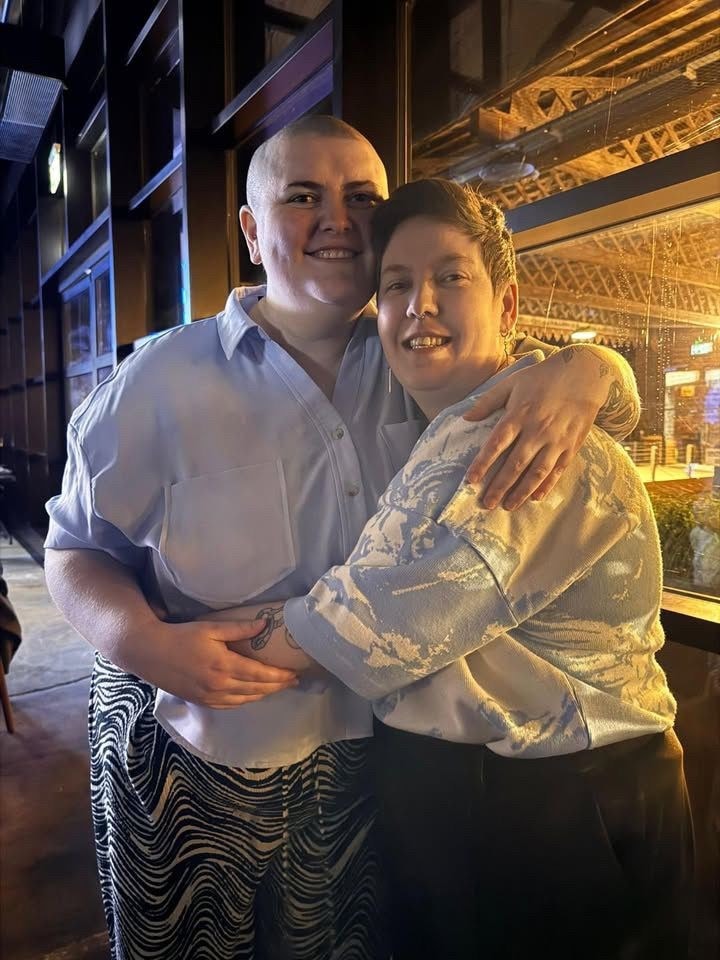
Sion Jewell’s partner, Ocean, serves as a prominent example of the restorative power of top surgery. Prior to receiving gender-affirming care, Ocean experienced severe, debilitating depression that left them unable to engage with daily life. Following surgery, Ocean returned to university, rebuilt a thriving social circle, and became engaged to Jewell. Simple activities like swimming—previously a source of profound gender dysphoria—became accessible again.
"This surgery would be life-changing," Jewell says of their own cancelled procedure. "I have no proper words to describe the absolute euphoria that would give me. Not just the gender euphoria, but the euphoria for life to be able to live in the body I was supposed to have in the first place."
Reflecting on the wider socio-political climate surrounding trans rights in the United Kingdom, Jewell expressed deep alienation: "I’m not treated like a human here. I’m treated like an animal."
Future Outlook: Fear, Resistance, and Community Resilience
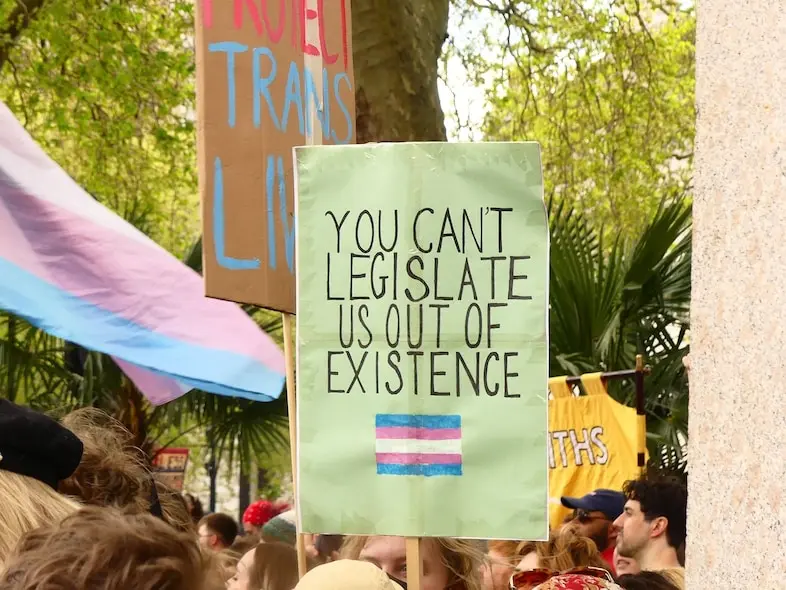
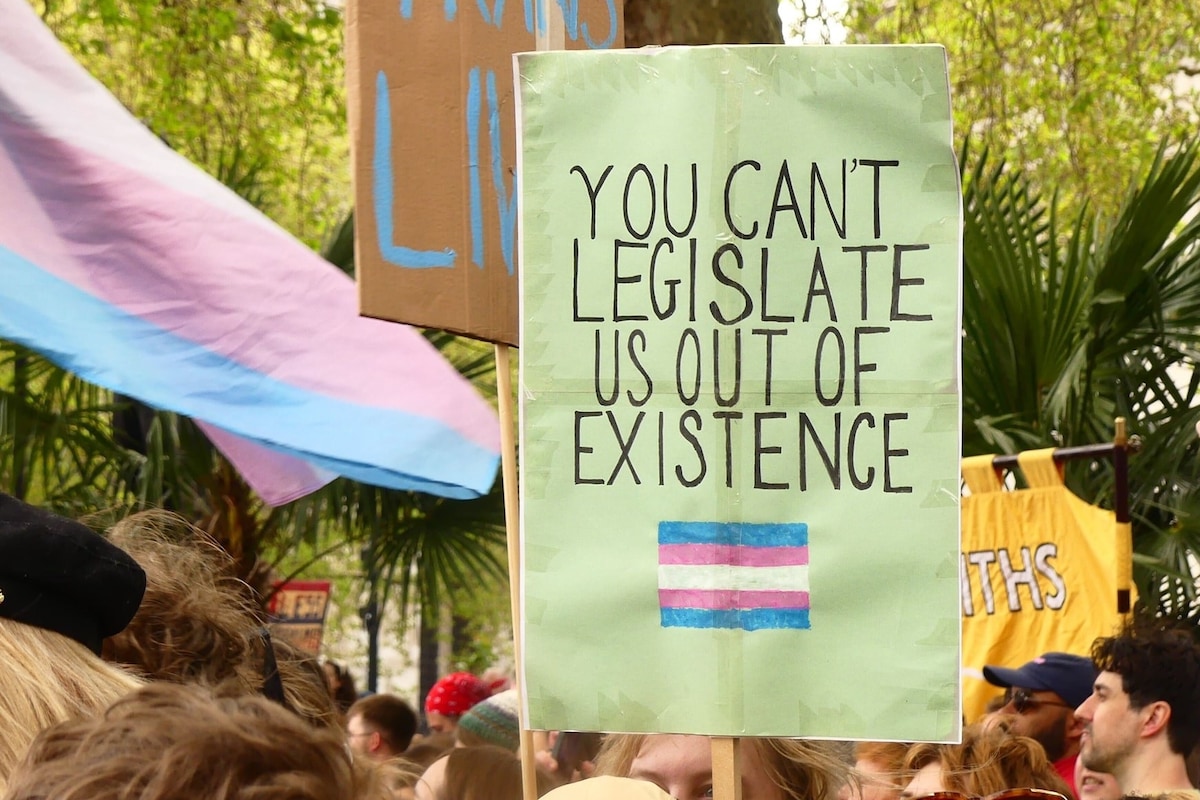
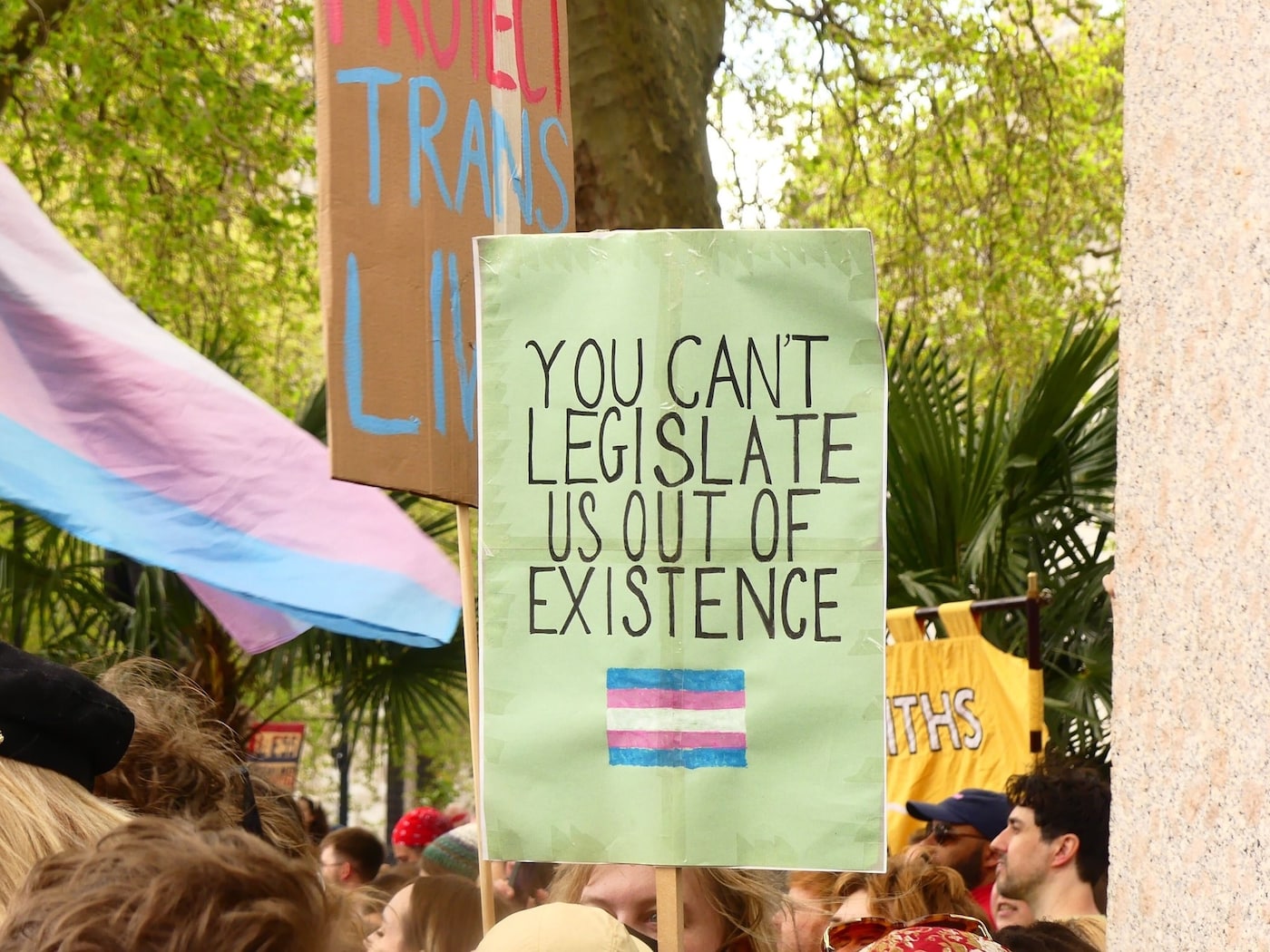
As protests erupt outside legislative bodies—such as demonstrations held outside the Senedd—the immediate future for trans healthcare in Wales remains shrouded in uncertainty. There is no official timeline detailing how long the NWJCC’s independent clinical review will take, nor is there any guarantee regarding what adult gender-affirming services will look like if and when the suspension is lifted.
The broader trans community is gripped by an acute anxiety regarding the cascading effects of the WGS pause. Activists like Shash fear that a successful administrative freeze on surgeries could establish a dangerous precedent, opening the door for restrictions on other vital pillars of gender-affirming care, such as hormone replacement therapies.
"I’m scared now that once these surgeries are paused, what’s next?" Shash warns. "Are they going to say like, ‘Oh too many people have been referred on hormones’, and stop them immediately?"
In the face of institutional abandonment, community-driven mutual aid has stepped into the void. Sion Jewell, balancing a full-time caregiving role for their grandmother, has launched a GoFundMe campaign to raise nearly £10,000 for private surgical care. It is a costly, exhausting workaround that underscores a grim reality: while government bodies and commissioning committees debate metrics behind closed doors, vulnerable individuals are left to fight for their survival, dignity, and bodily autonomy on their own.
If you or someone you know is affected by the issues raised in this article, support is available:
The Samaritans helpline is available for free, confidential support 24/7 on 116 123.
For local mental health support in the UK, contact Mind on 0300 123 3393.