Executive Overview
As the highly anticipated official release of the iPhone Duo draws near, preorders have flooded in, and early adopters are getting their first hands-on experience with Apple’s latest hardware ecosystem. Alongside the device itself, Apple’s official accessory lineup has officially hit retail shelves, offering users a glimpse into how the tech giant intends to support its newest form factor.
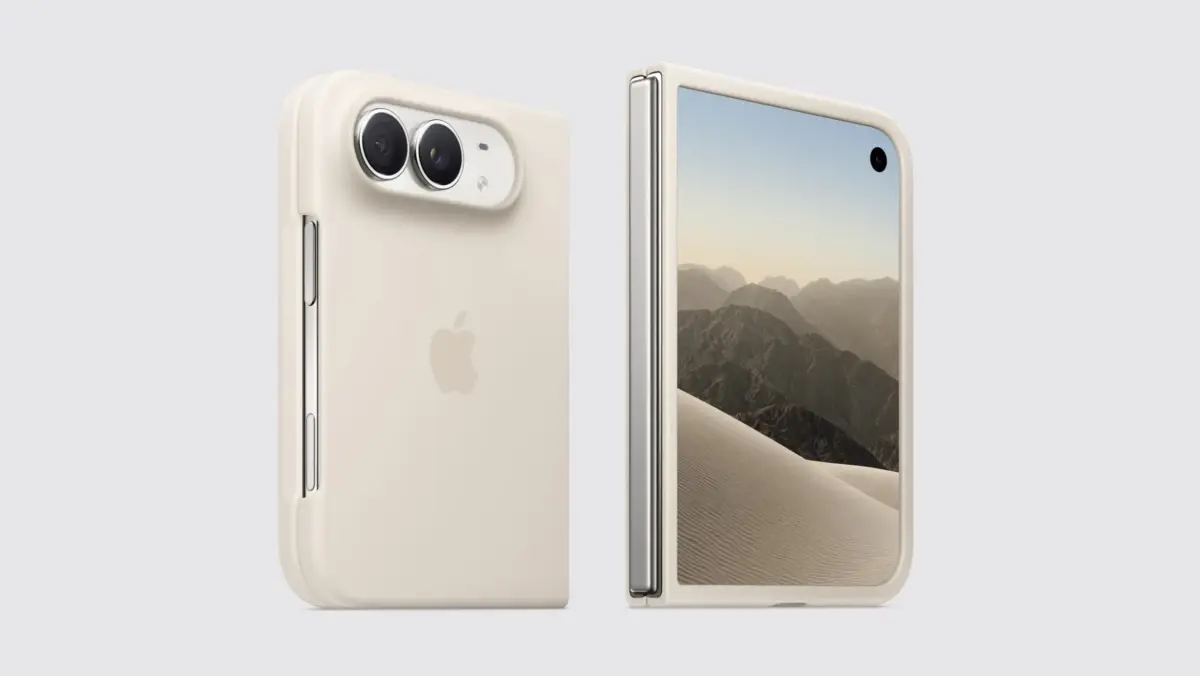
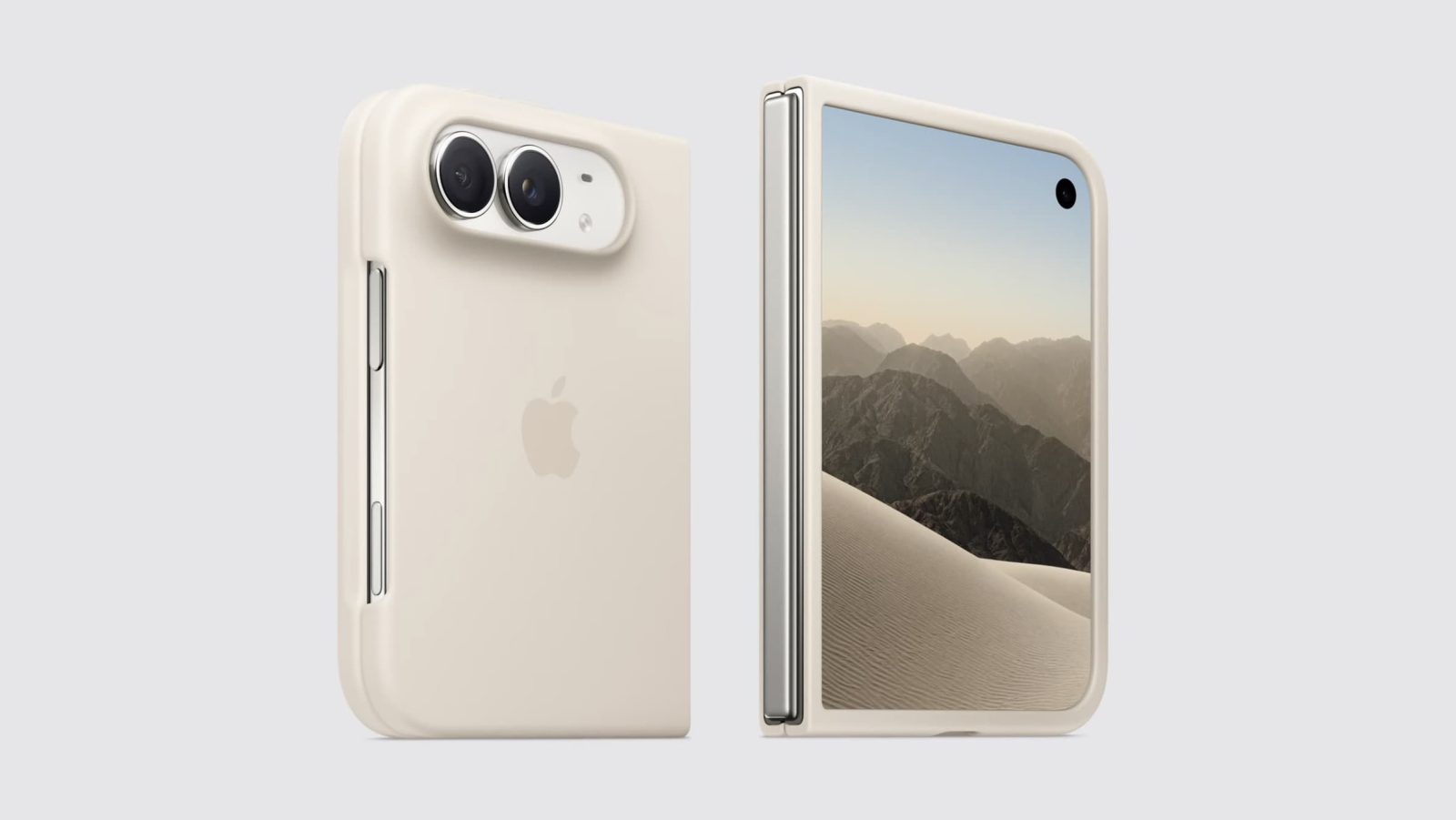
However, early buyers delving into Apple’s official accessory ecosystem have discovered an unexpected and potentially controversial engineering caveat. While Apple has long relied on magnetic attachments—such as MagSafe—to secure cases and accessories to traditional iPhones, the newly launched $79 official silicone case for the iPhone Duo departs from this standard. Instead of utilizing traditional magnetic alignment or friction-fit construction, this new silicone case requires users to peel away protective strips to expose built-in adhesive.
This design choice—while common in the broader landscape of foldable device accessories—introduces significant trade-offs for consumers accustomed to the seamless, interchangeable nature of traditional iPhone cases. Users must now contend with a semi-permanent installation process that heavily discourages frequent case-swapping, going caseless on a whim, or repositioning the accessory once the adhesive has bonded.
While not a dealbreaker for everyone, this revelation has sparked immediate debate among early adopters, tech analysts, and minimalist enthusiasts. This report dives deep into the mechanics of Apple’s adhesive-based case design, evaluates the consumer implications, examines available third-party alternatives, and explores what this hardware choice signals for the future of Apple’s accessory ecosystem.
Detailed Chronology: From Preorders to Store Shelves
The journey toward the iPhone Duo and its accompanying accessory ecosystem has been marked by a carefully orchestrated rollout schedule. Understanding how this adhesive caveat came to light requires a close look at the timeline leading up to the device’s retail debut.
The Buildup and Preorder Phase
Weeks prior to the official launch event, rumors swirled regarding Apple’s entry into the foldable or dual-screen device space. When the iPhone Duo was finally unveiled, it captured the industry’s attention, promising a fresh paradigm in mobile computing. Alongside the device rollout, Apple detailed its proprietary accessory collection, highlighting two distinct options for device protection: a streamlined $79 silicone case and a more robust, feature-rich $129 folio case complete with an integrated kickstand.
As preorders officially opened, consumers rushed to secure not only the hardware but also day-one protective gear. Apple’s retail and online stores quickly populated with these fresh accessories, setting the stage for early deliveries to arrive in the hands of reviewers, influencers, and eager consumers just ahead of the official launch day.
The Discovery in the Box
As the first wave of packages arrived at doorsteps, users unboxing the $79 silicone case immediately noticed a stark departure from previous iPhone accessory generations. Unlike standard silicone or clear cases that simply snap onto the back of a device via rigid frames or MagSafe arrays, the iPhone Duo silicone case featured unmistakable peel-away strips guarding strips of high-strength adhesive.
Initial confusion quickly turned into scrutiny as early adopters realized the engineering reality: without exposing and applying this adhesive, the case would fail to securely anchor itself to the iPhone Duo’s folding chassis. Social media platforms, enthusiast forums, and tech blogs immediately lit up with unboxing reactions, teardown impressions, and practical tests assessing the strength and permanence of the newly discovered adhesive bond.
Supporting Context & Metrics: The Mechanics of Foldable Protection
To understand why Apple opted for adhesive over magnets, one must examine the unique structural physics of foldable and dual-screen mobile devices.
Why Magnets Fall Short on Foldables
For years, MagSafe has been the gold standard for iPhone accessory attachment. Embedded rare-earth magnets allow users to snap cases, wallets, and wireless chargers onto their devices with satisfying precision, while making removal effortless. However, foldable devices—such as the iPhone Duo—present a fundamentally different mechanical challenge.
- Weight Distribution and Flex Points: Foldable devices require continuous mechanical movement along a hinge. Adding heavy magnetic arrays to flexible or dual-screen panels adds unnecessary bulk and weight where it is least desired.
- Stress Concentrations: When a foldable device opens and closes, the chassis undergoes continuous torsional stress. A purely magnetic case risks sliding, shifting, or detaching entirely during the dynamic motion of unfolding the device.
- Tolerance Limits: Traditional snap-on cases rely on rigid side walls to grip the phone’s perimeter. Because foldable devices must remain exceptionally thin when unfolded—and often feature complex hinge mechanisms that cannot be blocked by traditional case lips—maintaining a reliable friction fit without blocking utility is exceedingly difficult.
Industry Precedent and Consumer Realities
Apple is not the first manufacturer to utilize adhesive strips for foldable device protection. Competitors in the foldable space have long relied on specialized, residue-free adhesive tapes to secure ultra-thin protective shells to fragile glass-and-metal folding bodies.
However, bringing this methodology to the mainstream Apple ecosystem creates distinct psychological and practical friction for consumers:
- The Interchanging Penalty: Many iPhone users frequently swap cases depending on the occasion—switching from a slim silicone daily driver to a rugged case for outdoor activities, or removing the case entirely to appreciate the naked industrial design of the phone. With adhesive-backed cases, each removal degrades the adhesive’s structural integrity.
- Residue and Wear: While modern consumer electronics adhesives are engineered to peel away cleanly without leaving permanent chemical residue, repeated applications significantly weaken the bond, eventually rendering the case unusable.
- The Financial Cost: At a steep $79 price point for the silicone model, consumers reasonably expect maximum versatility and premium convenience. Having a high-end silicone case turn into a semi-permanent fixture challenges traditional value perceptions.
Official Statements and Industry Perspectives
Apple has positioned its official accessory lineup as a bespoke, premium extension of the iPhone Duo hardware engineering process. While the company has not issued a dedicated press release addressing the adhesive mechanism specifically, product documentation and packaging guidelines outline the intended installation procedure.
The Official Stance
According to Apple’s setup guides included with the $79 silicone case, users are instructed to thoroughly clean the glass or metal backing of the iPhone Duo, peel away the protective plastic liners covering the adhesive tracks inside the case, and apply firm, even pressure to ensure a secure bond. Apple emphasizes that this method ensures a precision fit that hugs the device’s unique contours without interfering with its folding mechanics.
Market and Analyst Reactions
Industry analysts have offered mixed reviews regarding Apple’s execution:
- Proponents of the Design: Some hardware specialists argue that adhesive is a necessary evil in the pursuit of ultra-thin, hinge-friendly foldable design. They contend that any alternative—such as bulky clamps or weak magnets—would compromise the sleek aesthetic that Apple users demand.
- Critics of the Implementation: Conversely, consumer advocacy voices and tech reviewers point out that $79 is a significant investment for a silicone case that cannot be easily removed or repositioned. They argue that Apple’s design team should have engineered a mechanical clamping mechanism or an advanced micro-suction grid that avoids single-use adhesive strips entirely.
Meanwhile, Apple’s alternative offering—the $129 folio case with an integrated kickstand—has received a more favorable reception regarding its attachment methodology, though its premium price tag places it firmly in the luxury accessory tier.
Exploring Third-Party Alternatives
For consumers who find Apple’s official $79 silicone case too restrictive or cost-prohibitive, a thriving ecosystem of third-party manufacturers has stepped in with alternative solutions tailored for the iPhone Duo form factor.

1. Spigen Ultra Hybrid Pro
Spigen remains a trusted staple in mobile device protection, and their Ultra Hybrid Pro for the iPhone Duo offers a compelling balance of clear transparency and robust drop protection. Designed to safeguard the device’s vulnerable hinge and exterior chassis without resorting to permanent adhesives, Spigen’s engineering focuses on precision-molded TPU and polycarbonate framing that snaps securely into place while maintaining full accessibility to ports and folding mechanisms.
2. ESR Classic Hybrid with Kickstand
For users who appreciate functional versatility—such as media viewing on a tabletop—ESR’s Classic Hybrid with kickstand presents an attractive middle ground. Priced competitively against Apple’s premium offerings, this case integrates a sleek, flush-folding metal kickstand into a hybrid clear back, offering drop protection and utility without locking the user into a semi-permanent adhesive commitment.
Future Outlook: What This Means for Future Apple Accessories
The introduction of the iPhone Duo and its adhesive-backed silicone case marks a fascinating inflection point in Apple’s design philosophy. As the company continues to explore novel hardware form factors—including foldable iPads, dual-screen MacBooks, and future iterations of foldable iPhones—the traditional rules of accessory design are being rewritten.
The Evolution of MagSafe in the Foldable Era
One of the most pressing questions moving forward is whether Apple will develop a "Foldable MagSafe" standard. If foldable devices are to achieve mainstream adoption, consumers will ultimately demand the seamless ecosystem of magnetic wallets, wireless charging stands, and easily swappable cases that they have enjoyed for over half a decade.
If Apple’s engineers can eventually harness advanced magnetic shielding and ultra-strong rare-earth alignments that do not interfere with internal hinge mechanics or folding displays, adhesive-backed cases may ultimately prove to be a temporary bridge technology. However, until such technological hurdles are cleared, early adopters of the iPhone Duo must weigh the pros and cons of Apple’s current accessory paradigm.
Consumer Takeaway
If you are planning to purchase Apple’s official $79 silicone case for your new iPhone Duo, keep the adhesive requirement in mind. If you prefer a "set-it-and-forget-it" approach where the case stays permanently attached to your phone from day one to upgrade day, the official silicone case offers a seamless, flush fit. However, if you enjoy frequently swapping cases, going caseless, or repositioning your accessories on the fly, you may want to look toward third-party alternatives like the Spigen Ultra Hybrid Pro or ESR Classic Hybrid, or invest in Apple’s pricier folio case alternative.
As the iPhone Duo officially hits store shelves and millions of users begin putting these devices through real-world paces, time will tell whether adhesive-backed protection becomes an accepted standard or a short-lived compromise in the evolution of mobile device accessories.