Executive Overview
Marine plastic pollution is no longer merely an aesthetic blight or a localized ecological hazard; it is actively rewriting the geological and chemical composition of the Earth. From sun-drenched tropical beaches to the crushing, pitch-black pressures of the Mariana Trench, synthetic polymers have infiltrated virtually every known marine ecosystem. For more than half a century, scientists have meticulously cataloged the devastating toll of this debris—documenting countless marine animals entangled in discarded fishing nets, seabirds with stomachs full of bottle caps, and microplastics infiltrating the base of the global food web.
The crisis has become so pervasive, and its geological footprint so permanent, that many researchers now argue we have entered a brand-new epoch: the "Plastocene," or the Plastic Age, defined by the ubiquitous presence of synthetic materials in our natural strata from the 1950s onward.
Now, marine scientists have uncovered an even more insidious manifestation of this contamination. During a recent coastal survey in southern Japan, researchers made a startling and alarming discovery: plastic is no longer just floating in the water or washing up on shores; it is physically and permanently fusing with marine life.
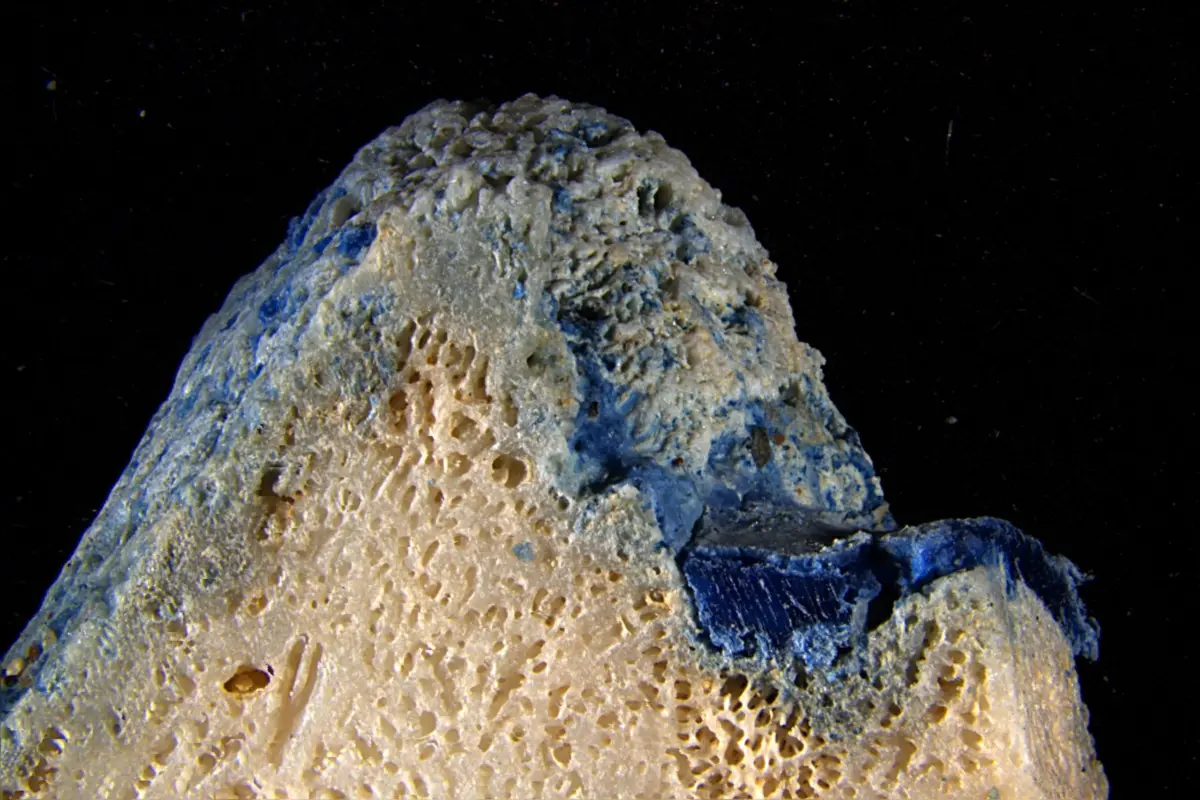
Dubbed “plasticoral,” this novel conglomerate was identified when scientists noticed strange, brightly colored anomalies embedded within white coral gravel on the beaches of the Ryukyu Islands. Advanced laboratory testing revealed that everyday household polymers had melted directly into the microscopic pores of dead coral skeletons, creating an inseparable hybrid material. This discovery marks a grim milestone in environmental history—the first time plastic has been documented fusing with coral fragments. As these altered fragments cycle back into coastal ecosystems, they threaten to introduce synthetic pollutants and unknown ecological hazards directly into the foundations of marine habitats, underscoring the chilling permanence of humanity’s synthetic footprint.
Detailed Chronology: Uncovering "Plasticoral" in Okinawa
The discovery of plasticoral is the result of meticulous field research paired with cutting-edge laboratory analysis, tracing a trail from the scenic shores of southern Japan to high-tech microscopic imaging labs.
The Initial Discovery on the Ryukyu Islands
The chain of events leading to the identification of plasticoral began during a routine coastal survey along the beaches of the Ryukyu Islands in Okinawa, Japan. Researchers were examining the composition of beach drift and coastal gravel when they noticed unusual, vibrant spots—streaks of artificial blues, reds, and yellows—stuck fast within the otherwise bleached-white fragments of coral rubble.
Unlike typical marine litter, which can simply be picked up or scraped away from a rock or shell, these brightly colored inclusions appeared to be structurally bound to the coral itself. Recognizing the potential significance of the anomaly, the team collected multiple samples from three distinct beaches across the main island of Okinawa and transported them to a controlled laboratory environment for rigorous analysis.
Laboratory Verification and Spectroscopic Analysis
Upon bringing the samples into the lab, the researchers deployed spectroscopic analysis to identify the exact chemical nature of the colorful inclusions. The results confirmed everyone’s worst suspicions: the foreign materials were not natural organic compounds or accidental mineral stains, but rather synthetic polymers derived from common household plastics.
To understand how deeply these polymers had integrated with the natural substrate, the team utilized high-resolution micro-CT (computed tomography) scans. The resulting three-dimensional digital models revealed a terrifying degree of intimacy between plastic and bone. The polymers had thoroughly melted into the intricate, microscopic pores and channels of the coral skeleton fragments. The integration was so absolute, and the mechanical lock so profound, that the plastic and the calcium carbonate skeleton could no longer be separated without destroying the structural integrity of the coral itself.
Tracing the Catalyst: From Beach Bonfires to Geological Fusion
One of the most perplexing questions facing the researchers was how everyday plastics managed to reach the melting point necessary to flow into the microscopic pores of coral fragments. While global ocean temperatures are undeniably rising to unprecedented and dangerous levels due to climate change, they do not reach the high thermal thresholds required to melt most common synthetic polymers. Similarly, while solar ultraviolet (UV) radiation breaks down plastics into brittle micro- and nano-particles over time, it does not liquefy them.
After careful deduction, the research team identified a primary and highly probable culprit: beach bonfires.

Field observations at sites like Chushu Beach revealed that plasticoral frequently forms in areas heavily impacted by human recreation, specifically where discarded plastic waste meets the intense localized heat of beach fires. As plastic debris is inadvertently or deliberately burned alongside driftwood, the molten synthetic material liquefies, drips down, and coats the surrounding sand and coral rubble. As it cools, it seals permanently into the porous calcium carbonate matrix.
This mechanism transforms transient trash into a semi-permanent geological artifact, bridging the gap between human waste disposal habits and deep geological alteration.
Supporting Context & Metrics: A History of Synthetic Integration
To fully grasp the gravity of the plasticoral discovery, it is essential to examine the broader context of how synthetic materials are altering the physical fabric of our planet. Plasticoral does not exist in a vacuum; it is part of a growing family of hybrid geological formations that signal a profound shift in Earth’s material composition.
Precedents in the Anthropocene: Plastiscreens, Plastistones, and Plastiglomerates
The fusion of plastic with the natural world is a rapidly evolving field of study. For years, geologists and marine scientists have documented instances where synthetic waste has married itself to inorganic or organic planetary matter:
- Plastiglomerates: First identified on Kamilo Beach in Hawaii, these are rocks formed by the amalgamation of molten plastic, beach sediment, basalt, and organic debris. They have been proposed as a key geological marker of the Anthropocene.
- Plastiskin: In 2019, a separate group of researchers made headlines when they discovered a thin, weathered layer of degraded plastic coating mussels and large algae in intertidal rock pools. This veneer, dubbed "plastiskin," demonstrated that synthetic films could adhere persistently to living organisms and lower trophic-level marine life.
- Anthropogenic Rock Formations: Across the globe, scientists are finding bricks, concrete, and stones cemented together with degraded synthetic fibers and microplastics, creating entirely new rock types that will outlive human civilization by millions of years.
The Scale of Marine Plastic Pollution
The sheer volume of plastic entering the marine environment provides a continuous supply of raw material for these bizarre hybrids. While obtaining a precise, real-time measurement of total oceanic plastic is notoriously difficult due to the dynamic nature of currents and the vastness of the deep sea, scientific consensus and environmental metrics paint a grim picture:
- Millions of Metric Tons: It is estimated that several million metric tons of plastic waste currently rest on the global seafloor, spanning from coastal shallows to the deepest ocean trenches.
- Ubiquitous Distribution: Plastic has been documented in remote coral reefs, polar ice caps, deep-sea hydrothermal vent systems, and inside the digestive tracts of more than 700 marine species.
- Persistent Accumulation: Because conventional plastics do not biodegrade in the traditional sense—instead merely fragmenting into increasingly smaller pieces under UV radiation and mechanical wave action—their residence time in the environment is measured in centuries, if not millennia.
Ecological Implications: What Plasticoral Means for Marine Life
While coral rubble found washed ashore on a beach is technically no longer a living organism, its ecological journey does not end at the high-tide line. Dead coral fragments play a vital, active role in the health and regeneration of marine ecosystems when they are eventually swept back out to sea by tides and storms.
The Vital Role of Coral Rubble
To understand the risk posed by plasticoral, one must understand the ecological value of natural coral debris:
- Substrate for New Growth: Coral rubble provides a stable, textured foundation for free-floating coral larvae (planulae) to settle upon, metamorphose, and begin building new colonies.
- Protective Microhabitats: The irregular, jagged shapes of coral fragments create essential hiding places and nurseries for small fish, crustaceans, and invertebrates, shielding them from strong oceanic currents and hungry predators.
The Hidden Dangers of Synthetic Hybrids
When these fragments are contaminated and structurally altered by molten plastic, their biological utility is severely compromised. Although researchers are still actively studying the precise, direct impacts of plasticoral on living marine life, existing toxicology and ecological studies point to alarming potential consequences:
- Chemical Leaching: Common household plastics contain a cocktail of chemical additives—including plasticizers (like phthalates), flame retardants, and heavy metals—designed to give them specific manufacturing traits. Laboratory research has repeatedly shown that when these plastics degrade or are exposed to thermal stress, these toxic chemicals leach into the surrounding water. In the case of corals, these leachates are known to inhibit reproduction, bleach living tissue, and suppress immune responses.
- Pathogen Vectors: Plastic debris in the marine environment acts as a floating raft and a nutrient-rich biofilm for dangerous microorganisms. Plastic fragments have been documented carrying harmful bacteria and pathogens directly to sensitive coral reefs, exacerbating disease outbreaks and accelerating reef mortality.
- Structural Impediments: If coral larvae attempt to settle on a plastic-infused surface rather than natural calcium carbonate, the slick, hydrophobic nature of the synthetic polymer may prevent successful adhesion, stunting the natural recovery of damaged reefs.
Future Outlook: The Global Threat of Unseen Fusions
The discovery of plasticoral in Okinawa is unlikely to be an isolated geographical anomaly. Given the relentless, global pervasiveness of plastic pollution, researchers warn that similar chemical and thermal fusions are likely occurring wherever human recreation, waste mismanagement, and coastal ecosystems intersect.
The Need for Expanded Research
As the scientific community races to understand the full scope of the Plastocene, several critical research avenues must be prioritized:
- Geographical Mapping: Scientists need to conduct systematic surveys across diverse global coastlines—particularly in regions with high tourism and inadequate waste management infrastructure—to determine how widespread plasticoral formations truly are.
- Toxicity Profiling: Long-term exposure studies must be conducted to assess whether the chemical bonds in plasticoral degrade over time when submerged in seawater, potentially releasing microplastics and concentrated toxins directly into the marine food web.
- Policy and Mitigation: The phenomenon of plasticoral highlights the urgent need to address plastic pollution at its source. Beach cleanups, while vital for aesthetic reasons, do not prevent the microscopic and chemical integration of plastics into the geological record. Global policy must focus on radically reducing single-use plastic production and improving waste collection before our oceans are permanently paved with synthetic debris.
A Permanent Monument to the Human Era
The emergence of plasticoral serves as a sobering reminder of the permanence of our disposable culture. Long after human cities have crumbled and modern industry has ceased, the geological strata of the Earth will bear the indelible fingerprints of our habits. We are actively fusing our garbage with the ancient architecture of the sea, creating a hybrid monument to the Anthropocene that future epochs will uncover not as fossils of ancient life, but as fossils of our own careless permanence.